Angie Faith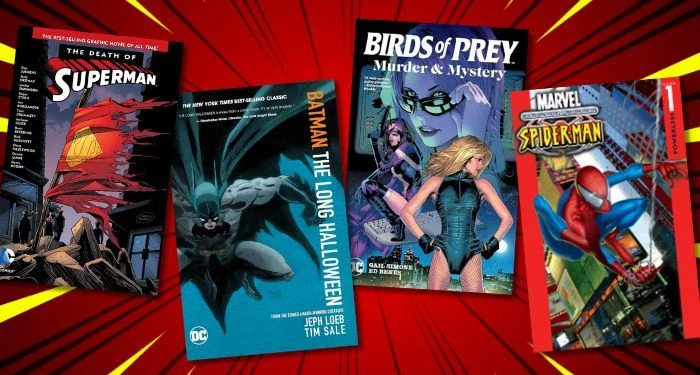
The landscape of superhero comics underwent a seismic shift during the 1990s and early 2000s, a period marked by explosive sales, groundbreaking creative ventures, and pivotal industry upheavals. For those who experienced it firsthand, it was a transformative era where the very definition of superhero narratives was being reimagined, setting the stage for decades of storytelling to come. This period, while lauded for its innovation and commercial success, also reflected the prevailing demographic trends of the time, a point of ongoing discussion and evolution within the industry.

A Boom Period for Comics: Sales, Creators, and the Rise of Image Comics
The early 1990s witnessed an unprecedented surge in comic book sales, a phenomenon driven by a confluence of factors including the proliferation of variant covers, an explosion of new creative talent, and a growing mainstream interest in the medium. This era saw many individuals who would later become titans of the industry, such as Jim Lee, Robert Kirkman, Todd McFarlane, and Joe Quesada, emerge as fan-favorite writers and artists, their early works laying the foundation for their future influence.
The commercial success of seminal works like Alan Moore and Dave Gibbons’s Watchmen and Frank Miller’s The Dark Knight Returns in the preceding decade had already signaled a demand for more mature and complex superhero narratives. This paved the way for significant developments in the 1990s. DC Comics, for instance, launched its Vertigo imprint in 1993, dedicated to publishing creator-owned, mature-themed comics that pushed the boundaries of genre and storytelling. Titles like Sandman, Preacher, and Fables from Vertigo redefined what was possible within the comic book medium, attracting a new readership and garnering critical acclaim.

Perhaps the most dramatic development of the era was the formation of Image Comics in 1992. A collective of five superstar artists – Jim Lee, Todd McFarlane, Rob Liefeld, Erik Larsen, and Marc Silvestri – left Marvel Comics to establish their own publishing house, seeking greater creative control and ownership over their characters and creations. This move was a direct response to the perceived exploitation of creators by established publishers and marked a significant redistribution of power within the industry. Image Comics quickly became a major player, introducing bold new characters and distinct artistic styles that resonated with a generation of readers. Titles like WildC.A.T.s, Spawn, and Savage Dragon became instant hits, showcasing the raw talent and entrepreneurial spirit of their creators.
The "Big Two," Marvel and DC Comics, responded to this burgeoning competition and evolving market by doubling down on their own blockbuster events. These massive crossover storylines, often featuring shocking twists and character deaths, aimed to capture the attention of a wider audience and drive sales. Events such as Marvel’s "Onslaught" saga and DC’s "Knightfall" storyline became cultural touchstones for comic fans during this period, demonstrating the publishers’ commitment to grand, universe-altering narratives.
Defining Narratives: Influential Superhero Comics of the Era
While the industry was undergoing significant structural changes, the core appeal of superheroes remained paramount. This period saw both established heroes grappling with new challenges and the emergence of entirely new iconic figures. The following are some of the most surprising and influential superhero comics that defined the 1990s and early 2000s:
Batman: The Long Halloween and the Dark Detective
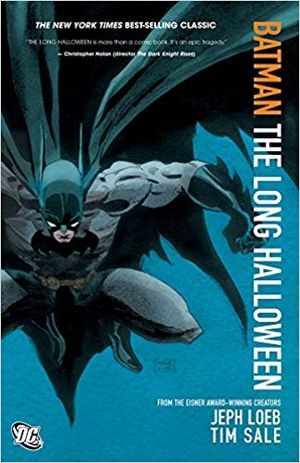
Jeph Loeb and Tim Sale’s Batman: The Long Halloween, published from 1996 to 1997, is a landmark achievement that revitalized the Dark Knight’s detective persona. Set in the early days of Batman’s career, the series masterfully weaves a complex mystery around a holiday-themed killer known as Holiday. Its impact lies in its intricate plotting, which seamlessly blends noir sensibilities with superhero action, and its exploration of Batman’s evolving rogues’ gallery and his complex relationship with Jim Gordon and Harvey Dent. The story’s gritty realism and focus on the psychological toll of vigilantism cemented Batman’s status as the world’s greatest detective, influencing numerous subsequent adaptations, including Christopher Nolan’s The Dark Knight trilogy. The series’ success highlighted a growing audience appreciation for character-driven narratives and the darker, more grounded aspects of the superhero mythos.

Birds of Prey: A New Paradigm for Female Superheroes
Gail Simone’s run on Birds of Prey, beginning in the early 2000s, represented a significant step forward for female-led superhero teams. The series, which initially featured Oracle (Barbara Gordon) and Black Canary, evolved under Simone’s stewardship into a vibrant ensemble cast of strong, complex female characters. Simone’s writing was lauded for its sharp dialogue, nuanced character development, and ability to explore themes of female empowerment and camaraderie without resorting to stereotypes. The success of Birds of Prey demonstrated the viability and immense appeal of stories centered on diverse groups of women, inspiring a new generation of creators and readers and paving the way for more inclusive superhero narratives. The team’s unique blend of espionage, action, and genuine friendship set a new standard for team-up books.
The Death of Superman: A Shockwave Through the Industry
Dan Jurgens’s The Death of Superman, published in 1992, remains one of the most impactful and surprising events in comic book history. The storyline, which depicted the brutal demise of Superman at the hands of the monstrous Doomsday, sent shockwaves through the comic book world and even garnered mainstream media attention. The narrative was characterized by its relentless action and the sheer audacity of its premise. The subsequent "Funeral for a Friend" and "Reign of the Supermen" storylines explored the immediate aftermath and the search for a successor, further cementing the event’s significance. This storyline demonstrated the power of a single, shocking narrative to captivate a massive audience, proving that even the most iconic characters were not immune to narrative finality, a concept that would be revisited with increasing frequency in subsequent years. The commercial success of The Death of Superman was staggering, with the single issue selling millions of copies worldwide, a testament to its cultural resonance.

Hellblazer: The Gritty Underbelly of the Supernatural
While technically debuting in the late 1980s, Garth Ennis’s seminal run on Hellblazer in the early 1990s solidified its status as a defining comic of the era. Featuring the chain-smoking, cynical occult detective John Constantine, the series delved into the darker, grittier aspects of the supernatural. Ennis’s writing was characterized by its unflinching realism, black humor, and exploration of moral ambiguity. Hellblazer presented a world where magic was dangerous, demons were truly terrifying, and heroes were often flawed and morally compromised. The series’ grimdark aesthetic and mature themes resonated deeply with readers seeking narratives that eschewed traditional superhero tropes. John Constantine, with his anti-heroic sensibilities and pragmatic approach to saving the world, became an iconic figure of the decade, influencing the landscape of supernatural and horror comics. The series’ consistent critical acclaim and devoted fanbase underscored the demand for more sophisticated and adult-oriented comic book storytelling.
Invincible: A Modern Deconstruction of the Superhero Mythos
Robert Kirkman, Cory Walker, and Ryan Ottley’s Invincible, which launched in 2003, emerged as a powerful force in the early 2000s, offering a fresh and often brutal deconstruction of the superhero genre. Initially overshadowed by Kirkman’s success with The Walking Dead, Invincible has since garnered immense recognition, particularly with the advent of its acclaimed animated adaptation. The series chronicles the life of Mark Grayson, a seemingly ordinary teenager who discovers he has inherited superpowers from his Viltrumite father. What sets Invincible apart is its willingness to explore the consequences of superheroics, both for the heroes and the world around them. The narrative is known for its shocking twists, visceral action, and profound emotional depth, challenging readers’ expectations of the genre. The series’ influence is increasingly apparent in contemporary comics and has inspired a new wave of creators to explore the complexities and ethical dilemmas inherent in superhero narratives. Its impact on superhero storytelling has been profound, demonstrating that the genre can be both exhilarating and deeply resonant.

Kingdom Come: A Vision of Aging Heroes and Legacy
Mark Waid and Alex Ross’s Kingdom Come, published in 1996, stands as a monumental achievement in superhero storytelling, lauded for its breathtaking painted artwork by Alex Ross and its profound thematic exploration of legacy, aging, and the nature of heroism. Set in a dystopian future, the series presents a world where the traditional heroic ideal has been corrupted, leading to a devastating conflict between aging icons and a new generation of morally ambiguous vigilantes. Ross’s hyper-realistic art brought a gravitas and visual splendor rarely seen in comics, making the characters feel tangible and their struggles deeply human. The narrative itself is a powerful meditation on the evolution of the superhero archetype, questioning what it means to be a hero in a changing world. Kingdom Come is celebrated for its mature storytelling, its examination of faith and morality, and its ultimately hopeful conclusion, which reaffirms the enduring power of hope and redemption. Its influence can be seen in numerous subsequent works that have explored similar themes of legacy and the cyclical nature of heroism.
Ultimate Spider-Man: Reimagining a Classic for a New Era
Brian Michael Bendis, Mark Bagley, and Stuart Immonen’s Ultimate Spider-Man, which debuted in 2000, redefined one of Marvel’s most iconic characters for a new generation. The series launched the Ultimate Marvel Universe, a parallel reality designed to offer modern interpretations of classic characters and storylines. Ultimate Spider-Man was groundbreaking in its approach, presenting a younger, more relatable Peter Parker dealing with contemporary issues and a more grounded portrayal of his superpowers. Bendis’s distinctive dialogue and character-driven narratives, combined with Bagley’s dynamic artwork, created a compelling and accessible take on the web-slinger. The series’ success not only revitalized Spider-Man for a new audience but also introduced Miles Morales, who would go on to become a significant character in his own right. The influence of Ultimate Spider-Man extended beyond its own universe, impacting the development of other Marvel properties and proving that classic characters could be successfully reimagined for a contemporary audience. The series broke the record for consecutive issues by a single writer on a superhero title, with Bendis writing the first 110 issues.

WildC.A.T.s: The Birth of Image and a New Aesthetic
Jim Lee and Brandon Choi’s WildC.A.T.s, launched in 1992 as one of Image Comics’ flagship titles, represented a bold new direction for superhero teams. Emerging from the desire of creators to own their intellectual property, Image Comics sought to provide a platform for creators to develop their own universes and characters. WildC.A.T.s was Lee’s ambitious answer to the popular X-Men franchise, offering a more visually dynamic and action-oriented take on the superhero team concept. The series was characterized by its sleek character designs, high-octane action sequences, and a blend of sci-fi and espionage elements. WildC.A.T.s not only showcased Jim Lee’s prodigious artistic talent but also established Image Comics as a significant force in the industry, challenging the dominance of Marvel and DC and fostering a new wave of creator-driven comics. Its influence can be seen in the numerous team books that followed, many of which sought to emulate its energetic style and fresh character designs.
X-Men #1 (1991): The Highest Selling Comic of All Time
Chris Claremont and Jim Lee’s X-Men #1, released in 1991, holds the distinction of being the highest-selling comic book of all time, with over 8 million copies sold. This monumental issue relaunched the X-Men with a fresh aesthetic and a compelling new storyline that captivated a massive audience. Jim Lee’s iconic character designs, particularly the updated costumes for Wolverine, Cyclops, and Jean Grey, became the definitive looks for these characters for decades, influencing countless iterations in comics, animation, and film. The story pitted the newly formed X-Men against their arch-nemesis, Magneto, in a conflict that expanded the lore of the X-Men universe and set the stage for years of compelling storytelling. The overwhelming success of X-Men #1 was a testament to the enduring popularity of the mutant characters and the immense talent of its creative team, marking a high point in the commercial trajectory of superhero comics. The issue’s sales figures remain a benchmark for the industry, underscoring the immense cultural impact of the X-Men franchise during this period.

A Legacy of Transformation and Evolving Representation
The 1990s and early 2000s were a pivotal era in superhero comics, characterized by immense commercial success, groundbreaking creative endeavors, and significant shifts in the industry’s power dynamics. The period witnessed the rise of creator-owned comics, the continued evolution of mature storytelling, and the establishment of new benchmarks for artistic and narrative innovation. While this era was predominantly shaped by male, white creators, as acknowledged in the original context, it also laid the groundwork for the increased diversity and inclusivity that has become a hallmark of the industry in the subsequent decades. The influence of these comics continues to resonate, shaping the superhero narratives that captivate audiences today and serving as a testament to the enduring power and adaptability of the comic book medium. The stories born from this transformative period continue to be celebrated, analyzed, and adapted, proving their lasting impact on popular culture.