rifanmuazin
For years, the aspiration to become a social media creator resonated deeply with an individual diagnosed with ADHD in 2019 and level one autism in 2020. Six months ago, this ambition materialized into action, yet the journey almost concluded before a single piece of content was published. The challenge was not a dearth of ideas, but rather the pervasive nature of conventional content creation advice, which, while well-intentioned, proved incompatible with a neurodivergent cognitive framework. This individual found that standard guidance on consistency and daily engagement failed to translate into actionable steps, leading to a critical realization: a bespoke system, designed to accommodate the unique processing of a neurodivergent brain, was essential for sustained progress in the dynamic creator economy. This led to the development of a structured yet flexible framework that has not only fostered consistency but also offers valuable insights for anyone grappling with content calendar paralysis.
The genesis of this tailored system stemmed from a fundamental disconnect between typical advice and neurodivergent cognition. Traditional admonitions like "be consistent" or "show up every day" presuppose an inherent ability to deconstruct broad objectives into granular, manageable tasks. For someone whose brain naturally perceives an end goal without immediately charting the intervening steps, this abstraction proved debilitating. This experience is not isolated; studies increasingly highlight the challenges neurodivergent individuals face in environments structured around neurotypical expectations, particularly concerning executive function and task initiation. The creator economy, while offering flexibility, still often promotes demanding, high-frequency engagement models that can inadvertently exclude those with differing cognitive profiles. This personal journey, therefore, represents a practical response to a systemic gap, offering a concrete model for fostering engagement and productivity within the digital sphere.
Neurodivergence in the Modern Workforce: Understanding the Context
Neurodivergence, an umbrella term encompassing conditions such as Autism Spectrum Disorder (ASD) and Attention-Deficit/Hyperactivity Disorder (ADHD), refers to variations in the human brain regarding sociability, learning, attention, mood, and other mental functions. According to the Centers for Disease Control and Prevention (CDC), approximately 9.8% of children aged 3-17 in the United States have received an ADHD diagnosis, with estimates for adults ranging from 2.5% to 4.4%. For autism, the CDC reports that 1 in 36 children in the U.S. has been identified with ASD. These statistics underscore a significant segment of the population whose cognitive processing differs from the neurotypical majority.
For individuals with ADHD, challenges often include difficulties with executive functions such as planning, organization, time management, and task initiation, alongside issues with attention regulation and impulse control. Autism, on the other hand, can manifest in differences in social communication and interaction, as well as restricted, repetitive patterns of behavior, interests, or activities. While both conditions present unique strengths, traditional work environments and, by extension, the often-unstructured demands of the creator economy, can inadvertently exacerbate difficulties related to consistency, task switching, and managing overwhelming input. The allure of the creator economy lies in its potential for autonomy and passion-driven work, yet without tailored strategies, the very flexibility it offers can become a source of overwhelm. This context illuminates why conventional advice, often designed for neurotypical brains, falls short for neurodivergent creators, necessitating innovative, personalized solutions.
Pioneering a Personalized Content Strategy: Key Principles
The system developed by this individual is built upon several foundational principles, each addressing a specific challenge posed by neurodivergent cognition. These principles collectively form a robust framework designed to mitigate overwhelm, enhance focus, and ensure consistent output.
1. Lowering the Starting Bar: The Power of Incrementalism

Initial attempts at content creation often fall prey to the "all or nothing" mentality, exacerbated by advice promoting daily, multi-platform engagement. This individual, a self-described "raging perfectionist with ADHD," initially aimed for daily posts across all platforms, a strategy that quickly led to burnout. The critical adjustment involved a radical reduction in commitment: selecting a single platform (TikTok) and committing to just one video post per week. This incremental approach allowed for the mastery of one task before scaling up, preventing the spread-thin phenomenon common among new creators. A second platform (LinkedIn) was only introduced once the first felt "easy," and posting frequency increased only when the current routine felt "boring." This phased expansion, moving from one post per week to seven days a week on LinkedIn, highlights the effectiveness of building momentum gradually.
Moreover, the relinquishing of "perfection" was a significant breakthrough. Perfectionism, particularly when coupled with ADHD’s challenges in task completion, can be a potent barrier to consistency. The pressure to produce flawless content often results in endless revisions or complete abandonment of projects. By consciously lowering the bar for content quality in the initial stages, the focus shifted from unattainable perfection to achievable consistency, a strategy that many productivity experts advocate for fostering habit formation. This principle directly contradicts the often-unspoken expectation of instant mastery in the creator space, instead championing sustainable, gradual growth.
2. Dynamic Idea Capture: Harnessing Fleeting Inspiration
A hallmark of ADHD is the brain’s rapid generation of ideas, often occurring at inopportune moments, coupled with a propensity for forgetfulness. This individual vividly describes it as "standing at a railroad crossing while a train barrels through," with each car representing a fleeting thought. To counter this, a robust idea capture system was indispensable. Initially, reliance on the iPhone’s Notes app provided a quick jotting solution, later transferred to a Google Doc. However, the true "game-changer" was the adoption of voice memos, allowing for the rapid articulation of thoughts without the friction of typing. The further integration of Otter.ai for voice-to-text transcription ensured that no idea was lost in translation or forgotten, transforming transient inspirations into tangible content seeds. This proactive approach to idea management is crucial for neurodivergent creators, ensuring that the inherent creativity is not stifled by executive function challenges.
3. Strategic Content Batching: Optimizing Focus and Energy
The traditional model of daily content creation, demanding constant context switching between ideation, creation, and editing, proved taxing. This individual discovered the efficacy of "batching" content, inspired by others in the neurodivergent creator community. This involves dedicating specific, concentrated blocks of time to produce multiple pieces of content in one sitting. Initially, one morning per week was allocated to create five to six pieces of content. As the routine solidified, a second morning was added for three to four pieces. This method significantly reduces cognitive load by minimizing transitions between different mental states and tasks, allowing the creator to "get in the zone" more effectively. For individuals with ADHD, who often struggle with task initiation and shifting focus, batching acts as a powerful antidote, maximizing periods of hyperfocus and preserving mental energy for the rest of the week, which is then dedicated to scheduling and community engagement.
4. Themed Content Calendars: Structure with Flexibility
The inherent tension between an autistic brain’s desire for a plan and an ADHD brain’s inclination to deviate from it was resolved through a "flexible framework" rather than a rigid schedule. A simple content calendar, implemented in Google Sheets, utilizes themed days. For TikTok, themes might include "carousel days," "gaming tips and tricks," "cat video day," and "CapCut memes." These themes repeat weekly, eliminating the paralysis of deciding "what to make" and instead narrowing the decision to "what to create within this format today." This structured spontaneity provides enough predictability to reduce anxiety while offering sufficient creative latitude to prevent boredom and resistance. This approach aligns with recommendations for neurodivergent individuals that emphasize predictable routines combined with controlled variability to maintain engagement.
5. Building Templates: Reducing Cognitive Load
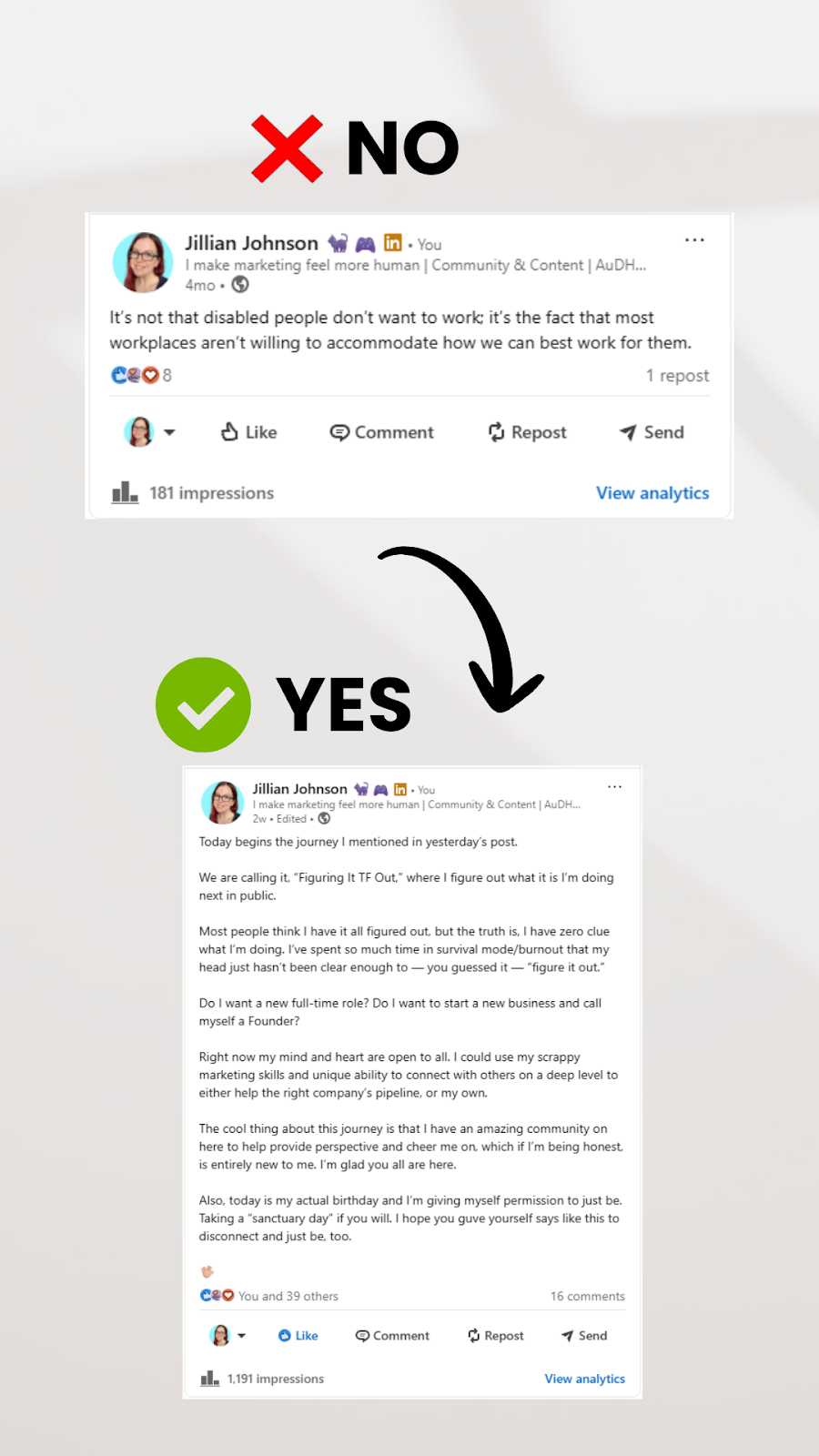
Starting from scratch for every piece of content can be immensely overwhelming. The solution lay in the strategic development of templates. For gaming videos, a CapCut template provided a ready-made structure. For LinkedIn, a consistent framework – "Hook, Story, Lesson, CTA" – became the default starting point. This framework guides the content creation process: a hook to grab attention, a personal story to connect, a valuable lesson to impart, and a clear call to action. By filling in a pre-existing structure, the cognitive burden of initiating a new project from a blank slate is dramatically reduced. This strategy is particularly effective for individuals with executive function challenges, as it automates part of the decision-making process and streamlines the creative flow. Starting with one template for the most frequent content type and expanding gradually allows for organic system growth.
6. Automate, Automate, Automate: Counteracting Forgetfulness
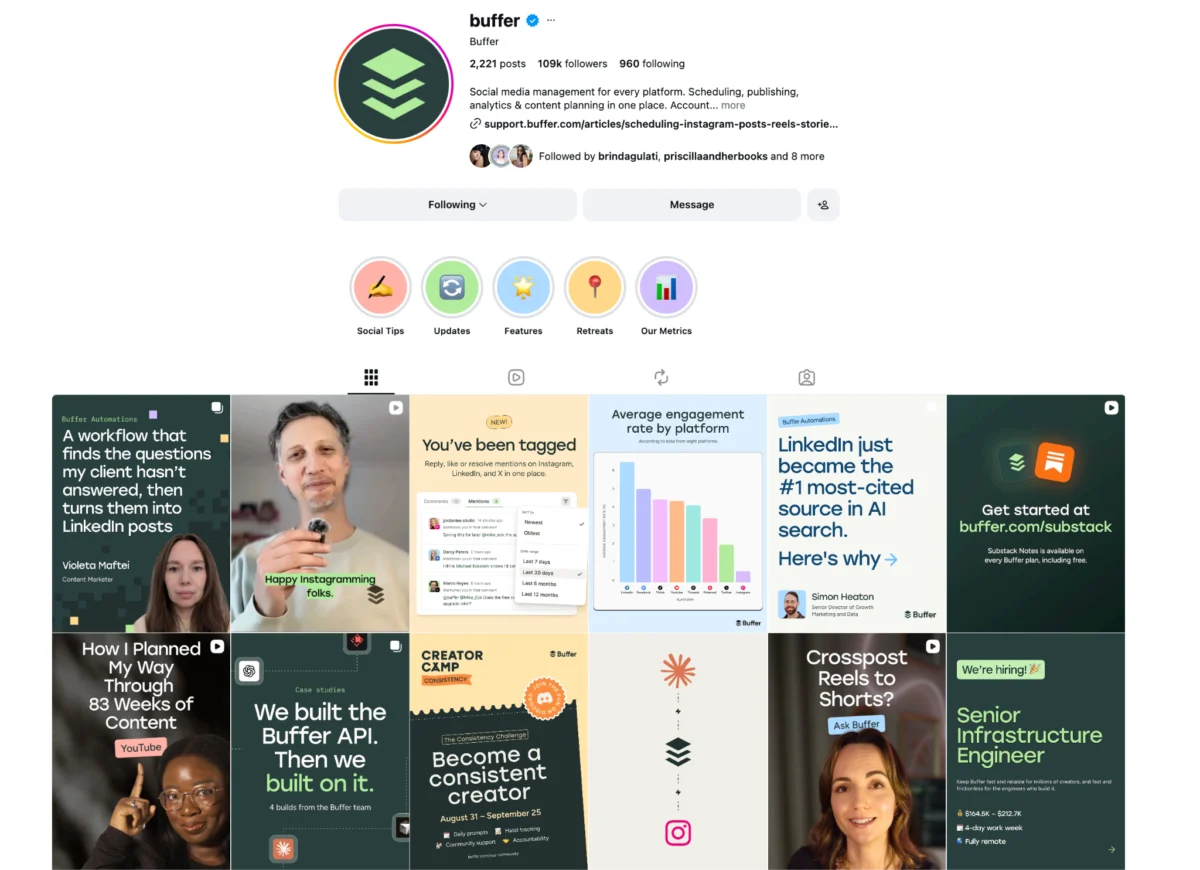
Forgetfulness, a common symptom of ADHD, poses a significant threat to consistency. The individual candidly describes experiencing this "on repeat, all day long," leading to content going unposted for days or weeks. The solution was the complete removal of reliance on memory through automation. Tools like Buffer are utilized to schedule content immediately after batch creation sessions, ensuring that posting occurs irrespective of the creator’s daily cognitive state. This "set it and forget it" approach is a lifeline for individuals whose brains might otherwise "fight them on it" when it comes to routine tasks. Automation frees up mental bandwidth, allowing focus to remain on creative output rather than administrative follow-through.
7. Forgiveness and Resilience: The System for Falling Off Track
A critical component of this neurodivergent-friendly system is its inherent forgiveness. Recognizing that "missing posts sometimes" is an inevitable part of being neurodivergent, the system is designed to facilitate easy re-entry. When a week is missed, there’s no attempt to "catch up" or post twice as much. Instead, the creator simply picks up where they left off: "One post, one platform, one day." This non-punitive approach prevents the common spiral of guilt and overwhelm that can lead to complete abandonment. It reinforces the idea that consistency is about returning to the system, not about flawless adherence. This resilience-focused design acknowledges the fluctuating nature of neurodivergent energy and focus, ensuring the system remains a supportive tool rather than another source of pressure.
Expert Perspectives and Broader Implications
Neurodiversity advocates and psychologists specializing in ADHD and autism consistently emphasize the importance of personalized strategies, flexible work environments, and clear, structured communication. Dr. Russell Barkley, a leading expert on ADHD, has long highlighted the need for externalized cues and structures to support executive functions. Similarly, research into autism-friendly workplaces underscores the benefits of predictable routines, reduced sensory overload, and clear expectations. The system described here aligns remarkably with these expert recommendations by externalizing planning, automating tasks, and providing predictable frameworks.
The success of this personalized system carries significant implications, not only for neurodivergent individuals but for the broader creator economy and workplace design. Firstly, it demonstrates that conventional "best practices" are not universally applicable and that true inclusivity requires diverse approaches to productivity. Secondly, it offers a tangible blueprint for neurodivergent individuals seeking to leverage the creator economy, an arena that offers significant autonomy but often lacks tailored support. By demystifying the process of sustained content creation, it empowers a demographic often underrepresented in entrepreneurial and digital spaces.
Furthermore, these principles—lowering the bar, efficient idea capture, batching, flexible calendars, templates, and automation—are beneficial for anyone struggling with consistency, regardless of neurotype. In an increasingly demanding digital landscape, these strategies offer a path to sustainable engagement, preventing burnout and fostering long-term creative output. As the global creator economy continues its exponential growth, projected to exceed $104.2 billion by 2027, according to some analyses, models that prioritize accessibility and individual cognitive needs will become increasingly vital. This innovative approach champions a more inclusive and sustainable future for digital entrepreneurship, demonstrating that success is not found in rigid adherence to norms, but in the intelligent adaptation to individual strengths and challenges.