
 Ali Ikhwan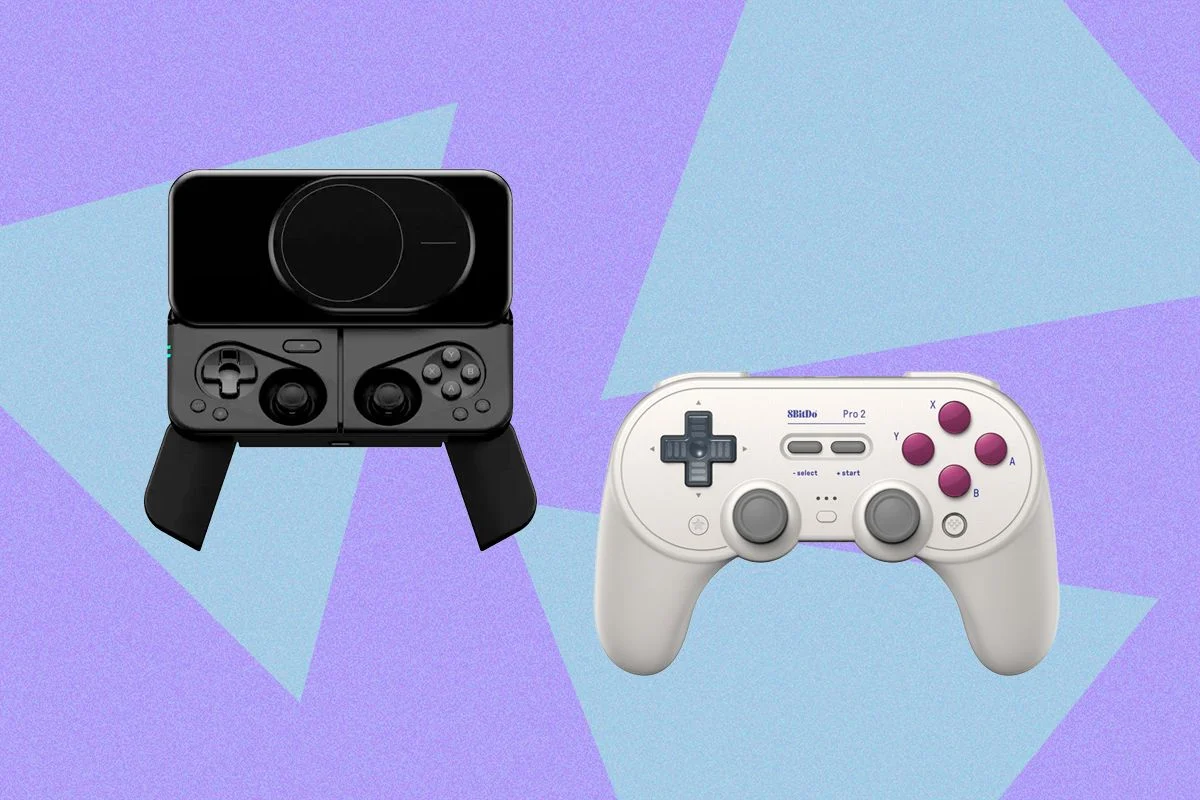
The global mobile gaming landscape has undergone a radical transformation over the last five years, evolving from a market dominated by casual "match-three" puzzles to a platform capable of hosting AAA console-quality titles. As smartphones like the iPhone 16 Pro and the latest Android flagships integrate high-performance processors, the demand for sophisticated hardware interfaces has surged. Touchscreen controls, while functional for simple interactions, often prove inadequate for the precision required in modern titles such as Call of Duty: Mobile, Genshin Impact, or cloud-streamed versions of Cyberpunk 2077. This shift has birthed a competitive ecosystem of mobile gaming controllers designed to bridge the gap between pocket-sized devices and dedicated handheld consoles.
The Evolution of Mobile Gaming Hardware
The chronology of mobile gaming controllers can be traced back to early Bluetooth clips that awkwardly tethered phones to standard console controllers. However, the market reached a pivotal turning point around 2020 with the introduction of the "cradle" or "wrap-around" style controller. This design, pioneered by companies like Backbone and Razer, effectively turns a smartphone into a unified handheld unit, reminiscent of the Nintendo Switch.

The industry saw a major logistical shift in 2023 following Apple’s transition from the proprietary Lightning connector to the universal USB-C standard with the iPhone 15 series. This move forced accessory manufacturers to streamline their production lines, resulting in a new generation of controllers that offer cross-platform compatibility between iOS and Android. Today, the market is defined by three primary categories: direct-connection cradle controllers, magnetic portable units, and traditional Bluetooth gamepads.
Backbone and the Software-Integrated Ecosystem
Backbone has established itself as the industry leader by focusing not just on hardware ergonomics, but on a comprehensive software layer. The Backbone One remains the benchmark for the "everyday" gamer. Utilizing a direct physical connection via USB-C or Lightning, it eliminates the input lag typically associated with wireless Bluetooth connections.
Supporting data suggests that low-latency input is a primary driver for consumer satisfaction in mobile gaming. The Backbone One features responsive, "clicky" buttons and triggers that provide tactile feedback comparable to high-end console controllers. Furthermore, the Backbone+ software membership, priced at approximately $40 per year, provides a unified hub for game discovery, screen recording at 1080p/60fps, and social features such as party chat. While the subscription is optional, it represents a significant move toward treating mobile gaming as a distinct, professionalized platform.

For enthusiasts seeking a more robust experience, the Backbone Pro offers a "chunkier" grip and larger joysticks. This model incorporates Bluetooth connectivity, allowing it to function as a wireless controller for tablets, PCs, and smart TVs, thereby expanding its utility beyond the smartphone.
The Rise of Hall-Effect Technology and Durability Standards
One of the most significant technical advancements in the current controller market is the adoption of Hall-effect sensors. Traditional joysticks rely on potentiometers—physical components that rub together to measure movement. Over time, these parts wear down, leading to "stick drift," a common failure where the controller registers movement even when the stick is at rest.
In contrast, Hall-effect joysticks, such as those found in the GameSir G8 Galileo and the Gulikit KK3 Max, utilize magnets to detect input. Because there is no physical contact between moving parts, these controllers are virtually immune to wear and drift. Market analysis indicates that durability is becoming a key selling point for gamers who are weary of replacing hardware every 12 to 18 months.

The GameSir G8 Galileo, in particular, has been praised for its console-grade ergonomics. It features full-size sticks and a swiveling USB-C connector that simplifies the process of docking various phone sizes. While it lacks the integrated software polish of Backbone, its hardware specifications—including programmable back paddles and a 3.5mm audio jack—position it as a favorite for competitive players.
Specialized Solutions: From Tablets to Smart Glasses
As the hardware continues to diversify, manufacturers are targeting niche use cases that traditional designs often overlook. The Razer Kishi Ultra represents the upper echelon of the cradle category, designed to accommodate not only the largest smartphones but also small tablets like the iPad Mini. By offering a larger frame, Razer addresses the ergonomic "cramp" often associated with smaller controllers during extended play sessions. The Kishi Ultra also incorporates Razer’s Chroma RGB lighting and microswitch buttons, emphasizing a "premium" aesthetic that aligns with the brand’s PC gaming heritage.
Innovation has also moved toward extreme portability. The ohsnap! Mcon utilizes MagSafe technology to attach directly to the back of a phone. Its design allows the controller to be "ejected" from a magnetic base, revealing a compact interface. While it may not offer the ergonomic depth of a full-size controller, its pocketable form factor makes it a viable choice for commuters and frequent travelers.

Furthermore, the integration of mobile gaming with augmented reality (AR) has led to partnerships like the Viture x 8BitDo collaboration. This controller is specifically engineered for use with smart glasses, featuring dedicated ports that allow the glasses to be powered and fed a video signal directly through the controller’s interface. This suggests a future where mobile gaming is not tethered to a physical screen but is instead part of a wearable, immersive ecosystem.
Traditional Designs and Cross-Platform Utility
Despite the popularity of cradle-style controllers, a significant segment of the market prefers the "traditional" gamepad experience. 8BitDo has capitalized on this by blending retro aesthetics with modern performance. The 8BitDo Pro 2 is frequently cited as the best traditional mobile controller due to its versatility. It can pair with up to four different devices, including the Nintendo Switch, PC, and mobile phones, via Bluetooth.
The inclusion of a removable, rechargeable battery pack—which can be swapped for standard AA batteries—provides a level of longevity that integrated units cannot match. For gamers who use a "mobile clip" to mount their phone above a standard controller, the Pro 2 offers a familiar ergonomic profile without sacrificing the advanced features of mobile-specific hardware.

Market Implications and the Future of the Handheld Experience
The proliferation of high-quality mobile controllers has profound implications for the broader gaming industry. As these accessories become more capable, the smartphone is increasingly viewed as a legitimate competitor to dedicated handhelds like the Steam Deck or the ASUS ROG Ally.
Data from cloud gaming providers such as Nvidia GeForce Now and Xbox Cloud Gaming shows a steady increase in mobile-based sessions. This trend is bolstered by the fact that many of these controllers now include "pass-through" charging, allowing users to power their phones while playing, effectively removing the battery-life barrier that once hindered mobile gaming.
Official responses from hardware manufacturers indicate a commitment to this trajectory. Companies are increasingly focusing on "universal" designs that can survive multiple smartphone upgrade cycles, reducing electronic waste and providing better long-term value to consumers.

Summary of Technical Standards and Consumer Advice
For consumers navigating this crowded market, the choice of a controller often depends on three factors: connectivity, ergonomics, and durability.
- Connectivity: Physical connections (USB-C) are superior for competitive gaming due to zero latency, while Bluetooth offers better multi-device flexibility.
- Ergonomics: Cradle-style controllers provide the most "console-like" feel for smartphones, but those with larger hands may prefer the bulk of the Razer Kishi Ultra or the GameSir G8.
- Durability: Potential buyers should prioritize Hall-effect sensors if they intend to use the controller heavily, as this technology significantly extends the lifespan of the device.
As mobile operating systems continue to improve their native controller support—with Apple and Google both offering deep integration for button remapping and profile management—the barrier to entry has never been lower. Whether through the software-rich environment of Backbone or the hardware-focused precision of GameSir, the mobile gaming controller has evolved from a luxury accessory into an essential tool for the modern gamer. The transition of the smartphone into a primary gaming platform is no longer a future prediction; it is a current reality supported by a robust and innovative hardware market.







