
 Indra Kusuma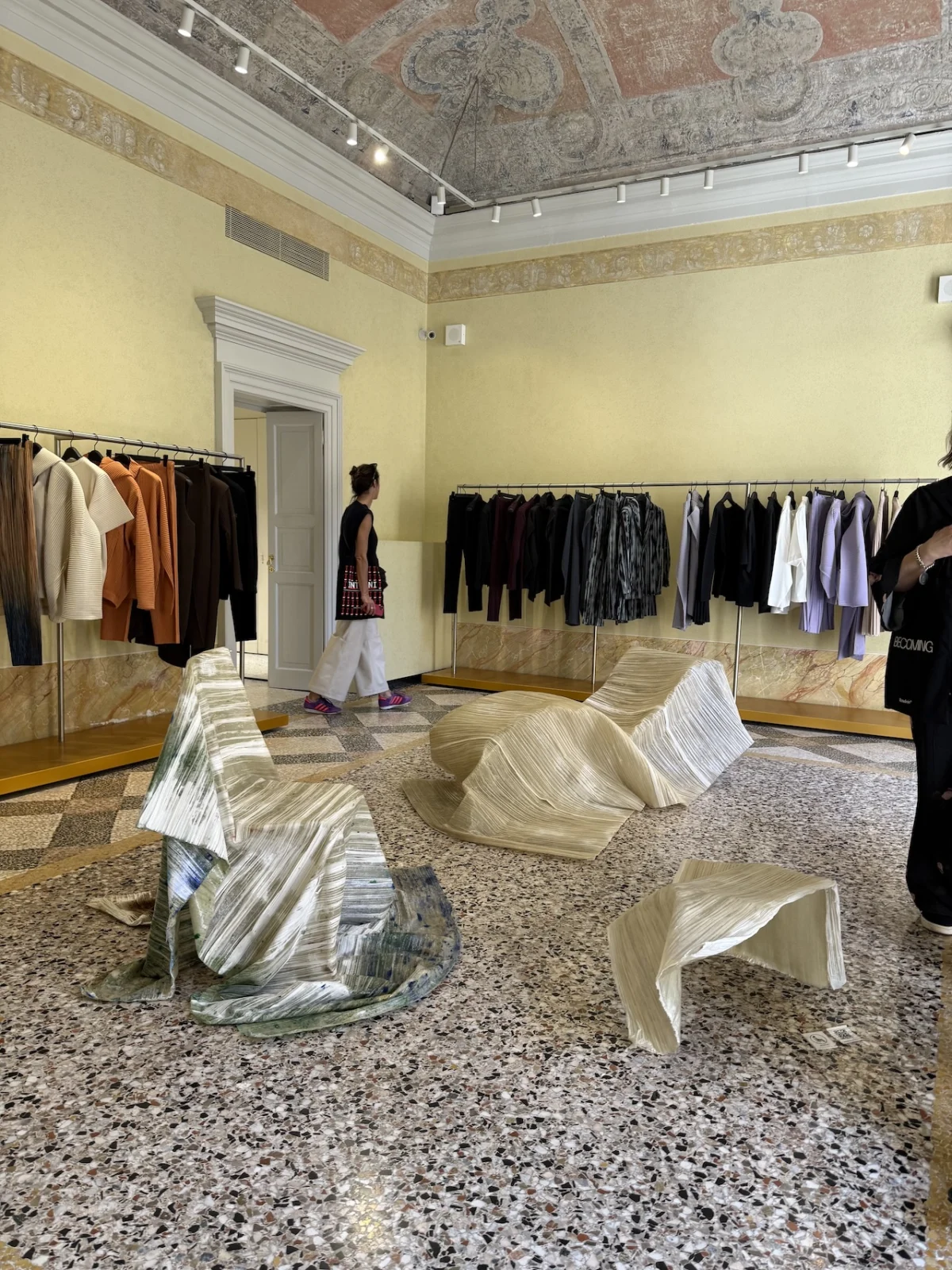
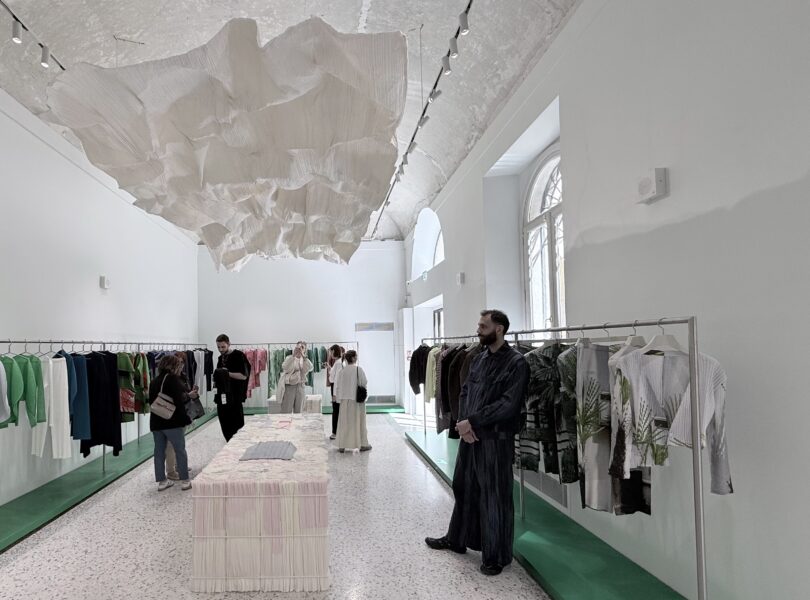
One of the most compelling and widely discussed installations during this year’s Milan Design Week was The Paper Log: Shell and Core, a groundbreaking project that captivated audiences at Issey Miyake’s via Bagutta boutique. Spearheaded by Satoshi Kondo of Miyake Design Studio in a significant collaboration with the acclaimed Spanish architecture office Ensamble Studio, the exhibition transformed the retail space into a profound exploration of material potential, presenting furnishings crafted from compressed paper that artfully mimicked the gravitas of marble and the lightness of other refined materials. This innovative presentation not only showcased the aesthetic versatility of an often-overlooked industrial byproduct but also deeply resonated with the overarching themes of sustainability and material reinvention prevalent across the design week.
The Genesis of a Material: From Byproduct to Inspiration
The core concept behind The Paper Log is deeply rooted in the distinctive heritage of Issey Miyake’s iconic pleated couture. The brand’s revolutionary pleating process, which yields its signature origami-like garments, relies on a unique protective element: a compressed roll of wafer-thin paper sheets. These "paper logs" serve a dual purpose, safeguarding the fabric as it is meticulously fed through the pleating machine and subsequently facilitating the safe and efficient transport of the finished pleated pieces.
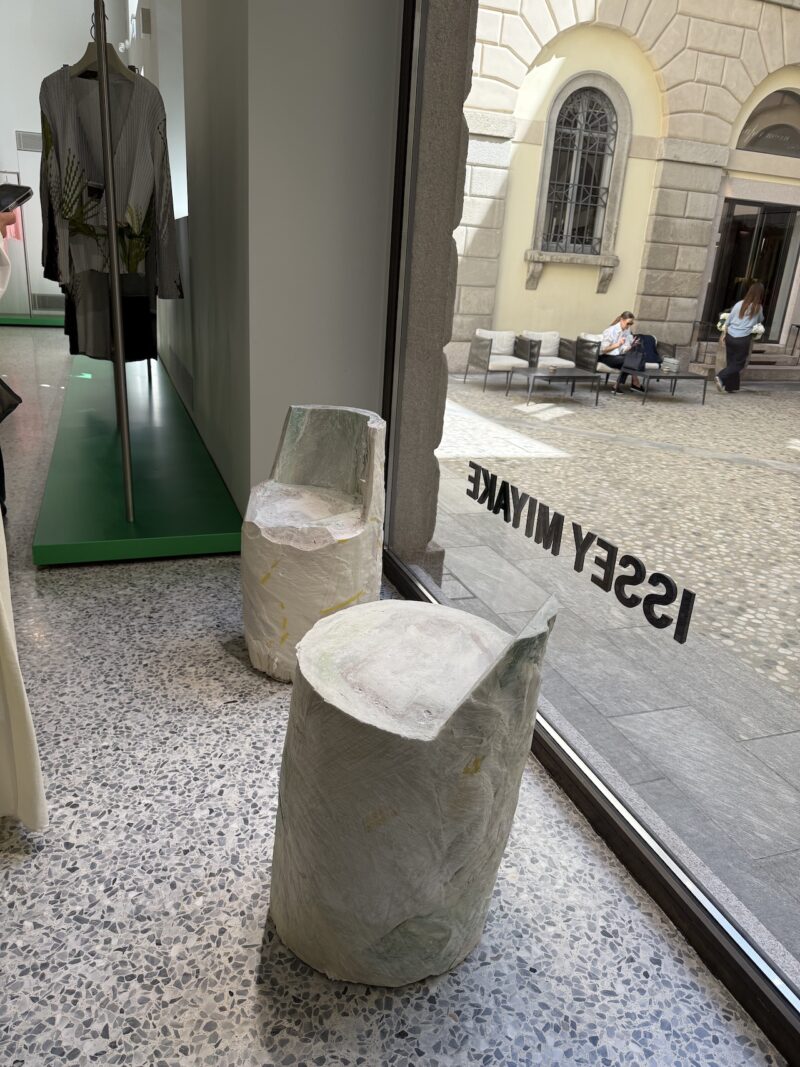
According to the brand’s own explanation, the name "Paper Log" draws a direct parallel to the structural appearance of a tree trunk, with its concentric circular marbling evoking the natural growth rings. This visual metaphor is rich with meaning, suggesting a profound connection to the passing of time—a temporal quality inherent both in the life cycle of a plant and in the intricate, time-intensive pleating process itself. This backstory provides crucial context for understanding the philosophical depth of the installation, elevating a mere manufacturing tool to a symbol of natural progression and artistic transformation.
The conceptual journey of the "paper log" began even before its Milan debut. Satoshi Kondo, known for his experimental approach within Miyake Design Studio, had previously explored the adaptable nature of this byproduct. For the ISSEY MIYAKE Spring Summer 2025 show in Paris, Kondo ingeniously repurposed the paper logs, cutting them crosswise to create unique seating arrangements and other sculptural elements that enhanced the runway experience. This earlier experimentation laid the groundwork for the more ambitious and comprehensive exploration seen in Milan, where the material’s creative possibilities were pushed to new, luxurious interpretations, bridging the gap between the ephemeral and the concrete, the delicate and the robust.
Milan Design Week: A Global Platform for Innovation
Milan Design Week, an annual convergence of the Salone del Mobile (the world’s largest furniture fair) and the sprawling Fuorisalone events across the city, stands as the paramount global stage for design innovation. Attracting hundreds of thousands of visitors, including designers, architects, industry professionals, and enthusiasts from around the globe, the week-long event serves as a crucial barometer for emerging trends, material science breakthroughs, and philosophical shifts within the design world. In 2024, the event continued its tradition of showcasing avant-garde concepts, with a notable emphasis on sustainability, circular design, and the recontextualization of materials.
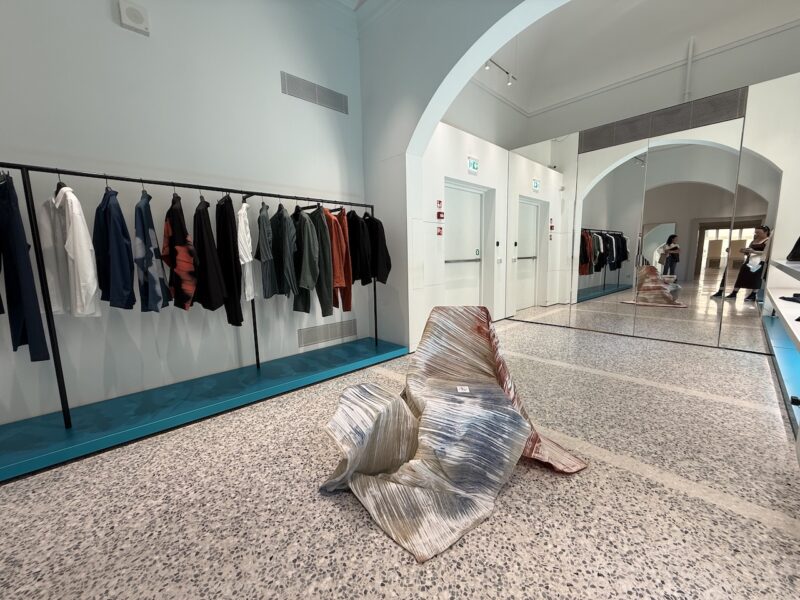
The choice of Issey Miyake’s via Bagutta boutique as the venue for The Paper Log: Shell and Core was strategic, placing the installation within the vibrant heart of Milan’s luxury retail and design district. This location ensured maximum visibility and interaction, allowing a broad audience to engage with the intricate details and profound message of the project. The immersive nature of the exhibition, integrating the innovative furnishings directly into the retail environment, created a seamless dialogue between fashion, architecture, and interior design, characteristic of the holistic approach often celebrated at Milan Design Week.
A Collaborative Vision: Miyake Design Studio Meets Ensamble Studio
The success and impact of The Paper Log: Shell and Core were largely due to the synergistic collaboration between two distinct yet equally innovative creative entities. Satoshi Kondo, as the creative director of Miyake Design Studio, embodies the brand’s legacy of pioneering material exploration, sculptural forms, and a deep respect for process. His vision for the project extended the brand’s textile-centric philosophy into the realm of three-dimensional design and architecture.
Joining forces with Kondo was Ensamble Studio, a Spanish architecture firm renowned for its radical and experimental approach to construction and material use. Led by Antón García-Abril and Débora Mesa, Ensamble Studio has gained international acclaim for projects that push the boundaries of conventional building techniques, often employing unconventional materials like massive stone blocks and robust concrete in ways that defy expectation. Their involvement in The Paper Log brought a distinct architectural sensibility to the project, challenging them to apply their expertise in structural integrity and form-making to a material as seemingly fragile as paper.
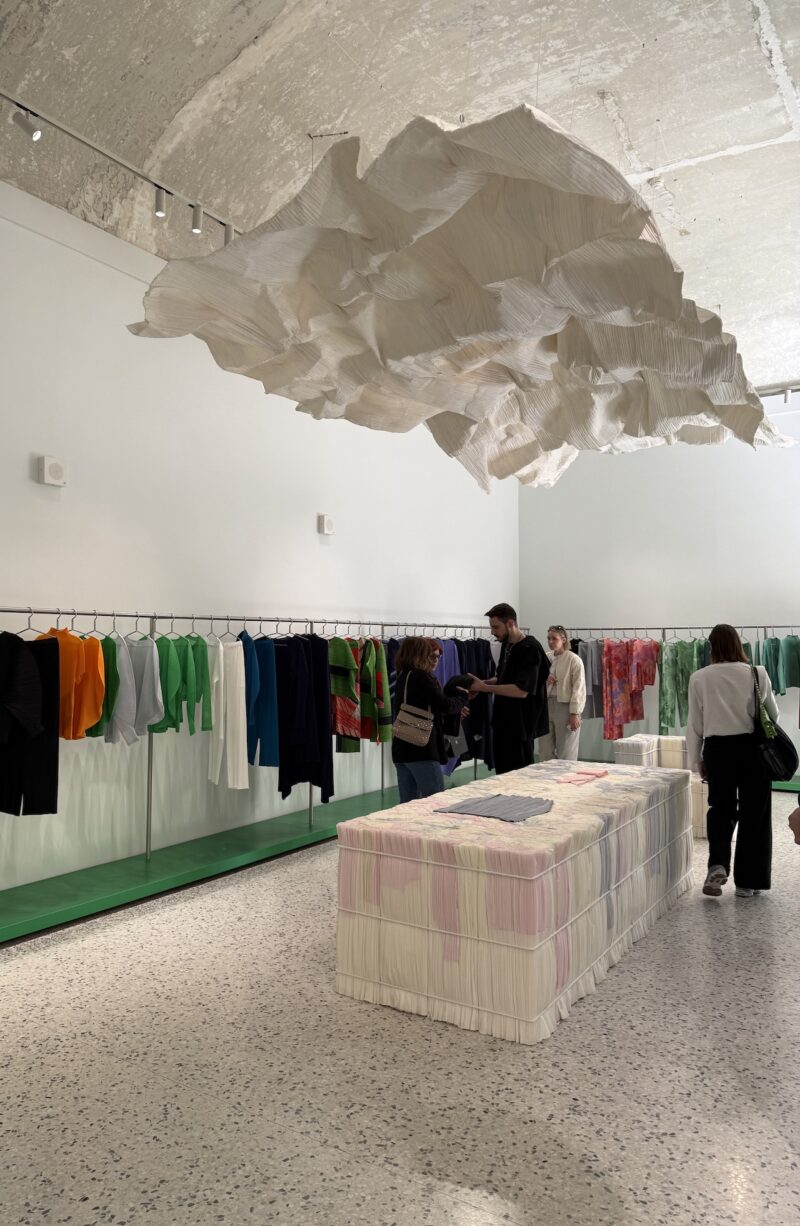
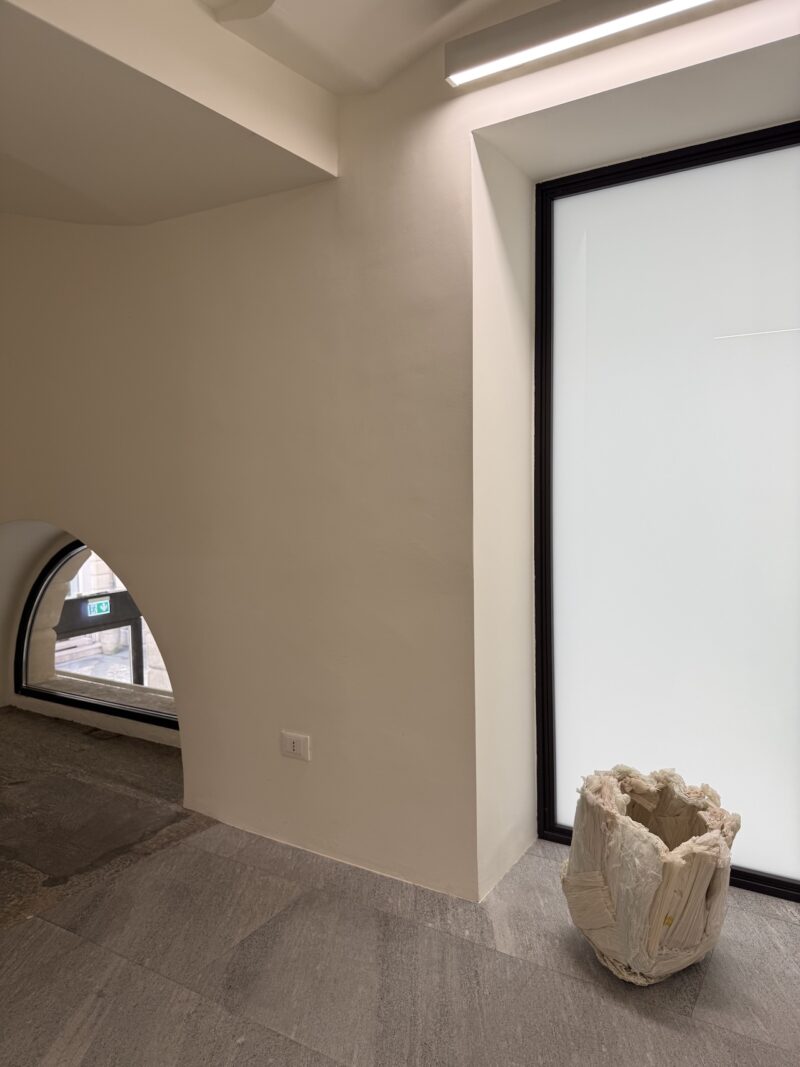
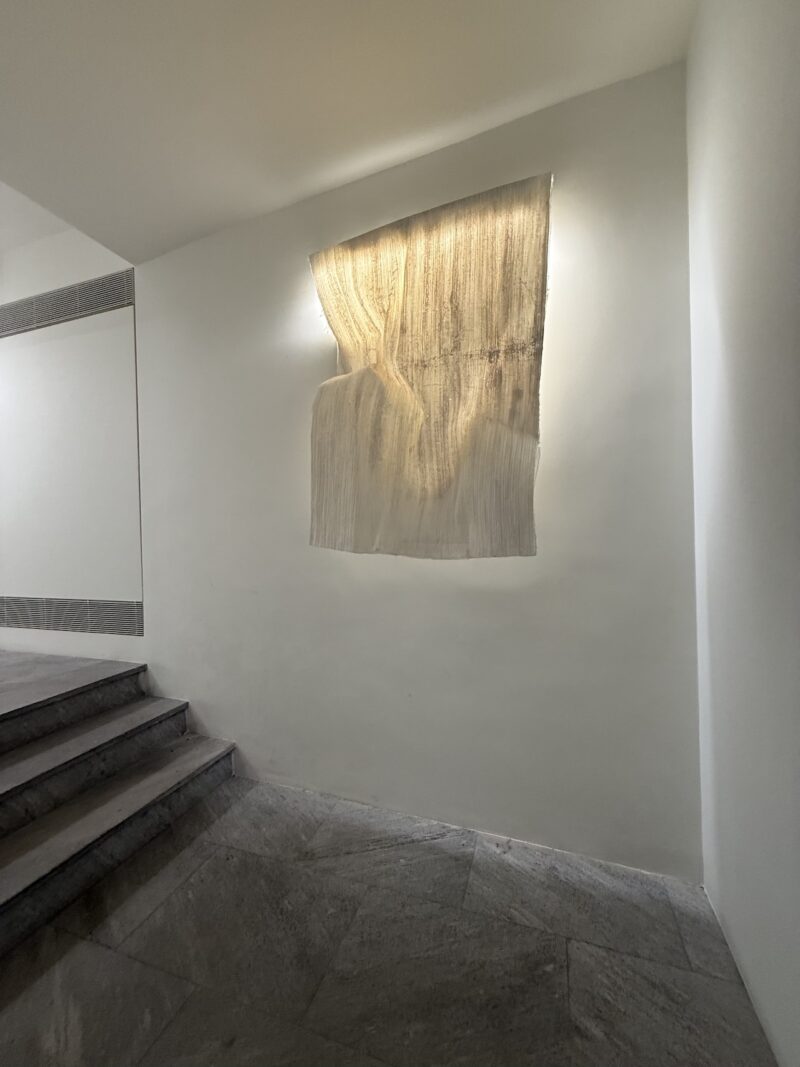
The exhibition showcased the distinct contributions of both collaborators, demonstrating a harmonious interplay of their respective strengths. Ensamble Studio, leveraging their architectural prowess, crafted ethereal pieces that blurred the lines between clothing and sculpture. These remarkable objects were created by meticulously peeling sheets from the "Paper Log" and then treating them with specialized hardening agents. This process allowed them to impart structural rigidity and a sense of permanence to the delicate paper, resulting in forms that were both lightweight and visually impactful, embodying a tension between their inherent fragility and their newfound strength.
Concurrently, the in-house team at Miyake Design Studio devised a series of furniture prototypes that highlighted the paper log’s potential for functional design. Among these were a striking display table, designed to resemble a solid block of marble, its surface inviting tactile exploration. This was complemented by an armchair, evoking the minimalist and functional elegance of a Corbusier design, yet entirely fashioned from compressed paper. Additionally, long, log-like benches were strategically placed throughout the showroom, their "knotty ends" subtly revealed, a visual nod to the paper log’s former, tree-like state. These "marvels," as described by observers, were achieved through various ingenious techniques, including soaking the paper in wax for added resilience, painting it with glue to enhance structural cohesion, or tying it into dense bundles to create robust, sculptural forms. This dual approach underscored the versatility of the material, proving its adaptability for both abstract artistic expression and practical, durable furniture design.
The Paradox of Materiality: Paper as Stone
At the heart of The Paper Log: Shell and Core lies a fascinating paradox: the transformation of delicate, compressed paper into objects that convincingly emulate the weight, texture, and visual gravitas of materials like marble and solid wood. This material alchemy is a testament to the innovative spirit driving both Issey Miyake and Ensamble Studio. By manipulating the paper logs—a byproduct initially designed for protection and transport—through processes of compression, layering, waxing, gluing, and hardening, the collaborators unlocked an entirely new material language.
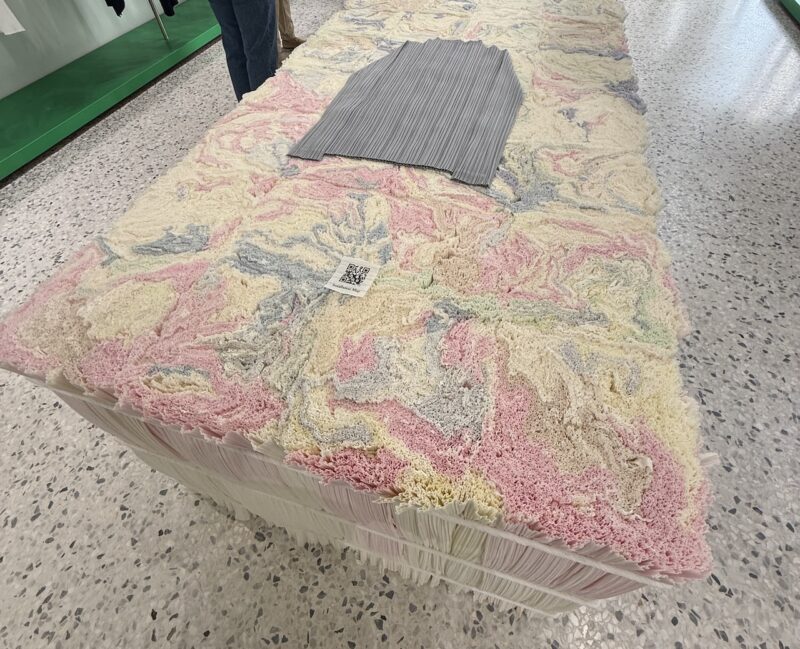
The visual effect of the compressed paper, particularly when treated to mimic marble, is striking. The natural layering of paper sheets, when tightly bound and manipulated, creates organic patterns reminiscent of geological strata or the intricate veins found in natural stone. This not only challenges the viewer’s perception of the material but also encourages a deeper appreciation for the inherent beauty and structural potential within humble, everyday resources. The "shell and core" concept further emphasizes this exploration, inviting observers to consider both the superficial appearance (the "shell" of marble-like texture) and the fundamental substance (the "core" of paper fibers) that constitute these unique creations. This duality speaks to a broader philosophical inquiry into authenticity, perception, and the transformative power of design.
Sustainability and Circularity: A Blueprint for the Future
In an era increasingly defined by environmental consciousness, The Paper Log: Shell and Core serves as a powerful exemplar of sustainable design principles. The global design and fashion industries are under immense pressure to reduce their environmental footprint, with growing recognition of the impact of material extraction, production, and waste. According to reports from institutions like the Ellen MacArthur Foundation, the fashion industry alone is responsible for a significant portion of global waste and greenhouse gas emissions, making the pursuit of circular economy models—where materials are kept in use for as long as possible—more critical than ever.
This installation directly addresses these concerns by elevating a manufacturing byproduct from mere waste to a valuable design material. By repurposing the paper rolls from the pleating process, Issey Miyake and Ensamble Studio demonstrate a tangible commitment to circularity. This approach not only minimizes waste but also reduces the demand for virgin resources, aligning with the broader industry shift towards more responsible consumption and production. The project highlights that innovation in sustainability doesn’t necessarily require entirely new, synthetic materials, but can also be found in creatively re-evaluating and transforming existing ones.
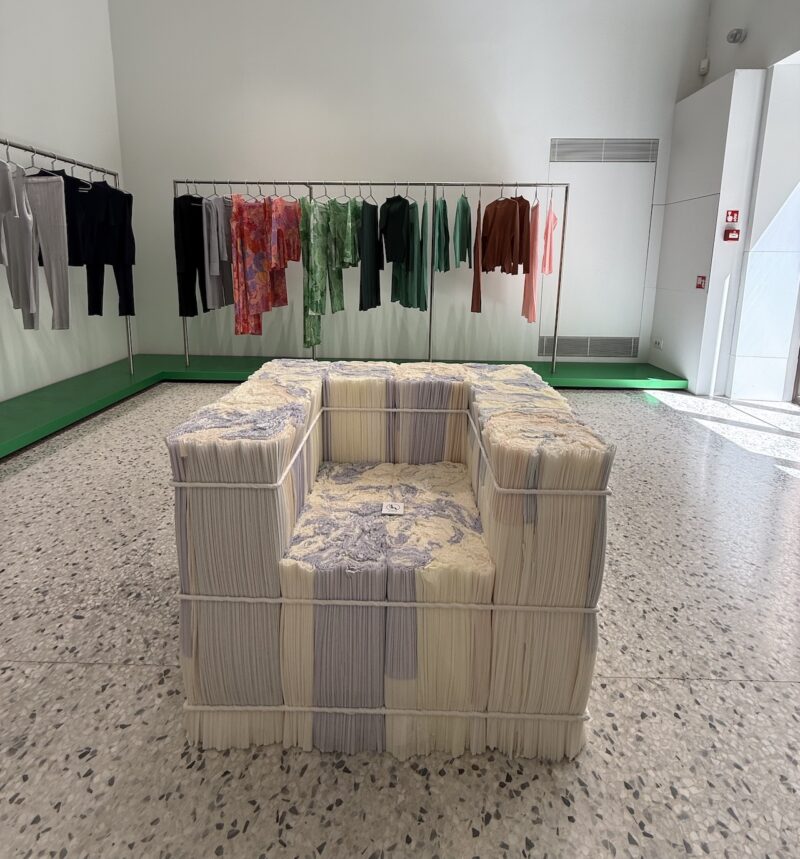
The implication of such projects extends beyond artistic installations. They offer a tangible blueprint for how other industries might re-examine their own waste streams and byproducts, uncovering hidden potential for new materials, products, and even architectural components. The exploration of paper as a robust, aesthetically pleasing material for furniture and sculpture opens doors for scalable applications in interior design, retail fit-outs, and even temporary architectural structures, all while promoting environmental stewardship.
Official Commentary and Brand Philosophy
While direct quotes are not provided, the essence of the project aligns perfectly with the established philosophies of both collaborating entities. One can infer the statements that resonate with their known creative directions:
From Issey Miyake and Satoshi Kondo, the project likely represents: "This project underscores Issey Miyake’s enduring commitment to innovation, pushing the boundaries of material expression and challenging preconceived notions of value. By transforming a humble byproduct into objects of beauty and utility, we aim to highlight the hidden potential in everyday materials and the profound poetry embedded within the production process itself. Our continuous exploration, as exemplified by The Paper Log, seeks to redefine how we perceive and interact with design, fostering a deeper connection between process, material, and form."
From Ensamble Studio, the collaboration probably signifies: "Working with the ‘Paper Log’ presented a fascinating and enriching challenge for Ensamble Studio. It allowed us to apply our architectural sensibilities—our understanding of structure, form, and material integrity—to a medium traditionally associated with fragility. Through this collaboration with Miyake Design Studio, we discovered new dimensions of paper’s inherent strength and sculptural potential, bridging the worlds of fashion and architecture with a shared reverence for material innovation and artistic transformation."
These inferred statements reflect the shared ethos of pushing creative boundaries, respecting materials, and engaging in cross-disciplinary dialogue that characterized The Paper Log: Shell and Core.
Broader Impact and Future Implications
The Paper Log: Shell and Core stands as more than just an exhibition; it is a significant contribution to the ongoing discourse on design, sustainability, and the future of materials. Its implications are far-reaching:
Firstly, it reinforces the growing trend of cross-disciplinary collaboration, demonstrating the rich creative synergy that can emerge when fashion designers and architects unite. This collaboration breaks down traditional silos, fostering new perspectives and innovative solutions that might not arise within a single discipline.
Secondly, the project provides a powerful case study for material re-evaluation. By elevating a simple paper byproduct to a material capable of mimicking luxury finishes and achieving structural integrity, it encourages designers, manufacturers, and consumers to look at "waste" with fresh eyes, recognizing its inherent value and potential for transformation. This could spur further research and development into upcycling and repurposing industrial byproducts across various sectors.
Thirdly, the installation contributes to the dematerialization of luxury, challenging the notion that luxury must be equated with rare or expensive materials. Instead, it posits that true luxury lies in ingenuity, craftsmanship, and a profound understanding of material properties and processes. The ability to create objects of beauty and perceived value from humble origins is, in itself, a form of elevated design.
Finally, the project serves as an inspirational beacon for design education and future generations of creatives. It illustrates that innovative design often emerges from constraints and a willingness to experiment. By showcasing how a seemingly ordinary material can be imbued with extraordinary qualities through thoughtful design and advanced techniques, The Paper Log encourages a more adventurous and sustainable approach to creative practice.
In conclusion, The Paper Log: Shell and Core at Milan Design Week was a masterful display of material innovation and collaborative spirit. It not only celebrated Issey Miyake’s legacy of process-driven design but also, through its partnership with Ensamble Studio, pushed the boundaries of what compressed paper can achieve. By transforming a humble byproduct into objects of profound beauty and utility, the installation offered a compelling vision for a future where design is not only aesthetically captivating but also deeply conscious of its environmental footprint and its capacity for endless reinvention.







