
 Ali Ikhwan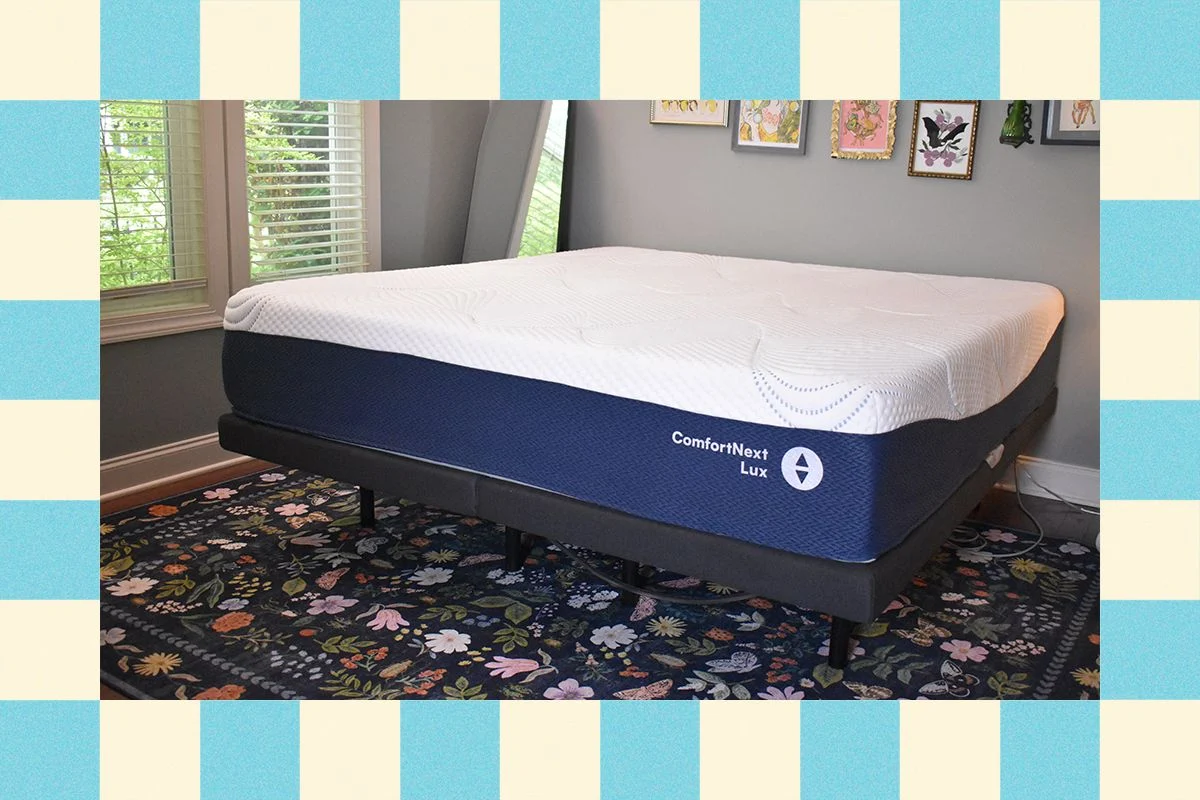
The release of the Sleep Number ComfortNext Lux marks a significant evolution in the smart mattress industry, merging traditional adjustable air-chamber technology with advanced biometric sensors and plush foam layers. As the consumer sleep technology market continues to expand—projected to reach a global valuation of nearly $40 billion by 2030—the ComfortNext Lux positions itself as a premium solution for users seeking a data-driven approach to rest. However, recent performance evaluations indicate that while the mattress excels in pressure relief and motion isolation, its unique construction may present challenges for those requiring high levels of spinal support.
The Mechanism of Customizable Firmness
At the core of the Sleep Number ecosystem is the proprietary "Sleep Number" setting, a numerical value ranging from 1 to 100 that represents the firmness of the mattress. This is achieved through internal air chambers that can be inflated or deflated via a smartphone application or remote. In the ComfortNext Lux model, this adjustable foundation is topped with substantial plush foam layers designed to enhance surface comfort.
Analytical testing reveals a notable divergence between the digital settings and the physical sensation of the bed. Even when the mattress is set to its maximum firmness of 100, the integrated foam layers ensure the surface retains a "medium-firm" feel. This design choice prioritizes "sink-in" comfort over the rigid support typically found in traditional coil-based or specialized firm mattresses, such as the Plank Firm Luxe. For users accustomed to the lumbar support provided by high-density hybrids, the ComfortNext Lux represents a shift toward a more "cocooned" sleep experience.
Biometric Integration: The SleepIQ Ecosystem
A primary selling point of the ComfortNext Lux is its integration with the SleepIQ platform. Utilizing sensors embedded within the mattress, the system tracks a variety of physiological metrics without the need for wearable devices. These metrics include:
- Heart Rate Variability (HRV): A key indicator of physical recovery and stress levels.
- Breathing Rate: Monitoring for consistency and potential disruptions.
- Sleep Stages: Categorizing time spent in light, deep, and REM sleep.
- Motion Tracking: Detecting restlessness or environmental disturbances, such as pets entering or exiting the bed.
The resulting "SleepIQ score" provides a daily summary of sleep quality. Comparative analysis with consumer wearables, such as the Apple Watch SE, shows that while the mattress sensors are highly sensitive to movement, they occasionally report lower overall sleep scores than wrist-based trackers. This discrepancy is often attributed to the mattress’s ability to detect full-body micro-movements and the impact of bed partners or pets, providing a more holistic—if sometimes more critical—view of the sleep environment.
Chronology of Testing and Adaptive Recommendations
The implementation of artificial intelligence within the SleepIQ app allows the mattress to offer proactive adjustments based on historical data. During a standard two-week testing period, the system’s adaptive algorithms demonstrated the ability to suggest firmness changes to optimize sleep outcomes.
Initially, testers favoring lumbar support often select settings in the 40 to 70 range. However, the SleepIQ system may recommend a significant reduction in firmness—lowering the Sleep Number to 35, for instance—if the data suggests that a softer surface would facilitate deeper sleep stages or better pressure distribution. This transition period is critical; reports indicate that while the body may take several days to acclimate to a new mattress, the ComfortNext Lux can produce high-80s to 90s sleep scores within the first week for those whose sleep profiles align with the bed’s contouring properties.
Ergonomic Suitability and Limitations
The ComfortNext Lux is specifically engineered for side sleepers. The plush foam layers provide the necessary cushioning for pressure points in the shoulders and hips, reducing the likelihood of numbness or joint pain. Furthermore, the foam’s density contributes to superior motion isolation, a vital feature for couples.

Conversely, the mattress faces scrutiny regarding its suitability for specific demographic groups:
- Back Pain Sufferers: Individuals with chronic conditions such as scoliosis or general lower back pain may find the lumbar support insufficient. The lack of a rigid internal structure means the midsection can "dip" over time, potentially leading to spinal misalignment.
- Stomach Sleepers: This position requires a very firm surface to prevent the hips from sinking, which can strain the lower back. The inherently soft nature of the ComfortNext Lux foam makes it less than ideal for full-time stomach sleeping.
- Heavier-Bodied Sleepers: Users requiring significant lift around their midsection may find that the air chambers, even at high pressure, do not provide the same level of counter-pressure as steel coils.
Market Context and Industry Standards
The Sleep Number ComfortNext Lux enters a competitive landscape where "smart" features are becoming standard in the luxury segment. Competitors like Eight Sleep focus on thermoregulation (active cooling and heating), while brands like Tempur-Pedic emphasize material science and pressure relief. Sleep Number’s strategy relies on the "adjustable air" niche, which offers a level of customization that static foam or spring beds cannot match.
However, the industry is seeing a divide between "smart beds" and "smart bases." While Sleep Number integrates its technology into the mattress itself, some manufacturers offer adjustable bases with integrated lumbar support bars that physically project upward to support the spine. Currently, Sleep Number bases do not offer this specific mechanical lumbar enhancement, and the company generally advises against pairing their smart mattresses with third-party adjustable frames, which can limit the consumer’s ability to remediate support issues.
Official Positioning and Consumer Feedback
Sleep Number Corporation has consistently marketed its products as "wellness tools" rather than mere furniture. Company statements emphasize that the goal of the SleepIQ system is to empower users with "actionable insights" to improve their health. By quantifying sleep, Sleep Number aims to integrate into the broader "quantified self" movement, where consumers track everything from caloric intake to daily steps.
Customer feedback highlights a high level of satisfaction regarding the app’s user interface and the ease of changing firmness settings. However, a subset of users has noted that the "softness" of the mattress can make it difficult to change positions during the night, as the body feels more deeply embedded in the foam compared to more responsive, bouncier materials like latex or traditional innersprings.
Broader Impact and Future Implications
The trajectory of the ComfortNext Lux reflects a broader trend in home health technology: the shift from reactive to proactive monitoring. As the sensors in these beds become more refined, there is potential for them to serve as early-warning systems for health conditions such as sleep apnea or cardiac irregularities.
From a journalistic perspective, the ComfortNext Lux represents a paradox of modern consumerism. It offers unparalleled data and customization, yet it may fail to meet the basic ergonomic needs of users with specific physical requirements. For the average side sleeper who values technology and a plush feel, the mattress is a high-performing asset. For those with orthopedic concerns, the technology may not yet be a sufficient substitute for traditional structural support.
As the "smart home" continues to evolve into the "healthy home," the success of products like the ComfortNext Lux will depend on their ability to balance high-tech features with the fundamental biological requirements of human ergonomics. For now, Sleep Number remains a leader in the digital sleep space, even as it navigates the complexities of physical support in a foam-dominant design.







