Muhammad Hendra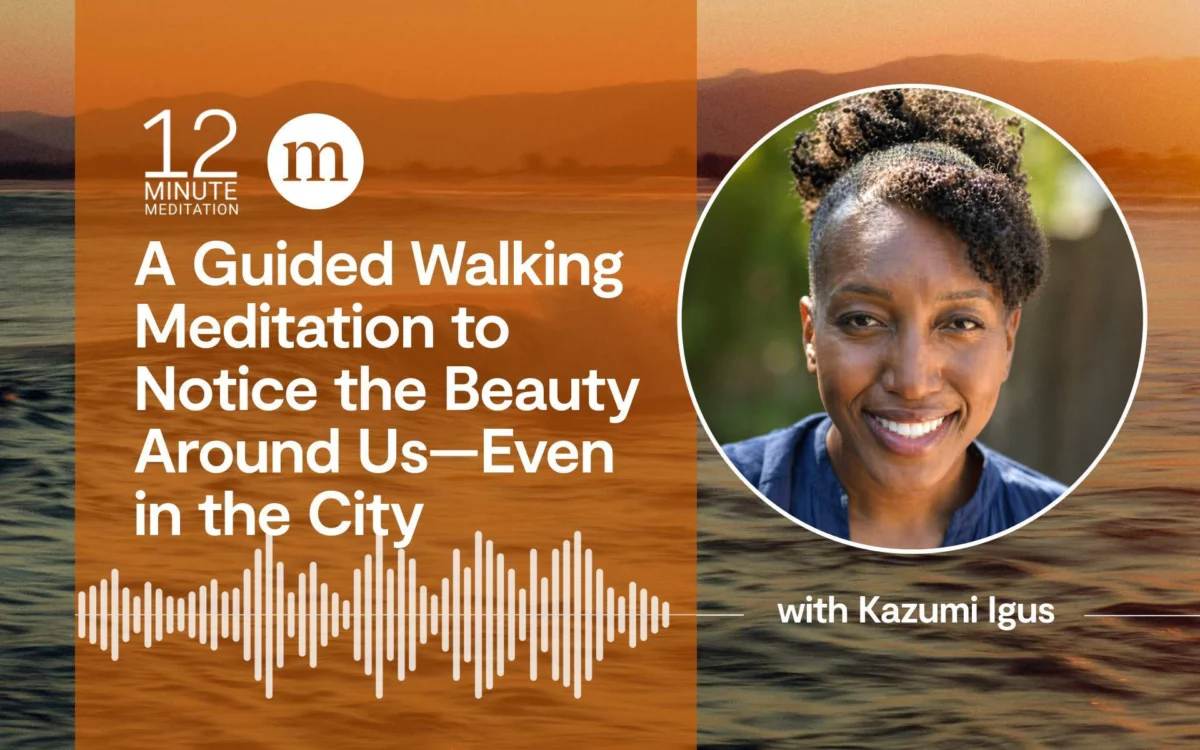
Kazumi Igus, a distinguished meditation facilitator and WholeSchool Mindfulness Director, has introduced a guided walking meditation designed to help individuals slow down and appreciate the often-overlooked natural wonders embedded within bustling urban environments. This initiative addresses a growing societal need for reconnection and mindful presence in an increasingly fast-paced world, particularly within metropolitan areas where constant stimulation can lead to feelings of disconnection from both nature and one’s inner self. The practice encourages participants to engage their senses, recognizing elements of beauty and tranquility that persist even amidst the clamor of city life, such as the call of a bird, the vibrant hues in a shop window, or the expansive canvas of the sky overhead.
The Urban Paradox: Disconnection Amidst Density
Modern urban landscapes, while centers of innovation and activity, frequently present a paradoxical environment where high population density coexists with pervasive feelings of isolation and stress. The relentless rhythm of city life, characterized by incessant noise, tight schedules, and a constant influx of information, can leave residents feeling overwhelmed and detached from their immediate surroundings. Research consistently highlights the adverse mental health impacts associated with urban living. According to a 2017 study published in Nature, individuals living in cities have a 21% increased risk of anxiety disorders and a 39% increased risk of mood disorders compared to those in rural areas. This phenomenon is often attributed to factors such as chronic stress, social fragmentation, and, crucially, a diminished connection to natural elements.
The rapid pace of urbanization globally further exacerbates this issue. The United Nations projects that by 2050, 68% of the world’s population will reside in urban areas, up from 55% today. This demographic shift necessitates a proactive approach to urban well-being, focusing not just on infrastructure and economic development but also on the psychological health of its inhabitants. The lack of readily accessible green spaces and the cultural emphasis on productivity often mean that opportunities for mindful pause and sensory engagement are scarce, leading to what some experts term "nature deficit disorder" even within adults. Igus’s meditation seeks to counteract this by offering a pragmatic tool for re-engagement, demonstrating that nature’s solace is not exclusively found in remote wilderness but can be discovered in the subtlest urban details.
The Evolution of Mindfulness: From Ancient Roots to Modern Application
Mindfulness, at its core, is the practice of paying attention to the present moment without judgment. Its origins can be traced back thousands of years to ancient contemplative traditions. However, its modern scientific validation and widespread adoption in Western societies largely began in the late 20th century, notably through the work of Jon Kabat-Zinn, who developed Mindfulness-Based Stress Reduction (MBSR) at the University of Massachusetts Medical School in the late 1970s. MBSR brought mindfulness into clinical settings, demonstrating its efficacy in reducing stress, managing chronic pain, and improving overall well-being.
Over the past few decades, the mindfulness movement has expanded exponentially, moving from medical clinics into schools, corporations, and community programs. This chronological development underscores a growing recognition of mindfulness as a vital skill for navigating the complexities of contemporary life. As research continued to highlight the neurobiological benefits of mindfulness—including changes in brain regions associated with attention, emotion regulation, and self-awareness—the practice became increasingly mainstream. The adaptation of mindfulness techniques for specific environments, such as the urban setting, represents a natural evolution, acknowledging that the principles of presence and awareness can be applied anywhere, regardless of external conditions. Igus’s guided walking meditation is a direct descendant of this lineage, tailored to address the unique sensory landscape of the city.
Bridging the Divide: Urban Greenery and the Biophilia Hypothesis
The concept of biophilia, first popularized by biologist E.O. Wilson, posits that humans possess an innate tendency to connect with nature and other living systems. This deep-seated connection explains why exposure to natural environments has been consistently linked to reduced stress, improved mood, and enhanced cognitive function. While expansive forests or tranquil lakes may be out of reach for many urban dwellers, a growing body of evidence suggests that even minimal interactions with nature can yield significant benefits. Studies have shown that simply looking at pictures of nature can reduce stress, and the presence of small green spaces—like street trees, community gardens, or even potted plants—can positively impact mental health.
Urban planners and public health advocates increasingly emphasize the importance of incorporating green infrastructure into city design. Parks, waterfront promenades, and tree-lined streets are not merely aesthetic enhancements; they are crucial components of a healthy urban ecosystem that supports human well-being. However, the practical reality for many city residents means that access to substantial green spaces is limited. This is where the ingenuity of practices like Igus’s guided meditation comes to the fore. By training individuals to perceive and appreciate the "micro-nature" and subtle beauty present in their immediate urban surroundings—a patch of sky, a thriving street plant, the intricate pattern of a sidewalk leaf—the meditation effectively democratizes access to nature’s benefits, making them available irrespective of one’s proximity to a formal park. It transforms the urban environment itself into a potential site for mindful discovery, encouraging a shift in perspective rather than a change in location.
Kazumi Igus’s Vision and Practice: Cultivating Resilience and Focus
Kazumi Igus brings a unique blend of scientific understanding and compassionate pedagogical experience to her work. As a Los Angeles native, science teacher, and trained meditation facilitator through UCLA’s Mindful Awareness Research Center (MARC), her background equips her with a profound understanding of both the human mind and the educational landscape. Her role as a WholeSchool Mindfulness Director at one of the few predominantly Black high schools in the Los Angeles Unified School District highlights her commitment to addressing systemic inequities and providing vital emotional support to students in challenging environments.
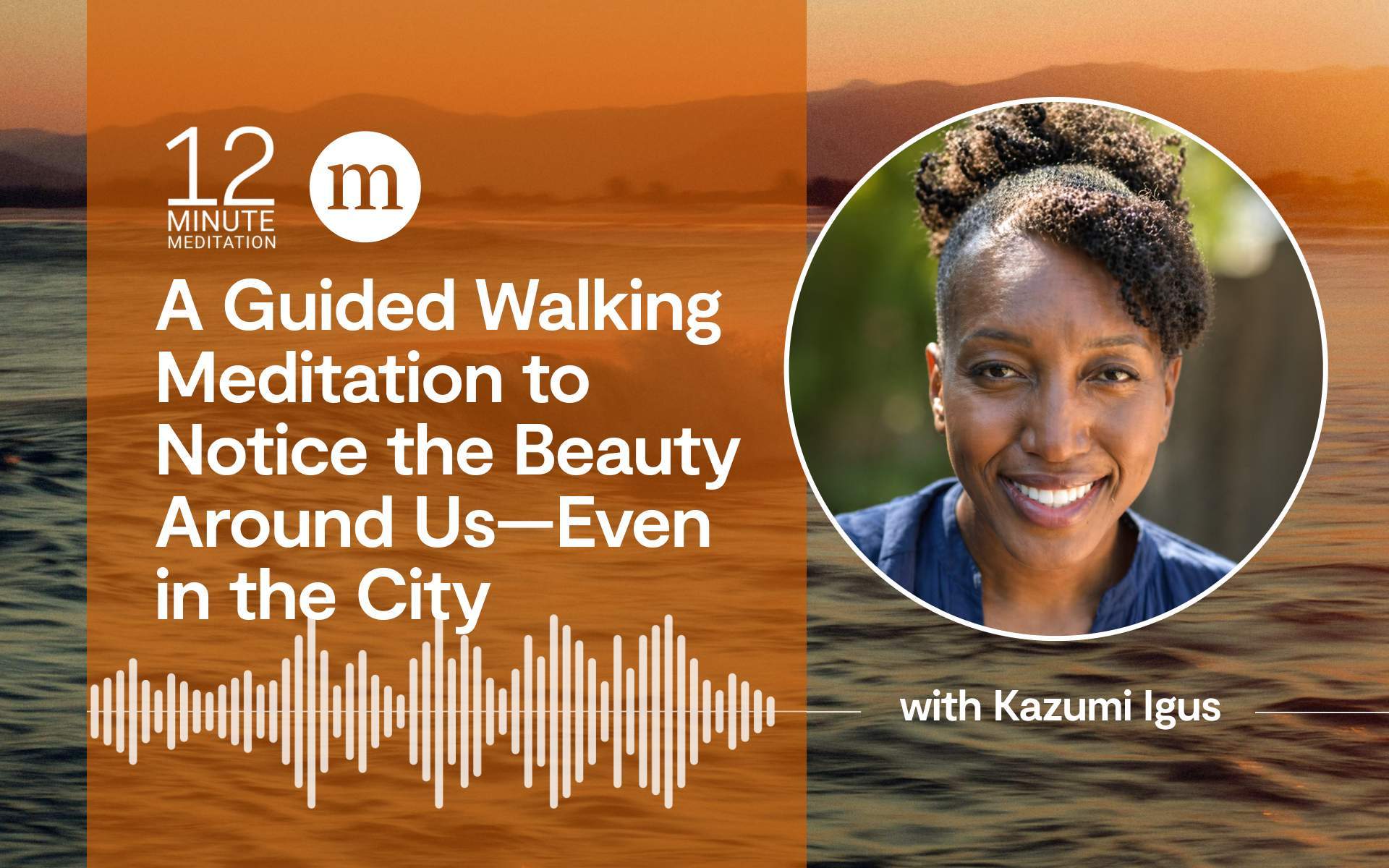
Igus’s mission extends beyond merely teaching meditation; it is about transforming education into a system that is inherently responsive to students’ social and emotional needs. She advocates for practices that explicitly foster focus and empower students to develop emotional resilience in an increasingly challenging world. This mission is directly reflected in her guided walking meditation, which serves as a practical application of these principles for a broader audience. By guiding individuals to "slow our roll" and intentionally "take in the beauty of our surroundings," Igus’s practice is a direct antidote to the sensory overload and emotional detachment prevalent in urban life. It is not about escaping the city, but rather about learning to thrive within it by cultivating a deeper, more appreciative relationship with one’s environment. Her approach underscores the belief that resilience is built not by avoiding challenges, but by developing internal resources to navigate them with greater awareness and calm.
Mindfulness in Education: A Crucial Intervention for Youth
The integration of mindfulness into educational settings, championed by educators like Kazumi Igus, represents a critical intervention for supporting the holistic development of young people. Students in urban environments, particularly those from marginalized communities, often contend with a multitude of stressors including academic pressure, social challenges, economic hardship, and exposure to community violence. These factors can significantly impact their capacity for learning, emotional regulation, and overall well-being.
Programs that teach mindfulness to students have demonstrated a range of positive outcomes. Research published in journals such as Mindfulness and the Journal of Educational Psychology indicates that regular mindfulness practice can improve students’ attention and focus, reduce anxiety and depression, enhance emotional regulation skills, and foster greater empathy. For students developing emotional resilience—a core tenet of Igus’s mission—mindfulness provides practical tools for coping with adversity, managing stress, and cultivating a more positive outlook. By equipping students with these internal resources, Igus and her peers are not just teaching them to meditate; they are empowering them to become more self-aware, adaptable, and emotionally intelligent individuals capable of navigating the complexities of adulthood. This investment in social and emotional learning is increasingly recognized as being as vital as academic instruction for future success and well-being.
The Mechanics of Urban Walking Meditation: Cultivating Presence
A guided walking meditation, especially one tailored for an urban setting, involves a deliberate shift from goal-oriented movement to present-moment awareness. Unlike a typical stroll where the mind is often preoccupied with destinations or future tasks, this practice encourages participants to engage all their senses with their immediate environment. The guidance typically prompts individuals to notice:
- Sounds: Beyond the dominant noise, discerning the subtle layers—a distant bird call, the rustle of leaves, the cadence of footsteps, the hum of electricity.
- Sights: Observing colors, textures, patterns in shop windows, architectural details, the changing light, the unique shapes of clouds against the sky.
- Sensations: Feeling the ground beneath their feet, the air on their skin, the warmth or coolness, the subtle movements of their body.
- Smells: Catching transient scents from a nearby cafe, blooming flowers, or rain on pavement.
The power of this practice lies in its accessibility and adaptability. It does not require a special location or equipment, making it an ideal tool for urban dwellers seeking moments of calm and connection in their daily lives. By pausing after each guided prompt, as suggested by Igus, individuals are given space to truly absorb and integrate the sensory input, transforming an ordinary walk into an extraordinary journey of discovery. This repeated act of intentional noticing gradually trains the mind to become more present and less susceptible to distraction, a skill that extends far beyond the meditation itself into all aspects of life.
Broader Societal Implications: Towards Mindful Urbanism
The embrace of practices like Kazumi Igus’s guided walking meditation holds significant broader societal implications, pointing towards a future of "mindful urbanism." As cities continue to grow, fostering environments that support mental and emotional well-being will become paramount. Initiatives that encourage residents to connect with their surroundings and cultivate inner calm contribute to more resilient, engaged, and empathetic communities.
Experts in urban planning and public health increasingly advocate for integrating mindfulness principles into civic design and community programming. This could manifest as more accessible green spaces, public art installations that invite contemplation, "slow streets" initiatives, or simply widespread awareness campaigns encouraging mindful engagement with the urban fabric. The collective practice of urban mindfulness can lead to a greater appreciation for shared spaces, a reduction in social friction, and a heightened sense of community belonging. Moreover, by nurturing individual well-being, such practices contribute to a more productive and harmonious society overall, reducing the societal burden of stress-related illnesses and fostering a culture of care.
Expert Perspectives and Future Outlook
Leading mindfulness practitioners and urban wellness advocates concur on the increasing relevance of tailored practices for urban living. Dr. Richard J. Davidson, a prominent neuroscientist and founder of the Center for Healthy Minds at the University of Wisconsin-Madison, has long emphasized the plasticity of the brain and its capacity to be trained for greater well-being through practices like mindfulness. His work suggests that even brief, regular engagements can rewire neural pathways, making individuals more resilient to stress. Applying this to the urban context means that consistent engagement with Igus’s meditation, however short, can cumulatively shift an individual’s relationship with their city.
The future outlook for urban mindfulness is optimistic. As awareness of mental health challenges continues to grow, so too does the demand for accessible, practical solutions. Guided meditations, particularly those available in audio format, offer a low-barrier entry point for millions. The work of Kazumi Igus and other dedicated facilitators is crucial in demonstrating that mindfulness is not an esoteric practice confined to quiet retreats, but a powerful tool for enhancing daily life, even in the most vibrant and demanding of urban settings. Her unique blend of educational leadership and mindfulness expertise positions her as a pivotal figure in advancing the well-being of both students and the wider community, proving that even in the city, wonder and tranquility are always within reach for those who choose to notice.