Cintya Tara Annisa
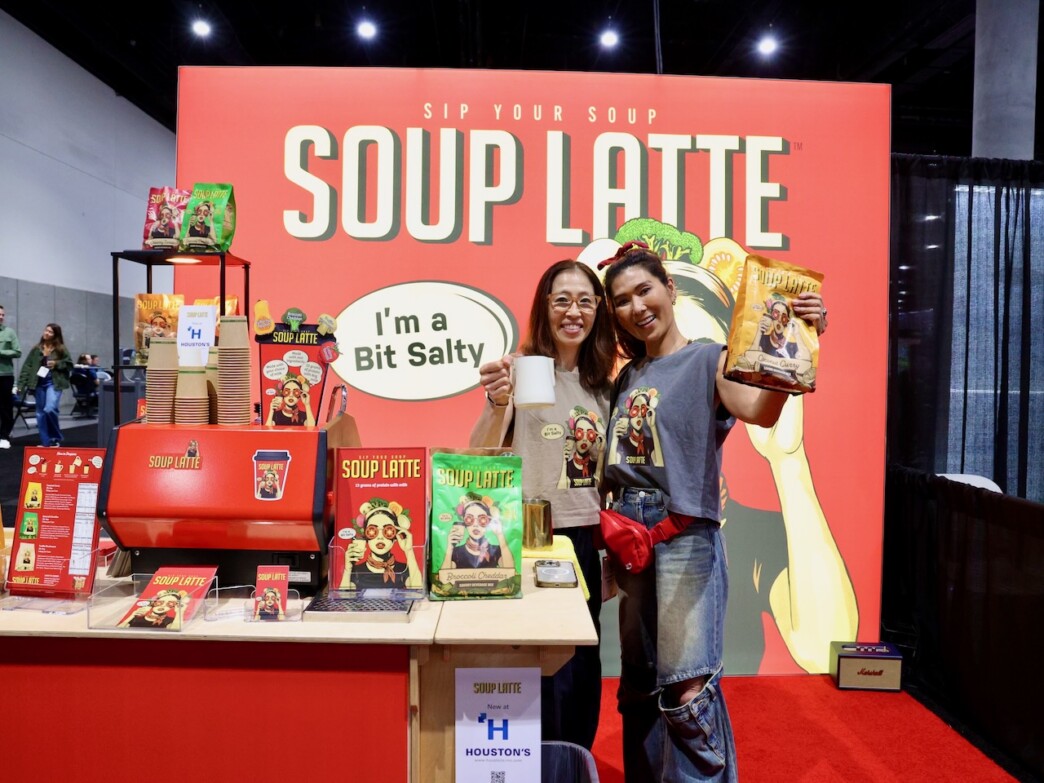
The specialty coffee industry, long characterized by its focus on high-altitude Arabica beans and precise extraction methods, is witnessing a significant expansion of its traditional boundaries. At the World of Coffee (WOC) convention in San Diego, an event organized by the Specialty Coffee Association (SCA), a new product titled "Soup Latte" emerged as one of the most discussed innovations on the exhibition floor. Developed by Rio Miura, the Creative Director and co-founder of the global chai brand David Rio, Soup Latte represents a conceptual shift in the "latte" category, moving away from caffeine-based beverages toward savory, nutrient-dense, micro-foamed meals.
The product’s debut at the San Diego Convention Center marks a pivot point for beverage manufacturers looking to capitalize on the equipment and techniques already prevalent in the specialty coffee sector. Unlike traditional soups or coffee-based drinks, the Soup Latte utilizes the mechanical capabilities of professional espresso machines—specifically the steam wand—to create a texture identical to a high-end caffè latte, but with a flavor profile rooted entirely in savory ingredients.
The Emergence of the Savory Latte Category
The introduction of Soup Latte comes at a time when the global beverage market is increasingly fragmented. Consumers are moving away from high-sugar options and seeking functional, savory alternatives that can be consumed on the go. During the San Diego event, Soup Latte showcased three of its five core flavors: Broccoli Cheddar, Coconut Curry, and Truffle Mushroom.
Rio Miura, whose work with David Rio helped popularize premium chai in over 50 countries, explained that the vision for Soup Latte was to create a "chuggable" micro-foamed milk-based soup. The product contains no espresso, yet it is designed to be served in a coffee shop environment. By leveraging the existing "latte art" culture and the ubiquitous presence of steam wands in cafes, the product aims to bridge the gap between a light meal and a beverage.
Industry analysts suggest that the "savory latte" could solve a common problem for specialty coffee shops: the mid-day sales slump. While coffee sales peak in the morning, a savory, steamed-milk product offers a viable lunch or afternoon snack option that requires no additional kitchen infrastructure. This "plug-and-play" model allows baristas to use their existing skill sets—steaming milk and pouring micro-foam—to produce a savory product that fits the aesthetic and speed of a modern cafe.
Chronology of Innovation at World of Coffee San Diego
The World of Coffee event serves as the premier annual gathering for the global coffee community, featuring the World Coffee Championships and the Best New Product Awards. The 2026 San Diego iteration saw a record-breaking number of attendees, reflecting the robust recovery and growth of the specialty sector post-pandemic.
The timeline of the event highlighted several key shifts in the industry:
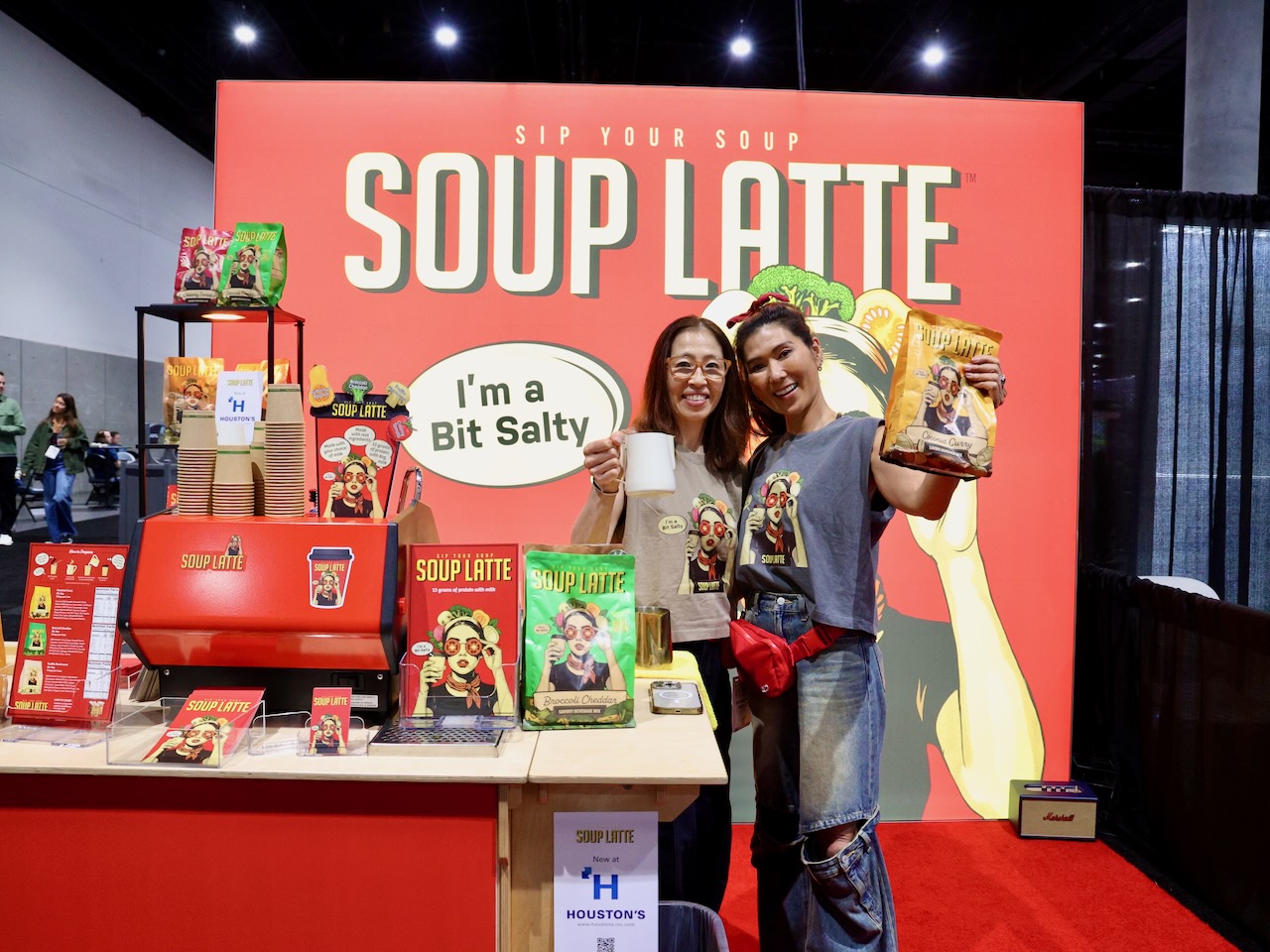
- Day One: The Reveal. Soup Latte was officially unveiled at the David Rio booth, drawing immediate attention from wholesale buyers and cafe owners. The novelty of seeing broccoli cheddar soup being textured like a flat white became a viral moment within the trade show.
- Day Two: Technical Demonstrations. Demonstrations of the AeroPress XL and the inverted brewing method took center stage. Gilly Brew Bar, a notable name in the retail space, announced its entry into the roasting arena, showcasing coffees with distinct floral and fruit profiles.
- Day Three: Market Analysis and Recognition. Industry veterans, including Kenneth Davids of Coffee Review and noted consultant Tony Serrano, were recognized for their contributions to the field. Discussions turned toward the future of seasonal beverages and the integration of non-dairy milks in savory applications.
Supporting Data: The Rise of Alternative Lattes and Savory Trends
Data from market research firms indicates a steady rise in "alternative lattes"—beverages that utilize the latte format but replace coffee with ingredients like turmeric, matcha, or beetroot. According to recent consumer reports, the savory snack market is projected to grow at a CAGR of 5.2% through 2030, with a particular interest in "liquid meals" and functional broths.
The Soup Latte project aligns with these trends. By utilizing high-quality ingredients and the "micro-foam" texture, the product appeals to the "Premiumization" trend that has dominated the coffee industry for two decades. Furthermore, the use of the steam wand to aerate the soup introduces a level of mouthfeel that canned or traditional stovetop soups cannot replicate.
In the broader context of World of Coffee, the focus on non-traditional ingredients was also reflected in the "Mocha Moment" segment. This initiative, presented by Ghirardelli, challenged the traditional seasonality of the Peppermint Mocha. While peppermint is often associated with the winter holidays, it is botanically a spring and summer agricultural product. The advocacy for year-round peppermint mochas—using high-grade dark chocolate and alternative bases like Pacific Foods Barista Series Pistachio Milk—underscores the industry’s move toward flavor experimentation that defies traditional marketing calendars.
Technical Innovations and Equipment Evolution
The success of new beverage categories like savory lattes is inextricably linked to equipment innovation. At the San Diego event, the AeroPress XL was a focal point for mobile and small-scale brewing. The increased capacity of the XL model allows for larger-batch brewing without sacrificing the pressure-based extraction that has made the original AeroPress a staple for enthusiasts.
The use of the "inverted method"—a technique where the brewer is flipped upside down during the immersion phase—remains a controversial but popular choice among professionals. When combined with specialized vessels like the Slow Pour Supply Two-Way cups, which are designed to enhance the sensory experience of a coffee’s aroma and acidity, it is clear that the industry is focusing as much on the delivery of the beverage as the source of the bean.
Furthermore, the integration of plant-based milks into these new beverage formats has become standard. The use of pistachio milk in the "Mocha Moment" demonstration highlights the shifting preferences of consumers. Pistachio milk offers a distinct nutty profile and high fat content, making it an ideal candidate for both sweet mochas and potentially savory soup applications, particularly for vegan versions of the Coconut Curry or Truffle Mushroom Soup Lattes.
Official Responses and Industry Impact
The reaction from the specialty coffee community has been a mix of intrigue and cautious optimism. Traditionalists argue that the "latte" designation should be reserved for coffee-based drinks, while innovators see it as a natural evolution of the cafe menu.
Rio Miura’s interview on the floor of the convention center emphasized that the product is not intended to replace coffee but to complement it. "We are looking at how the barista’s craft can be applied to new categories," Miura stated. This sentiment was echoed by several booth visitors who noted that the "savory latte" could provide a significant boost to the "Grab-and-Go" sector of the industry.
The sponsorship of the Coffee Sprudgecast by major industry players like DONA, Pacific Barista Series, and La Marzocco further validates the importance of these discussions. These companies are at the forefront of the supply chain, and their support for platforms that explore "baffling and dazzling" new products suggests a willingness to invest in the diversification of the cafe experience.
Broader Implications for the Global Coffee Market
The debut of products like Soup Latte at World of Coffee San Diego suggests three major implications for the future of the industry:
1. The Diversification of the Barista Role
As cafes move toward serving savory lattes and complex seasonal mochas year-round, the role of the barista is evolving from a coffee specialist to a multi-disciplinary beverage artisan. The ability to understand flavor balance in both sweet and savory contexts will become a valued skill.
2. Infrastructure Utilization
Cafe owners are looking for ways to maximize the return on investment (ROI) for their expensive espresso machines. Using a $15,000 La Marzocco to steam not just milk for coffee, but also nutrient-rich soups, allows for a more versatile business model that can serve customers from 7:00 AM to 7:00 PM.
3. The Redefinition of "Health" in the Cafe
The specialty coffee movement has long been associated with "clean" labels and transparent sourcing. By introducing savory lattes made with real vegetables and high-quality dairy or plant milks, the industry is positioning itself as a destination for healthy, functional meals rather than just caffeine and sugar-laden treats.
The World of Coffee San Diego event has proven that the specialty coffee industry is no longer a monolith. Whether through the "terrifying" inverted AeroPress methods or the "chuggable" micro-foam of a Broccoli Cheddar Soup Latte, the boundaries of the cup are being redrawn. As the industry looks toward the next major international gathering, the success of these savory innovations will likely determine if the "Soup Latte" becomes a permanent fixture of the global cafe landscape or remains a daring experiment in the annals of beverage history.