Indra Kusuma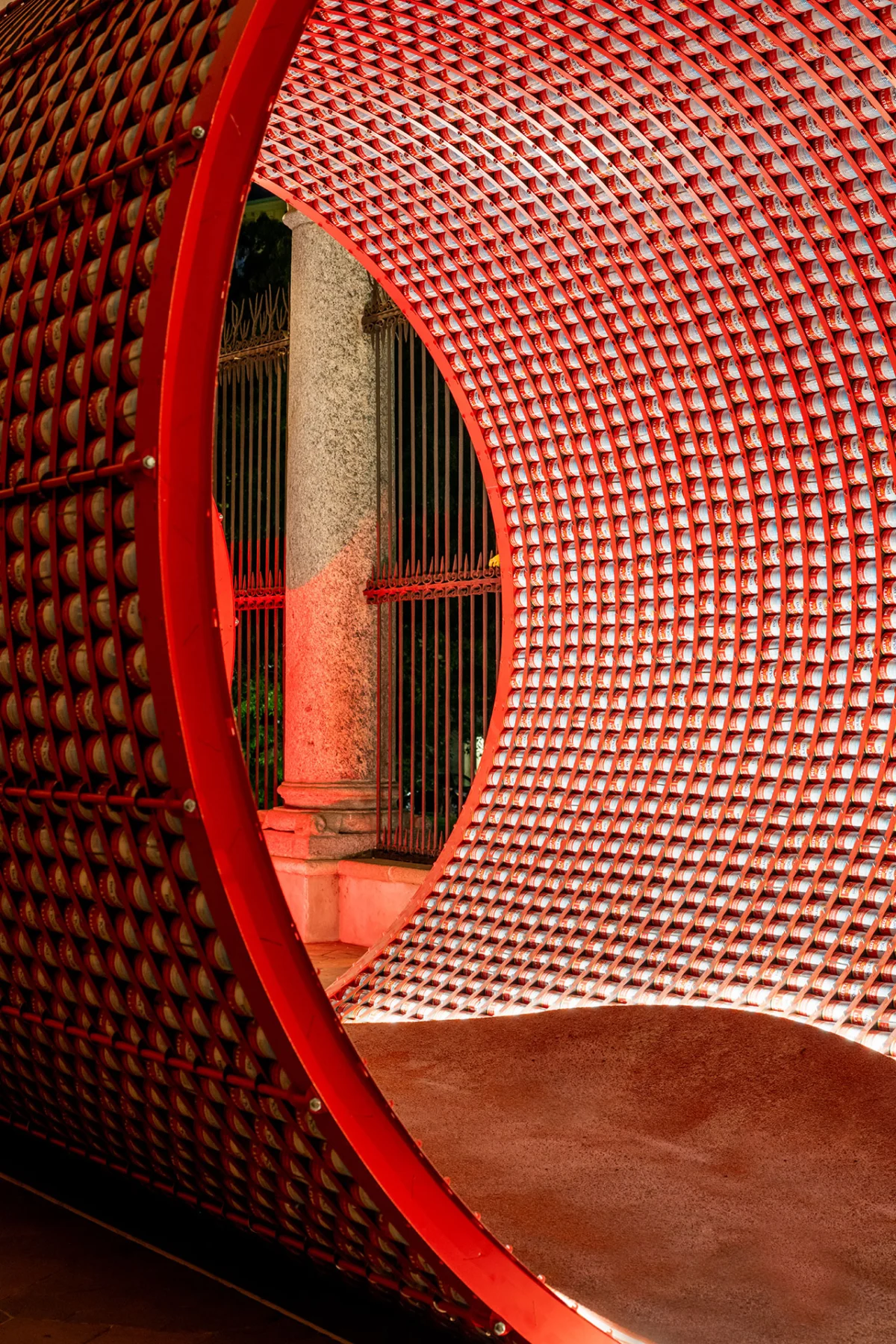
As Milan Design Week concludes, one installation that has resonated deeply within the global design community is "House of Polpa," a groundbreaking collaboration between MIT professor and architect Carlo Ratti and Italian food giant Mutti. This temporary architectural structure, ingeniously crafted from 20,000 cans of Mutti tomato pulp, transformed an everyday pantry staple into an immersive, multi-sensory experience, sparking critical discourse on design, sustainability, and the circular economy.
An Unconventional Canvas: The Genesis of House of Polpa
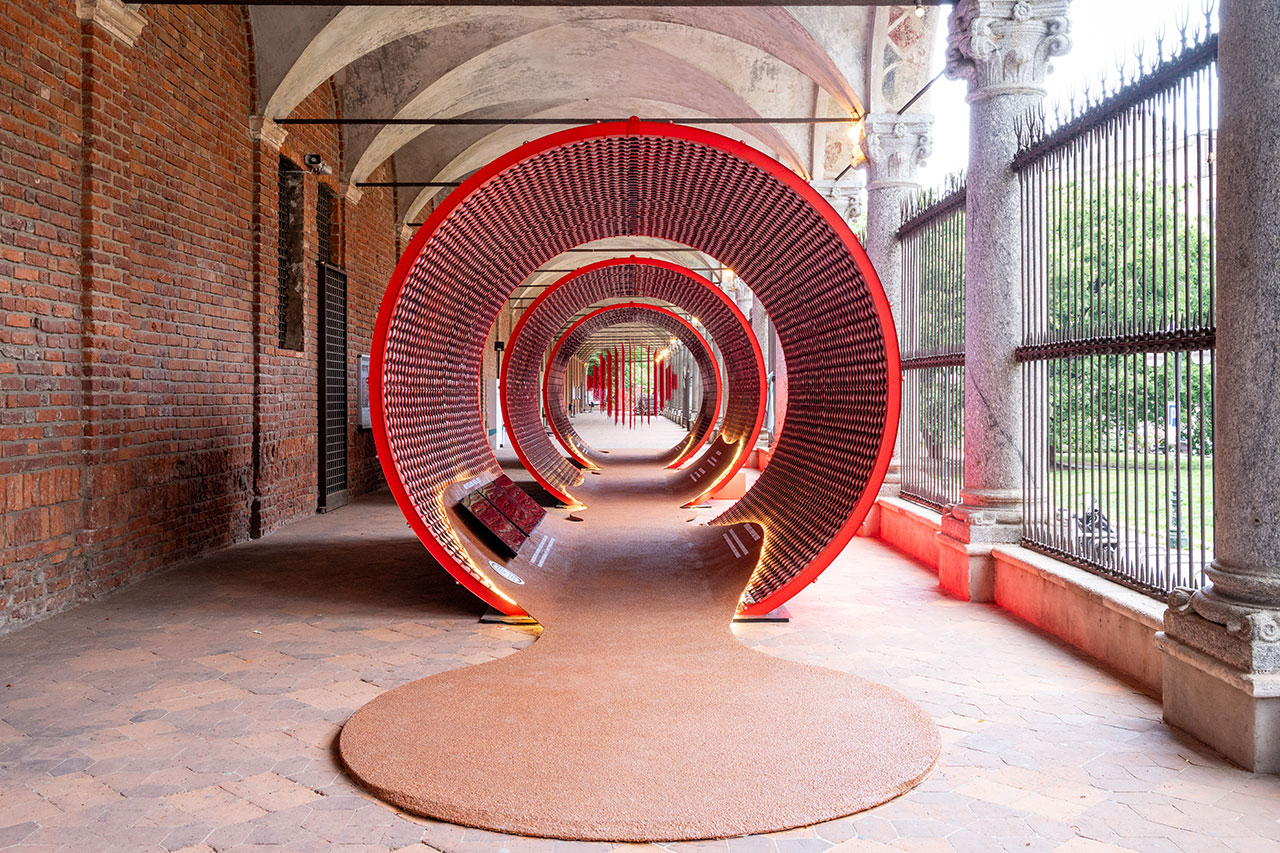
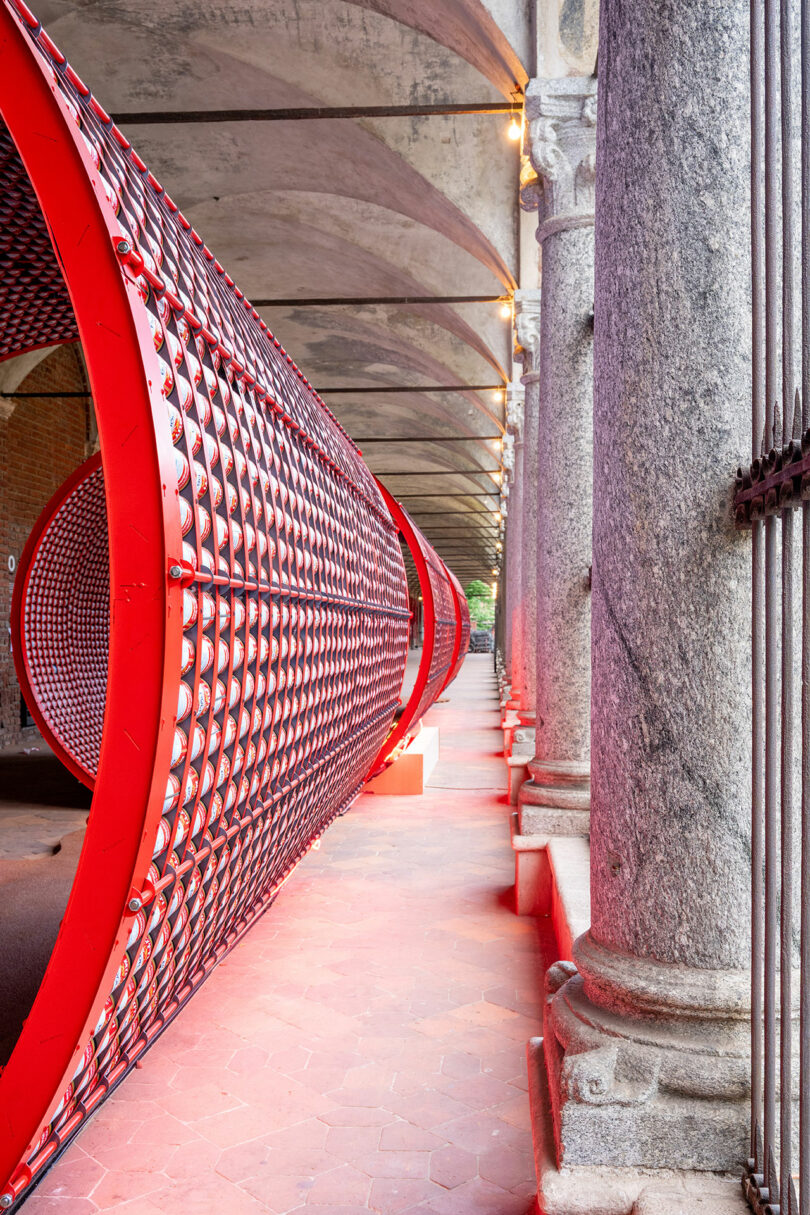
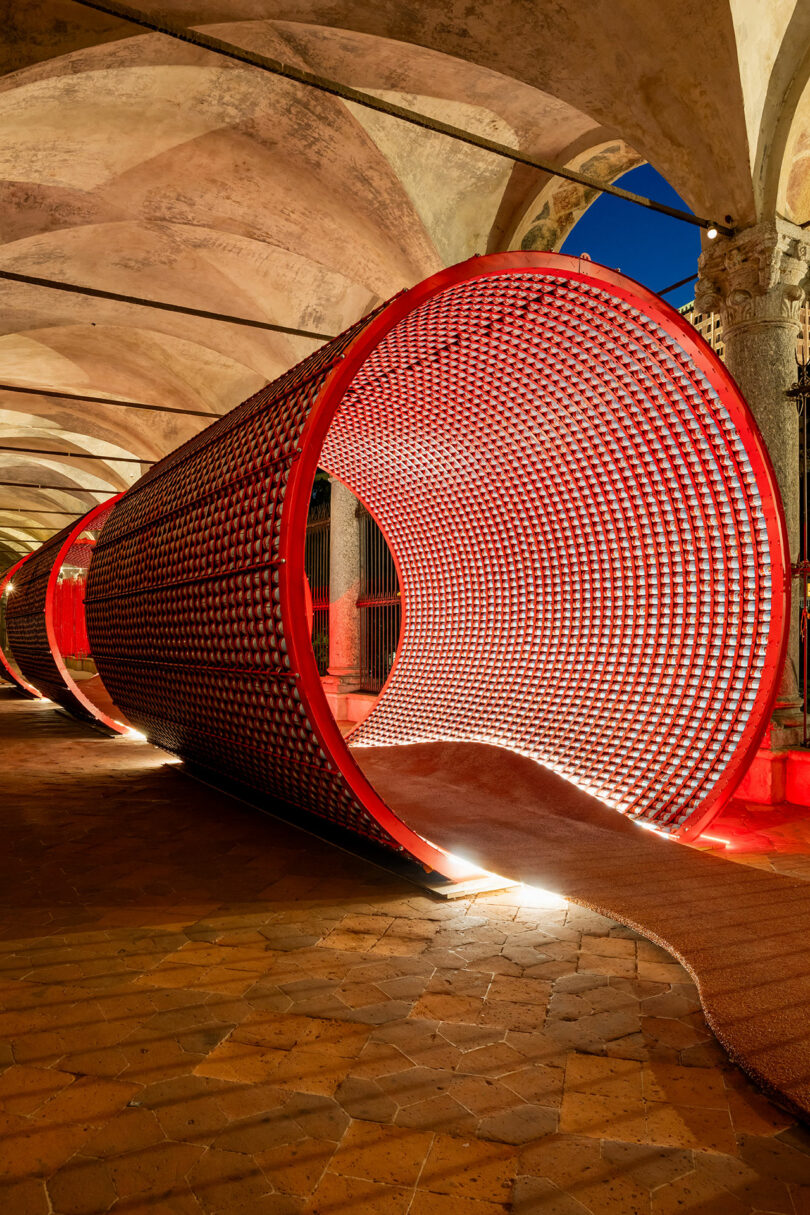
The "House of Polpa" emerged as a highlight of Fuorisalone, the decentralized events complementing the main Salone del Mobile fair during Milan Design Week. Known for pushing the boundaries of conventional design, Fuorisalone serves as an urban laboratory where architects, designers, and brands showcase innovative concepts across Milan’s historic palaces, courtyards, and public spaces. The Università degli Studi di Milano, a venerable institution with its grand porticoes, provided a fitting backdrop for Ratti’s latest endeavor. The choice of venue itself underscores the project’s ambition to integrate cutting-edge design into the fabric of daily life and historical contexts.
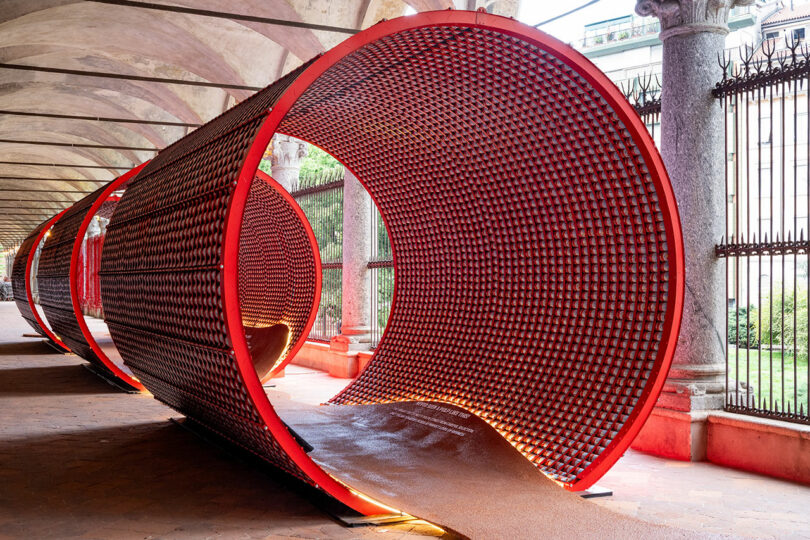
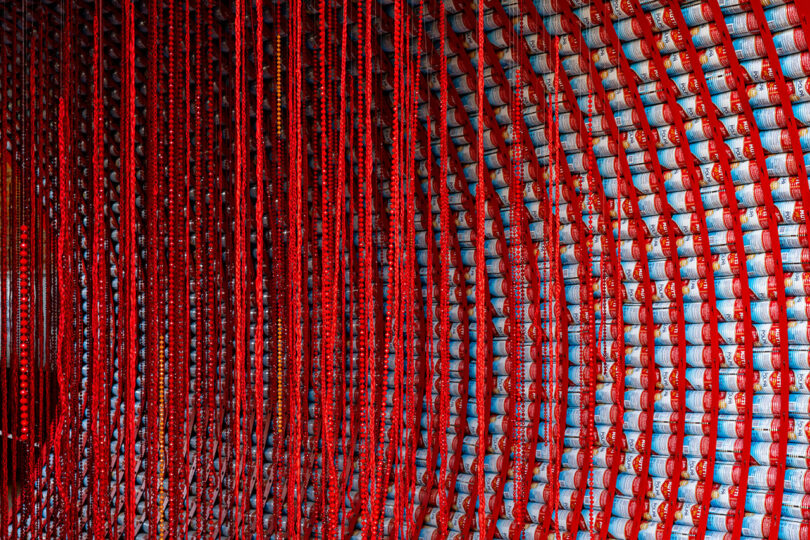
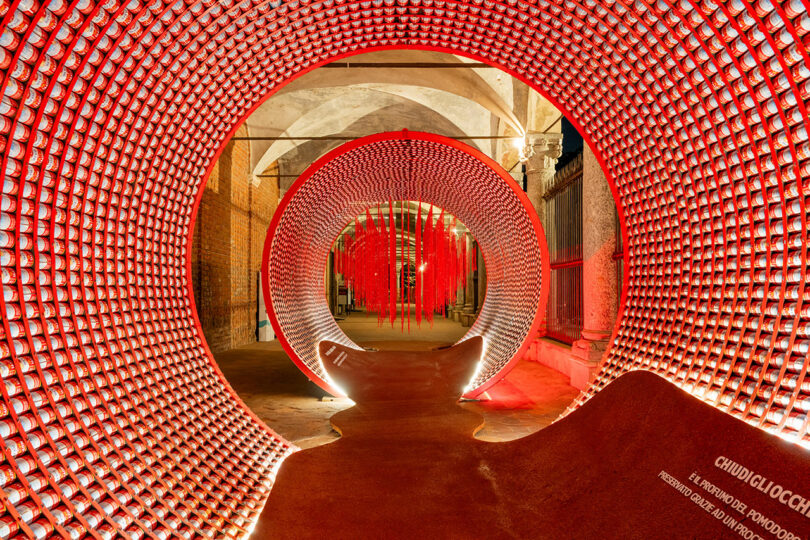
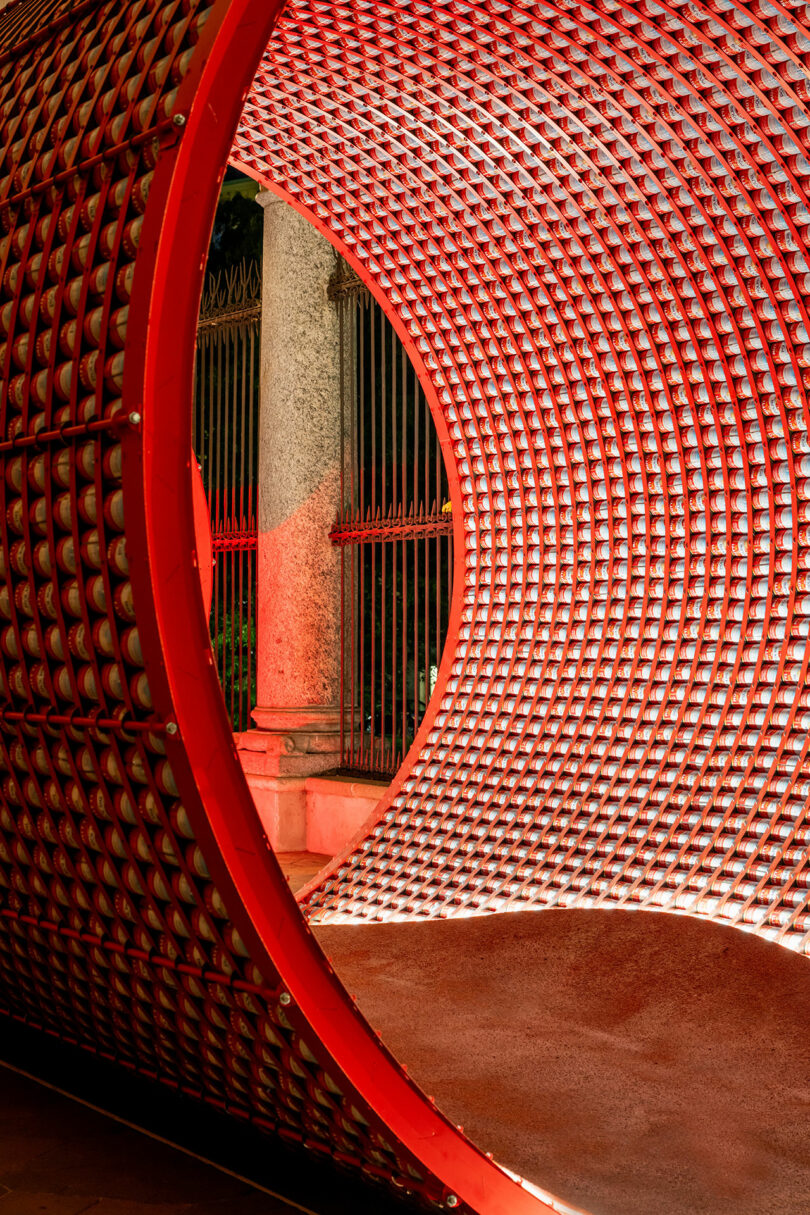
The installation, spanning over 25 meters, manifested as a striking red cylindrical tunnel, its walls meticulously composed of thousands of Mutti tomato pulp cans. These cans were not merely decorative elements but integral structural components, supported by a sophisticated steel substructure. This engineering feat allowed for the gradual and safe removal of individual cans without compromising the overall stability of the monumental structure, a critical aspect of its "ephemeral by design" ethos. The visual impact was immediate and arresting: a vibrant, monolithic form challenging perceptions of industrial packaging and its potential for architectural expression. It evoked a contemporary echo of Andy Warhol’s iconic pop art, which decades ago elevated the humble soup can to a symbol of consumer culture, demonstrating the enduring cultural presence of canned goods.
Beyond the Visual: A Multi-Sensory Journey Through the Tomato Supply Chain
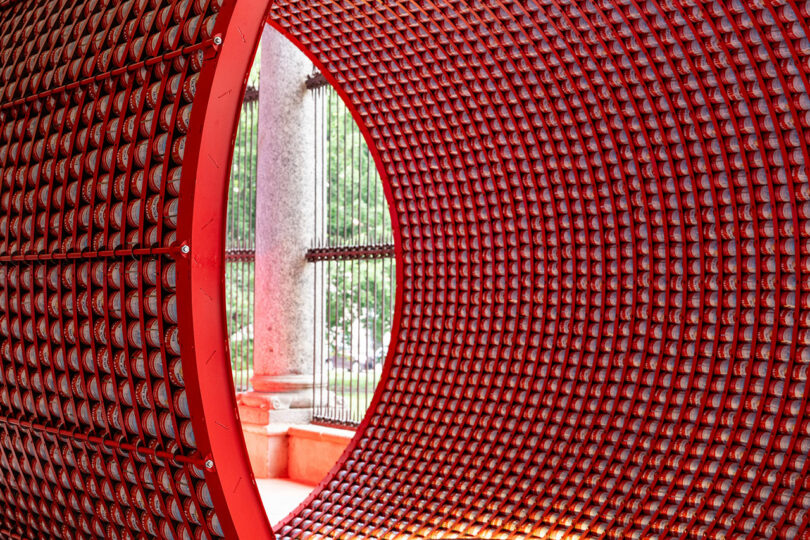
The true genius of "House of Polpa" lay in its ability to transcend purely visual aesthetics, inviting visitors into a profound multi-sensory exploration. Stepping inside the crimson volume, guests were enveloped in an environment designed to evoke the intricate journey of the tomato, from field to table. Subtle yet potent cues of scent, texture, and sound were meticulously integrated to create an immersive narrative. The faint, fresh aroma of ripe tomatoes, perhaps subtly diffused or naturally emanating from the sheer volume of product, hinted at sun-drenched Italian fields. Tactile elements, whether through the exposed surfaces of the cans or specially designed interactive points, offered a physical connection to the raw material. Acoustically, a carefully curated soundscape might have included the rustling of leaves, the hum of machinery, or even the gentle bubbling of simmering sauce, guiding visitors through the various stages of the tomato supply chain.
This deliberate engagement of multiple senses aligns with Carlo Ratti’s long-standing philosophy and the work of his firm, Carlo Ratti Associati (CRA), and the MIT Senseable City Lab. Ratti’s projects frequently explore how digital technologies and sensory experiences can redefine urban spaces and human interaction, blurring the lines between the natural and artificial, the physical and the digital. "House of Polpa" exemplified this by using a low-tech, organic product to create a high-impact, experiential space, demonstrating that profound engagement doesn’t always require complex digital interfaces. It was a testament to the power of design to tell a story and evoke a deeper connection to everyday objects and processes.
Embracing Circularity: A Design for Dissolution
At the core of "House of Polpa" was an unwavering commitment to circularity and sustainability, principles that are increasingly vital in contemporary design and architecture. Every element of the installation was conceived with its lifecycle in mind, actively countering the prevailing "take-make-dispose" model. The flooring, for instance, was a remarkable innovation developed using a Mapei resin derived from dried tomato peels, a significant waste product from tomato processing. This direct transformation of agricultural waste into a high-performance building material not only reinforced the project’s ethos but also showcased tangible solutions for industrial symbiosis and resource recovery. Mapei, a global leader in building materials, leveraged its expertise in sustainable formulations to create a functional and aesthetically integrated surface that literally grounded the exhibition in its circular mission.
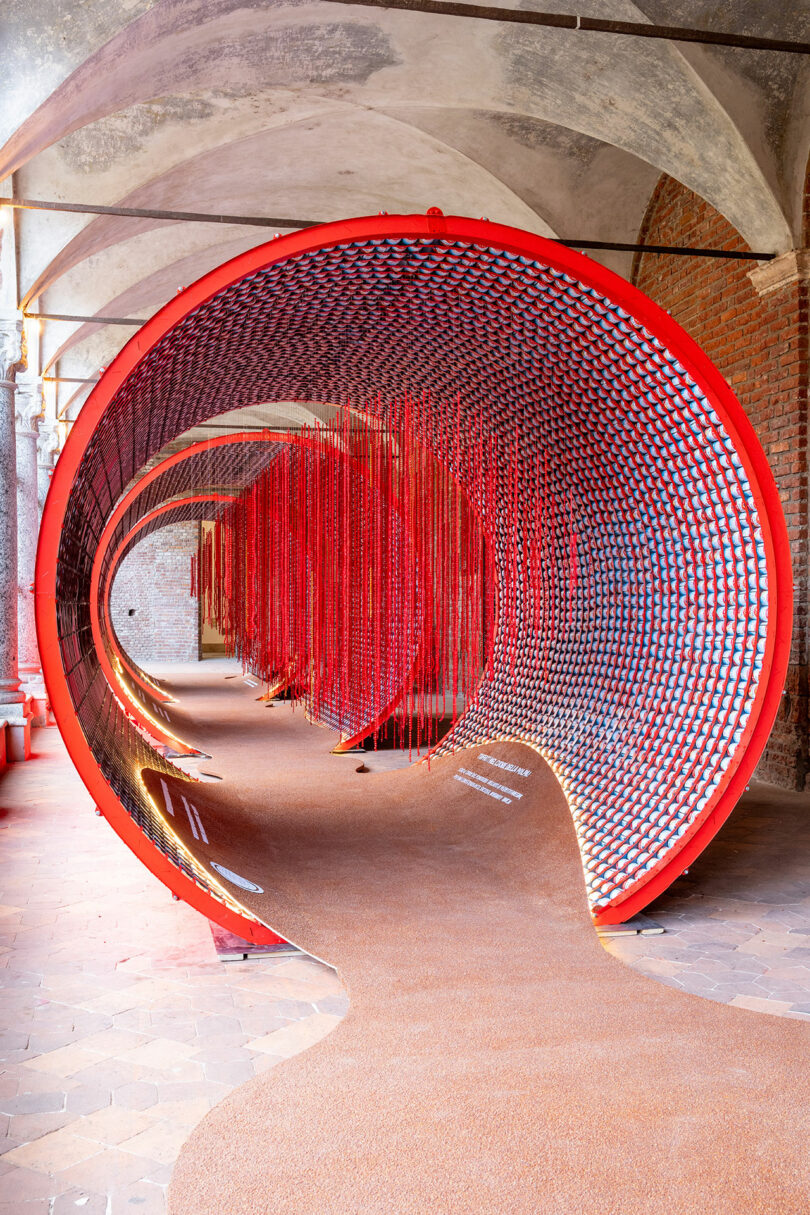
The most compelling aspect of the project’s circular design was its inherent ephemerality. Unlike traditional art installations often destined for storage or disposal, "House of Polpa" was designed to gradually dissolve. Visitors were invited to participate in this dissolution by removing a can of Mutti Polpa as they exited. This act transformed passive viewing into active engagement, making each visitor a participant in the project’s dispersal. The symbolic gesture of consumption extended the exhibit’s life beyond the confines of the gallery, into countless kitchens across the region, where the tomatoes would fulfill their intended purpose.
For the cans that remained after Milan Design Week, the commitment to social responsibility continued. These remaining cans were not discarded but donated to local food banks and charitable organizations, ensuring that the valuable food product reached those in need. This thoughtful approach minimized waste to an unprecedented degree, demonstrating how design can operate within a truly closed-loop system, where every component has a subsequent use or destination. The project became a powerful real-world example of how to "design beyond single use," offering a hopeful model for future temporary structures and exhibitions.
Key Collaborators and Their Vision
The success of "House of Polpa" is a testament to the shared vision and collaborative spirit of its key partners:
-
Carlo Ratti Associati (CRA): Founded by Carlo Ratti, who also directs the Senseable City Lab at MIT, CRA is renowned for its innovative approach to architecture and urban planning, often integrating technology to create dynamic, responsive environments. Ratti’s work consistently explores how design can foster human connection, enhance sensory experiences, and address pressing environmental challenges. "House of Polpa" perfectly encapsulates his philosophy of design as a tool for interaction and sustainable change, demonstrating how everyday objects can be re-imagined to create profound architectural statements.
-
Mutti: As a leading Italian producer of high-quality tomato products, Mutti’s involvement highlights a growing trend among food brands to engage with culture and design to reinforce their values. Mutti’s commitment to quality, traceability, and sustainable agricultural practices made them an ideal partner for a project focused on the lifecycle of a product. By transforming their core product into an architectural marvel, Mutti not only engaged consumers in a novel way but also showcased its dedication to sustainability and its deep connection to Italian culinary heritage. The installation served as a powerful, tangible extension of their brand story.
-
Mapei: A global giant in the production of chemical products for the building industry, Mapei’s contribution of the tomato-peel-derived resin flooring underscored their leadership in sustainable material innovation. Their involvement demonstrated that advanced construction materials can be developed from unconventional, waste-stream sources, offering scalable solutions for green building. Mapei’s commitment to research and development in eco-friendly products aligns with the broader industry shift towards circular economy principles in construction.
Broader Implications and Future Outlook
"House of Polpa" offers significant implications for several fields:
- Experiential Marketing and Branding: The installation demonstrated an innovative approach to brand engagement, moving beyond traditional advertising to create a memorable, interactive experience that communicated Mutti’s values in a visceral way. This model could inspire other brands to leverage design and immersive experiences to connect with consumers on a deeper, more meaningful level.
- Sustainable Design and Architecture: The project stands as a powerful case study for truly circular design, challenging architects and designers to consider the entire lifecycle of materials and structures. Its "design for dissolution" model provides a tangible example of how temporary installations can minimize environmental impact and even contribute positively to society post-exhibition.
- Public Engagement with Supply Chains: By turning a common pantry item into an architectural marvel, "House of Polpa" subtly educated visitors about the origins and journey of their food. It fostered a heightened awareness of agricultural processes, waste streams, and the potential for industrial symbiosis, bridging the gap between consumer and producer.
- The Future of Ephemeral Architecture: The installation pushes the boundaries of what temporary architecture can achieve. It suggests a future where buildings and art installations are not static objects but dynamic entities that evolve, dissolve, and reintegrate into new forms, blurring the lines between structure, product, and social impact.
Milan Design Week consistently serves as a barometer for emerging trends and innovative thinking in the design world. "House of Polpa" by Carlo Ratti and Mutti will undoubtedly be remembered as a pivotal installation that not only captivated audiences with its striking visual presence but also challenged conventional notions of sustainability, material use, and the very purpose of temporary architecture. It was a vivid demonstration that even the most ubiquitous objects can be transformed into profound statements, urging us to reconsider our relationship with consumption, waste, and the built environment. As the last cans are taken and the structure fully dissolves, its impact will linger, not just in memories but in the thousands of pasta dinners enjoyed and the inspiration it provides for a more circular and sensuous future of design.