rifanmuazin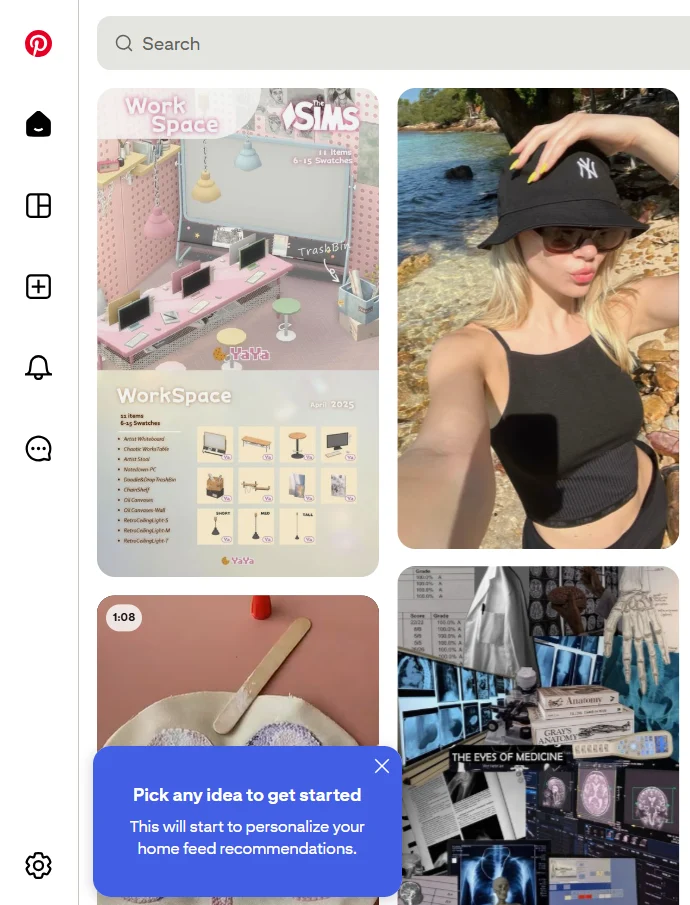
Pinterest has solidified its position as a unique and indispensable platform in the crowded digital landscape, transcending the ephemeral trends of traditional social media to function primarily as a visual discovery engine. While platforms like TikTok offer rapid virality, Instagram delivers aesthetic inspiration, and LinkedIn fosters professional networking, Pinterest consistently serves as a foundational resource for users seeking actionable ideas, inspiration, and solutions across all facets of life. This distinct user intent, characterized by planning and purchase consideration, underpins its growing significance for businesses and creators seeking sustained digital visibility and measurable conversions.
Data underscores Pinterest’s pivotal role in consumer behavior. With a global active user base boasting 619 million individuals as of 2024, according to DataReportal, it ranks among the most influential platforms worldwide. Crucially, the manner in which these users engage with the platform sets it apart: a significant 36.6 percent of active users actively seek to follow or research brands and products, making it their primary motivation for engagement. This high commercial intent is further evidenced by Pinterest’s own data, revealing that over 85 percent of its users have made a purchase directly influenced by pins from brands. These statistics paint a clear picture: Pinterest is not merely a place for casual browsing but a robust conduit for inspiration-driven commerce and brand discovery.

The Evolution of a Visual Search Engine: A Brief History of Pinterest
Founded in 2010 by Ben Silbermann, Evan Sharp, and Paul Sciarra, Pinterest was initially conceived as a "catalog of ideas" rather than a social network in the traditional sense. Its early vision was to connect people through shared interests and allow them to "pin" images of things they loved onto virtual "boards." This concept quickly resonated, providing a digital equivalent to cutting out magazine clippings and organizing them for future reference.
Over the years, Pinterest has undergone significant evolution, transitioning from a simple social bookmarking site to a sophisticated visual discovery engine. Key milestones include the introduction of Rich Pins in 2013, which added more context to pins by pulling metadata directly from source websites (e.g., recipes, products, articles), thereby enhancing their utility. The platform further expanded its e-commerce capabilities with features like Buyable Pins (later evolving into more integrated shopping experiences) and visual search tools such as Pinterest Lens, allowing users to discover related pins by simply pointing their camera at real-world objects. This continuous development has reinforced its unique hybrid identity: a platform that marries the visual appeal of social media with the practical utility and search functionality of a powerful engine, fundamentally geared towards action and future planning.

Understanding the Pinterest User: Intent-Driven Engagement
The psychographics of the Pinterest user are central to understanding its commercial potency. Unlike the often serendipitous or entertainment-driven consumption on platforms like TikTok or the social-gazing on Instagram, Pinterest users typically arrive with a specific purpose. They are planners, dreamers, and doers, actively seeking solutions, inspiration for projects, or products to fulfill a need. Common search queries range from "living room decor" and "capsule wardrobe ideas" to "productivity tools" and "meal prep recipes," indicating a clear intent to gather information and make decisions.
This intent-driven behavior positions Pinterest uniquely in the consumer journey, often bridging the gap between initial awareness and final purchase. Users are in a discovery mindset, open to new brands, products, and services that align with their aspirations. This contrasts sharply with platforms where advertising might interrupt a user’s flow; on Pinterest, brand content is often precisely what the user is actively searching for. Demographically, Pinterest has historically attracted a strong female user base, though its male user base has been growing, particularly in categories like automotive, finance, and fitness. Users also tend to be highly engaged, saving content for future reference, and are often perceived as having higher disposable incomes and a greater willingness to spend on quality products and experiences. This active, considered engagement translates directly into higher conversion rates for businesses that effectively leverage the platform.
Strategic Advantages for Businesses and Creators
For businesses and creators, Pinterest offers a suite of strategic advantages distinct from other digital marketing channels.
-
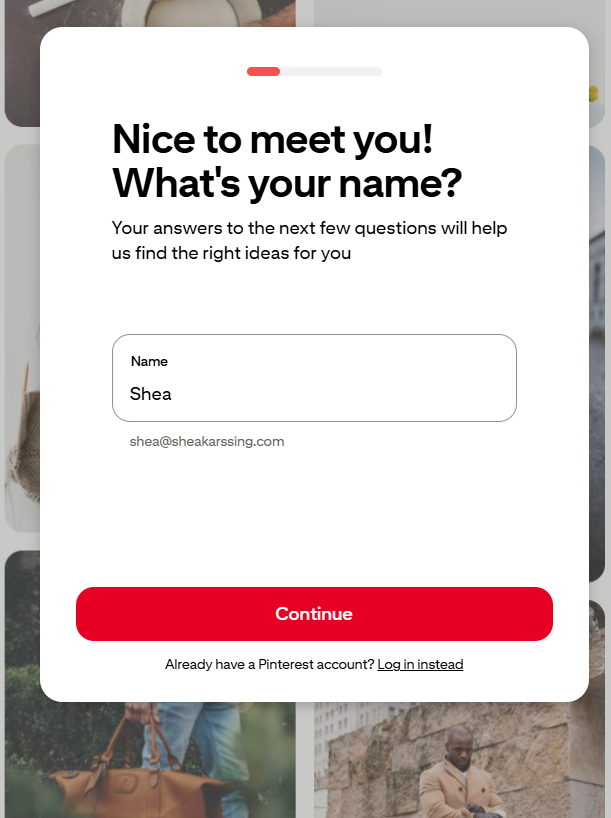
Long-Term Visibility and Evergreen Content: One of Pinterest’s most compelling features is its algorithm’s emphasis on relevance and longevity over recency. Unlike the fleeting nature of posts on platforms like X (formerly Twitter) or even Instagram, a well-optimized Pinterest pin can continue to gain traction and drive traffic months, or even years, after its initial publication. This "evergreen" quality means that content investment on Pinterest yields sustained returns, continually bringing new users to a business’s website or offerings without constant, immediate re-promotion. Marketing expert Heather Farris emphasizes this, noting, "Pinterest will send you traffic for the long run. I have personally made pins for my brands that, five, six, or seven years later, are still bringing people to my website." This stands in stark contrast to the 24-48 hour engagement window typical of many social feeds.
-
High Purchase Intent Audience: As highlighted earlier, Pinterest users are often in a planning or buying mindset. They are actively searching for products, services, or ideas to fulfill a specific need or desire. This translates to a higher intent to purchase compared to users on platforms primarily used for social connection or entertainment. Businesses can tap into this pre-qualified audience, presenting their products and services at the precise moment a user is seeking solutions.
-
Brand Discovery and Traffic Generation: While follower count is a metric on Pinterest, its primary value for businesses lies in driving external traffic. The platform functions as a powerful referral engine, directing users to brand websites, e-commerce stores, blogs, and other landing pages. Pins are inherently linked to their source, encouraging clicks and exploration beyond the Pinterest ecosystem. This direct traffic generation is invaluable for increasing website visits, lead generation, and ultimately, sales.
-
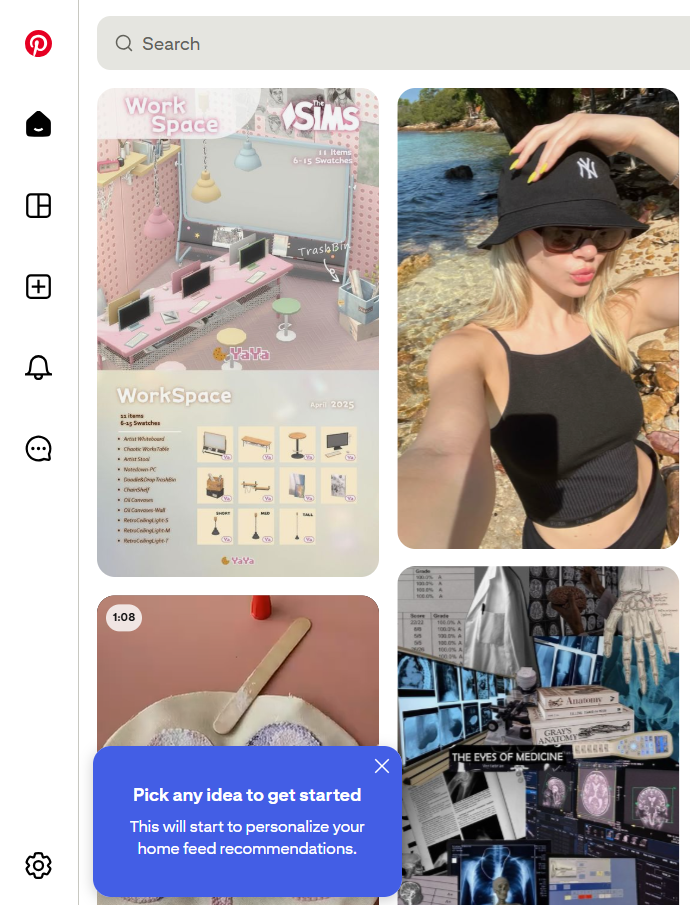
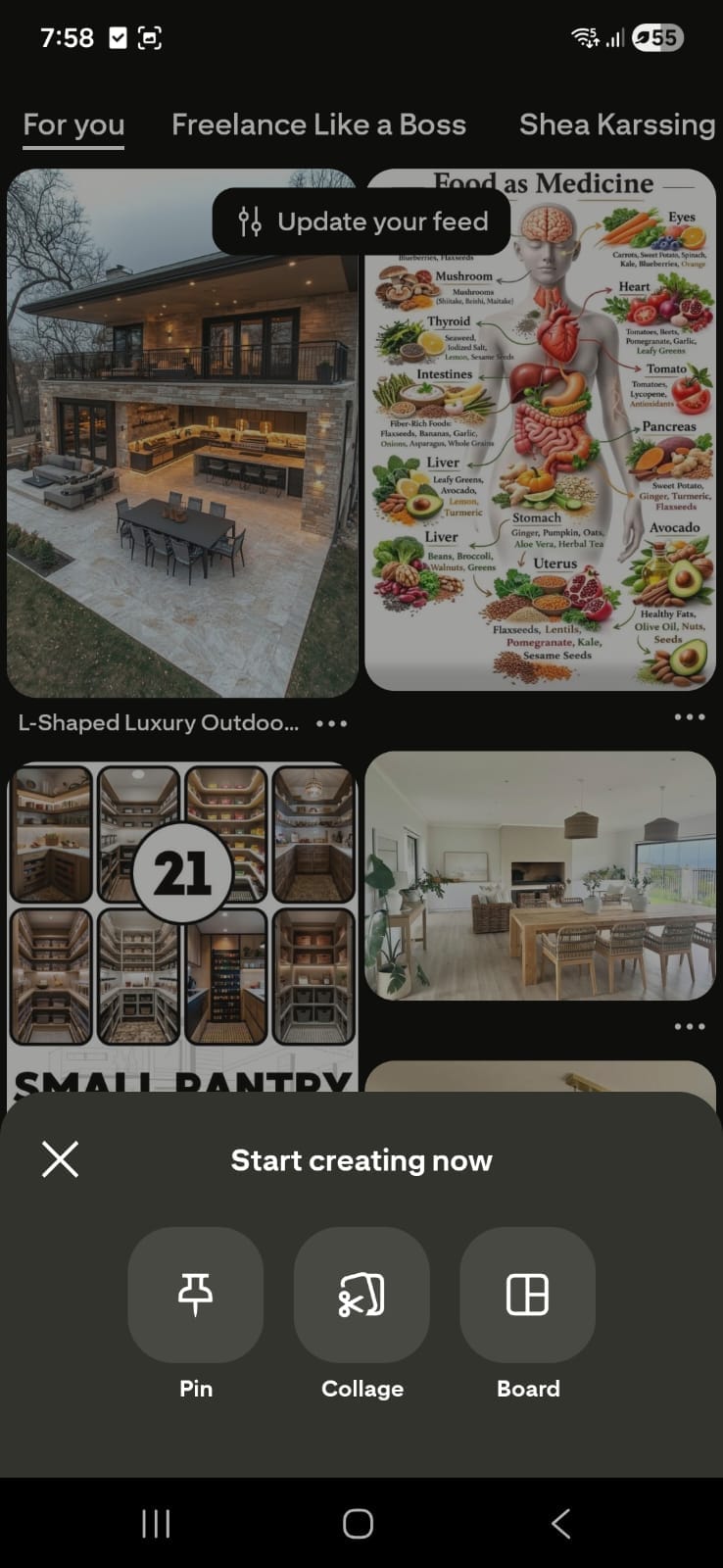
Diverse Content Formats and Rich E-commerce Features: Pinterest supports a variety of visual content formats, including static images, video pins, Idea Pins (multi-page stories), and product catalogs. Business accounts can integrate product catalogs directly, turning pins into shoppable items and streamlining the path from discovery to purchase. Features like "Shop the Look" pins further enhance the e-commerce experience, allowing users to identify and purchase multiple items within a single image.
-
Niche Suitability: Pinterest particularly excels for businesses and creators operating in visually rich, aspirational, or how-to oriented niches. Categories such as home decor, fashion, beauty, food and recipes, DIY, travel, health and wellness, education, and event planning consistently perform well. For brands within these sectors, Pinterest offers a natural fit for showcasing products, offering tutorials, and inspiring consumers.
Establishing a Professional Presence: Personal vs. Business Accounts
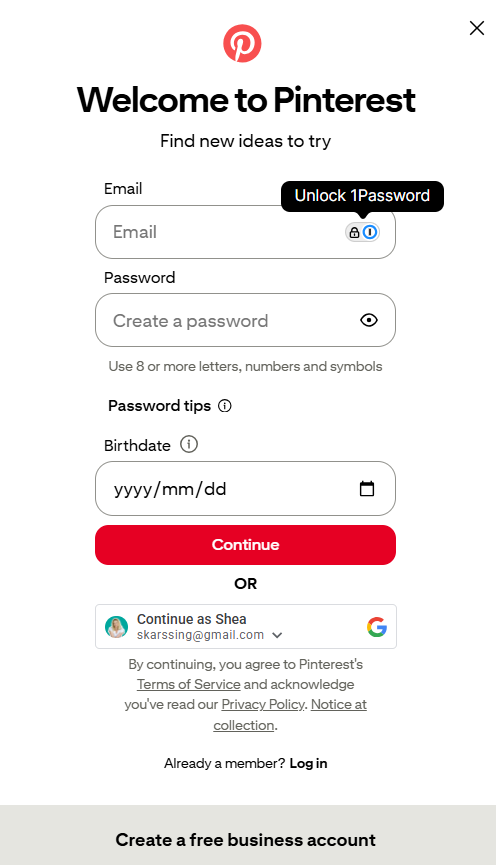
For any entity looking to leverage Pinterest beyond personal inspiration, a business account is a foundational requirement. While personal accounts allow users to save and organize pins and create boards, business accounts unlock a suite of crucial tools designed for professional growth and analysis.
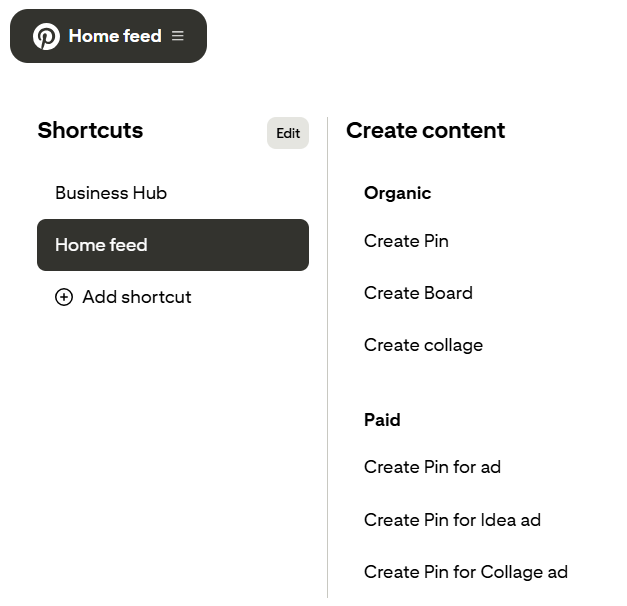
The primary distinctions include:
- Pinterest Analytics: Business accounts gain access to comprehensive data on pin performance, audience demographics, and traffic sources, providing invaluable insights for strategy optimization.
- Advertising Capabilities: Only business accounts can run paid campaigns, including Idea Ads, video ads, carousels, and collection ads, allowing for targeted reach and amplified visibility.
- Product Catalogs: E-commerce businesses can upload their entire product inventory, transforming their Pinterest presence into a shoppable storefront.
- Pinterest Business Hub/Creator Hub: These dedicated dashboards offer resources, trends, and tools tailored to professional users.
Transitioning from a personal account to a business profile is straightforward, and existing personal profiles can also be linked to business accounts. For businesses, the optimization of the profile itself is a critical first step. This includes ensuring brand consistency across all digital touchpoints: using the same business name, logo/profile picture, and a clear, keyword-rich description that accurately conveys the brand’s offerings. A well-optimized profile enhances discoverability and builds immediate credibility with potential customers.
Crafting Engaging Content: Best Practices for Pins and Boards
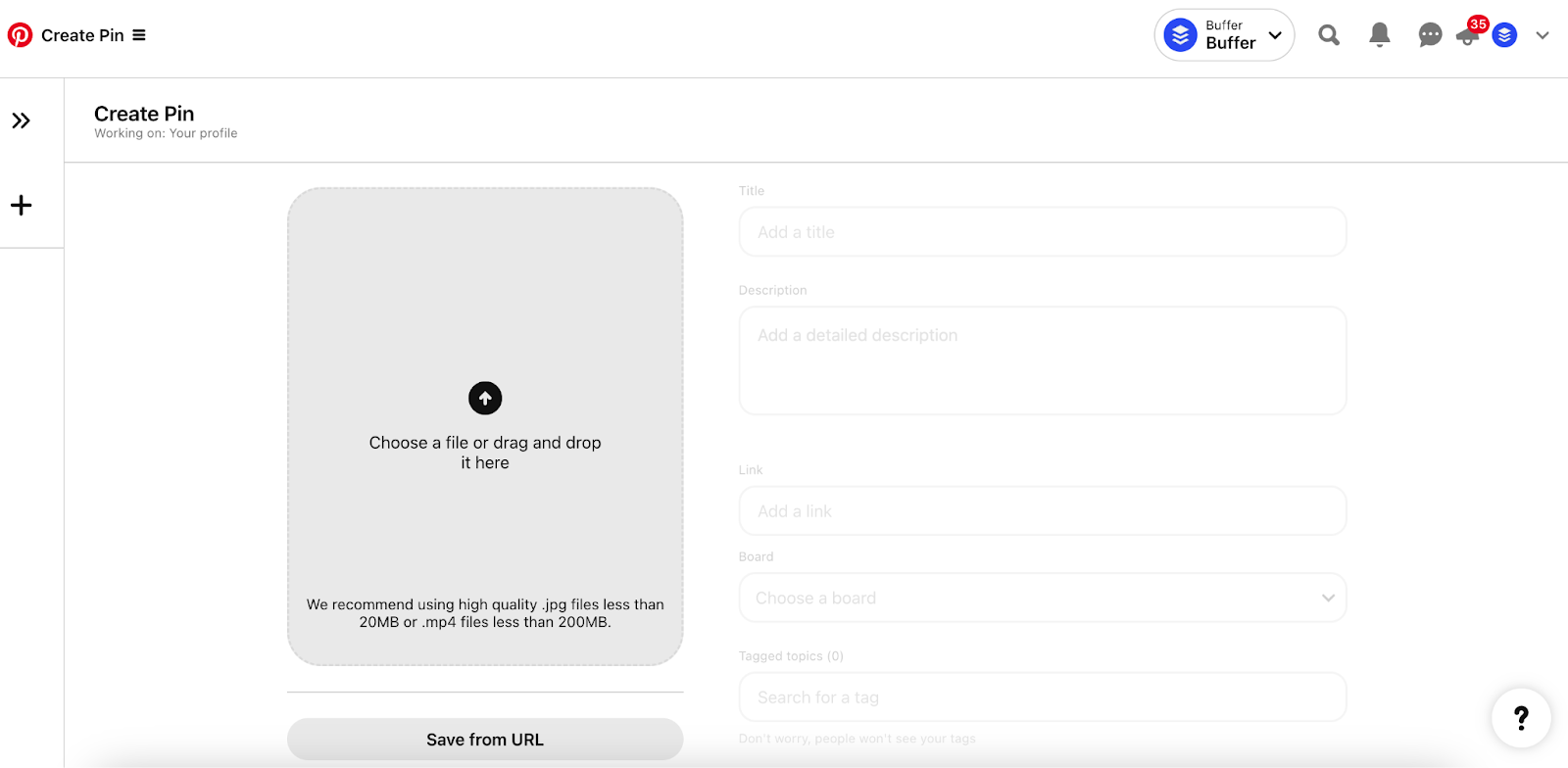
Effective content strategy on Pinterest hinges on understanding its visual-first, search-driven nature.
-
Visual Excellence: High-quality, eye-catching imagery is paramount. Pins should be visually appealing, uncluttered, and on-brand. Given that a significant portion of users access Pinterest via mobile, images must be clear and legible on smaller screens. Vertical aspect ratios are highly recommended, with 2:3 (e.g., 600×900 pixels) being ideal, as they occupy more space in the columnar feed, increasing visibility. Videos are also gaining traction, offering dynamic engagement and auto-play features within feeds. Pinterest video best practices suggest designing for mobile, keeping them concise for discovery, and longer for detailed tutorials.
-
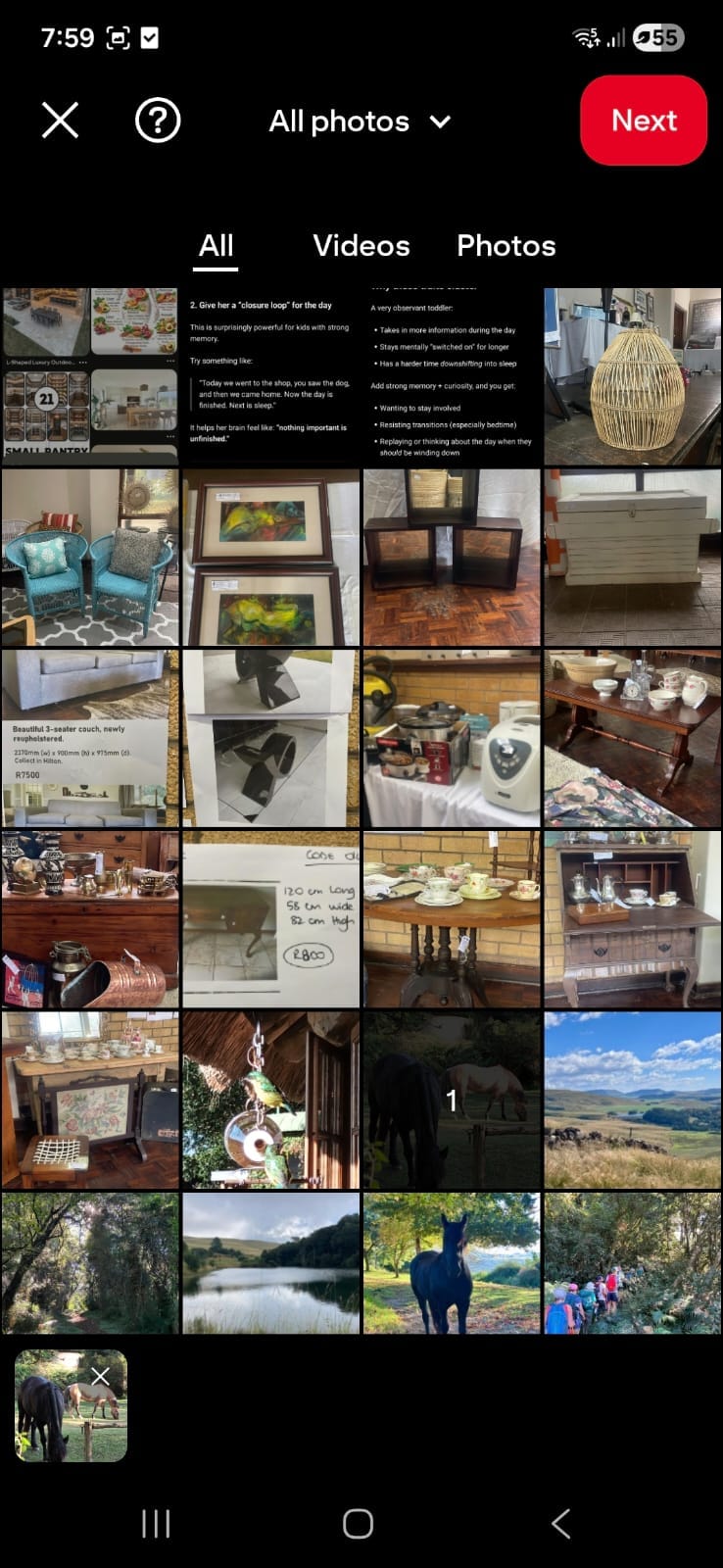
Strategic Copywriting: Beyond visuals, effective text elements are crucial. Pin titles should be compelling and keyword-rich. Descriptions should be detailed and helpful, offering context and piquing curiosity, rather than giving away all information. A strong call-to-action (CTA) – such as "Shop Now," "Learn More," "Find Your Style," or "Download Recipe" – is vital for driving clicks and conversions.
-
Pinterest SEO Mastery: As a visual search engine, Pinterest SEO is non-negotiable. Businesses must conduct thorough keyword research to understand what their target audience is searching for. These keywords should be naturally integrated into pin titles, descriptions, and board titles. The Pinterest search bar itself is an excellent tool for discovering related and long-tail keywords. However, "keyword stuffing" should be avoided, as it can appear spammy and detract from the user experience. Hashtags can play a supporting role but are secondary to robust keyword integration in descriptions.
-
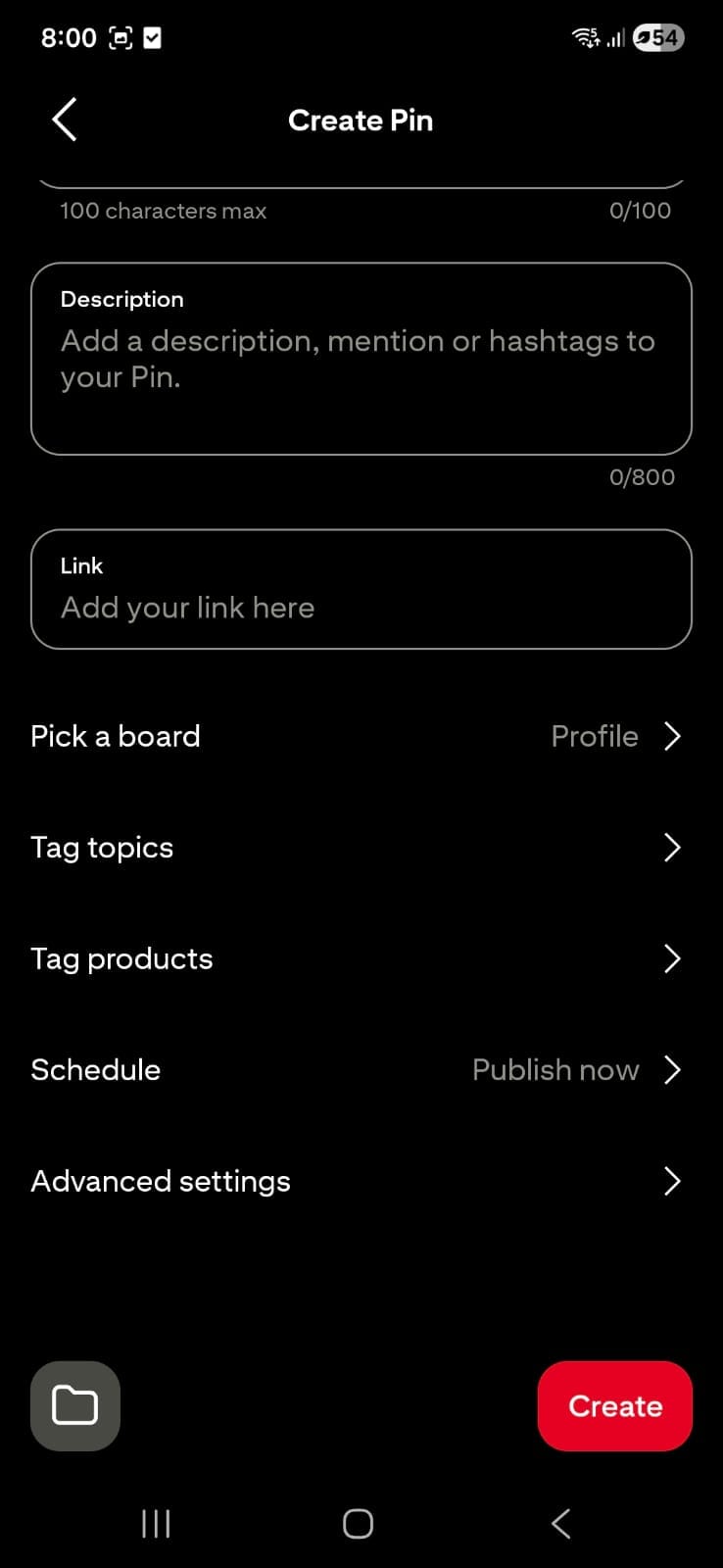
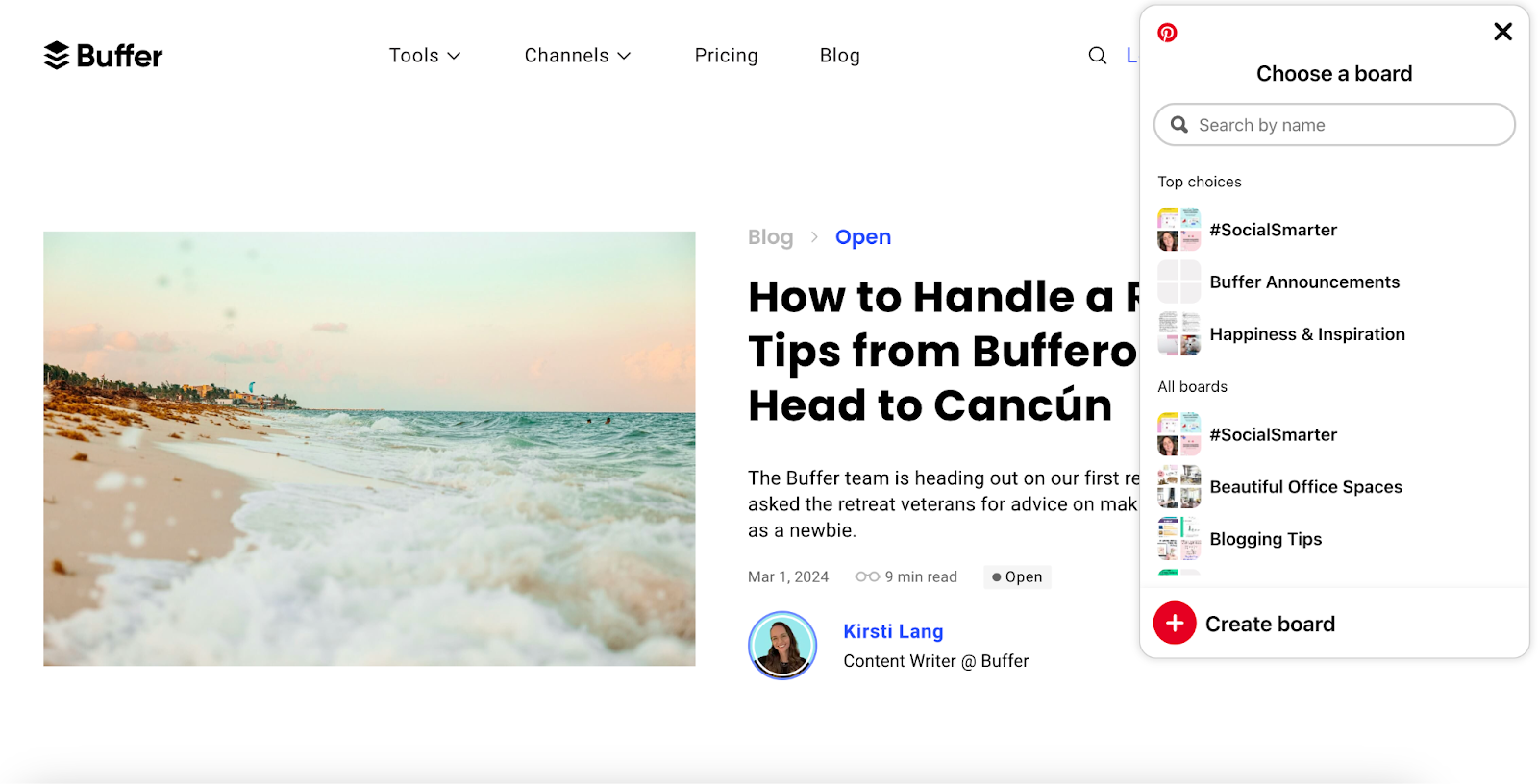
Board Organization: Boards serve as curated collections of pins, and their organization is key to user experience and discoverability. Each board should have a clear theme, a keyword-rich title, and a descriptive summary. Creating diverse, yet focused, boards allows users to easily navigate a brand’s offerings and helps the Pinterest algorithm understand the content’s relevance. Secret boards can be utilized for planning or developing content before public release.
-
Repurposing Content Effectively: While repurposing content from other platforms is efficient, it must be done strategically for Pinterest. Direct cross-posting of content with watermarks from TikTok or Instagram, or copyrighted music, can hinder performance. Content should be adapted to Pinterest’s vertical format and search-driven context, ensuring high quality and adherence to platform guidelines. This "repurposing with purpose," as Heather Farris terms it, maximizes content’s impact across channels.
-
Anticipating Trends: Pinterest users are planners. They start searching for holiday decor, seasonal recipes, or event ideas well in advance. Businesses should align their content calendar with upcoming trends, seasons, and holidays, publishing relevant pins weeks or even months ahead of time to capture this anticipatory audience.
Leveraging Analytics for Performance Optimization
Pinterest Analytics, available to business accounts, provides a wealth of data to measure content performance and refine strategy. Key metrics to monitor include:
- Impressions: The number of times your pins were seen. This is a crucial indicator of reach and discoverability. If impressions are low, it suggests issues with keyword optimization or visual appeal.
- Pin Clicks: The number of clicks on your pins, indicating user interest and the effectiveness of your visuals and titles.
- Saves: The number of times users saved your pins to their boards. This reflects the value and inspirational quality of your content.
- Outbound Clicks: The number of clicks from your pins to your linked website or landing page. This is the ultimate conversion metric for driving traffic.
Marketing experts, including Heather Farris, advocate for prioritizing these metrics in a specific order: impressions first, then pin clicks, saves, and finally outbound clicks. This sequence reflects the customer journey from discovery to conversion. By analyzing these data points, businesses can identify top-performing content, understand audience preferences, and iteratively improve their Pinterest strategy, making data-driven decisions to optimize for maximum impact.
The Enduring Value of Pinterest in Digital Marketing
In an era dominated by fleeting trends and algorithm shifts, Pinterest stands out as a platform that rewards patience, strategic planning, and quality content. It is a marathon, not a sprint, offering longevity for content that is well-optimized and genuinely valuable. Unlike the immediate gratification sought on other social networks, the investment in Pinterest content yields sustained returns, with pins continuing to drive traffic and engagement for extended periods.
For marketers, small business owners, and creators, Pinterest represents a powerful, long-term asset in a diversified digital marketing strategy. Its unique blend of visual inspiration, search engine functionality, and high user intent creates an unparalleled environment for brand discovery, community building, and direct commerce. By understanding its distinct mechanics and adhering to best practices, businesses can unlock Pinterest’s full potential, transforming it into a consistent engine for growth and customer acquisition. The future of digital commerce increasingly lies in platforms that seamlessly integrate inspiration with action, and in this regard, Pinterest continues to lead the way.