
 Ali Ikhwan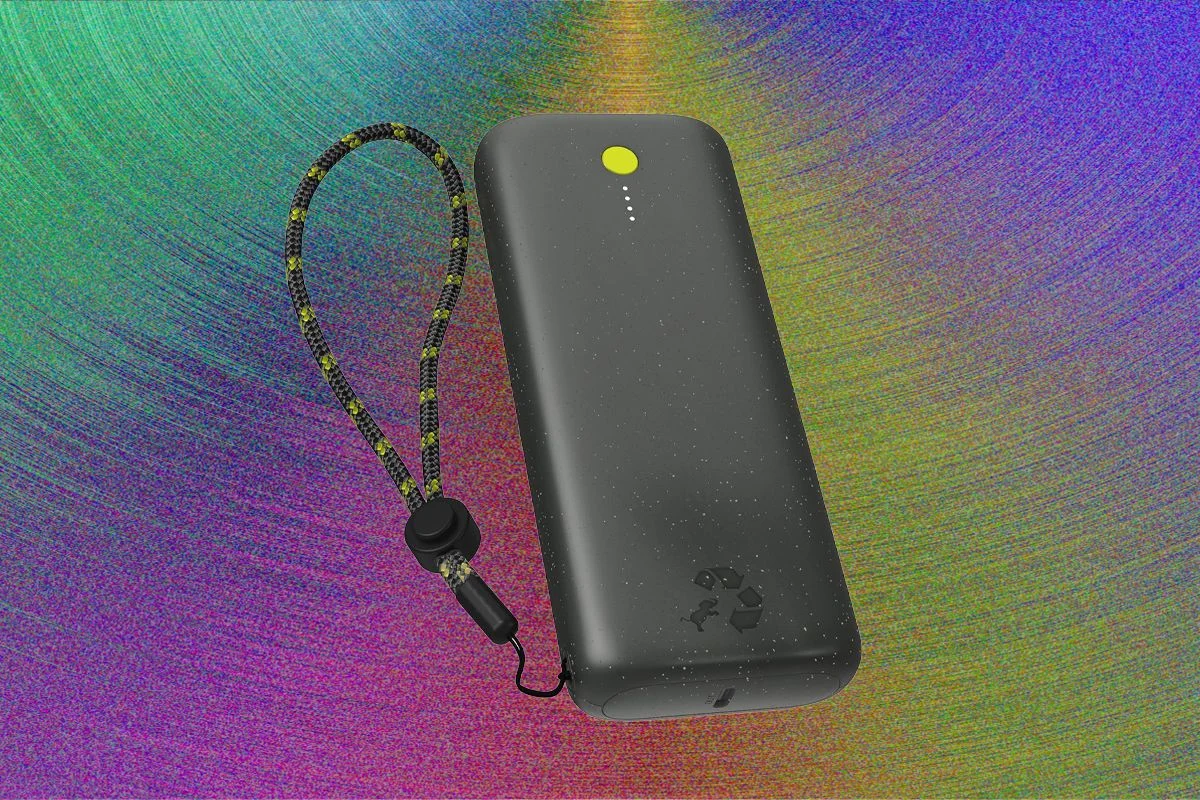
The landscape of mobile power delivery has undergone a radical transformation over the past decade, moving from the ubiquitous 5-watt "sugar cube" adapters of the early 2010s to the sophisticated Gallium Nitride (GaN) high-speed chargers of today. As Apple continues to push the boundaries of battery management and charging speeds with its latest iPhone iterations, the selection of appropriate charging hardware has become a critical consideration for consumers. The choice of a charger is no longer a matter of mere compatibility; it is an optimization of speed, heat management, and lifestyle integration. Industry experts and testing teams have identified that the "best" charger is defined by the specific use case, whether that involves rapid midday top-offs, overnight bedside charging, or portable power for travel.
The Evolution of iPhone Power Delivery: A Brief Chronology
To understand the current state of iPhone charging, one must look at the technical trajectory Apple has followed since the introduction of the Lightning connector. In 2012, Apple debuted the Lightning port with the iPhone 5, replacing the aging 30-pin dock connector. For years, charging speeds remained stagnant at 5W to 12W.
The first major shift occurred in 2017 with the release of the iPhone 8 and iPhone X, which introduced support for the Qi wireless charging standard and USB Power Delivery (USB-PD) for fast wired charging. This allowed users to reach a 50 percent charge in approximately 30 minutes using an 18W or higher adapter. In 2020, Apple introduced MagSafe with the iPhone 12 series, a magnetic charging system that increased wireless speeds to 15W.
The most significant pivot in recent years occurred in 2023, when Apple transitioned the iPhone 15 series to USB-C, following mandates from the European Union. This change unified Apple’s charging ecosystem with the rest of the consumer electronics industry, enabling higher data transfer speeds and more versatile power options. Most recently, the iPhone 17 series has pushed the envelope further, supporting wired charging speeds up to 40W, a significant leap from the 20W to 27W averages seen in previous generations.

High-Performance Wall Charging: The Rise of GaN Technology
For users seeking the fastest possible wired charging, the industry has shifted toward Gallium Nitride (GaN) technology. GaN chargers are more efficient than traditional silicon-based chargers, allowing for higher power output in a significantly smaller form factor.
The Anker Nano 45W has emerged as a primary recommendation for the latest iPhone hardware. While many older iPhone models peak at 20W or 27W, the iPhone 17, 17 Pro, and 17 Pro Max are capable of utilizing up to 40W of power. The Anker Nano 45W, featuring folding prongs and a compact design, is engineered to handle these higher loads. Data suggests that using a 40W-capable charger with a compatible iPhone can result in a 50 percent battery increase in just 20 minutes.
Industry analysts note that "future-proofing" is a key driver in the wall charger market. Even users with older devices, such as the iPhone 13 or 14, benefit from high-wattage chargers like the Anker Nano, as the device’s internal power management controller will safely negotiate the maximum wattage it can handle, while the charger remains ready for the user’s next hardware upgrade.
Portable Power Solutions and Sustainability Trends
The portable power bank market has bifurcated into two segments: high-capacity traditional packs and convenience-focused magnetic chargers.
Nimble has carved out a significant niche by focusing on environmental, social, and governance (ESG) criteria. The Nimble Champ (Series 2) is a compact 10,000-mAh power bank that utilizes bioplastics and recycled materials. It is designed to deliver 20W to two devices simultaneously. In a market often criticized for contributing to e-waste, Nimble’s approach—which includes minimal packaging and a focus on recycled components—has received praise from environmental advocacy groups.
-Portable-Charger-Reviewer-Photo-(no-border)-SOURCE-Simon-Hill.jpg)
For those prioritizing the Apple ecosystem’s unique features, the MagSafe-compatible portable charger has become an essential accessory. The Anker MagGo Power Bank (10K) utilizes the new Qi2 standard. Qi2 is a significant development in the wireless charging industry; it is an open standard based on Apple’s MagSafe technology, developed by the Wireless Power Consortium (WPC) with Apple’s cooperation. This standard ensures 15W charging speeds and precise magnetic alignment across a broader range of devices. The MagGo 10K features an integrated kickstand and an LED display, providing real-time data on remaining battery percentage and time-to-full metrics.
Multi-Device Ecosystems: The 3-in-1 and 2-in-1 Standards
As the average consumer now owns an iPhone, an Apple Watch, and AirPods, the demand for consolidated charging stations has surged. These devices aim to reduce cable clutter on desks and nightstands.
Belkin’s 3-in-1 Qi2 Charging Stand represents the current pinnacle of this category. It provides 15W of power to the iPhone while simultaneously charging the Apple Watch and AirPods. A key feature of modern chargers in this category is support for iOS "StandBy" mode, which allows the iPhone to act as a smart display or bedside clock when positioned horizontally.
Similarly, Mophie’s 2-in-1 Wireless Charging Stand offers a more streamlined alternative for users who do not require a dedicated Apple Watch puck. The Mophie unit is particularly notable for including a 40W wall adapter in the box—a rarity in a market where manufacturers have largely stopped bundling power bricks to reduce shipping costs and environmental impact.
The Critical Role of Durable Cabling
A charger is only as effective as the cable that connects it to the device. The transition to USB-C has simplified the market, but quality variance remains a concern.
.jpg)
The Anker Prime USB-C to USB-C Cable has set a benchmark for durability. Constructed with braided nylon and recycled plastic, it is rated to withstand extreme temperatures ranging from -40 to 176 degrees Fahrenheit. For users still utilizing older hardware with Lightning ports, third-party manufacturers like Ugreen offer "Made for iPhone" (MFi) certified cables. MFi certification is an official licensing program from Apple that ensures an accessory meets specific safety and performance standards. Uncertified cables often lack the necessary integrated circuits to communicate with the iPhone’s power management system, leading to "Accessory Not Supported" errors or, in extreme cases, hardware damage.
Comparative Charging Speed Data
To illustrate the impact of different charging tiers, consider the following performance metrics observed across the modern iPhone lineup:
- 5W Legacy Charger: 0% to 100% in approx. 3.5 to 4 hours. (Standard for iPhone 4 through iPhone 8).
- 15W Qi2/MagSafe Wireless: 0% to 50% in approx. 45-60 minutes.
- 20W USB-PD Wired: 0% to 50% in approx. 30 minutes. (Standard for iPhone 12 through iPhone 15).
- 40W High-Speed Wired: 0% to 50% in approx. 20 minutes. (Specific to iPhone 17 series).
It should be noted that charging speeds are not linear. Modern lithium-ion batteries utilize a "charging curve" where the speed is highest between 0% and 80%. Beyond 80%, the device enters "trickle charge" mode to preserve battery health by reducing heat and chemical stress.
Industry Implications and Future Outlook
The removal of the charging brick from the iPhone retail box in 2020 was a watershed moment for the third-party accessory industry. While Apple framed the move as an environmental initiative to reduce carbon emissions and mining for precious metals, it effectively shifted the responsibility of power delivery to the consumer and third-party manufacturers like Anker, Belkin, and Mophie.
This shift has fostered a highly competitive market, driving down the cost of high-wattage GaN chargers while accelerating the adoption of universal standards like USB-C and Qi2. Analysts at market research firms suggest that the third-party mobile accessory market will continue to grow at a compound annual growth rate (CAGR) of over 6% through 2030.

The broader implication for consumers is a more versatile, but more complex, purchasing decision. The "best" charger is no longer the one that comes in the box, but rather the one that aligns with a user’s specific hardware capabilities and environmental values. As Apple moves toward a potentially portless future, the development of Qi2 and magnetic alignment technology suggests that the next frontier of iPhone charging will be almost entirely wireless, further emphasizing the importance of high-quality, standardized charging pads and stands.
In conclusion, the current ecosystem of iPhone chargers offers unprecedented choice. From the 40W rapid charging of the Anker Nano to the sustainable portable power of Nimble and the integrated desktop solutions from Belkin, the infrastructure supporting Apple’s mobile devices has never been more robust. Consumers are encouraged to match their charging hardware to their specific iPhone model to ensure both peak performance and long-term battery longevity.







