Cintya Tara Annisa
The specialty coffee industry continues to undergo a significant transformation as consumer demand shifts toward transparency, ethical sourcing, and complex flavor profiles. This week’s curation of offerings from leading international roasters highlights a broader trend: the intersection of high-altitude cultivation, innovative fermentation techniques, and strategic social partnerships. As the global coffee market faces challenges ranging from climate volatility to supply chain fluctuations, these roasters are prioritizing direct relationships with smallholder farmers to ensure both quality and sustainability. The following analysis explores the specific offerings currently defining the market, the regions from which they emerge, and the broader economic implications for the specialty sector.
The State of Seasonal Blends and Market Dynamics
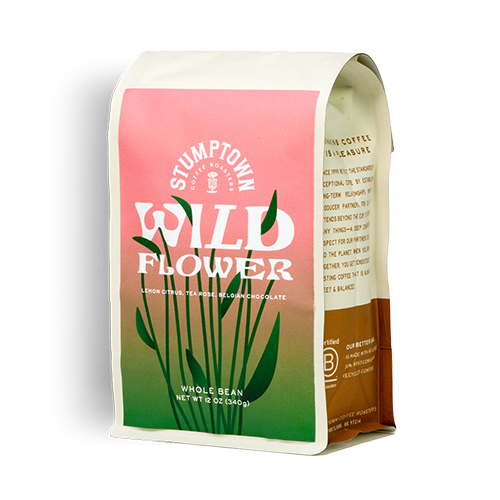
The concept of the "seasonal blend" has evolved from a simple inventory management tool to a sophisticated culinary expression. Roasters like Stumptown Coffee Roasters and Klatch Coffee are leading this movement by combining disparate origins to create specific sensory experiences. Stumptown’s "Wild Flower" blend, for instance, utilizes beans from Papua New Guinea’s Kuta Mill and Rwanda’s Huye Mountain. This pairing is indicative of a market trend where roasters seek "complementary acidity"—balancing the heavy, syrupy body of Pacific coffees with the bright, floral notes of East African varieties.
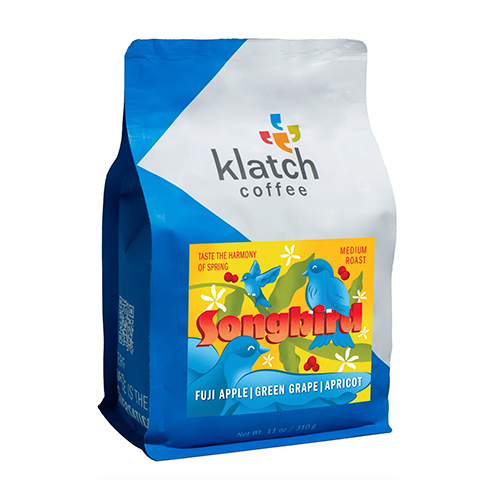
Similarly, Klatch Coffee’s "Songbird" blend showcases the industry’s move toward "process-blending." By incorporating an Orange Bourbon Anaerobic Natural alongside a Panama Catuai Natural and a Washed Mexico, the roaster creates a multi-layered profile of Fuji apple and apricot. Data from the Specialty Coffee Association (SCA) suggests that blends now account for nearly 40% of specialty sales, as they provide a consistent "house style" that consumers can rely on even as individual harvests fluctuate.
Single-Origin Excellence: The African Highlands
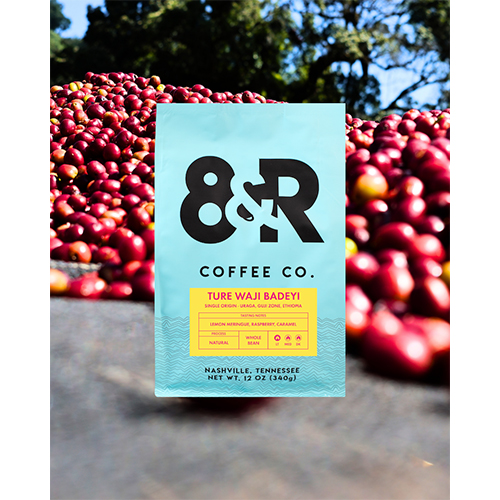
Africa remains the epicenter of high-value specialty coffee, with Ethiopia and Rwanda leading the charge in 2025. The Uraga district in Guji, Ethiopia, has recently become a focal point for high-altitude cultivation. 8th & Roast’s "Ture Waji Badeyi" offering highlights the potential of these elevations. Farmers in this region have only recently begun to master the challenges of growing coffee at such heights, where slower cherry maturation leads to increased sugar concentration and a distinct "tea-like" body.
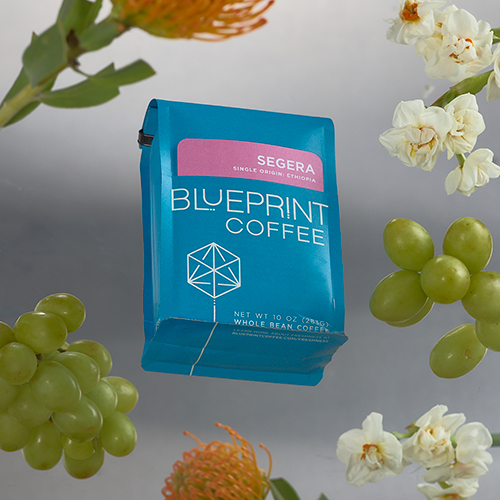
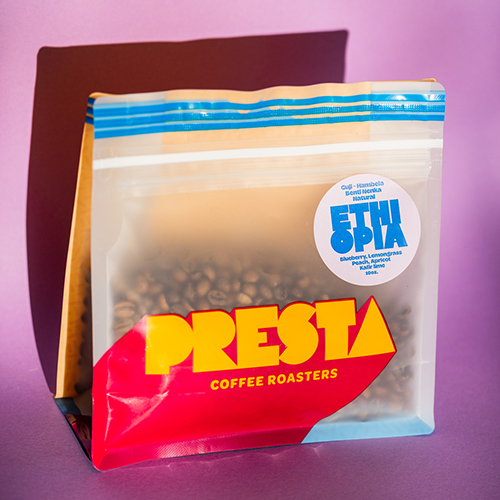
In the Sidama region, Blueprint Coffee’s "Segera" offering points to the importance of meticulous processing. The Bensa Segera washing station, established by Moplaco in 2012, has become a benchmark for quality control. This emphasis on "clean" processing—resulting in notes of candied lime and white peach—is essential for roasters looking to capture the "Third Wave" consumer who values clarity of flavor over roast intensity. Presta Coffee Roasters further emphasizes this with their "Hambela Benti Nenka Natural," sourced from approximately 700 smallholder farmers. The natural process, involving 20 days of drying on raised beds, is a labor-intensive method that has seen a 15% increase in adoption across Ethiopia as farmers seek to capture the higher premiums associated with specialty-grade naturals.
Latin American Terroir and the Evolution of Sourcing
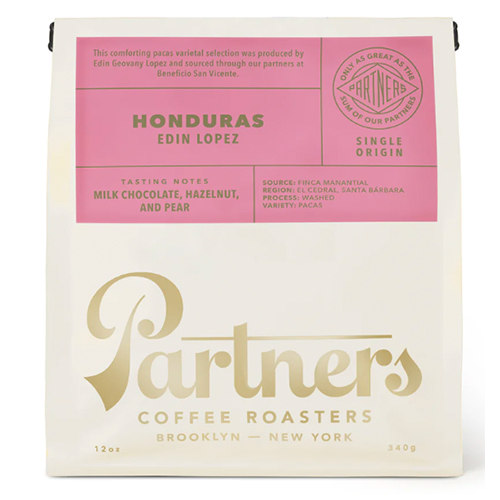
In Central and South America, the narrative is shifting toward professionalization and the support of newer producers. Partners Coffee’s selection of Edin Lopez’s crop from Santa Barbara, Honduras, illustrates this trend. Despite being relatively new to coffee farming, Lopez’s dedication to the fully washed Pacas variety has produced a profile of milk chocolate and red apple that rivals established estates. This reflects a broader movement within the "Beneficio San Vicente" network to empower small-scale producers through technical assistance and market access.
Further south, Night Swim Coffee’s "Finca Rosita" from Bolivia represents the growing prestige of the Caranavi region. At 32 hectares, Finca Rosita is a medium-sized estate that focuses on variety diversification, including Java, Geisha, and Pink Bourbon. The presence of the Java variety in Bolivia is particularly noteworthy; originally from Ethiopia and introduced via the island of Java, this variety has found a unique expression in the volcanic soils of the Andes. Industry analysts note that Bolivia’s coffee production has seen a qualitative surge, with prices for top-tier Bolivian lots increasing by an average of 12% year-over-year in international auctions.
Innovation in Processing: Carbonic Maceration and Yeast Inoculation
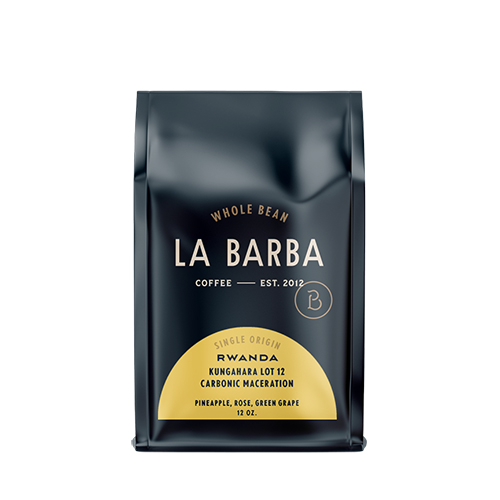
One of the most significant shifts in the 2025 coffee market is the rise of experimental fermentation. Roasters are no longer relying solely on traditional washed or natural methods. La Barba Coffee’s "Rwanda Kungahara Lot 12" utilizes carbonic maceration—a process borrowed from the wine industry—where coffee cherries are fermented in a CO2-rich environment. This technique alters the microbial activity during fermentation, often resulting in "funky" or tropical notes like pineapple and rose.
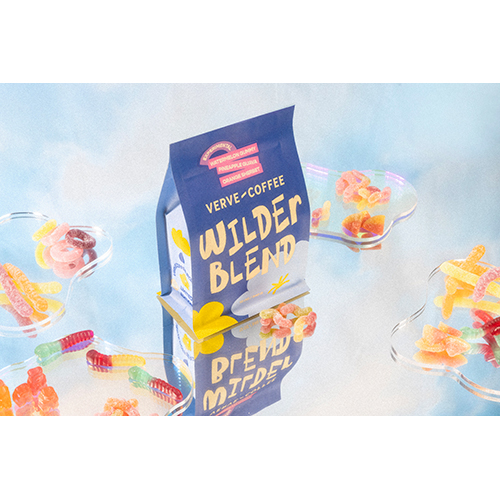
PERC Coffee’s "Super Power Plum," produced by renowned innovator Diego Bermudez, takes this a step further. Bermudez is a leader in "thermal shock" and controlled fermentation, which allows for the precise manipulation of flavor precursors. Similarly, Verve Coffee Roasters’ "Wilder Blend" utilizes yeast-inoculated Colombian coffees. By introducing specific yeast strains during fermentation, roasters can amplify aromatics and sweetness without compromising the coffee’s structural integrity. These methods represent the "Fourth Wave" of coffee, where science and biotechnology are used to enhance the natural potential of the bean.
Strategic Partnerships and Social Responsibility
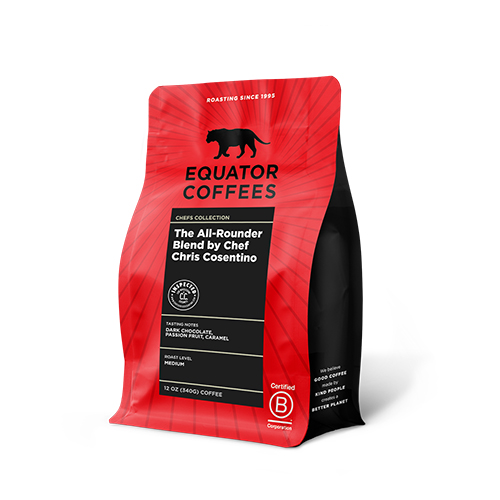
The specialty coffee sector is increasingly being used as a vehicle for social change. Equator Coffees’ collaboration with Chef Chris Cosentino on "The All-Rounder Blend" is a prime example. Beyond the culinary profile of dark chocolate and passion fruit, a portion of the proceeds supports the NorCal Interscholastic Cycling League. This model of "cause-marketing" is becoming a standard expectation for Gen Z and Millennial consumers, who now comprise over 50% of the specialty coffee market.
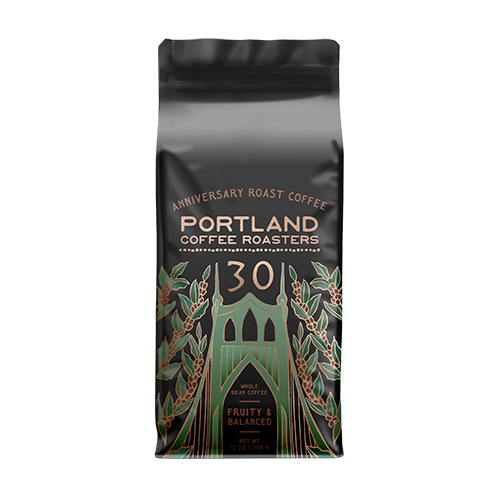
Portland Coffee Roasters also integrates social history into its offerings, with its "Anniversary Roast" celebrating long-standing relationships in Costa Rica, Colombia, and Ethiopia. By pre-roast and post-roast blending different lots, they achieve a complexity that honors the brand’s longevity. This commitment to long-term purchasing agreements is critical for farmer stability, especially as the "C-market" (the global commodity price for coffee) remains volatile.
Market Analysis: Versatility and Consumer Accessibility
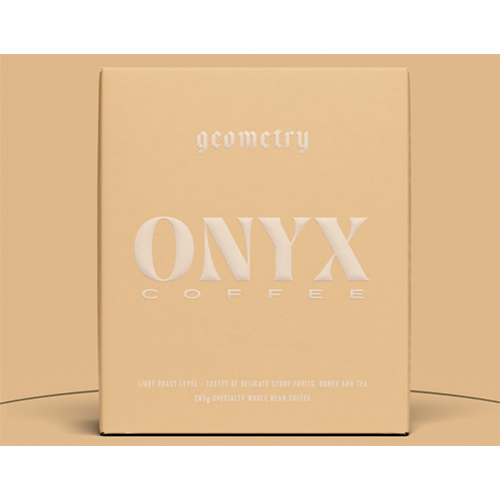
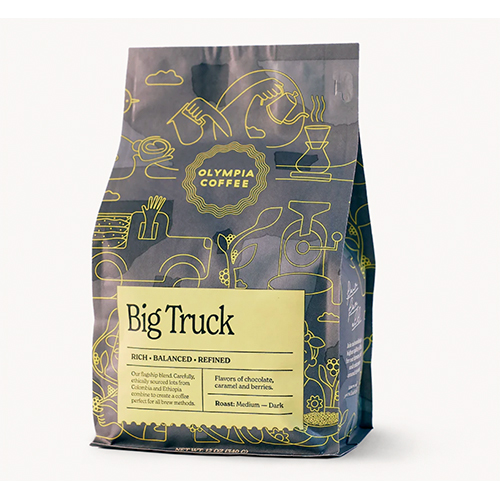
While experimental lots garner headlines, the "backbone" of the industry remains the versatile, high-quality blend designed for multiple brew methods. Onyx Coffee Lab’s "Geometry" and Olympia Coffee’s "Big Truck" are flagship examples. These coffees are engineered to perform equally well as filter coffee or espresso. Onyx’s "Geometry," a blend of washed Ethiopian and Colombian beans, is specifically marketed for its ease of "dialing in"—addressing a common pain point for home baristas.
Caffe Umbria’s "Bizzarri Blend" highlights another market segment: the "con latte" consumer. This medium-dark roast is structured to maintain its flavor profile—notes of molasses and pecan—when paired with milk or cream. As the plant-based milk market continues to grow (projected to reach $38 billion by 2030), roasters are increasingly testing their blends against oat, almond, and soy milks to ensure flavor compatibility.
Chronology of the 2024-2025 Harvest Cycles
The availability of these specific coffees is dictated by a strict chronological harvest cycle:
- Late 2023 – Early 2024: Harvests in Ethiopia and Rwanda began, with processing and milling occurring through the spring.
- Mid 2024: Central American coffees (Honduras, Costa Rica) reached peak freshness and were shipped to North American roasters.
- Late 2024: Experimental lots from Colombia (Bermudez, yeast-inoculated) were finalized and released to coincide with the winter and early spring demand.
- Early 2025: Current releases, such as the Stumptown "Wild Flower" and Klatch "Songbird," hit the market, utilizing the freshest arrivals from the previous year’s late-cycle harvests.
Broader Economic Impact and Implications
The continued growth of the specialty coffee sector has profound implications for global trade. According to recent market reports, the global specialty coffee market is expected to grow at a Compound Annual Growth Rate (CAGR) of 11.3% through 2030. This growth is driven by the "premiumization" of the coffee experience.
However, this growth is threatened by the "coffee leaf rust" (La Roya) and the increasing frequency of extreme weather events in the "Coffee Belt." The roasters featured in this week’s collection are responding by paying significantly above the Fair Trade minimums—often 2x to 4x the commodity price—to ensure that farmers have the capital to invest in climate-resilient infrastructure.

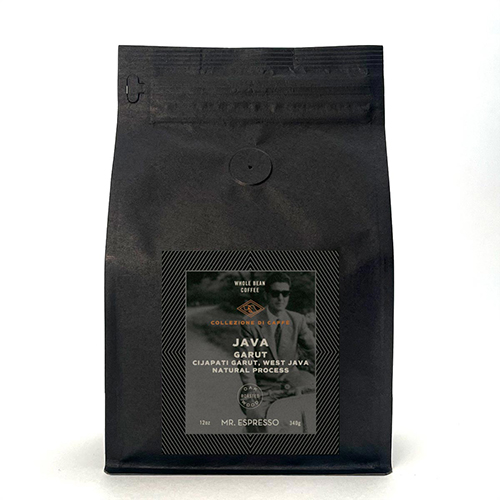
Furthermore, the rise of specialty coffee in non-traditional regions, such as the West Java Regency in Indonesia (highlighted by Mr. Espresso’s "Java Garut"), suggests a diversifying supply chain. By moving away from a reliance on a few key regions, the industry builds resilience. The "Java Garut" offering, with its unusual natural processing and volcanic soil profile, signals that Indonesia—long known for its earthy, wet-hulled coffees—is successfully pivoting toward the high-value specialty market.
In conclusion, the current landscape of specialty coffee is characterized by a sophisticated blend of traditional agricultural wisdom and modern technological innovation. From the high-altitude farms of Guji to the experimental labs of Colombia, the industry is moving toward a future where quality, transparency, and social impact are inextricably linked. For the consumer, this results in a "village" of offerings that are not only sensory delights but also artifacts of a complex and evolving global economy.