Pranda Michaela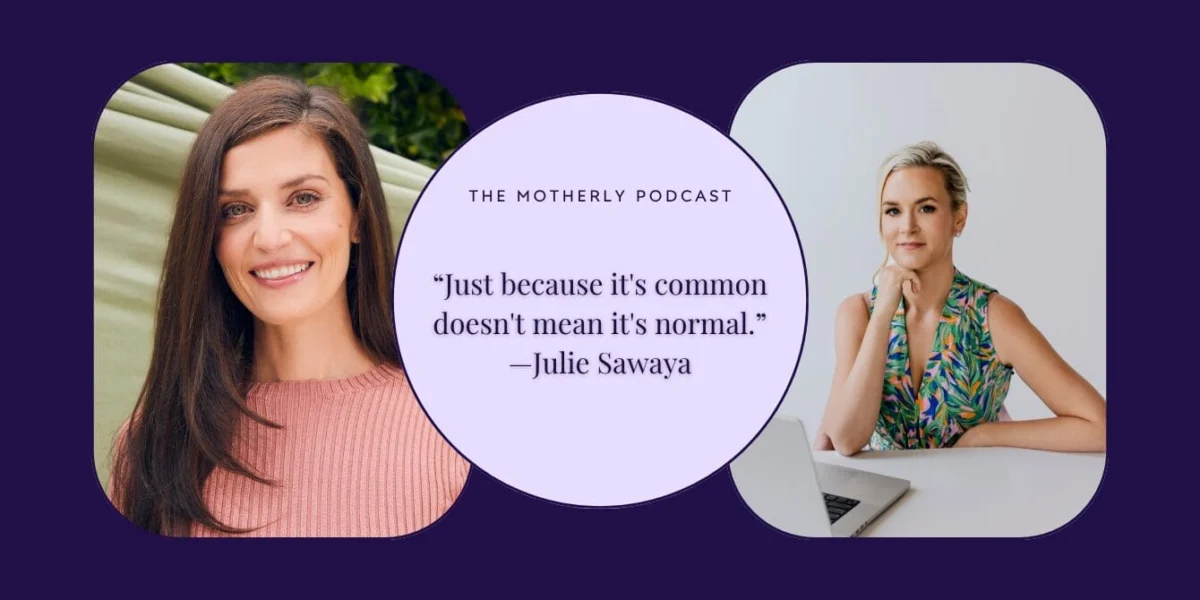
Julie Sawaya, a nutritionist with a meticulous approach to her own well-being, found herself in a state of profound disbelief during her MBA program at Stanford. Convinced that her healthy lifestyle, including regular visits to the farmer’s market and a mindful approach to diet, would be reflected in her health metrics, she underwent an at-home nutrient test. The results were a stark contradiction to her expectations, revealing that nearly every nutrient measured was critically low. This unexpected revelation, shared by her co-founder and fellow nutritionist, Ryan Woodbury, ignited a mission that would lead to the establishment of Needed, a company dedicated to transforming perinatal nutrition.
Needed’s core premise is built upon a deeply unsettling statistic: despite 97% of pregnant women taking a prenatal vitamin, an overwhelming 95% remain nutritionally depleted. Sawaya and her team identified a critical flaw in the existing landscape of prenatal supplementation. The established nutritional guidelines, upon which most prenatal vitamins are based, originated in 1941 and were largely derived from research conducted primarily on men. This outdated paradigm, focused on preventing deficiency rather than optimizing health, has left a significant gap in the nutritional support provided to expectant and new mothers.
In an insightful conversation on The Motherly Podcast, Sawaya detailed her journey, shedding light on the complexities of optimal nutrition during pregnancy and the postpartum period. She addressed the societal normalization of maternal depletion and shared her experiences building a company while simultaneously navigating the joys and challenges of raising a family of three, having experienced four pregnancies during the company’s formative years.
Meeting the Expert: Julie Sawaya’s Vision for Maternal Health
Julie Sawaya, co-founder of Needed, is a Stanford MBA and a trained nutritionist whose personal experience catalyzed a significant shift in her understanding of women’s health. Needed, a science-backed perinatal nutrition company, provides high-quality vitamins and supplements designed to address the pervasive nutritional gaps women encounter before, during, and after pregnancy. The company’s journey began after Sawaya and her co-founder, Ryan Woodbury, discovered their own significant nutritional deficiencies, a finding that mirrored broader clinical research on the vast majority of women. Today, Needed is recognized and recommended by over 15,000 women’s health practitioners. Sawaya’s personal story is intertwined with the company’s mission; she is a mother of three and has navigated four pregnancies while actively building and scaling Needed.
A Personal Revelation: The Genesis of Needed
The "aha" moment that spurred the founding of Needed occurred in 2016 when at-home nutrient testing began to gain accessibility. Sawaya and Woodbury, then neighbors in business school at Stanford, decided to test their own nutritional status, anticipating that their diligent health practices would yield favorable results. Instead, they were met with a startling reality: both were severely nutritionally depleted. Sawaya recalls that "almost every single nutrient was in the red zone." This personal shock served as the catalyst for their deep dive into the epidemic of women’s nutritional depletion, a phenomenon they discovered to be a "relatively silent but ubiquitous epidemic" affecting upwards of 95% of women across various life stages. The persistence of this deficiency, even among pregnant women who diligently take prenatal vitamins, highlighted a critical disconnect in current health practices.
The Flaw in Prenatal Nutrition: An Outdated Paradigm
Sawaya explained that the nutritional demands of pregnancy are "orders of magnitude different" from what is typically found in standard prenatal vitamins. The foundation of most prenatal supplements in the U.S. rests on Recommended Daily Allowances (RDAs) established in 1941, a time of wartime scarcity. These RDAs represent the minimum nutritional intake required to prevent overt disease, not to foster optimal health and well-being. Furthermore, a significant portion of the research underpinning these recommendations, particularly for pregnancy and breastfeeding, predates contemporary understanding and often excludes pregnant and breastfeeding women. A substantial percentage of the underlying studies were conducted on men, with extrapolated data applied to women. This "bare minimum paradigm," as Sawaya describes it, is fundamentally insufficient for the complex physiological demands of pregnancy and postpartum recovery.
The Underemphasis on Nutrition in Pregnancy Care
Several systemic factors contribute to the underemphasis of nutrition within prenatal care in the United States. Firstly, the medical system itself offers minimal nutritional education. Physicians typically receive less than four hours of nutrition training throughout their four-year medical school education, and referrals to registered dietitians are uncommon. This leaves many women without access to in-depth, personalized nutritional guidance.
Secondly, the practical realities of obstetric appointments in the U.S. often limit the scope of discussions. With average appointment times of just 12 minutes, nutrition is rarely a focal point unless a specific diagnosis, such as gestational diabetes, is present. Sawaya recounts her first pregnancy, where the only nutritional inquiry was whether she was taking a prenatal vitamin. "Yes," was the answer, and the conversation concluded, with no further exploration of the vitamin’s contents or her overall dietary intake. This "check the box" approach is echoed by the thousands of consumer interviews conducted by Needed, where the most frequent advice given to patients inquiring about prenatal vitamins is simply to "take anything, they’re all the same." This pervasive sentiment underscores the lack of comprehensive nutritional counseling.
The Far-Reaching Impact of Maternal Nutrition
The nutritional environment preconception, during pregnancy, and postpartum holds profound implications for the woman, the baby, and society at large. Research consistently demonstrates that adequate nutrition can significantly alter health outcomes. Pregnancy-related conditions such as gestational diabetes, hypertension, and preterm birth have well-established links to nutritional status. Beyond birth, studies highlight the long-term cognitive benefits for children, with in utero choline consumption, for instance, showing positive impacts on cognitive development three to five years later.
However, Sawaya emphasizes the critical importance of maternal well-being. During pregnancy, the body prioritizes fetal development, meaning the difference between optimal and minimalistic nutrition is often most acutely felt by the mother. Nutrients like omega-3 fatty acids and folate can be drawn from the maternal brain to support the fetus. Pregnancy, fertility, and postpartum represent the most nutritionally demanding periods in a woman’s life. The subsequent period, between weaning and perimenopause, is the second most demanding, and this crucial window is often overlooked.
Needed: A New Standard in Perinatal Nutrition
Needed differentiates itself by prioritizing optimal nutrition over cost or convenience. The company’s rigorous three-and-a-half-year research and development phase focused on identifying what constitutes optimal nourishment, rather than simply what could fit into a certain number of pills or meet profit margins. Many products on the market are "white-labeled," meaning a standard supplement is rebranded with minimal modification.
Needed’s flagship product, an eight-capsule prenatal multivitamin, is practitioner-grade and meticulously formulated to optimize 26 vitamins and minerals, offering up to 12 times the nutritional value of average leading prenatal vitamins. Their three-capsule prenatal provides eight times the nutritional value. Crucially, Needed emphasizes a "systems approach" and avoids a "more is more" philosophy, carefully dosing nutrients like folate. Each product is designed for safe co-administration with other Needed supplements, ranging from egg quality support to cycle and perimenopause support. This holistic approach aims to provide comprehensive nutritional support across a woman’s reproductive health journey.
Challenging the Normalization of Maternal Depletion
Sawaya attributes the societal normalization of maternal depletion to a cultural emphasis on exhaustion and self-sacrifice. Women are often expected to manage demanding careers while also shouldering the primary responsibility for childcare, frequently without adequate paid leave or support systems. The expectation to "bounce back" immediately after childbirth, particularly in the U.S. where many women return to work within weeks of giving birth, exacerbates this issue.
"Just because it’s common doesn’t mean it’s normal," Sawaya asserts. She believes that while products like Needed are essential, they are not a complete solution. A fundamental cultural shift is required, one that first raises awareness about the signs of depletion and destigmatizes seeking support. Needed’s mission extends beyond supplements; they aspire to a future where such specialized products are no longer necessary, but until then, they aim to empower women to show up more fully in their lives by addressing underlying nutritional deficiencies.
Combating Depletion: A Personal and Professional Endeavor
Sawaya’s personal journey mirrors the challenges faced by many mothers. Having experienced four pregnancies and raising three children while building Needed, she acknowledges the difficulty of maintaining nutritional habits. "I keep my vitamins literally on my desk because if I don’t, I’ll forget to take them," she admits. She prioritizes daily outdoor activity, mindful evening routines, and fiercely protects her weekend family time. The mission of Needed serves as a powerful personal motivator, but she stresses the importance of establishing boundaries. The demands of being a founder and a working mother are immense, and Sawaya recognizes that motherhood, regardless of whether it’s a primary profession or balanced with a career, is profoundly challenging.
A Vision for a Supported Motherhood
If Sawaya could enact one change with a "magic wand" to support mothers in the U.S., it would be to "center the importance of mothers in our society and hero women for the role they play every single day." She believes that every day should be a celebration of motherhood, recognizing mothers as the "foundation of our society." In an era of declining birth rates, Sawaya advocates for a fundamental societal re-prioritization, emphasizing mothers and children as paramount.
Motherhood as a Superpower
Reflecting on Motherly’s belief that motherhood unlocks superpowers, Sawaya identifies her ability to "show up and make people feel seen and supported in a group setting" as her own. Her experience parenting three children has honed her capacity to attend to individual needs within a collective dynamic, a skill that translates effectively to her role at Needed as the team has grown. Contrary to her earlier apprehension that motherhood might hinder her professional capabilities, Sawaya has found the opposite to be true. Motherhood has enhanced her efficiency, clarity of priorities, and communication skills, a realization she wishes she had embraced earlier in her life.
The full conversation with Julie Sawaya is available on The Motherly Podcast. This interview has been edited and condensed for clarity.