Clara Fransiska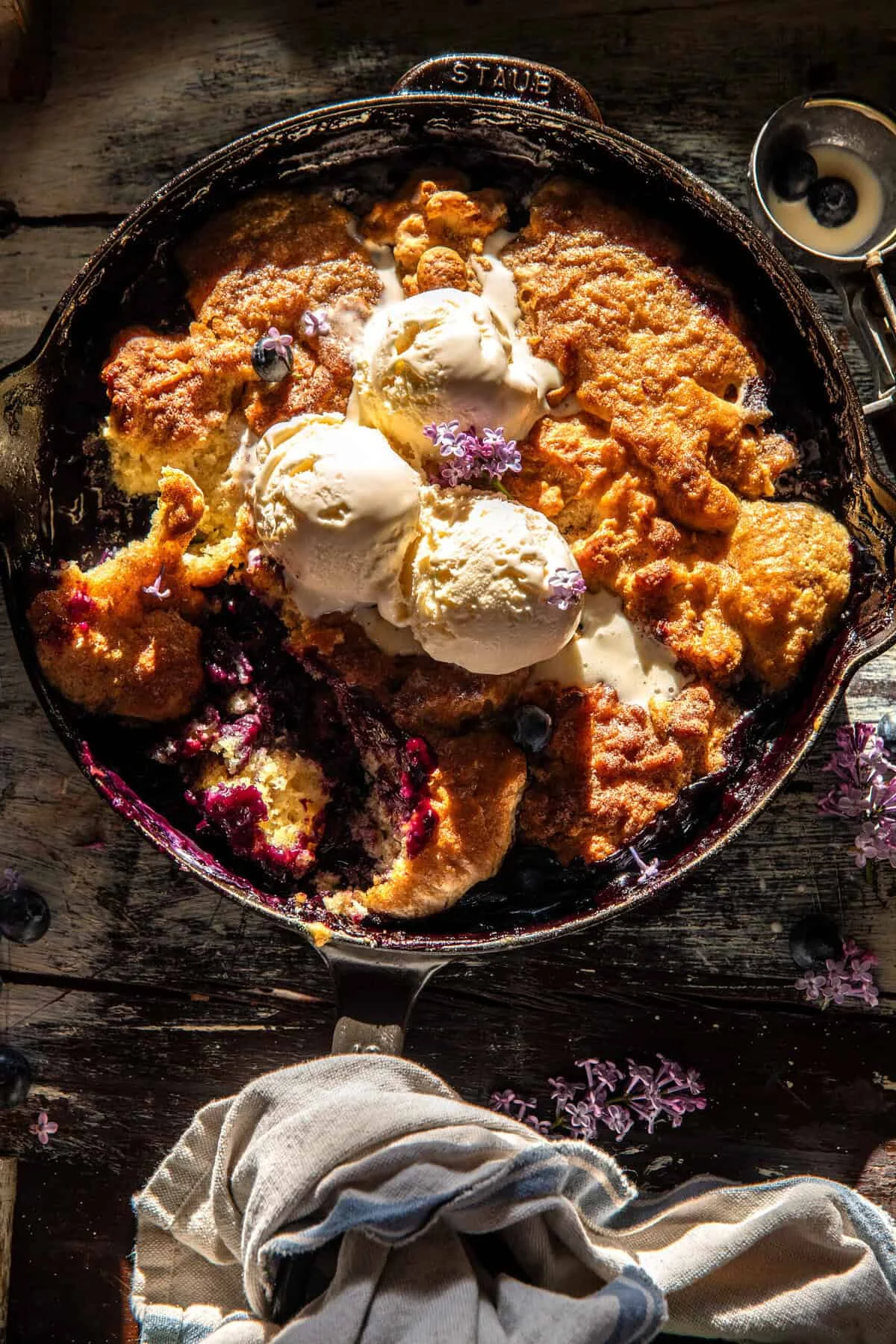
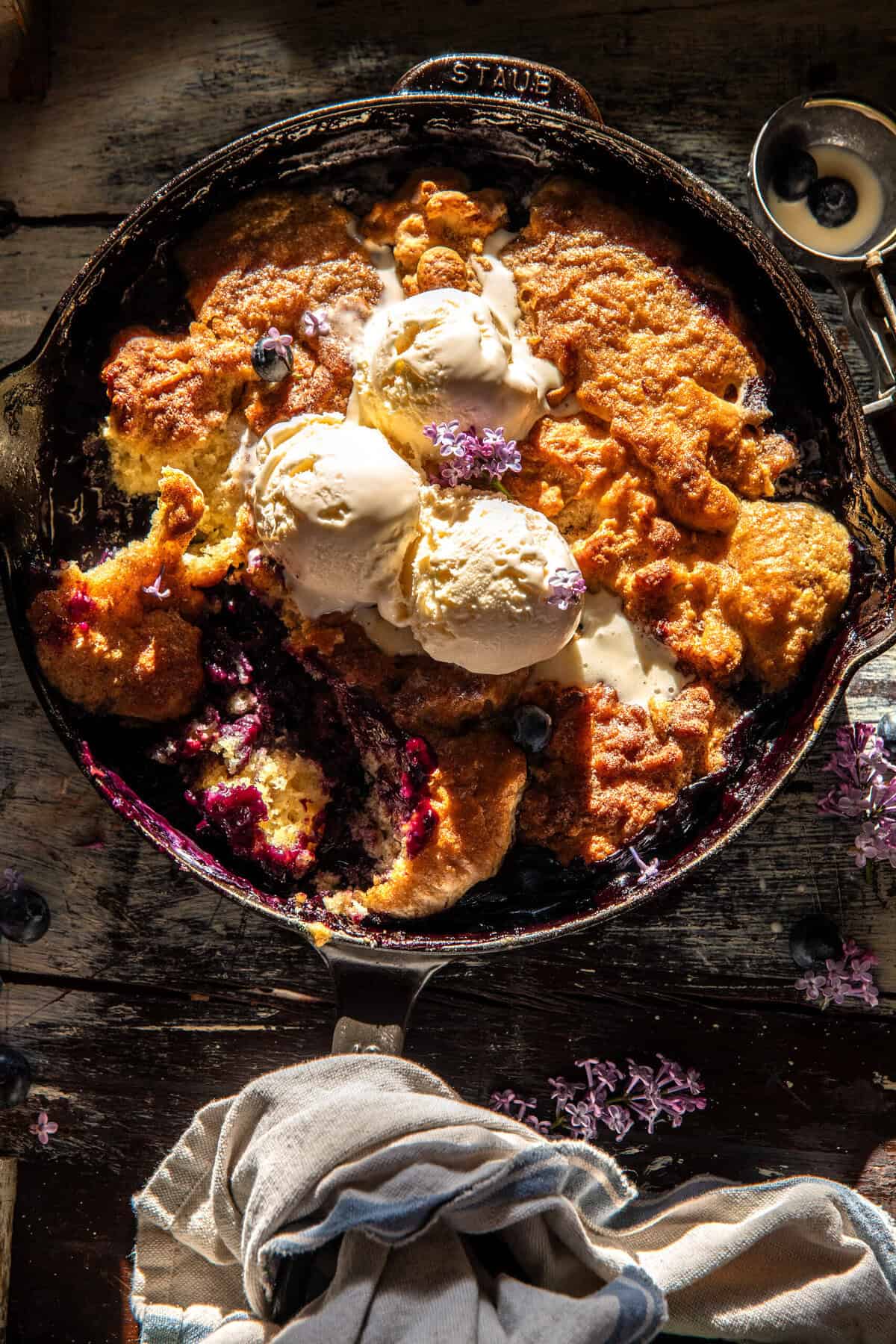
The aroma of warm, bubbling blueberries, kissed with the subtle sweetness of vanilla bean, and crowned with a tender, golden biscuit topping, signals the arrival of a beloved dessert. This classic Blueberry Vanilla Bean Cobbler, a recipe deeply rooted in the heartwarming tradition of home baking, embodies the spirit of sharing and culinary creation that defines the Half Baked Harvest kitchen. More than just a recipe, it’s a testament to the inspiration found in family connections and the joy of crafting meals to nourish loved ones.
At its core, this cobbler is a celebration of simple, high-quality ingredients coming together to create something truly special. The recipe highlights the natural sweetness of fresh blueberries, enhanced by the aromatic depth of real vanilla bean. This potent combination is enveloped by a rich, buttery biscuit topping that caramelizes around the edges, forming a delightful contrast of textures. The result is a dessert that is both comforting and sophisticated, best enjoyed warm with a scoop of creamy vanilla ice cream, a pairing that has been a personal favorite of the youngest son, Oslo, for whom this particular creation was inspired.
The genesis of this recipe, like many others from the Half Baked Harvest repertoire, can be traced back to gatherings of family and close friends. The author frequently emphasizes that the most potent culinary inspiration often emerges when surrounded by loved ones, a sentiment that underscores the deeply personal nature of the blog’s creations. This philosophy extends beyond mere recipe development; it’s about the act of giving, with the author finding particular fulfillment in feeding family and friends. This act is perceived as an even more profound form of gift-giving than material presents, requiring a deeper understanding of individual preferences and a greater investment of thought and care.
A specific instance that fueled the creation of this particular cobbler was the author’s youngest brother, Oslo, a discerning five-year-old with a pronounced fondness for vanilla-forward desserts and a general enthusiasm for berries. Oslo’s palate, characterized by a love for vanilla ice cream and chocolate chip cookies, and an openness to citrus and berries, presented a delightful challenge and inspiration. The author’s strategy to introduce new foods to Oslo, even when faced with the typical five-year-old’s preference for simpler fare, involves slow, sensory engagement. The tantalizing aroma of the cobbler baking in the oven, intentionally allowed to permeate the house, was a key element in enticing Oslo to try this new, berry-centric dessert. The success of this approach was evident in Oslo’s enthusiastic enjoyment of the cobbler, proving that thoughtful presentation and familiar flavors can pave the way for culinary discovery.
The Art of the Cobbler: Ingredients and Craftsmanship
The Blueberry Vanilla Bean Cobbler is designed for simplicity and impact, requiring minimal specialized equipment. A standard 9×13 inch baking dish or a 10-12 inch oven-safe skillet suffices, alongside a couple of mixing bowls. Notably, the recipe bypasses the need for extensive chopping, making it an accessible option for bakers of all skill levels.
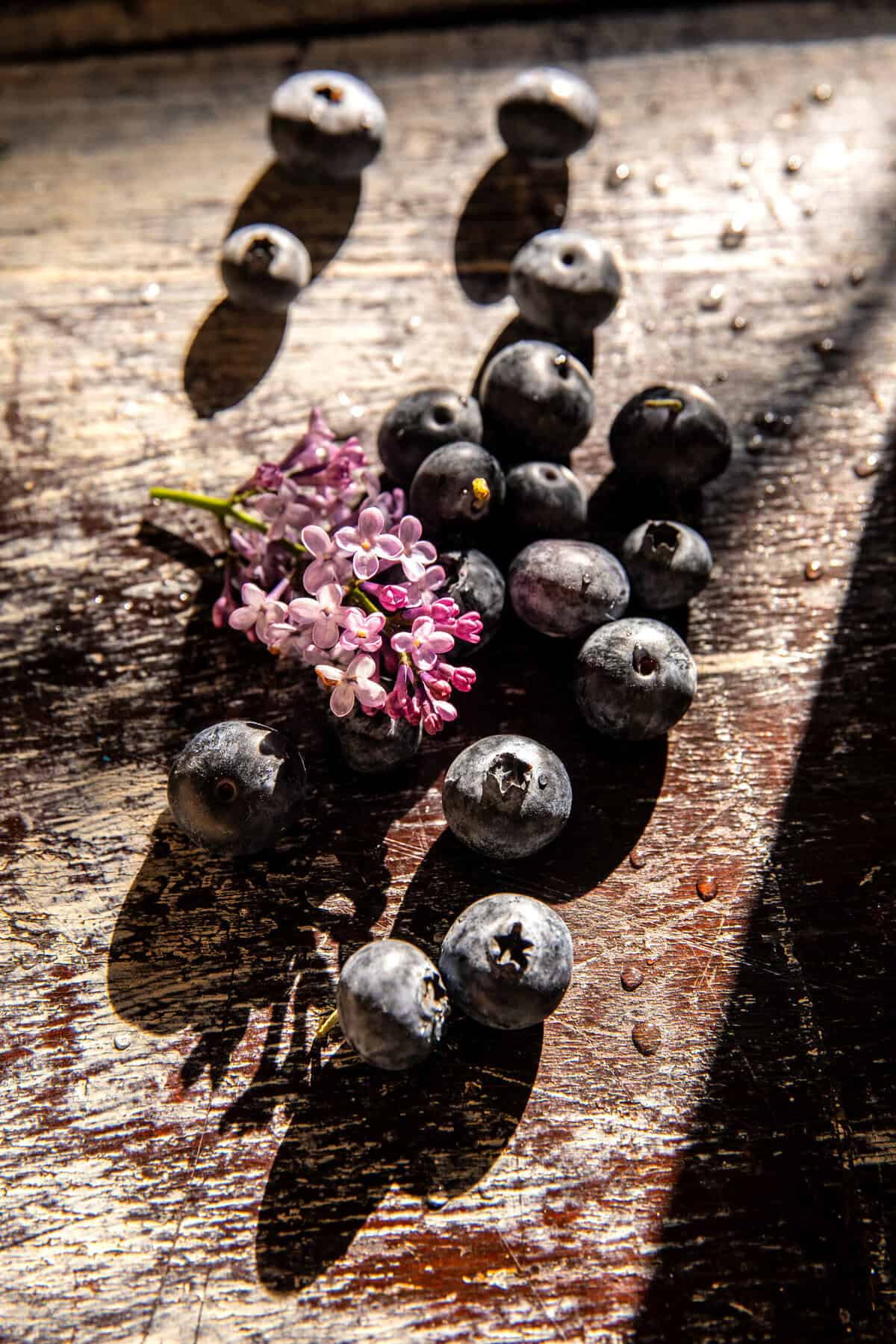
The foundation of the cobbler lies in its two primary components: the vibrant berry filling and the tender biscuit topping. The filling is a harmonious blend of fresh blueberries, often the star ingredient, though the recipe allows for flexibility with other berries such as blackberries, as used in this instance with a touch of blackberry jam to enhance the berry profile. The inclusion of brown sugar contributes a subtle caramel note and aids in thickening the juices, while vanilla bean paste infuses the entire dish with its signature warm, sweet aroma. A small amount of flour acts as a binder, ensuring the filling achieves a luscious, jam-like consistency.
The biscuit topping is equally straightforward yet crucial to the cobbler’s charm. A simple batter, typically incorporating flour, baking powder, and a pinch of salt for flavor balance, is enriched with milk and brown sugar. The resulting mixture is intentionally kept thick, akin to a soft biscuit dough or a robust pancake batter, designed to be spooned rather than spread evenly over the berries. This intentional unevenness allows for pockets of crispness and varied textures once baked. A final sprinkle of granulated sugar over the top creates a delightful, shimmering crust that hardens beautifully as it bakes, offering a satisfying crunch.
A Timeline of Culinary Creation
The process of creating the Blueberry Vanilla Bean Cobbler is structured to maximize efficiency and flavor development, typically unfolding within a 45-minute timeframe from preparation to completion.
Preparation Phase (Approximately 15 minutes):
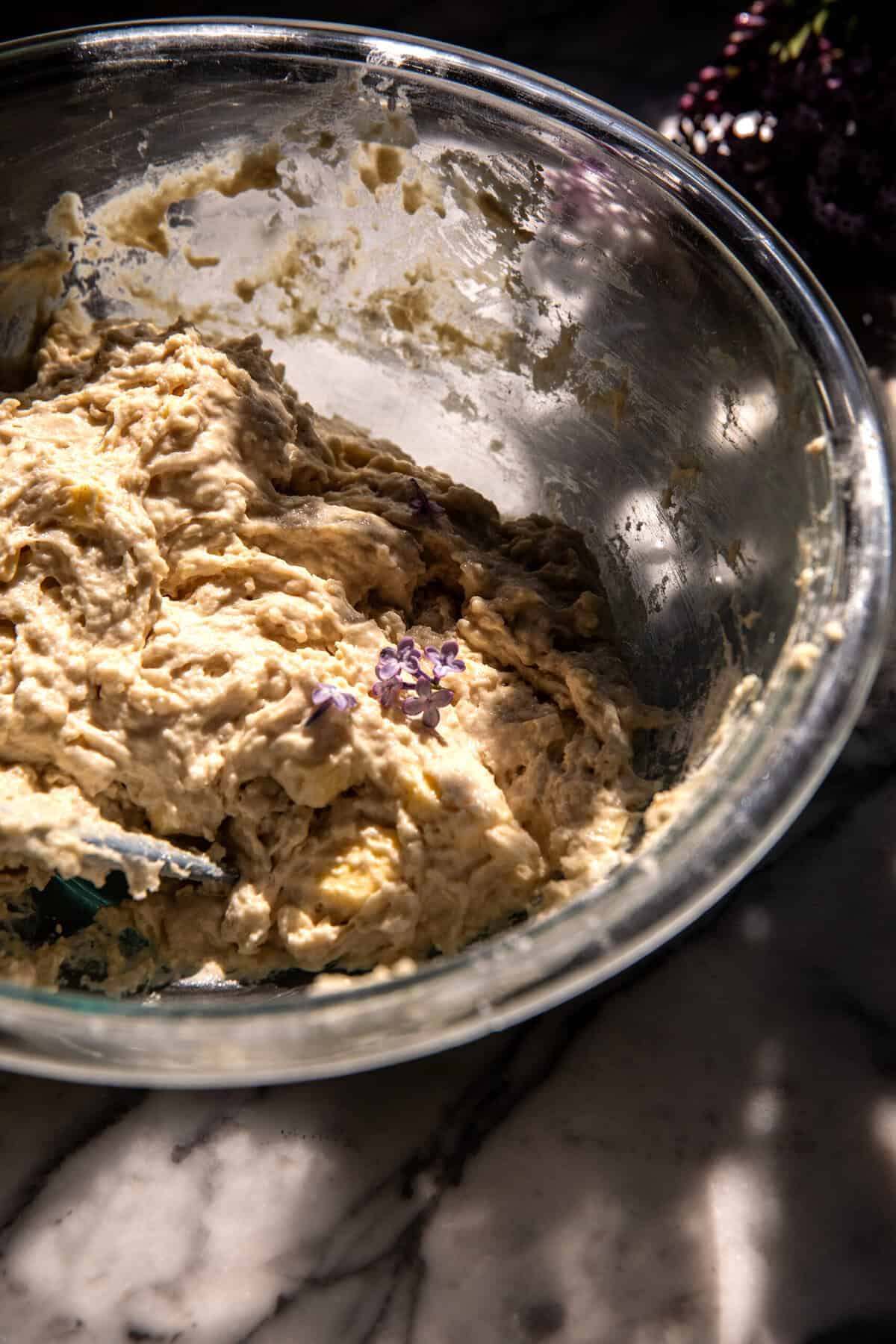
The culinary journey begins with preheating the oven, a crucial first step to ensure an even and consistent bake. Simultaneously, butter is placed in the chosen baking dish and set inside the preheating oven to melt. This technique of melting the butter in the baking dish itself adds a layer of richness and contributes to the characteristic caramelized edges of the finished cobbler. While the butter melts, the dry ingredients for the biscuit topping – flour, baking powder, and salt – are whisked together in a mixing bowl. This is followed by the addition of milk and brown sugar, mixed just until a cohesive, thick batter forms.
Assembly and Baking Phase (Approximately 30 minutes):
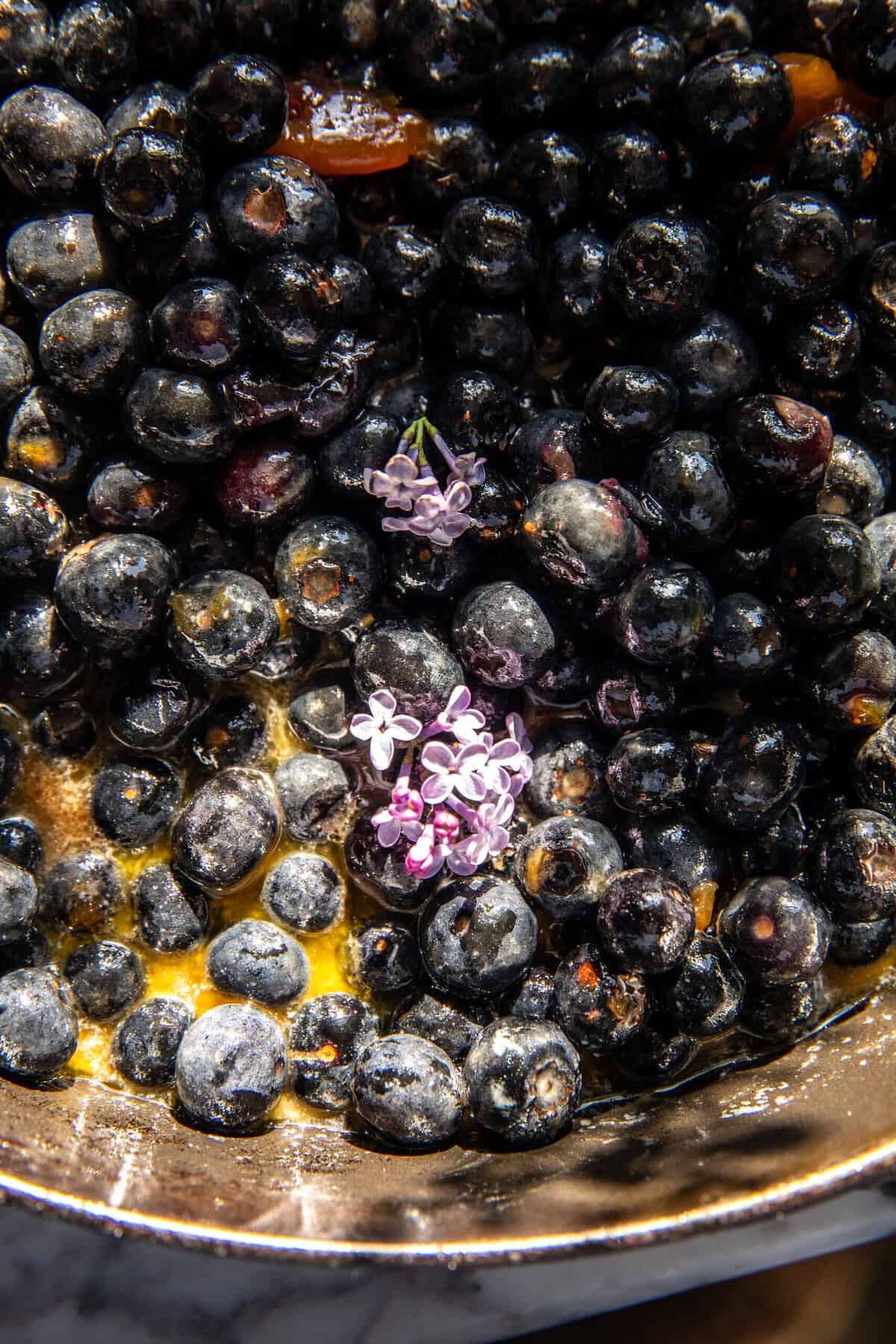
Once the butter is fully melted, the baking dish is carefully removed from the oven. The prepared berries, along with additional brown sugar, jam, vanilla bean paste, and a touch of flour, are added directly to the melted butter. These ingredients are gently tossed to ensure the berries are evenly coated, creating the base layer of the cobbler.
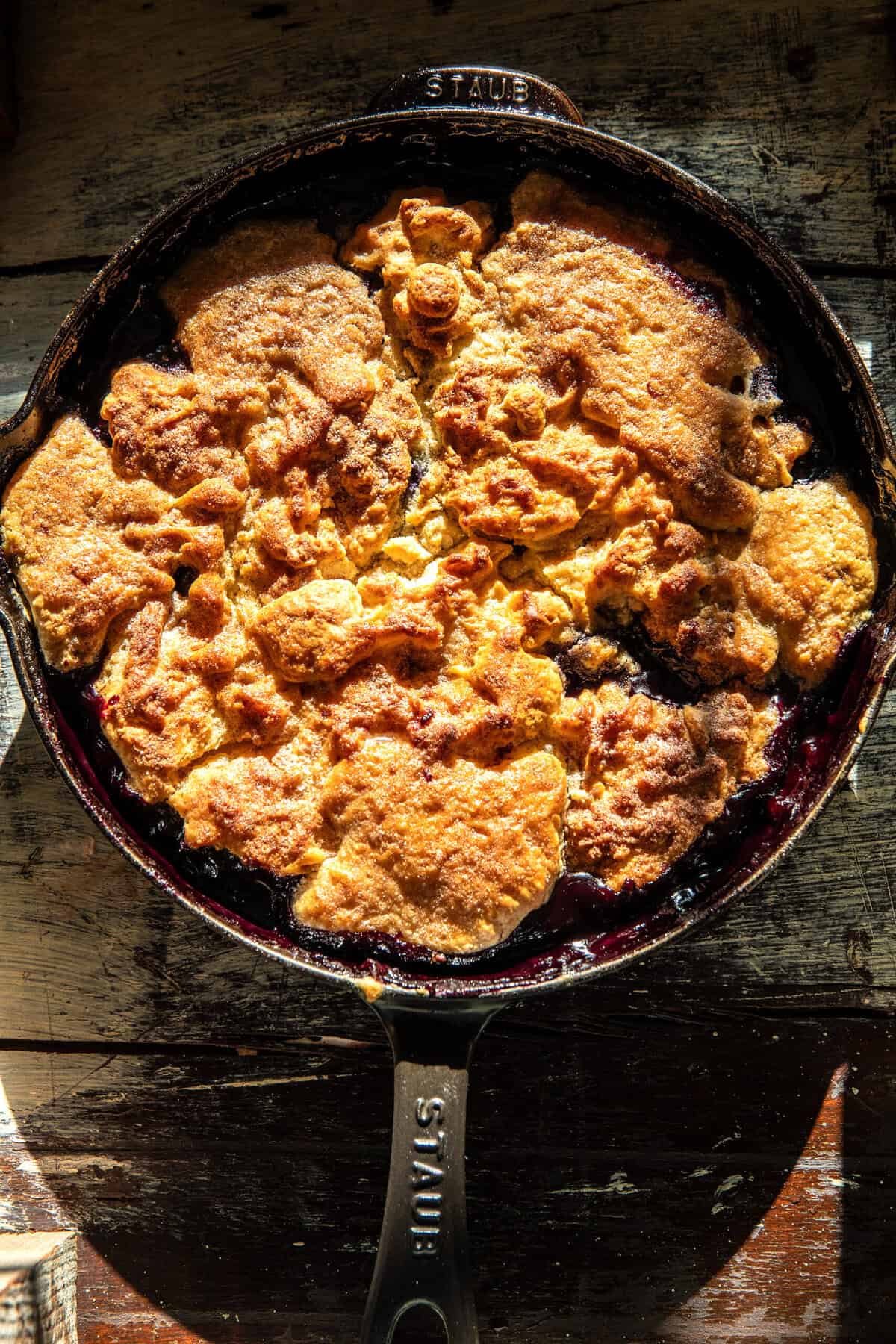
Following the berry preparation, the thick biscuit batter is spooned over the berry mixture. The instruction to not aim for perfect coverage is key, allowing for the rustic charm of a traditional cobbler. The topping is then finished with a scattering of granulated sugar. The dish is then returned to the hot oven to bake for approximately 45 to 55 minutes. During this time, the berries transform into a bubbling, saucy filling, while the biscuit topping cooks through, developing a golden-brown hue and a lightly crisp exterior.
Finishing and Serving:
Upon removal from the oven, the cobbler is allowed to cool for a short period, typically 10-15 minutes. This brief resting period allows the filling to set slightly, preventing it from being too runny when served. The cobbler is traditionally served warm, accompanied by generous scoops of vanilla ice cream or a dollop of whipped cream, completing the comforting and indulgent experience.
Data and Implications
While the provided text does not include explicit statistical data beyond nutritional estimates (approximately 308 kcal per serving), the recipe’s popularity and enduring appeal can be inferred from its placement within a renowned culinary blog and its classification as a "classic, old-fashioned cobbler." Cobblers, as a dessert category, have a long history in American cuisine, dating back to the 19th century. Their simplicity and reliance on seasonal fruits made them a staple in households, particularly in regions where fruit was abundant. The "cobbled" appearance, with irregular pieces of dough scattered over fruit, is characteristic of their rustic origins.
The emphasis on "real vanilla bean" in this recipe suggests a commitment to ingredient quality that often resonates with contemporary food trends prioritizing natural flavors and artisanal preparation. The use of vanilla bean paste, a more accessible form of vanilla bean, further bridges traditional techniques with modern convenience.
The author’s personal narrative, highlighting the inspiration drawn from family and the joy of sharing food, speaks to a broader cultural trend of valuing home-cooked meals and the emotional connections they foster. In an era where convenience often dictates culinary choices, recipes that emphasize both flavor and connection serve as a reminder of the enduring power of food to bring people together. The success of such recipes suggests a consumer desire for authentic experiences and a return to cherished culinary traditions, adapted for contemporary palates and lifestyles.
The inclusion of affiliate links for baking dishes and mixing bowls, while a standard practice for food bloggers, also subtly reinforces the idea that the right tools can enhance the baking experience, encouraging readers to invest in their home kitchens.
In conclusion, the Blueberry Vanilla Bean Cobbler is more than just a recipe; it’s a carefully crafted experience designed to evoke warmth, nostalgia, and the simple pleasure of a shared meal. Its success lies in its approachable yet refined execution, its celebration of quality ingredients, and its deep connection to the universal language of family and love, all presented through the lens of accessible, inspiring home baking.