Angie Faith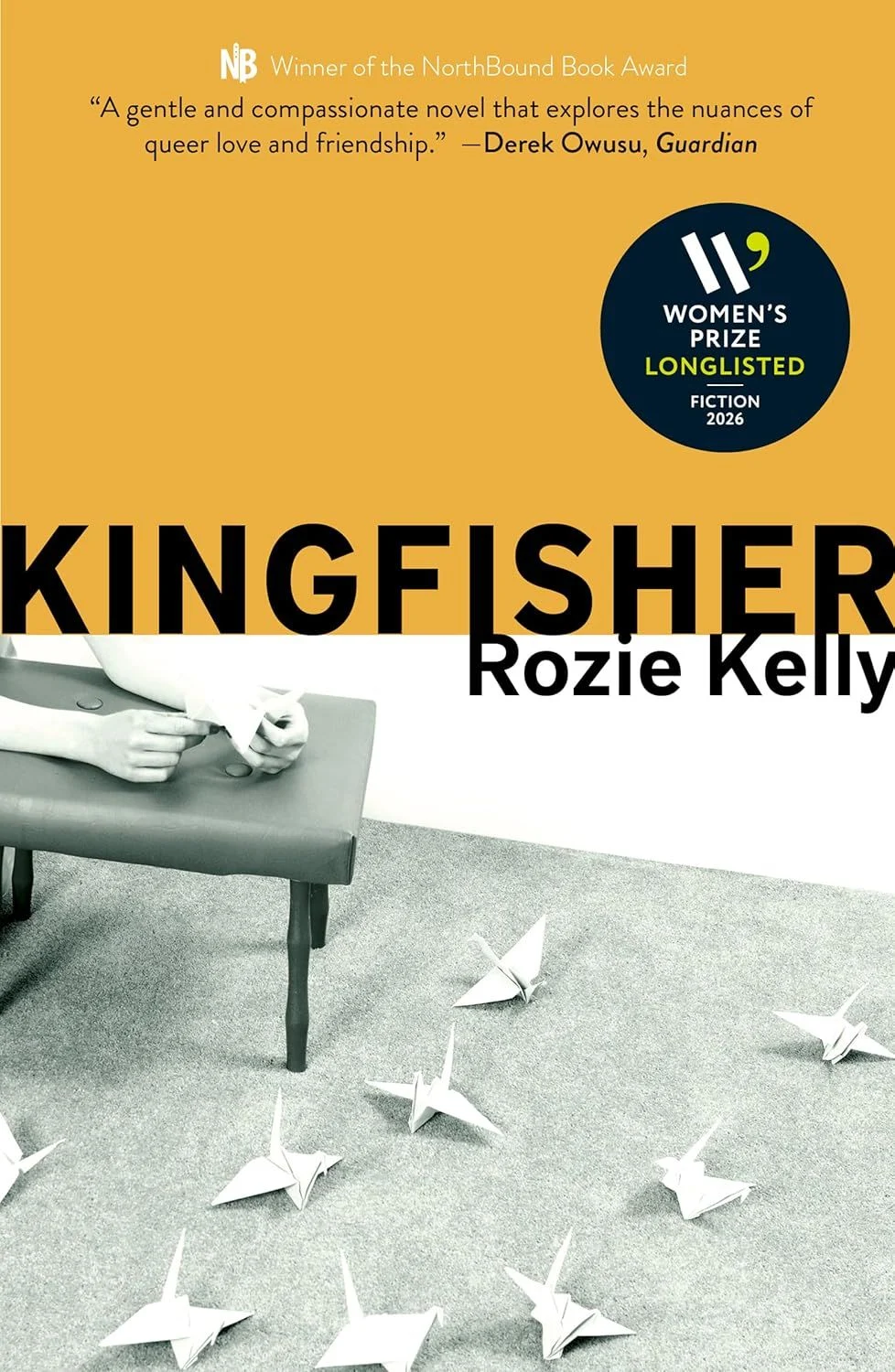
The literary world is abuzz with the announcement of the 2026 Women’s Prize for Fiction shortlist, a curated selection that promises to ignite conversations and champion exceptional storytelling. This year’s nominations represent a vibrant tapestry of emerging talent and established literary voices, showcasing a remarkable breadth of themes and narrative styles. The prestigious prize, now in its 30th year, continues its enduring mission to celebrate and elevate fiction penned by women, a commitment that has solidified its position as a cornerstone of the English-speaking literary landscape.
Established in 1996, the Women’s Prize for Fiction was born from a recognition that exceptional novels by women were frequently overshadowed by their male counterparts in literary discourse and awards. This initiative aimed to rectify that imbalance, providing a dedicated platform to shine a spotlight on the unique perspectives, narrative artistry, and profound insights that female authors bring to the page. Over the decades, the prize has not only achieved its initial goal but has also grown to become one of the most influential and eagerly anticipated literary accolades globally. The annual award bestows a substantial £30,000 (approximately $40,511 USD) upon the author of the finest full-length novel published in English in the United Kingdom within the preceding year. Beyond the significant financial reward, the winning author also receives the coveted "Bessie," a distinctive bronze statuette meticulously crafted by the artist Grizel Niven, symbolizing excellence and literary achievement.
This year’s shortlist is particularly noteworthy for its significant representation of debut novelists, independently published works, and books from publishing houses that have never before appeared on the prize’s radar. This infusion of new perspectives and diverse publishing pathways underscores the prize’s ongoing commitment to inclusivity and its dedication to discovering and promoting groundbreaking literary voices. The selected novels delve into a rich array of human experiences, exploring the intricate threads of connection that bind us, the complex interplay between individual agency and societal expectations, and the myriad ways in which we navigate the world around us. These themes resonate deeply, reflecting the contemporary concerns and enduring questions that shape our lives.

The Contenders for the 2026 Women’s Prize for Fiction
The distinguished panel of judges, chaired by Julia Gillard, the former Prime Minister of Australia, has meticulously selected six novels that exemplify the highest standards of literary merit and imaginative power. Each book offers a unique window into the human condition, prompting reflection and engaging readers on multiple levels.
-
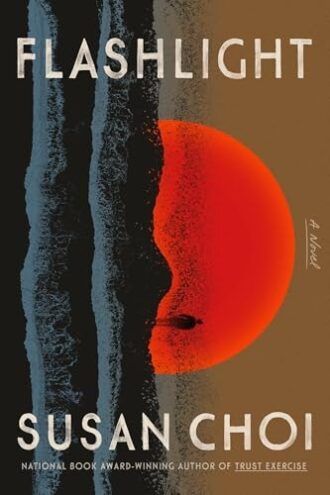
Flashlight by Susan Choi (Jonathan Cape, Vintage, Penguin Random House UK): Susan Choi’s acclaimed novel, Flashlight, has earned a coveted spot on the 2026 Women’s Prize for Fiction shortlist. Known for her nuanced prose and incisive exploration of character, Choi’s latest work is anticipated to continue her tradition of delivering deeply resonant narratives. Published by Jonathan Cape, an imprint within Vintage and Penguin Random House UK, Flashlight is expected to engage with themes of memory, identity, and the often-unseen forces that shape our lives. The inclusion of this novel highlights the prize’s recognition of established authors who consistently push the boundaries of storytelling.
-
Dominion: A Novel by Addie E. Citchens (Europa Editions UK): Addie E. Citchens makes a significant debut on the literary stage with Dominion: A Novel, securing a place on this year’s shortlist. Europa Editions UK, a publisher known for championing distinctive international voices, brings Citchens’ work to the forefront. The novel’s nomination suggests a powerful narrative that likely tackles compelling social or personal themes, marking Citchens as an author to watch in the coming years. This selection underscores the prize’s commitment to recognizing and fostering new literary talent.
-
The Correspondent: A Novel by Virginia Evans (Michael Joseph, Penguin Random House UK): Virginia Evans’ The Correspondent: A Novel is another compelling entry that has captured the attention of the judges. Published by Michael Joseph, an imprint of Penguin Random House UK, the novel’s inclusion signals its significant literary impact. While details of its specific themes are yet to be widely disseminated, its presence on the shortlist indicates a narrative of considerable depth and artistic merit, likely exploring aspects of communication, perspective, or the role of an observer in unfolding events.
-
The Mercy Step by Marcia Hutchinson (Cassava Republic Press): Marcia Hutchinson’s The Mercy Step represents a significant achievement, particularly with its publication by Cassava Republic Press, an independent publisher known for its dedication to diverse and impactful literature. The novel’s shortlisting is a testament to its compelling storytelling and the growing influence of independent presses in shaping the literary landscape. Cassava Republic Press has consistently brought forth powerful narratives, and Hutchinson’s inclusion suggests The Mercy Step is a work of considerable emotional and intellectual weight.
-
Kingfisher by Rozie Kelly (Saraband): Rozie Kelly’s Kingfisher, published by Saraband, also features on the prestigious shortlist. Saraband is an independent publisher with a strong reputation for literary fiction, often focusing on novels that are both thought-provoking and beautifully crafted. The nomination of Kingfisher suggests a novel that has resonated with the judges for its distinctive voice and engaging narrative. The presence of independent publishers like Saraband on the shortlist is a recurring theme this year, highlighting their crucial role in nurturing literary innovation.
-
Heart the Lover by Lily King (Canongate): Lily King’s Heart the Lover rounds out the exceptional shortlist. Published by Canongate, a renowned independent publisher with a distinguished history of publishing award-winning fiction, this novel is poised to be a strong contender. King’s work is often characterized by its emotional intelligence and exploration of complex relationships. The selection of Heart the Lover indicates a novel that likely delves into the intricacies of human connection and the profound experiences that define our lives.
A Legacy of Championing Women’s Voices
The Women’s Prize for Fiction’s inception in 1996 marked a pivotal moment in literary awards. For years, critics and observers had noted a persistent disparity in the recognition afforded to male and female authors, particularly in major literary prizes. The founders envisioned a prize that would not only address this imbalance but also actively promote and celebrate the richness and diversity of women’s writing. The prize’s charter explicitly states its aim: "to highlight and celebrate exceptional fiction by women." This clear mandate has guided its selection process and its impact on the literary world.

Over its 30-year history, the Women’s Prize for Fiction has seen a remarkable evolution in the literary landscape it surveys. Initially, the focus was on ensuring that women’s novels received the attention and critical acclaim they deserved. Today, while that core mission remains paramount, the prize also reflects the increasing diversity within women’s writing itself – encompassing a wider range of genres, cultural backgrounds, and narrative approaches. The prize money, £30,000, has remained a significant incentive, but perhaps even more impactful is the global recognition and boost in sales that comes with a nomination or win. Past winners have gone on to achieve significant international success, further solidifying the prize’s influence. The "Bessie," the statuette awarded to the winner, has become an emblem of literary excellence and a symbol of the prize’s enduring commitment to female authors.
The Judging Panel and Selection Process
The integrity and insight of the judging panel are crucial to the prestige of the Women’s Prize for Fiction. For the 2026 edition, the panel is expertly led by Julia Gillard, whose experience as a national leader brings a unique perspective to the evaluation of literary works. Gillard’s role as Chair of Judges signifies the growing importance and broader cultural relevance of the prize.
The panel is further enriched by a diverse group of accomplished individuals from the literary and cultural spheres:
-
Mona Arshi: A celebrated poet, novelist, and essayist, Arshi brings a deep understanding of language, form, and narrative artistry. Her own work often explores themes of identity, displacement, and cultural heritage, offering a valuable lens through which to assess the shortlisted novels.

-
Salma El-Wardany: As an author, presenter, poet, and speaker, El-Wardany contributes a multifaceted perspective. Her experience in engaging with audiences and her prolific creative output suggest a keen eye for compelling storytelling and impactful prose.
-
Cariad Lloyd: A writer, podcaster, actor, and comedian, Lloyd offers a unique blend of critical insight and an understanding of narrative engagement. Her work often navigates humor, vulnerability, and the complexities of human relationships, providing a distinctive viewpoint.
-
Annie Macmanus: Known widely as Annie Mac, Macmanus is an author, broadcaster, and DJ. Her career in music and media demonstrates a talent for identifying resonant cultural voices and narratives, which she now applies to the literary realm.
This carefully assembled panel represents a wealth of experience, critical acumen, and diverse perspectives, ensuring a thorough and considered evaluation of the submitted novels. The selection process, which culminates in the shortlist, is known for its rigorous debate and dedication to identifying books that not only possess literary merit but also resonate with contemporary audiences and offer meaningful insights into the human experience.

Broader Implications and the Future of Literary Recognition
The 2026 shortlist’s emphasis on debut authors and independent publishers carries significant implications for the literary ecosystem. It signals a continued democratization of the publishing world, where innovative voices can emerge and gain recognition regardless of traditional gatekeepers. This trend suggests that publishers are increasingly willing to take risks on new talent and that readers are actively seeking out diverse and unconventional narratives.
The prize’s consistent championing of women’s fiction has undoubtedly contributed to a broader cultural shift, fostering a greater appreciation for the depth and breadth of literature produced by women. The increased visibility of these authors and their works can inspire future generations of writers and encourage more diverse stories to be told. The fact that the winner will be announced alongside the Women’s Prize for Non-Fiction further solidifies the commitment to celebrating female authorship across literary genres, creating a powerful synergy of recognition.
The announcement of the winner is slated for Thursday, June 11, 2026, in the picturesque setting of Bedford Square Gardens, London. This annual event has become a highlight of the literary calendar, drawing authors, publishers, critics, and avid readers alike. The dual announcement of both the Fiction and Non-Fiction prize winners underscores the prize’s comprehensive dedication to showcasing the remarkable achievements of women in literature. As the literary world eagerly awaits the final decision, the 2026 Women’s Prize for Fiction shortlist stands as a vibrant testament to the enduring power and evolving landscape of women’s storytelling.