Pranda Michaela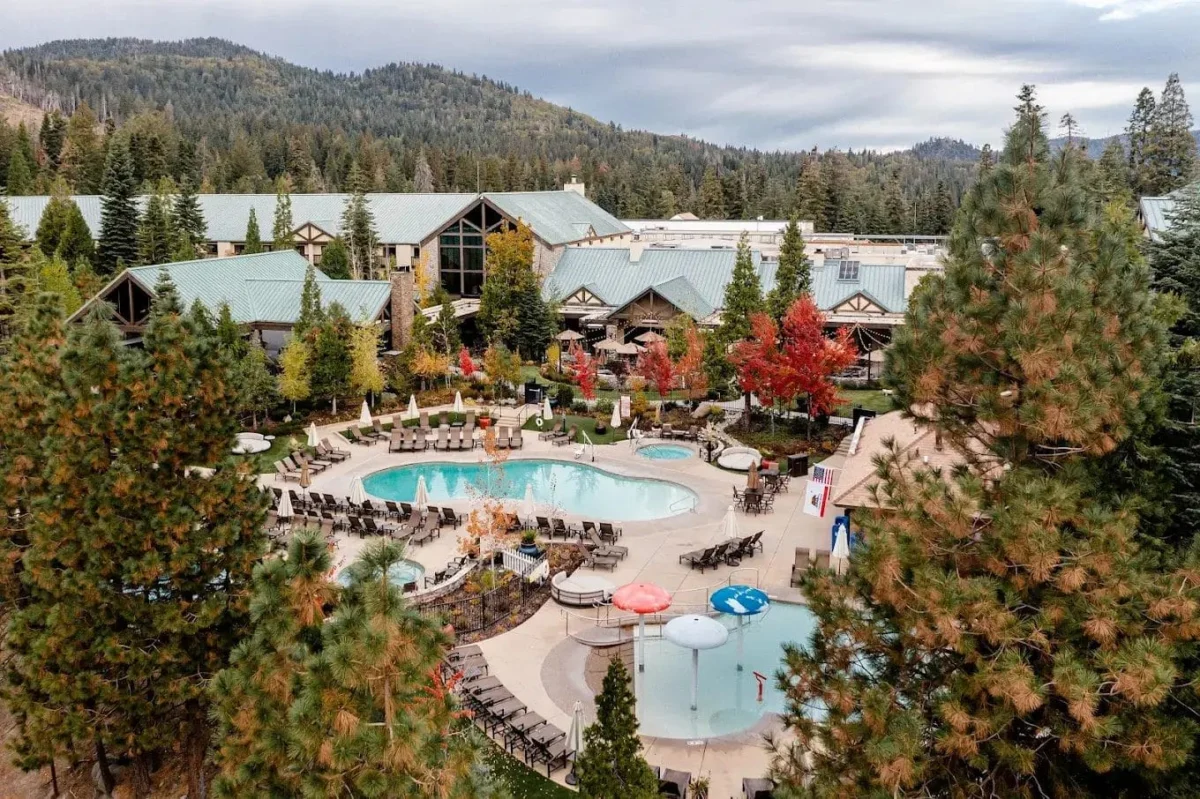
Every family embarking on a national park adventure inevitably encounters a familiar hurdle: where to stay. The romantic ideal of camping often clashes with the practical realities, especially with young children. Gateway town hotels, while offering convenience, can leave visitors feeling detached from the park’s immersive experience. And the iconic, historic lodges—such as the Old Faithful Inn, El Tovar, or the Ahwahnee—are notoriously difficult to book, often requiring reservations a year in advance and carrying a premium price tag. However, many families remain unaware of a robust category of national park lodges that operate below the radar. These historic properties, frequently situated within or adjacent to park boundaries, offer genuine character and comfortable accommodations at significantly more accessible price points. Some are truly hidden gems, accessible only by boat or nestled within ancient temperate rainforests, while others are in plain sight, overshadowed by more prominent neighbors.
This article highlights 12 such remarkable establishments, curated for families seeking an authentic and comfortable national park experience without the booking frenzy or exorbitant costs associated with the most famous in-park accommodations. These are not necessarily the most photographed or widely publicized options, but rather, truly excellent places to stay that enhance the exploration of America’s natural treasures with children. It is crucial to note that pricing is approximate and subject to seasonal fluctuations; early booking is always recommended.

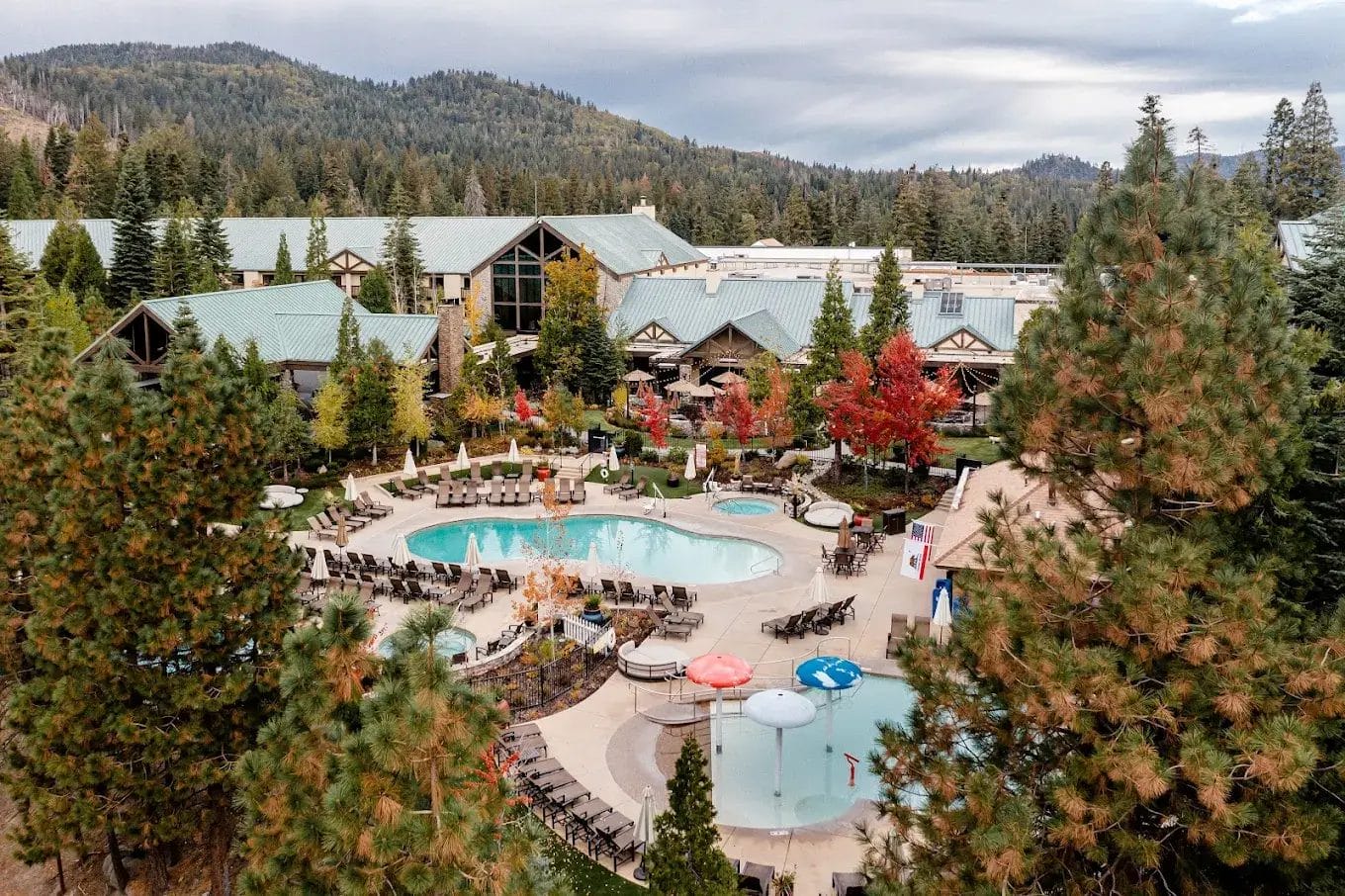
1. Tenaya at Yosemite: Gateway to Sierra Nevada Majesty
Park: Yosemite National Park (approximately 2 miles from the south entrance)
Location: Fish Camp, California
Background: While not technically within the park boundaries, Tenaya at Yosemite offers unparalleled access to one of America’s most iconic natural landscapes. Established as a modern resort, it has undergone significant renovations and expansions over the years to cater to a wide range of travelers, with a particular focus on family amenities.
Family-Friendly Highlights: Tenaya excels in providing engaging experiences for younger visitors. Seasonal children’s programs, including nature scavenger hunts and arts and crafts, are a significant draw. Evening gatherings around the fire pit for s’mores are a classic family activity, and the outdoor pool offers stunning mountain vistas. For the more adventurous, seasonal ice skating in winter and archery activities are available.
Accommodations: The resort offers diverse lodging options, including individual cabins, cottages, and lodge-style rooms and suites, many featuring balconies. Select units are equipped with kitchenettes, providing added convenience for families.
Dining: On-site restaurants prioritize sourcing ingredients from local farms, offering a taste of regional produce. Summer months often feature a dedicated BBQ pit, and a convenient café provides grab-and-go options.
Approximate Price: Starting from $250 per night. Prices vary significantly by season, with summer bookings filling up rapidly.
Analysis: Tenaya represents a strategic compromise for families desiring Yosemite access without the intense competition for in-park lodging. Its proximity to key attractions like Glacier Point and Yosemite Valley (a mere 30-minute drive) makes it an efficient base camp. The resort’s blend of comfortable amenities and genuine park accessibility addresses a common pain point for families planning trips to highly sought-after destinations. Booking summer stays several months in advance is strongly advised.
2. Lake Quinault Lodge: A Historic Retreat in the Rainforest
Park: Olympic National Park / Olympic National Forest
Location: Quinault, Washington
Built: 1926
Background: This historic lodge, built in 1926, is situated on the picturesque shores of Lake Quinault, enveloped by one of the world’s few remaining temperate rainforests. Its grandeur evokes a sense of stepping back in time, reminiscent of a grand summer camp for the entire family. Notably, President Franklin Roosevelt lunched here in 1937, a visit often credited with inspiring the creation of Olympic National Park nine months later.
Family-Friendly Highlights: The lodge offers an indoor heated pool, a crucial amenity in the Pacific Northwest’s often-damp climate. A dedicated game room, complete with ping-pong and arcade games, provides entertainment for all ages. Lawn games are available for outdoor enjoyment, and the lodge offers kayak and paddleboard rentals for exploring the serene lake. Direct access to hiking trails from the property allows for spontaneous nature exploration.
Accommodations: Lake Quinault Lodge features 91 rooms spread across six buildings. The Lakeside Rooms are particularly well-suited for families, capable of accommodating up to six guests, offering more space and privacy.
Dining: The Roosevelt Dining Room provides a farm-to-table dining experience, named in honor of President Roosevelt’s visit.
Approximate Price: Ranging from $150 to $350 per night, depending on room type and season.
Pro Tip: For families planning a day of exploration, the dining room can prepare picnic lunches. Spring is an often-overlooked prime time to visit, offering fewer crowds, exceptionally vibrant green landscapes, and lower rates.
3. Skyland Resort: Panoramic Vistas on Skyline Drive
Park: Shenandoah National Park
Location: Mile marker 41.7 on Skyline Drive, Virginia
Established: 1888
Background: Perched at an elevation of 3,680 feet along the iconic Skyline Drive, Skyland Resort offers breathtaking panoramic views of the Shenandoah Valley. Established in 1888, it began as a private resort camp, making it one of the oldest properties on this list. Its location provides convenient access to the park’s natural beauty, situated only about an hour’s drive from Washington, D.C.
Family-Friendly Highlights: The primary draw is the spectacular sunset and sunrise views over the valley, visible directly from guest rooms. Numerous trailheads are conveniently located at the resort’s doorstep, facilitating easy access to hiking opportunities. Ranger programs offer educational insights into the park’s flora and fauna, and horseback riding is available for a unique perspective.
Accommodations: The resort comprises 28 buildings scattered along the forested ridge, offering both cabins and lodge rooms, many of which boast valley views.
Dining: The Pollock Dining Room features tables with commanding views of the Shenandoah Valley.
Approximate Price: Ranging from $150 to $300 per night.
Pro Tip: Requesting a valley-view room is highly recommended for the enhanced experience. Skyland is an excellent choice for families with very young children due to its proximity to Washington, D.C., allowing for a manageable short trip without extensive travel time.
4. The Lodge at Bryce Canyon: Immersed in Otherworldly Landscapes
Park: Bryce Canyon National Park
Location: Inside the park, on the canyon rim
Built: 1925
Background: The Lodge at Bryce Canyon holds the distinction of being the only hotel situated directly within Bryce Canyon National Park. Constructed in 1925, it offers an unparalleled opportunity to experience the park’s unique geological formations up close.
Family-Friendly Highlights: Its prime location places guests steps from the canyon rim, providing immediate access to its mesmerizing hoodoos. Ranger programs are readily available, and the lodge offers horseback riding excursions directly into the canyon. Junior Ranger activities are designed to engage younger visitors with the park’s wonders.
Accommodations: Lodging options include historic cabins, lodge suites, and motel-style rooms. The historic cabins are particularly appealing for families seeking a rustic yet comfortable experience, often featuring gas fireplaces and front porches.
Dining: An on-site dining room serves a menu inspired by local flavors.
Approximate Price: Ranging from $175 to $350 per night.
Pro Tip: The historic cabins are in high demand and book up far in advance, especially for summer. If unavailable, the Western Cabins and lodge suites, still located within the park, offer comfortable alternatives. Bryce Canyon is also a designated International Dark Sky Park, making nighttime stargazing an exceptional experience.
5. Belton Chalet: Historic Charm at Glacier’s West Entrance
Park: Glacier National Park (west entrance)
Location: West Glacier, Montana
Built: 1910
Background: Constructed in 1910 by the Great Northern Railway, the Belton Chalet predates the formal establishment of Glacier National Park by four years. It has long served as a welcoming gateway for travelers, offering the historic charm of in-park lodges but with less booking competition. Notably, Amtrak passengers can still disembark here, with the train making two daily stops. Whispers of a friendly ghost named "Belton Bob" add a touch of intrigue for younger guests.
Family-Friendly Highlights: Its location just outside the west entrance provides convenient access to the park’s renowned attractions, including the Going-to-the-Sun Road, Lake McDonald, and numerous western trailheads. The wraparound porch offers a perfect spot for evening relaxation with mountain views. Proximity to local outfitters for rafting and lake activities enhances family vacation options.
Accommodations: The chalet offers hotel rooms in its main building and private cottages for added space and privacy.
Dining: The Belton Grill and Tap Room is available on-site.
Approximate Price: Ranging from $175 to $350 per night.
Pro Tip: The private cottages are the most desirable option for families. Belton Chalet serves as an excellent alternative if the more famous in-park lodges are already fully booked. The prime visiting season extends from late June through September, offering the best weather and full access to the Going-to-the-Sun Road.
6. Kennicott Glacier Lodge: Frontier Adventure in Alaska’s Wilderness
Park: Wrangell-St. Elias National Park & Preserve (the largest national park in the U.S.)
Location: Kennicott, Alaska
Background: This family-owned and operated lodge is situated in Alaska’s largest ghost town, the remnants of a historic copper mining operation, and within the vast expanse of Wrangell-St. Elias National Park. The lodge provides a unique frontier adventure experience, offering stunning views of a glacier and surrounding mountains.
Family-Friendly Highlights: The lodge provides direct access to glacier hiking, exploration of the historic ghost town, and opportunities for wildlife viewing. The 3-mile round-trip Glacier Trail to Root Glacier is accessible for older children and offers a thrilling experience of walking on an actual glacier. The ghost town itself provides a fascinating glimpse into history for children interested in mining or slightly spooky locales.
Accommodations: Lodge rooms boast glacier views, with options for both shared and private bathrooms. The main lodge features a 190-foot long porch with panoramic views, complemented by an adjacent South Wing.
Dining: An on-site restaurant serves Alaskan specialties.
Approximate Price: Ranging from $250 to $400 per night.
Season: Late May through mid-September.
Pro Tip: Reaching Kennicott involves a 60-mile drive on a gravel road from Chitina, adding to the adventure. This destination is best suited for families with children aged 8 and older who are prepared for a genuine wilderness experience. The extended daylight hours of the Alaskan summer allow for late-evening hikes.

7. Bright Angel Lodge: Historic Stays on the Grand Canyon Rim
Park: Grand Canyon National Park (South Rim)
Location: Grand Canyon Village, Arizona
Built: 1935
Background: Designed by the renowned architect Mary Colter, Bright Angel Lodge is a historic property located directly on the rim of the Grand Canyon. It offers a more accessible and affordable alternative to the iconic El Tovar Hotel, while still providing prime location and historic charm.
Family-Friendly Highlights: Its position on the canyon rim offers immediate access to breathtaking views. The lodge is steps away from the Bright Angel Trailhead, a popular and family-friendly route into the canyon. Mule rides and ranger programs are readily available, and the park shuttle system makes exploring the South Rim convenient. Junior Ranger activities are also a highlight for young visitors.
Accommodations: Lodging includes lodge rooms and historic cabins, some of which offer canyon views and fireplaces, providing a cozy and private retreat.
Dining: Multiple dining options are available within walking distance on the South Rim.
Approximate Price: Ranging from $125 to $350 per night.
Pro Tip: The Buckey O’Neill Cabin, a freestanding structure from the 1890s directly on the rim, is the most sought-after accommodation and books instantly. For families, the standard historic cabins offer charm and are more readily available.
8. The Lodge at Mammoth Cave: Exploring the World’s Longest Cave System
Park: Mammoth Cave National Park
Location: Mammoth Cave, Kentucky
Background: Mammoth Cave boasts the world’s longest known cave system, with over 420 miles mapped. The Lodge at Mammoth Cave provides convenient access to the primary attraction, placing visitors within walking distance of cave tours departing from the visitor center.
Family-Friendly Highlights: The primary draw is the array of cave tours, ranging from easy, flat walks suitable for younger children to more adventurous crawling and climbing routes for older kids and teens. Above ground, families can enjoy hiking through hardwood forests, kayaking on the Green River, and participating in one of the park system’s highly regarded Junior Ranger programs.
Accommodations: Lodging options include lodge rooms and woodland cottages. The family cabins, recently opened, offer spacious and stylish accommodations.
Dining: An on-site dining room and café are available.
Approximate Price: Ranging from $100 to $200 per night.
Pro Tip: It is essential to book cave tour reservations separately through Recreation.gov, as popular tours often sell out, especially during the summer. The woodland cottages are recommended for families, offering more space and a front porch for relaxation.
9. Volcano House: Immersive Stay on an Active Caldera
Park: Hawaiʻi Volcanoes National Park
Location: Volcano, Big Island of Hawaiʻi
Built: Original structure dates to 1846; current building from 1941
Background: Volcano House is uniquely positioned on the rim of Kīlauea caldera within Hawaiʻi Volcanoes National Park, offering unparalleled views of an active volcano. This unparalleled setting provides a dramatic and educational experience for families.
Family-Friendly Highlights: Guests can dine while overlooking the active caldera, a truly surreal experience, especially at night when the volcanic glow is visible. Crater rim trails begin directly from the hotel, providing immediate access to exploration. The Thurston Lava Tube, a tunnel formed by flowing lava, and steam vents are nearby attractions that captivate young minds. Ranger programs further enhance the educational aspect of the visit.
Accommodations: The lodge offers 33 rooms, with select rooms providing direct crater views.
Dining: The Rim restaurant offers dining with caldera views, and Uncle George’s Lounge provides a more casual option.
Approximate Price: Ranging from $250 to $450 per night.
Pro Tip: Requesting a crater-view room is highly recommended for the most impactful experience. The Big Island is expansive, so dedicating at least two nights is advisable to fully explore the park’s diverse attractions.

10. Ross Lake Resort: Unique Floating Cabins in the North Cascades
Park: North Cascades National Park Complex (Ross Lake National Recreation Area)
Location: Ross Lake, Washington
Built: Established 1952
Access: Accessible by boat, trail, or a combination of truck portage and boat; no direct road access.
Background: Ross Lake Resort offers a truly distinctive lodging experience with its 15 floating cabins situated on a turquoise mountain lake. This remote location provides an immersive escape into pristine wilderness.
Family-Friendly Highlights: Guests reside in floating cabins on the water, surrounded by mountains and forest. Kayak and canoe rentals are available for exploring the lake, along with fishing opportunities and access to backcountry hiking trails. The lack of traditional resort amenities encourages a focus on outdoor activities and self-sufficiency.
Accommodations: The resort features 15 floating cabins, varying in size from one to three bedrooms, equipped with full kitchens.
Dining: There is no on-site restaurant; guests are expected to bring their own food and prepare meals in their cabins.
Approximate Price: Ranging from $225 to $500 per night.
Season: Mid-June through late October.
Pro Tip: Reservations open in the fall for the following season and are highly competitive. Families seeking larger accommodations should prioritize booking the two or three-bedroom cabins. This destination is ideal for self-sufficient families desiring an off-grid experience.
11. The Inn at Death Valley: Oasis in a Dramatic Landscape
Park: Death Valley National Park
Location: Furnace Creek, California
Built: 1927 (formerly the Furnace Creek Inn)
Background: Despite its ominous name, Death Valley National Park is a place of profound geological wonder. The Inn at Death Valley, established in 1927 and recently renovated, offers a luxurious and comfortable base for exploring this unique environment.
Family-Friendly Highlights: A spring-fed swimming pool provides a refreshing respite in the desert heat. The inn features a palm garden and an observation deck designed for stargazing, offering exceptionally dark skies. Nearby attractions include Badwater Basin, the lowest point in North America, and Zabriskie Point, renowned for its dramatic badlands scenery. For children, the park offers a tangible lesson in geology, with salt flats, sand dunes, and volcanic craters.
Accommodations: The inn offers spacious rooms, casitas, and pool bungalows, all recently renovated.
Dining: The Inn Dining Room provides upscale Southwest cuisine, with additional café options nearby.
Approximate Price: Ranging from $300 to $700 per night. The peak season runs from fall through spring.
Pro Tip: Visiting during the summer months (temperatures regularly exceeding 120°F) is strongly discouraged due to extreme heat. The optimal visiting period is from October through March, when daytime temperatures are pleasant, typically ranging from the 60s to 80s Fahrenheit. The casitas and pool bungalows are the most suitable family accommodations, offering increased space and privacy.
Strategic Booking for National Park Stays
Early Reservations are Paramount
The majority of national park lodges release their reservation windows 11 to 13 months in advance. Highly sought-after locations like Old Faithful Inn and El Tovar can be fully booked within hours of their release. While the lodges featured here generally offer more availability, popular properties such as Bryce Canyon and Ross Lake Resort still experience rapid booking, particularly for summer dates. Establishing calendar reminders for reservation opening dates is crucial for securing desired accommodations. Opting for winter or shoulder seasons significantly increases booking flexibility.

Understanding Lodge Operations
It is important to recognize that national park lodges are operated by private concessionaires, not directly by the National Park Service. Consequently, bookings are typically made through the concessionaire’s website (e.g., Aramark, Xanterra, Delaware North) rather than NPS.gov or Recreation.gov. Activities such as cave tours and campground reservations are often managed separately through Recreation.gov, necessitating a dual booking approach for many park visits.
Leveraging Shoulder Seasons
Spring and fall represent strategic advantages for national park travel. During these periods, lodging rates are often lower, crowds diminish considerably, and the natural scenery can be particularly spectacular—wildflowers in spring, vibrant foliage in autumn, and more comfortable temperatures in desert environments. Experiencing Shenandoah in October, Death Valley in November, or Bryce Canyon in May offers extraordinary opportunities.
Considering Lodges Just Outside Park Boundaries
Several recommended lodges, including Tenaya, Belton Chalet, and Kennicott Glacier Lodge, are technically located outside park boundaries. However, their proximity to key trailheads and attractions often makes them functionally equivalent or even more convenient than lodges situated within the park. The designation "inside the park" does not invariably translate to being closer to the most desirable areas. Thoroughly researching driving distances to specific points of interest is advisable before making assumptions about the optimal lodging choice.

Contingency Planning
In instances where a preferred lodge is fully booked, regular checks for cancellations are recommended. Cancellations do occur, especially closer to the travel dates, as many concessionaires have cancellation policies that waive fees up to 48-72 hours before check-in. Exploring nearby Forest Service cabins can also provide rustic yet affordable and well-located alternatives.
The national parks are a shared heritage, and experiencing them from within or immediately adjacent should not be an insurmountable financial or logistical challenge. These 12 lodges demonstrate that a spectrum of comfortable and authentic park accommodations exists beyond basic camping and high-end historic hotels. Whether it’s a cabin on the rim of Bryce Canyon, a floating dwelling on a mountain lake, or a rainforest lodge once frequented by a president, these destinations transform a simple park visit into a memorable family vacation, offering the park itself as an extended backyard.