 Cintya Tara Annisa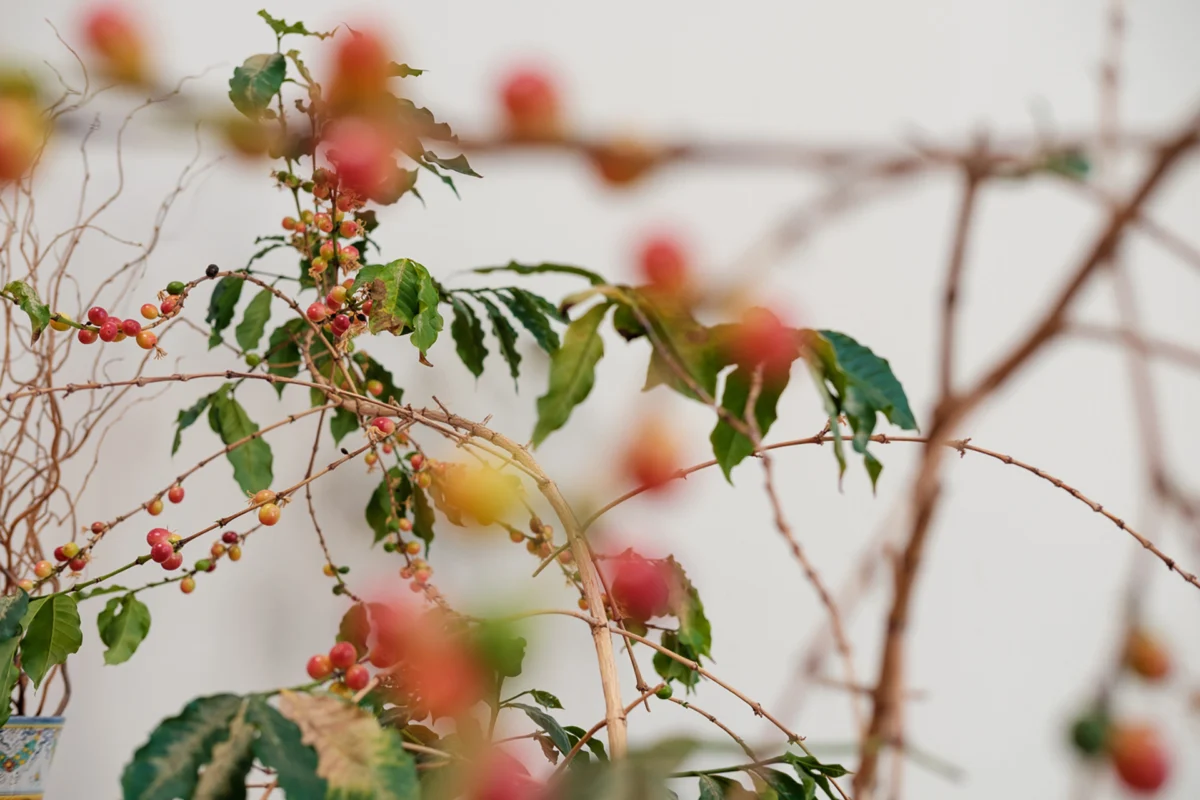
The pursuit of cultivating Coffea arabica within the confines of a domestic setting has transitioned from a niche hobby to a sophisticated botanical challenge for indoor gardening enthusiasts. While many individuals successfully maintain coffee plants as ornamental greenery, the progression from a simple houseplant to a fruit-bearing tree requires a meticulous understanding of tropical ecology, nutrient cycles, and atmospheric manipulation. Recent case studies, such as the notable success of indoor growers in San Francisco and Florida, have highlighted that while achieving a harvest indoors is statistically rare, it is biologically possible through disciplined intervention and specialized equipment.
The Botanical Foundation: Understanding Coffea Arabica
Coffea arabica, the species most frequently found in commercial nurseries, is indigenous to the southwestern highlands of Ethiopia. In its native habitat, the plant thrives at altitudes ranging from 1,300 to 1,900 meters, where temperatures remain stable and humidity is consistently high. For the domestic grower, the primary challenge is replicating these high-altitude tropical conditions within a residential environment.
A critical factor in the plant’s development is the timeline of maturity. Unlike many common houseplants that reach their full aesthetic potential within a year, the coffee plant follows a protracted developmental arc. Experts note that Coffea arabica typically requires three to four years of consistent growth before it reaches the physiological maturity necessary to produce flowers. During this multi-year vegetative phase, the plant prioritizes the development of a complex root system and a sturdy central trunk.
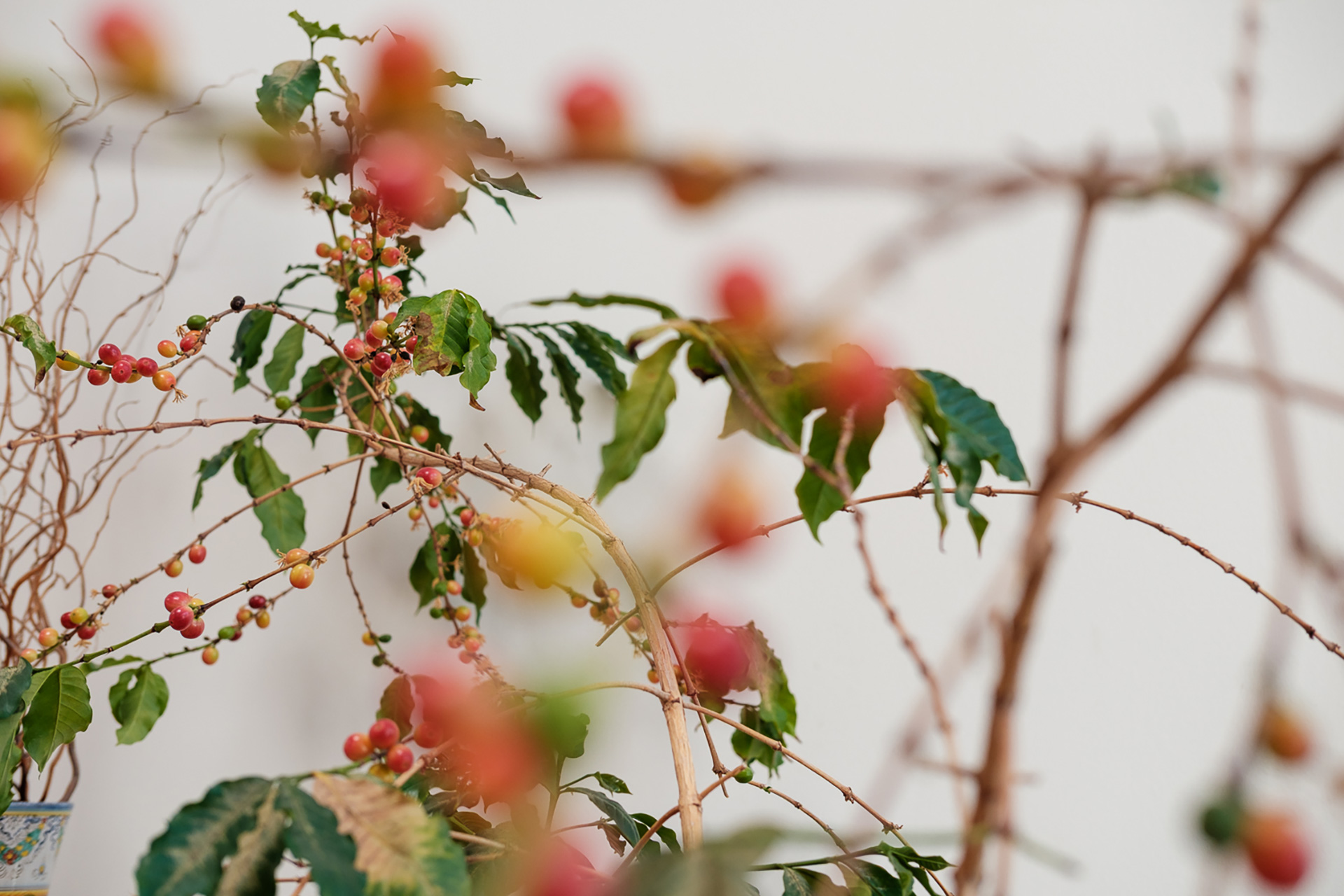
The structural requirements for this growth are often underestimated. Thompson Owen, a noted authority from Sweet Maria’s, emphasizes the necessity of accommodating the plant’s deep taproot. Conventional ceramic pots are frequently insufficient for long-term health. Larry Berger, a successful indoor coffee cultivator, utilized a 31-gallon galvanized steel container to provide the necessary depth. This volume allows for the thermal stability of the soil and prevents the plant from becoming "root-bound," a condition that can stunt growth and prevent the transition to the flowering stage.
The Nutritional Cycle: Managing the "Teenage" Growth Phase
As the coffee plant moves through its second and third years, its metabolic demands increase significantly. Agricultural experts, including the late Jay Ruskey of FRINJ Coffee—a pioneer in California-grown commercial coffee—frequently likened the developing coffee plant to a "teenage kid" due to its high caloric and nutrient requirements.
To achieve the transition from leaf production to fruit production, growers must implement a strategic fertilization regimen. The nutritional needs of the plant are not static; they shift based on the growth stage. During the initial vegetative years, nitrogen-rich fertilizers support the development of lush, green foliage and strong stems. However, as the plant approaches maturity, the focus must shift toward phosphorus and potassium.
Data from indoor cultivation trials suggest that fertilizers with a specific N-P-K (Nitrogen-Phosphorus-Potassium) ratio are most effective. John Corredor, an experienced grower, has identified organic citrus-tone fertilizers (with a 5-2-6 ratio) as a viable option for indoor specimens. The inclusion of phosphorus is particularly vital at the end of the vegetative cycle, as it serves as a chemical catalyst for bud primordia—the early stages of flower development.
Atmospheric Manipulation: Simulating the Tropical Wet Season
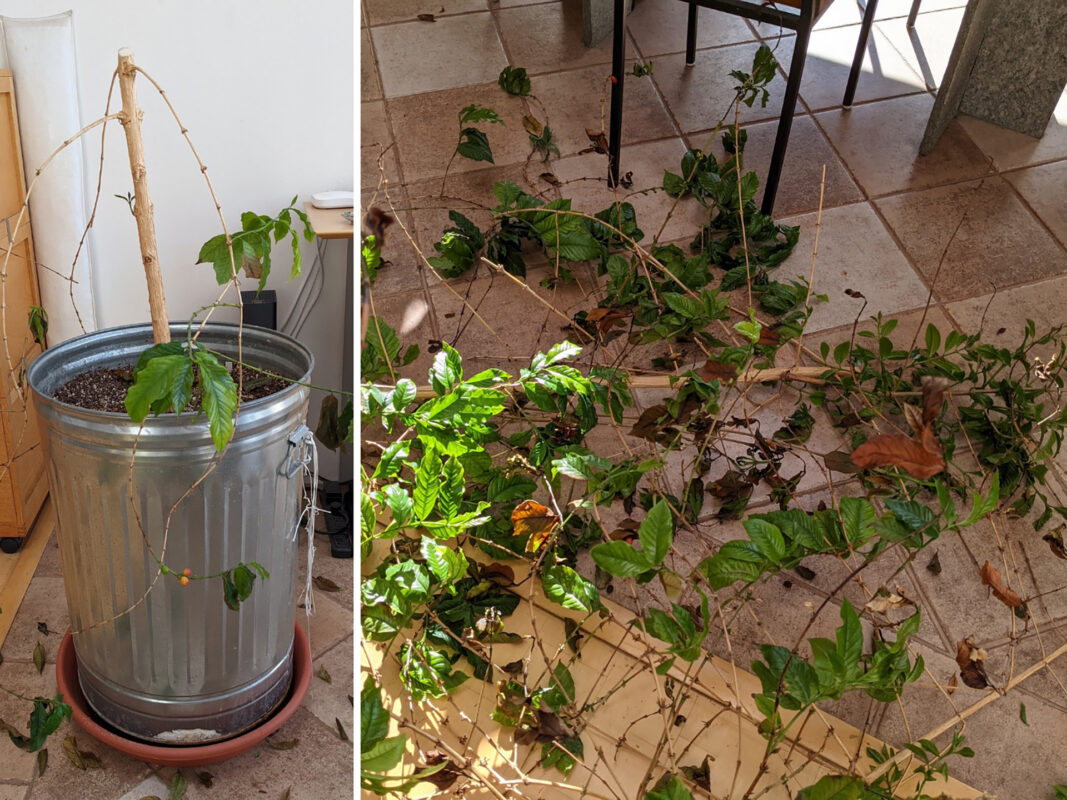
In the wild, the flowering of a coffee tree is triggered by the arrival of the rainy season following a period of relative drought. Replicating this "moisture shock" is perhaps the most difficult aspect of indoor cultivation. Successful growers often employ a technique known as "faking the wet season," which involves a strict schedule of increased irrigation and humidity.
However, this technique carries significant risks. Excessive watering in an indoor environment without adequate drainage or air circulation can lead to Phytophthora (root rot), a fungal infection that can be fatal to the plant. Intermediate and advanced gardeners are advised to ensure their soil composition includes perlite or coarse sand to facilitate rapid drainage.
Furthermore, humidity must be maintained at levels exceeding 50% to 60%. In climate-controlled homes, particularly during winter months when central heating dries the air, the use of industrial-grade humidifiers or localized misting systems becomes essential. This high-humidity environment mimics the cloud forests of East Africa and prevents the edges of the coffee leaves from browning—a common sign of environmental stress.
The Science of Light: PAR and Spectral Requirements
Lighting remains the most complex variable in the indoor cultivation of coffee. While coffee plants are often categorized as "shade-grown," this term is frequently misunderstood by novice growers. In a commercial context, shade-grown coffee still receives high-intensity filtered sunlight. In a domestic setting, the ambient light provided by a standard window is rarely sufficient to trigger the energy-intensive process of fruiting.
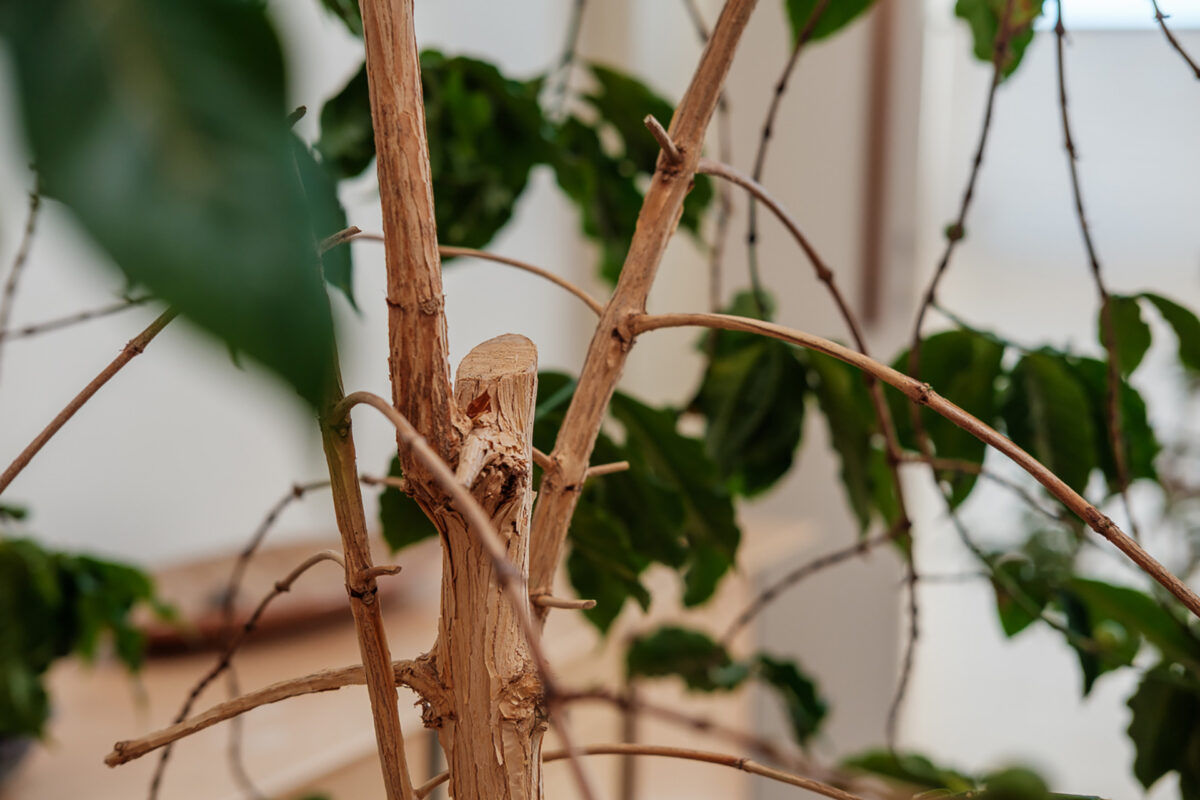
To bridge this energy gap, the integration of specialized grow lights is necessary. Modern horticultural technology allows growers to manipulate the light spectrum to signal different growth phases to the plant:
- Full Spectrum/Blue Light: Essential during the first two years to promote compact growth and strong leaf structure.
- Red Light (620–750 nm): This spectrum is critical for photosynthesis and acts as a hormonal signal to the plant to begin the reproductive phase (flowering).
- Infrared/Far-Red Light (700+ nm): When introduced alongside red light, infrared stimulation can increase the yield and the size of the coffee cherries.
Growers must be cautious not to introduce high-intensity light too abruptly. Leaf burn is a common result of placing a coffee plant directly under high-output LEDs without a period of acclimation. The goal is to provide a long duration of light (12 to 14 hours a day) at a moderate intensity, simulating the consistent day length of the equatorial regions where coffee originated.
Expert Reactions and Industry Observations
The movement toward home-grown coffee has drawn the attention of the broader specialty coffee industry. Analysts suggest that the interest in domestic cultivation reflects a growing consumer desire to understand the "seed-to-cup" journey. While a single indoor tree may only produce enough cherries for one or two cups of coffee per year (approximately 100g to 200g of green coffee), the educational value is considered immense.
Industry figures note that the success of growers like John Corredor in Florida, who utilized filtered light from palm trees and high natural humidity, provides a roadmap for indoor enthusiasts. The consensus among professionals is that while the yield is negligible compared to commercial farming, the "remarkable" achievement of getting a coffee plant to bloom indoors serves as a testament to a grower’s mastery over micro-climates.
Broader Implications and Environmental Analysis
The trend of growing coffee as a houseplant also intersects with broader discussions regarding climate change and agricultural resilience. As traditional coffee-growing regions face rising temperatures and unpredictable rainfall, the study of how coffee adapts to controlled environments (such as greenhouses or lofts) takes on a new scientific relevance.
Techniques developed by hobbyists—such as the precise application of red-spectrum lighting and the use of specialized organic fertilizers—often mirror the innovations being tested in commercial "technified" farms. Furthermore, the practice encourages biodiversity within the home and fosters a deeper appreciation for the ecological fragility of the coffee supply chain.
For the aspiring indoor farmer, the process is a lesson in patience and observation. The rarity of an indoor bloom makes the event a significant milestone. If a plant produces even a handful of white, jasmine-scented flowers, it indicates that the grower has successfully balanced the myriad of variables required for tropical life.
Conclusion and Future Outlook
Growing coffee indoors is an exercise in applied botany. It requires the gardener to act as a meteorologist, a chemist, and a lighting technician. While the challenges are numerous—ranging from the three-year wait for maturity to the technical demands of spectral lighting—the rewards are unique.

As urban gardening continues to evolve with better access to LED technology and organic soil amendments, it is likely that the "indoor coffee harvest" will become more common among dedicated enthusiasts. For now, it remains one of the ultimate achievements in the world of indoor horticulture, requiring a perfect symphony of deep soil, strategic nutrition, and simulated tropical seasons. Those who succeed are not just growing a plant; they are maintaining a living piece of the global coffee heritage within their own living rooms.