Cintya Tara Annisa
The cultivation of Coffea arabica as a decorative houseplant is a common pursuit among indoor gardening enthusiasts, yet the transition from foliage to fruit remains an elusive milestone for the vast majority of hobbyists. While many successfully maintain the glossy, dark green leaves of the coffee plant, achieving the stage of flowering and subsequent cherry production requires a precise confluence of environmental factors, patience, and horticultural intervention. In a notable case study of domestic viticulture, Larry Berger, a coffee enthusiast based in San Francisco, has demonstrated that with the correct conditions, a single indoor plant can transcend its role as a decorative element to become a functional "micro-origin" capable of producing viable, high-quality coffee harvests.
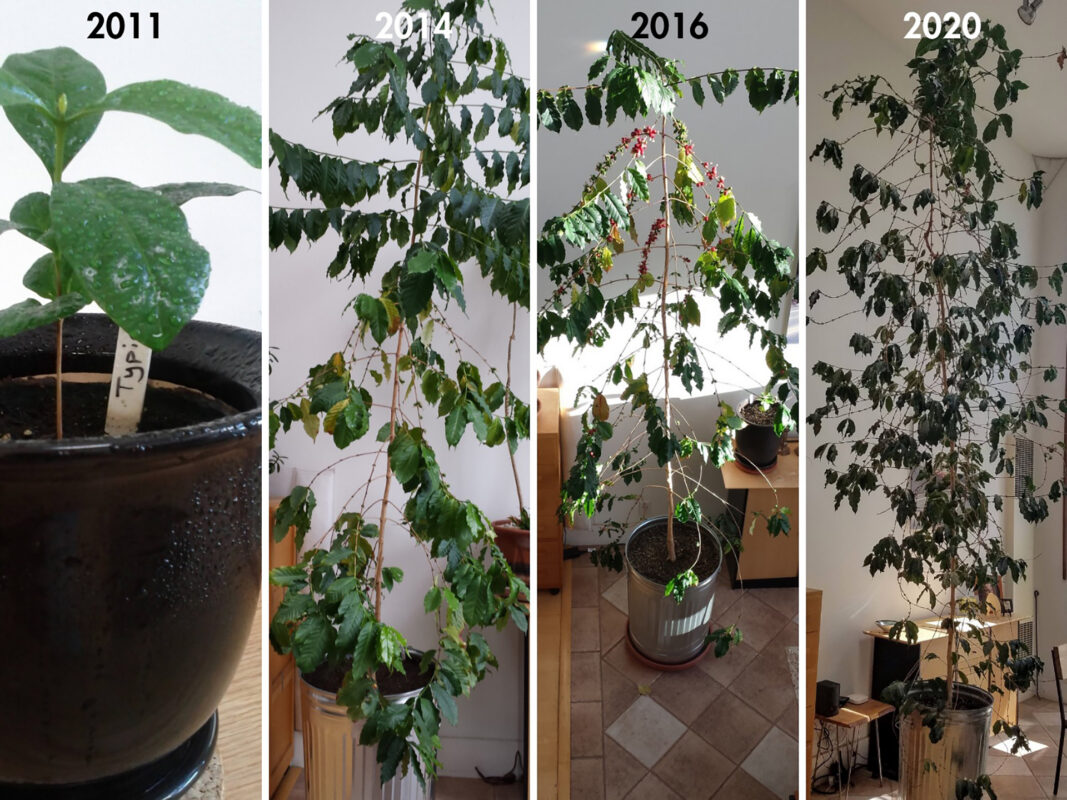
Berger’s journey began in 2011 when he acquired a Typica variety seedling—described as a "little soldier" measuring only one inch in height—from a professional within the Bay Area coffee industry. Over the ensuing thirteen years, this seedling was nurtured into a robust tree that eventually necessitated structural changes to accommodate its growth. The success of this specific plant, which has produced thousands of cherries across three consecutive harvest seasons, offers significant insights into the adaptability of the Typica variety and the intensive labor required to process coffee on a granular scale.
A Chronology of Growth and the "Stumping" Intervention
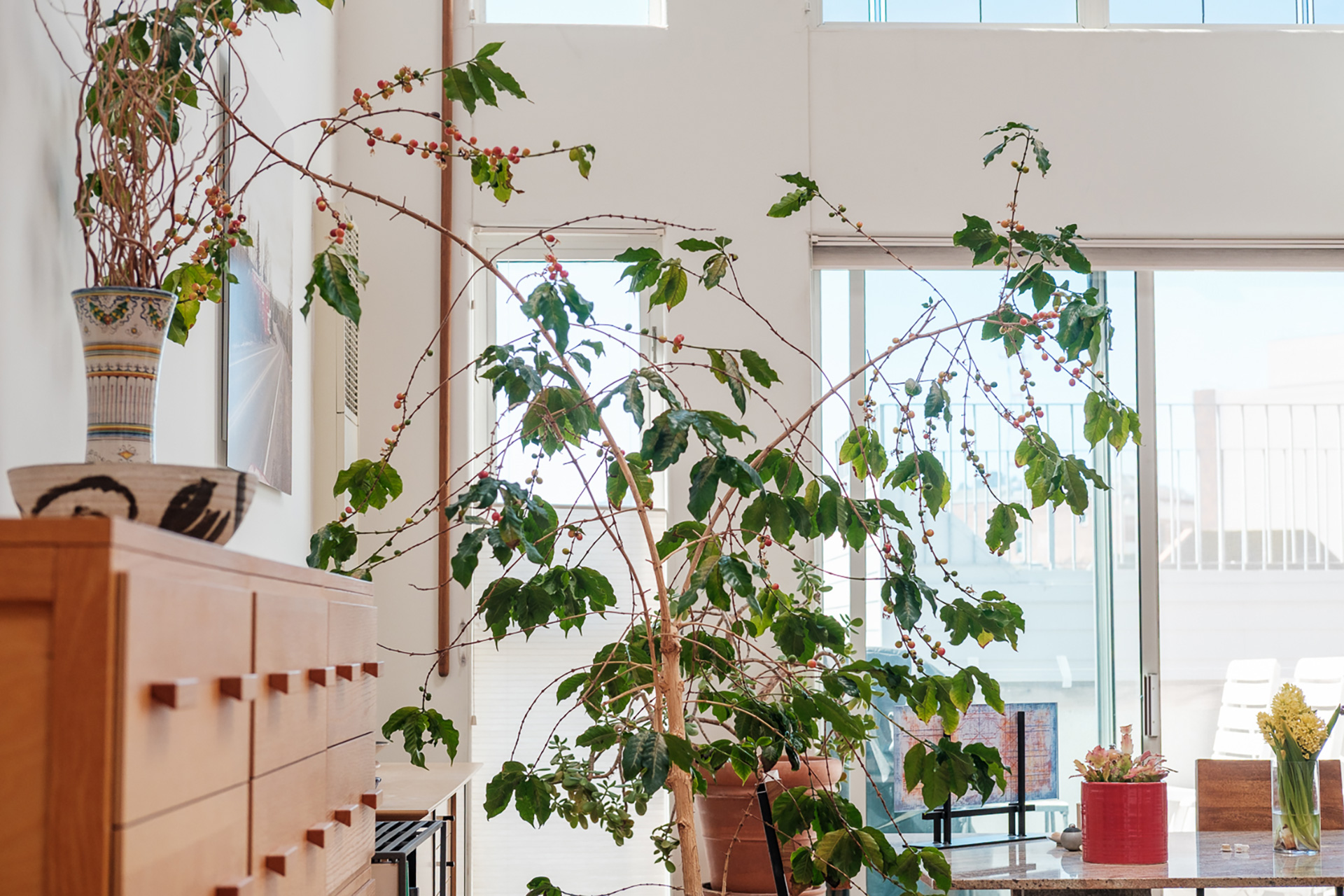
The life cycle of Berger’s coffee plant is marked by a decade of steady growth followed by a critical period of rejuvenation. By 2020, the tree had reached a height of nearly 16 feet, threatening to touch the ceilings of his San Francisco loft. Despite its impressive stature, the plant’s health began to decline; the growth had become spindly and "bedraggled," with new foliage concentrated almost exclusively at the apex of the trunk. This condition is common in aging coffee trees, where the lower branches lose productivity and the main stem becomes less efficient at transporting nutrients.
Following consultations with coffee professionals and farmers, Berger opted for a radical horticultural technique known as "stumping." In commercial coffee farming, stumping involves cutting the tree back to a few inches above the ground to encourage the growth of new, more productive shoots. While Berger feared this might terminate the plant’s life, the intervention proved successful. Within two years of being cut back, the tree exhibited renewed vigor, adopting a bushier, healthier profile. By 2022, the plant began to flower again, leading to a series of harvests that have continued annually.
Environmental Parameters and the San Francisco Microclimate
The success of the Berger plant is largely attributed to the unique microclimate of his residence. Located in San Francisco at an elevation of approximately 55 meters above sea level (MASL), the environment stands in stark contrast to the traditional high-altitude regions of the "Coffee Belt," where Arabica typically thrives at 1,000 to 2,000 MASL. However, the plant’s specific placement within a sun-drenched loft provided the necessary surrogate conditions.
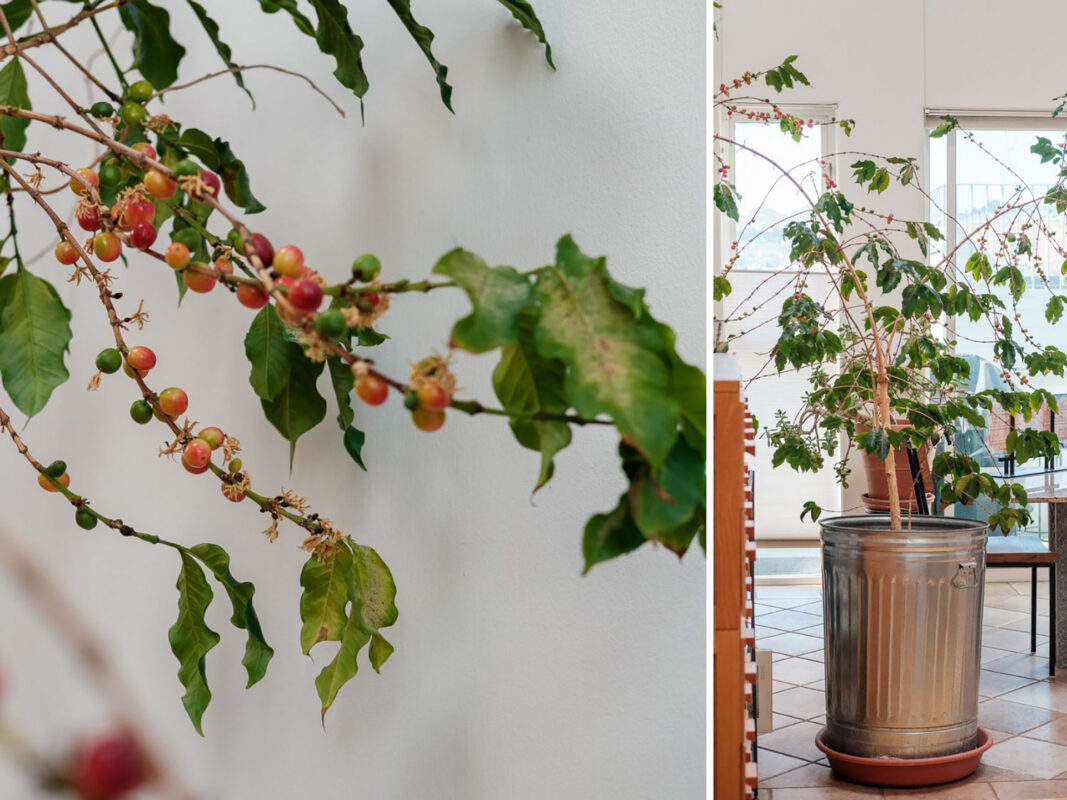
The loft features a wall of expansive windows and several skylights, ensuring a high volume of indirect and direct sunlight throughout the day. In the context of indoor gardening, light intensity is often the primary limiting factor for fruit production. Furthermore, the indoor environment provided a stable temperature range, shielding the tropical plant from San Francisco’s characteristic fog and cool exterior temperatures. This "greenhouse effect" within the loft allowed the Typica variety—known for being genetically tall but susceptible to environmental stress—to flourish.
Innovation in Small-Batch Processing
Processing the cherries from a single houseplant presents unique logistical challenges that differ significantly from industrial-scale operations. Berger’s harvest, which reached a peak of 300+ cherries in a single season, required an "experimental washed process" adapted for a domestic setting.
The most labor-intensive aspect of coffee processing is the removal of the mucilage, the sticky, sugar-rich layer surrounding the parchment-covered seed. While commercial operations use depulping machines and fermentation tanks, Berger utilized a manual, albeit unconventional, method: using his teeth to depulp the seeds and remove the mucilage. He ensured that all seeds were thoroughly rinsed following this step to maintain hygiene and flavor integrity.
For the drying phase, Berger repurposed IKEA mesh drawers. By flipping the drawers on their side, he created a DIY version of the raised drying beds used in Ethiopia and Central America. This setup allowed for maximum airflow around the seeds, preventing the development of mold or "off" flavors during the crucial dehydration period. Once the seeds reached the appropriate moisture content, they were placed inside rubber gloves and rolled vigorously—a technique designed to crack and remove the dried parchment layer without damaging the green coffee bean inside.
Collaboration with Four Barrel Coffee and Sample Roasting
The transition from green coffee to a consumable beverage required professional-grade equipment. Berger collaborated with Four Barrel Coffee, a prominent San Francisco roaster, to evaluate his first significant harvest of 18.3 grams of green coffee.
A technical hurdle arose during the roasting phase: standard sample roasters typically require a minimum of 100 grams of coffee to maintain thermal stability and ensure an even roast. To solve this, Berger’s 18.3 grams were blended with Maragogipe beans—a variety known for having some of the largest seeds in the coffee world. This "filler" allowed the roaster to operate correctly. Following the roast, Berger performed a painstaking manual sort to separate his Typica beans from the Maragogipe "carrier" beans.
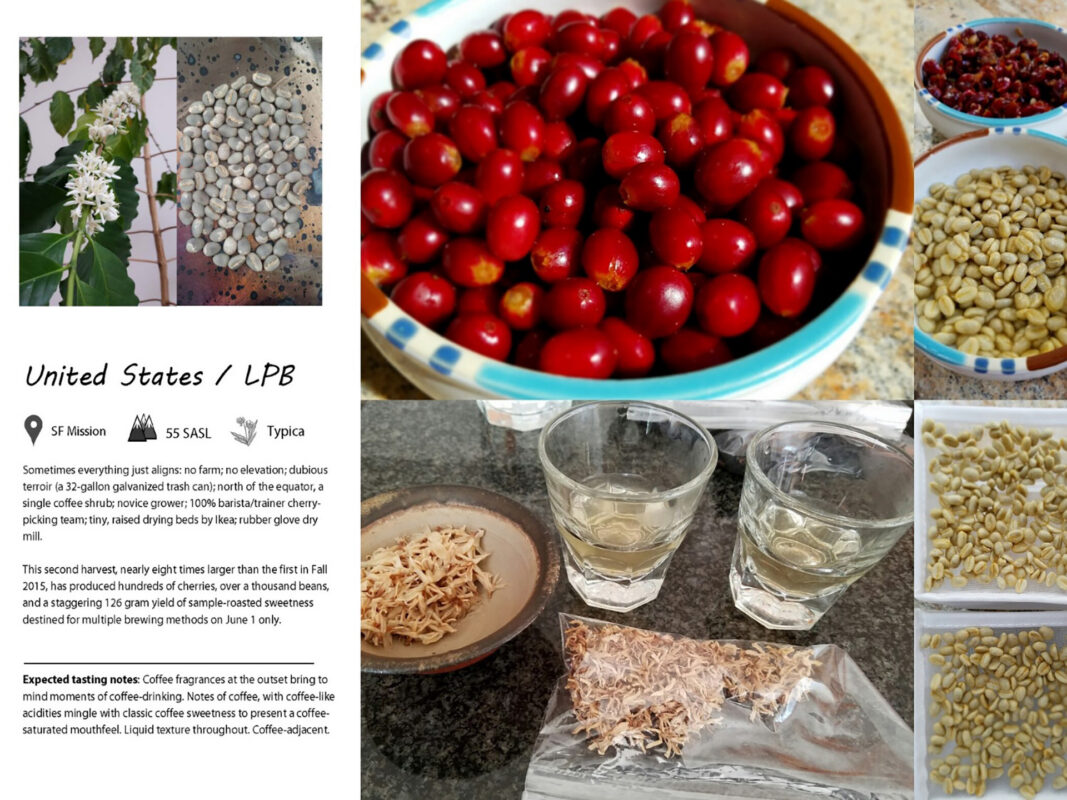
The resulting coffee was evaluated using professional standards. Berger even created custom tasting notes and description cards that mimicked the branding of Four Barrel Coffee, treating his loft-grown beans with the same reverence afforded to elite international nanolots. A subsequent harvest proved even more successful, yielding 127 grams of roasted coffee—roughly one-third of a standard 12-ounce retail bag.
Botanical Significance: The Typica Cultivar
The fact that Berger’s plant is a Typica variety is botanically significant. Typica is one of the two primary genetic pillars of the Coffea arabica species, alongside Bourbon. It is the original variety that was transported from Ethiopia to Yemen, then to India and Indonesia, before eventually reaching the Americas in the early 18th century.
Typica is prized by connoisseurs for its clean, sweet, and often floral cup profile. However, it is a difficult variety to farm commercially because it is low-yielding and highly susceptible to diseases like Coffee Leaf Rust (Hemileia vastatrix). In an indoor environment, where the plant is isolated from common agricultural pathogens, these vulnerabilities are mitigated. The longevity of Berger’s plant—now over 13 years old—is a testament to the hardiness of the variety when provided with consistent care and adequate root space. Berger noted that he eventually transplanted the tree into a 32-gallon trash can, emphasizing that vertical depth for root growth is more critical than the circumference of the pot for coffee trees.
Broader Implications and Industry Perspective
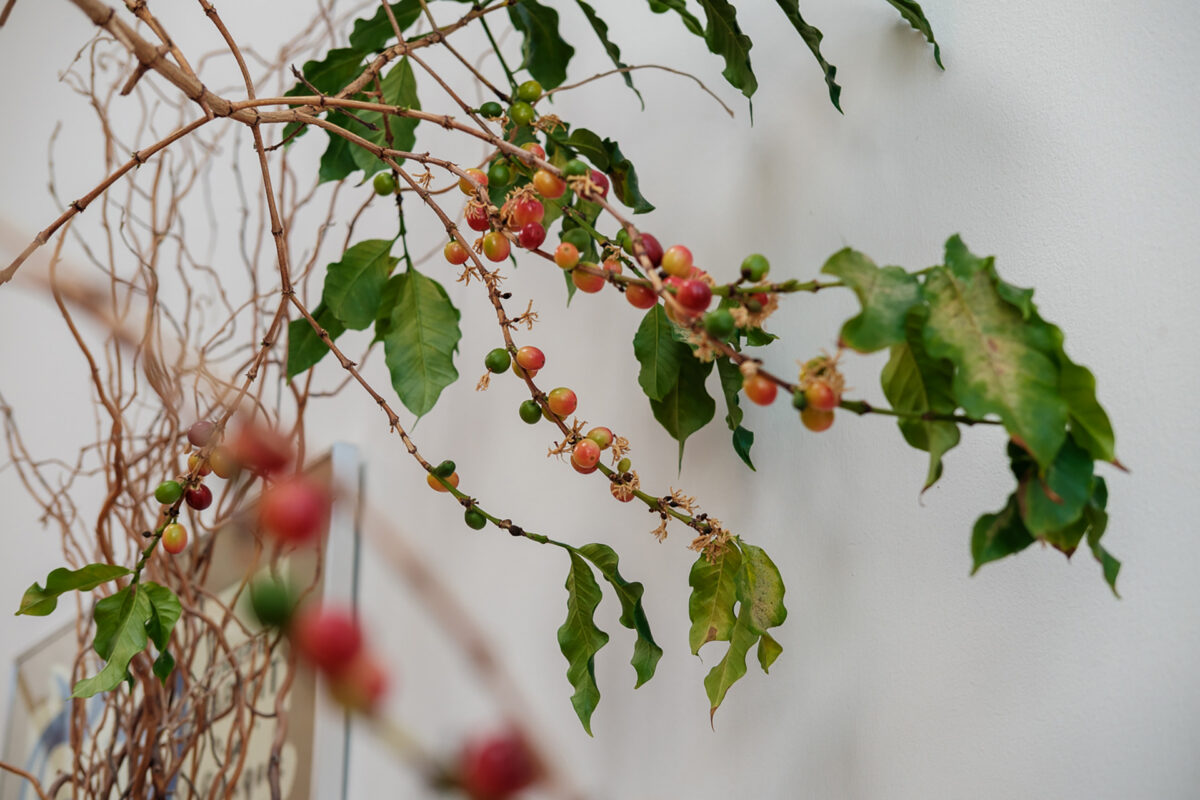
The success of the Berger coffee plant serves as a powerful educational tool for the specialty coffee community. By sharing ripe cherries with local baristas, Berger has provided many industry professionals with a rare opportunity to taste the raw fruit of the plant they work with daily. Most baristas in consuming countries have never visited a coffee-producing region ("origin"); tasting a cherry picked only an hour prior offers a sensory connection to the agricultural roots of the industry.
Furthermore, the project has fostered a deeper appreciation for the global coffee supply chain. Berger’s experience highlights the immense labor required to produce even a single cup of coffee. When one considers that a standard 12-ounce bag of coffee requires the fruit of approximately 20 to 30 coffee trees, the scale of global production becomes staggering. Berger’s "bumper crop" of 127 grams represents years of care, precise pruning, manual depulping, and careful roasting—all for a volume that a typical consumer might exhaust in three to four days.
Conclusion and Future Outlook
Larry Berger’s San Francisco coffee experiment demonstrates that the boundaries between "houseplant" and "agricultural product" can be blurred through dedicated horticultural practice. While domestic coffee production will never replace commercial farming, it serves as a vital bridge for education and appreciation.
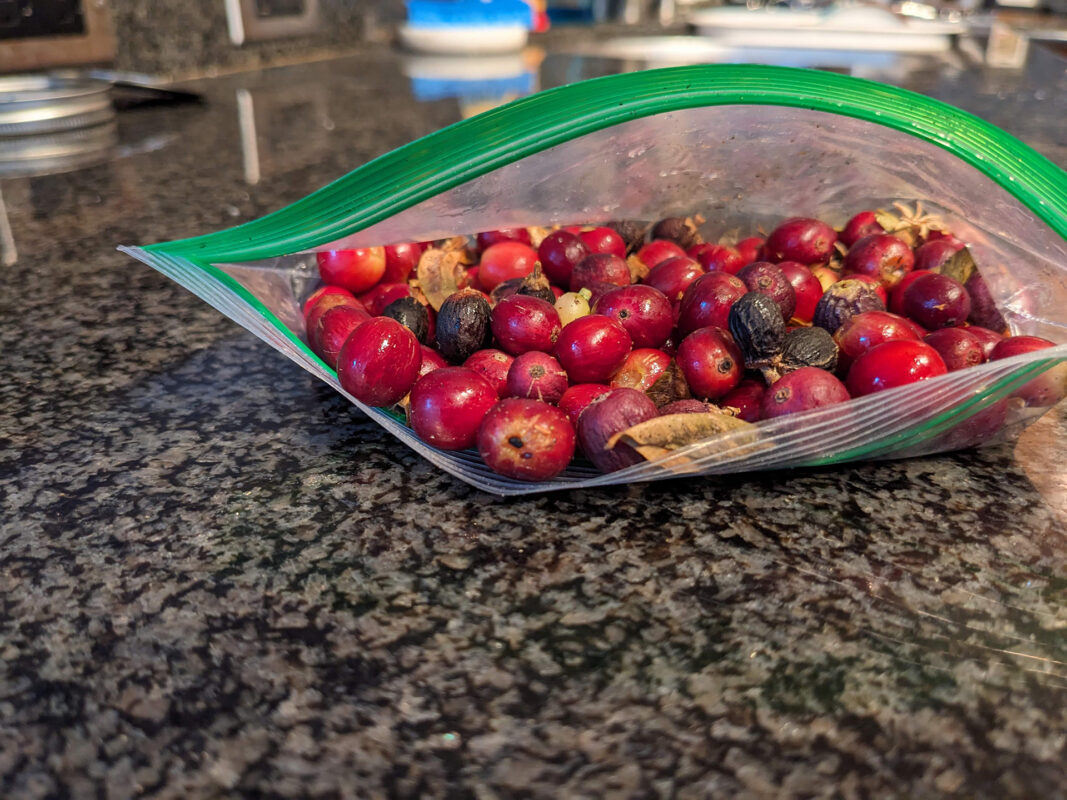
As of the latest reports, Berger continues to share his harvest with the local coffee community, gifting seeds for germination and cherries for tasting. The tree, now rejuvenated from its stumping, remains a thriving fixture of his home, proving that even in the heart of a temperate, foggy city, the spirit of the Coffee Belt can find a home. For enthusiasts looking to replicate his success, the recipe is clear: ample light, deep containers for root expansion, the courage to prune aggressively, and a profound respect for the labor-intensive journey from seed to cup.