
 Ali Ikhwan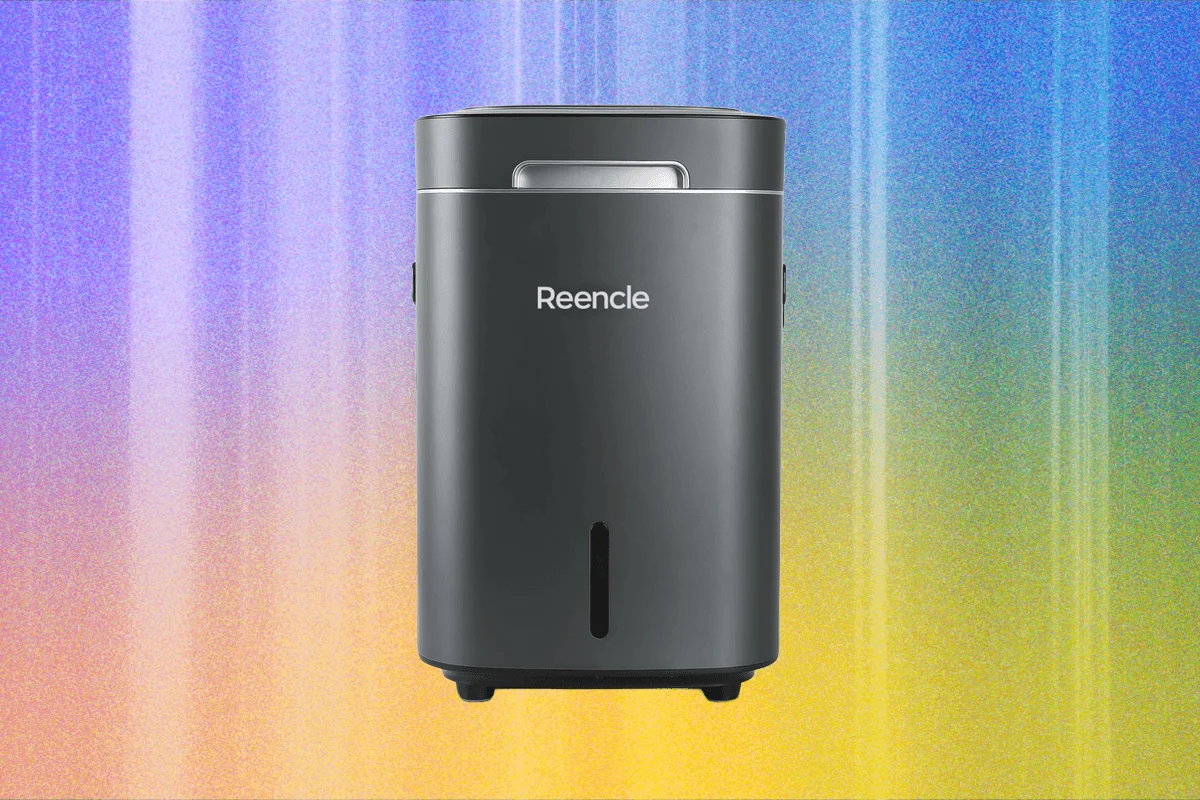
The promise of the countertop kitchen composter is a compelling vision for modern sustainability. In this ideal scenario, the traditional smelly bucket of vegetable scraps and coffee grounds—frequent breeding grounds for fruit flies and attractants for rodents—is replaced by a sleek electric appliance. According to manufacturer marketing, these devices ostensibly transform organic waste into a bountiful supply of nutrient-rich compost ready for garden use. However, a rigorous evaluation of the most popular machines on the market reveals a more complex reality. While many are branded as "composters," the vast majority of these devices are technically food recyclers that utilize heat and mechanical grinding to dehydrate and pulverize food scraps. This process significantly reduces waste volume and eliminates odors, but it does not produce the biologically stable, nutrient-dense compost typically found at garden centers.

The Mechanical Reality of Food Recycling
The distinction between a true composter and a food recycler is critical for consumers. True composting is a biological process requiring moisture, aeration, and time for microorganisms to break down organic matter into humus. In contrast, most countertop units are "grind-and-dry" machines. These devices produce a shelf-stable output that can be integrated into soil in limited quantities or added to a traditional outdoor compost pile. Despite the technical difference, the adoption of these machines is driven by a legitimate environmental goal: the reduction of food waste. Data from the Environmental Protection Agency (EPA) indicates that food waste comprises approximately 24 percent of municipal solid waste. When sequestered in landfills, this organic matter decomposes anaerobically, releasing methane—a greenhouse gas significantly more potent than carbon dioxide in its heat-trapping capabilities.
Market Evolution and Chronology of Testing
The landscape of home waste management has shifted rapidly since 2024. Early iterations of these devices were often criticized for high energy consumption and mechanical unreliability. However, longitudinal testing conducted between 2024 and 2026 suggests that the technology has matured. Manufacturers have refined energy efficiency, with most units now consuming approximately 1 kilowatt-hour per cycle—a figure comparable to other standard kitchen appliances.
-Reviewer-Photo-SOURCE-Kat-Merck.jpg)
The testing period for this assessment began in the summer of 2024, involving daily usage in a household environment to simulate typical wear and tear. By April 2026, the evaluation was expanded to include second-generation models and new entrants such as the Terra II from GEME and Clear Drop’s Organics Collector. This multi-year observation period allowed for the identification of long-term durability issues, such as the warping of plastic lids under repeated heat stress.
Comparative Analysis of Leading Microbial Systems
Among the diverse array of devices, the Reencle Prime is noted for its unique approach, which aligns more closely with traditional composting than its competitors. Originating in South Korea—a nation with rigorous food waste regulations—the Reencle utilizes a proprietary blend of wood pellets and patented microbes.

Unlike the "grind-and-dry" models, the Reencle functions as a continuous-feed system. It operates similarly to a heated, sensor-activated trash bin where scraps are added as they are generated. Over hours or days, the microbes decompose the matter into a substance resembling a mixture of soil and sawdust. Testing confirmed that this output, when mixed with potting soil at a 1:4 ratio and allowed to cure for three weeks, serves as an effective soil amendment for indoor and outdoor plants. For larger households, the manufacturer introduced the Reencle Gravity, which increases daily capacity from 1.5 pounds to 3.3 pounds while maintaining near-silent operation at approximately 30 decibels.
The "Grind-and-Dry" Industry Leaders
For consumers prioritized by volume reduction rather than soil production, the Lomi 3 and FoodCycler Eco 3 represent the industry standard. The Lomi 3, an evolution of the Lomi 2, simplified the user interface by removing multiple modes and adopting a streamlined bucket design. While the previous model could process certain bioplastics, the current Lomi 3 has pivoted away from this feature. Testing indicated that the device produces a very fine, coffee-ground-like output. However, long-term durability remains a concern; reports indicated that the plastic lids on some units may warp over several months of use, potentially compromising the odor-seal.

The FoodCycler Eco 3, launched in 2024 as a more compact version of the Vitamix-branded FC-50, is notable for its manufacturer’s transparent marketing. FoodCycler explicitly defines the device as a "food waste recycler" rather than a composter. It features a 3.5-liter capacity and an auxiliary pail system that allows users to collect scraps over several days before initiating a cycle. The resulting "Foodilizer" is highly pulverized, though the machine was observed to produce more mechanical noise—averaging 36 decibels with occasional creaking—after six months of regular operation.
High-Speed and High-Capacity Alternatives
For households requiring rapid processing, the Vego Kitchen Composter offers the fastest breakdown time, with an "Express" cycle capable of dehydrating waste in approximately two hours. While it is more affordable than the Lomi or Reencle, it presents trade-offs in ergonomics. The lid mechanism requires precise alignment and significant manual force, and the device is notably louder, with a cycling whir that can interfere with household activities.

Conversely, the Mill Food Recycler addresses the challenge of what to do with the processed output in urban environments. The Mill is designed as a large-capacity bin that only requires emptying once a month. It is unique for its integrated service model, where users can ship their dried grounds to be repurposed as chicken feed. While this model involves a subscription fee and higher initial costs, it provides a comprehensive "closed-loop" solution for those without access to gardening space or municipal composting.
Environmental Context and Supporting Data
The rise of these devices coincides with a global push toward waste diversion. Municipalities in several regions have begun implementing fines for food waste in trash bins, incentivizing the adoption of home recycling technology. The environmental impact is measurable:

- Volume Reduction: Most units achieve an 80 to 90 percent reduction in waste volume.
- Energy Use: Typical cycles consume 0.5 to 1.5 kWh, depending on the moisture content of the waste.
- Methane Mitigation: Diverting one ton of food waste from a landfill is equivalent to removing the emissions of a passenger vehicle for several months.
Critics of the industry, including representatives from the Sierra Club, have raised concerns regarding "greenwashing," arguing that the carbon footprint of manufacturing and shipping these heavy electronic devices may offset some of the benefits of waste diversion. Furthermore, the "astroturfing" of online reviews has made objective consumer choice more difficult. However, the data suggests that for individuals in high-density urban areas where backyard composting is impossible, these devices serve as a valuable tool for awareness and waste reduction.
Official Responses and Manufacturer Stances
Manufacturers have responded to various technical challenges and criticisms. Lomi addressed the issue of warping lids by citing a faulty batch of plastic in early production runs and offering replacements to affected consumers. FoodCycler has maintained a firm stance on terminology, ensuring that their byproduct is labeled as a "soil amendment" to avoid misleading gardeners who expect nutrient-complete compost.

GEME, the manufacturer of the Terra II, claims its "AI-powered" system uses industrial-grade microbes capable of withstanding high temperatures. However, independent testing with temperature probes showed internal temperatures reaching approximately 97 degrees Fahrenheit—significantly lower than the levels required to kill pathogens in materials like pet waste, despite the manufacturer’s suggestions that such materials could be processed.
Broader Impact and Future Outlook
The kitchen composter market reflects a broader trend toward the "electrification" of household sustainability. While no single device offers a perfect simulation of natural decomposition, the current generation of food recyclers provides a functional solution for the 24 percent of waste that currently fuels landfill methane production.

As municipal composting infrastructure continues to lag behind urbanization, the burden of waste management is increasingly shifting to the individual consumer. The success of these devices will likely depend on their ability to balance energy efficiency, mechanical durability, and the quality of the final output. For the modern homeowner, the choice between a microbial system like Reencle and a recycler like Lomi or Mill depends entirely on whether the end goal is to nourish a garden or simply to minimize the household’s contribution to the local landfill. As of 2026, the technology continues to evolve, with ongoing tests focusing on noise reduction and the integration of more durable materials to ensure these appliances remain a permanent fixture in the eco-conscious kitchen.







