
 Ali Ikhwan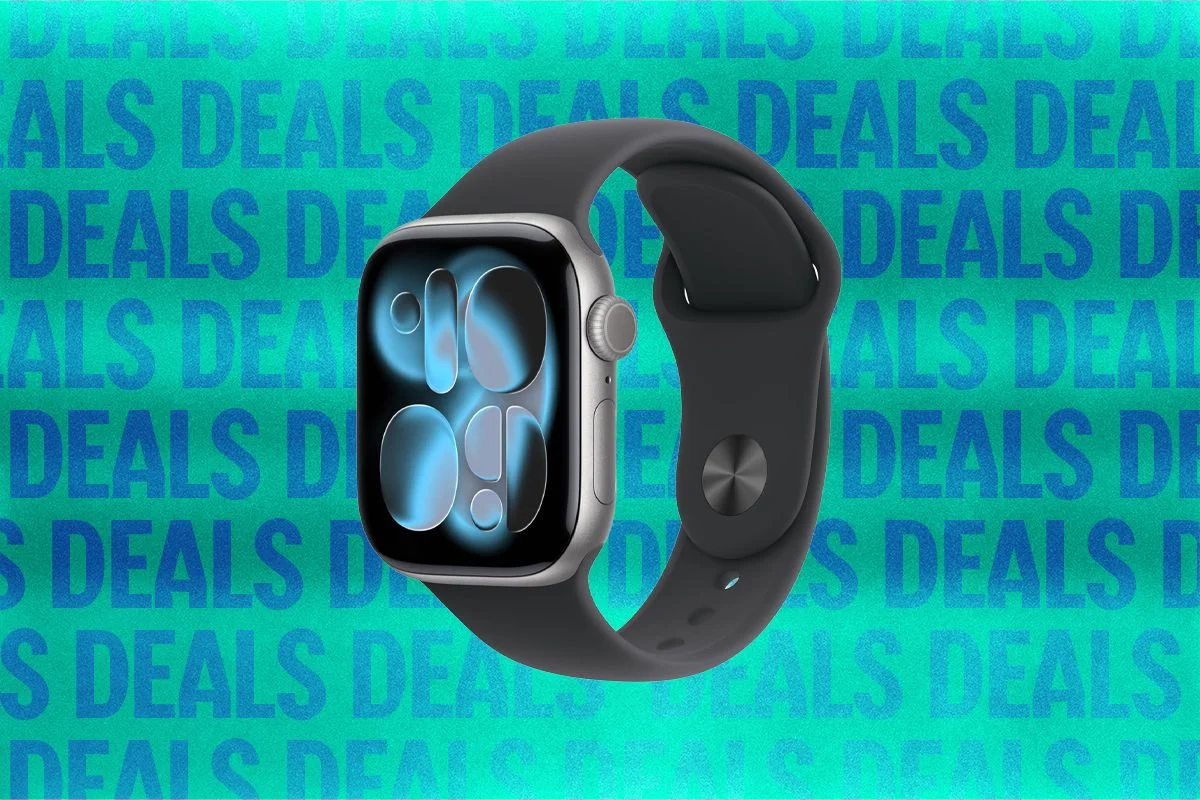
The Apple Watch Series 11 has reached a significant retail milestone as major distributors have reduced the entry-level price of the 42-millimeter model to $299, representing a $100 discount from its standard manufacturer’s suggested retail price (MSRP) of $399. This pricing adjustment, which returns the device to its previous all-time low, comes at a pivotal moment for the wearables industry as manufacturers contend with a saturated market and increasing pressure to deliver meaningful year-over-year hardware improvements. The current promotion applies primarily to the 42-millimeter aluminum case size equipped with GPS, though retail data indicates that discounts are being applied proportionally across the entire Series 11 lineup, including cellular-enabled variants and the larger 46-millimeter chassis.
The availability of these discounts across a wide spectrum of finishes—including the premium Gold, Natural, and Slate titanium options, alongside the more standard Rose Gold, Silver, Space Gray, and Jet Black aluminum finishes—suggests a strategic inventory move by retailers to capitalize on mid-cycle consumer demand. For iPhone owners, the Series 11 has long been positioned as the definitive wearable choice, but the price elasticity demonstrated by this $299 threshold often serves as the primary catalyst for users of older hardware, such as the Series 7 or Series 8, to finally commit to an upgrade.
Technical Specifications and Hardware Evolution
The Apple Watch Series 11 represents a culmination of several years of iterative engineering, focusing on three core pillars: battery longevity, health sensor integration, and artificial intelligence. Perhaps the most notable technical achievement in this generation is the implementation of a battery system capable of sustaining 24 hours of continuous use. Historically, the Apple Watch was rated for "all-day" battery life, which in practice often equated to 18 hours, necessitating a charge during sleep or immediately upon waking. The transition to a true 24-hour cycle allows for a seamless integration of sleep tracking and daytime activity monitoring without the "charging anxiety" that characterized earlier models.
This improved efficiency is largely attributed to the S11 SiP (System in Package), which utilizes a more advanced nanometer process to reduce power consumption while increasing computational throughput. The S11 chip also powers the new AI-enabled "Workout Buddy" feature. This software-hardware integration uses on-device machine learning to analyze gait, heart rate recovery, and exertion levels in real-time, offering predictive coaching cues that were previously the domain of high-end dedicated fitness trackers.
In addition to fitness, the Series 11 has expanded its diagnostic suite. The device now includes sophisticated sensors capable of monitoring for signs of hypertension—a condition often referred to as a "silent killer" due to its lack of overt symptoms. By tracking blood pressure trends over time, the watch provides users with data that can be shared with healthcare providers for earlier intervention. This joins the existing blood oxygen (SpO2) monitoring and electrocardiogram (ECG) functions, though the availability of these features continues to be subject to regional regulatory approvals and ongoing patent considerations.
Chronology of the Apple Watch Evolution
To understand the impact of the Series 11, one must look at the decade-long trajectory of Apple’s wearable strategy. When the original Apple Watch was released in 2015, it was positioned largely as a fashion accessory and a secondary notification screen for the iPhone. Over the subsequent years, the product’s identity shifted toward health and safety.
- 2016–2017: The introduction of GPS in Series 2 and cellular connectivity in Series 3 uncoupled the watch from the iPhone, allowing it to function as a standalone device for runners and outdoor enthusiasts.
- 2018: The Series 4 introduced a major redesign with a larger screen and the first consumer-grade ECG, marking the device’s transition into a regulated medical tool.
- 2020–2022: The Series 6 and Series 8 added blood oxygen monitoring and temperature sensing, respectively, while the rugged Apple Watch Ultra was introduced to compete with professional-grade sports watches.
- 2023–2024: The Series 10 and current Series 11 focused on refining the physical profile—making the watch thinner and lighter—while finally addressing the battery life constraints that remained the primary complaint of the user base.
The Series 11’s ability to maintain a slim profile while extending battery life to 24 hours is viewed by industry analysts as the "closing of the loop" for the original product vision. It is no longer a device that requires compromise; it is a comprehensive health monitor that fits within the natural 24-hour rhythm of human life.
Market Data and Competitive Analysis
Market share data from the previous fiscal quarter indicates that Apple continues to lead the global smartwatch market, holding approximately 32% of the total market share by revenue. However, competition from Google’s Pixel Watch lineup and Samsung’s Galaxy Watch series has intensified, particularly in the realm of health integration and battery performance.
By lowering the effective price of the Series 11 to $299, Apple and its retail partners are creating a significant barrier to entry for competitors. At the $400 MSRP, the Apple Watch is a luxury purchase; at $299, it moves into the territory of an essential utility for the average consumer. This pricing strategy is particularly effective in the "prosumer" fitness market, where users might otherwise consider mid-range Garmin or Suunto devices.
The inclusion of satellite messaging capabilities in the cellular models of the Series 11 further distinguishes the product from its rivals. Following the successful rollout of Emergency SOS via satellite on the iPhone, the integration of this technology into the Series 11 provides a safety net for hikers and travelers who may find themselves outside the range of traditional cellular towers. This feature, combined with Fall Detection and Crash Detection, reinforces the Apple Watch’s branding as a "guardian on the wrist."
Retail Strategy and Consumer Response
The fluctuation between the $399 MSRP and the $299 sale price is a calculated move observed across major retailers like Amazon, Best Buy, and Walmart. Industry experts suggest that these price swings are designed to capture different segments of the market. The $399 price point captures early adopters and those who value the latest technology regardless of cost, while the $299 price point targets the "value-conscious upgrader."
Internal retail surveys suggest that the $100 discount is often the "tipping point" for owners of the Apple Watch Series 6 or older. These users, who may be experiencing diminished battery health or lacking the latest sensor suites, are statistically more likely to convert when the price drops below the $300 threshold.
The variety of finishes available at the discounted rate is also a significant factor in consumer response. The introduction of Jet Black in the aluminum line has seen particularly high demand, reminiscent of the popular finish found on previous iPhone models. Meanwhile, the titanium finishes—Gold, Natural, and Slate—remain the preferred choice for professionals seeking a more traditional horological aesthetic without sacrificing the functional benefits of a smartwatch.
Broader Implications for the Wearable Industry
The success of the Apple Watch Series 11 at this lower price point has broader implications for the future of the wearable industry. As the hardware matures, the focus is shifting from what the watch is to what the watch knows. With the inclusion of hypertension monitoring and AI-driven workout insights, Apple is moving deeper into the preventative healthcare space.
This shift is likely to trigger a response from insurance providers and corporate wellness programs. There is already a growing trend of insurance companies subsidizing the cost of smartwatches in exchange for users meeting certain activity goals. A $299 Series 11 makes such programs more economically viable for large-scale deployment, potentially leading to a future where wearable health monitoring is a standard component of healthcare coverage.
Furthermore, the integration of satellite messaging into a mass-market wearable sets a new standard for mobile safety. As other manufacturers scramble to integrate similar Low Earth Orbit (LEO) connectivity, the Series 11 stands as the benchmark for how these complex technologies can be miniaturized into a device that weighs less than 40 grams.
In conclusion, the current sale price of the Apple Watch Series 11 is more than just a temporary retail discount; it is a reflection of a maturing product category that is becoming increasingly accessible to a wider demographic. For those still utilizing older iterations of the hardware, the combination of a 24-hour battery, advanced health diagnostics, and a highly competitive $299 price tag represents the most compelling upgrade path in the history of the product line. As the wearables market continues to evolve, the Series 11 will likely be remembered as the model that transitioned the smartwatch from a high-tech novelty into a ubiquitous health and safety essential.







