Angie Faith
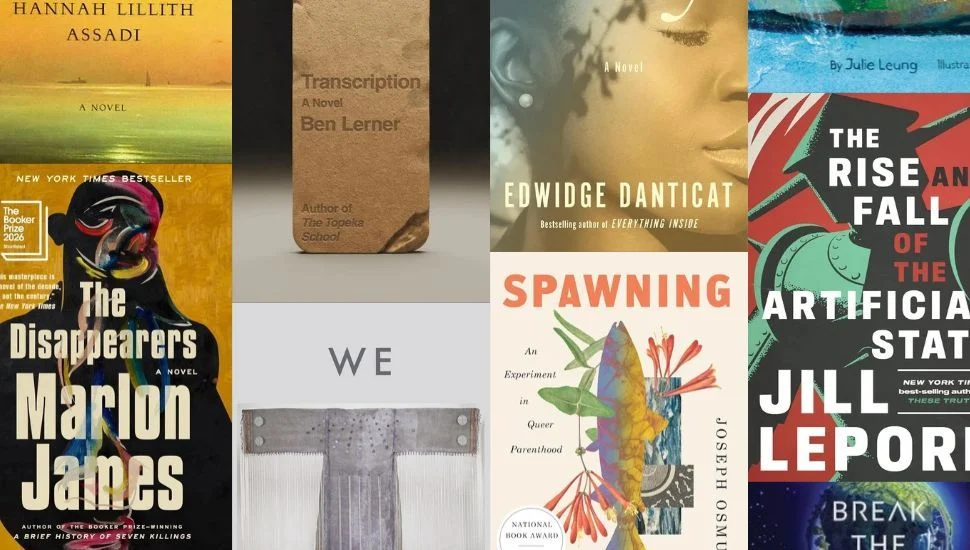
Spotify has introduced a significant expansion of its literary services this spring, marking its official foray into the sale of physical books within the United States and the United Kingdom. This new offering, available on Android devices starting today and rolling out to iOS users next week, is facilitated through a strategic partnership with Bookshop.org, an online bookstore that supports independent bookstores. This move signals a deeper commitment by the audio streaming giant to encompass a broader spectrum of book consumption, moving beyond its established audiobook catalog.
The integration of physical book sales on Spotify’s platform is a noteworthy development, particularly when contrasted with recent data concerning reading habits. While Spotify’s expansion suggests a growing appetite for literary content in various formats, a widely reported finding from the previous year indicated that only 16% of Americans reported reading for pleasure. This stark discrepancy raises pertinent questions about survey methodologies and the evolving landscape of how individuals engage with literature. Differences in survey design, including the specific questions asked, the demographic samples surveyed, and the definitions of "reading for pleasure," could be contributing factors to these divergent findings. For instance, a survey focusing on leisure activities might yield different results than one specifically probing reading habits, irrespective of the context or perceived pleasure.
Furthermore, the broader cultural and legislative environment surrounding literature and literacy remains a critical backdrop to these developments. The past several years have witnessed a sustained period of legislative challenges and targeted efforts aimed at undermining public libraries and educational institutions. These assaults on pillars of knowledge and access to literature often manifest as funding cuts and restrictive policies. One program that has faced particular scrutiny and reduction in state-level funding is Dolly Parton’s Imagination Library. This initiative, which mails free, age-appropriate books to children from birth until five years old, boasts well-researched benefits and an exceptionally low cost per child. The persistent attempts to revoke its funding, despite its proven efficacy, suggest motivations rooted in ideological opposition or a desire for austerity that prioritizes cuts over proven, beneficial programs, rather than genuine budgetary constraints. The contrast between the challenges faced by such initiatives and Spotify’s proactive expansion into book sales highlights a complex and often contradictory relationship with literature in contemporary society.
Spotify’s Strategic Pivot: Beyond Audiobooks
Spotify’s initial foray into the book market primarily revolved around audiobooks, leveraging its core competency in audio streaming. The platform has been steadily building its audiobook catalog, a move that has seen significant investment and expansion in recent years. This strategy has allowed Spotify to tap into the burgeoning audiobook market, which has experienced substantial growth, driven by increased convenience and the rise of multitasking consumers.
The partnership with Bookshop.org represents a significant escalation of this strategy. Bookshop.org, established in 2014, was created as a response to the dominance of Amazon in the book retail market. It operates by providing a platform for independent bookstores to sell their inventory online, with a significant portion of the profits directed back to these local businesses. This model offers a compelling alternative for consumers who wish to support independent booksellers while still enjoying the convenience of online purchasing.
By integrating physical book sales through Bookshop.org, Spotify is not only diversifying its revenue streams but also potentially positioning itself as a more comprehensive literary hub. This move could attract a wider range of users, including those who prefer physical books but are already part of the Spotify ecosystem for music and podcasts. The synergy between audiobooks, podcasts, and now physical books could create a unique value proposition for consumers, consolidating their literary and entertainment consumption within a single platform.
Examining Reading Habits: Conflicting Data and Potential Explanations
The divergence between Spotify’s expansion and the reported low percentage of Americans reading for pleasure warrants a closer examination of the data. The Pew Research Center, a prominent source for research on reading habits, has consistently tracked trends in book consumption. In a 2021 report, Pew found that 74% of American adults had read at least one book in the past year, with 27% reporting having read five or more books. However, the definition of "reading for pleasure" can be subjective and may not fully capture all forms of engagement with written material.
Several factors could contribute to the perceived decline or low reported rates of reading for pleasure:
- Increased Competition for Leisure Time: The proliferation of digital entertainment options, including streaming services, social media, and video games, competes heavily for individuals’ limited leisure time.
- Shifting Definitions of "Reading": With the rise of audiobooks and e-books, the act of "reading" itself has evolved. Some surveys might implicitly favor traditional print reading, potentially undercounting engagement with audio formats.
- Survey Methodology: As previously mentioned, the phrasing of survey questions, the sampling methods, and the demographic characteristics of respondents can significantly influence reported outcomes. For example, a survey that asks about reading "for pleasure" might elicit different responses than one that inquires about reading for information, education, or even escape.
- Economic and Societal Pressures: High levels of stress, long working hours, and economic anxieties can reduce the mental bandwidth available for activities perceived as purely recreational, such as reading for pleasure.
Spotify’s move to offer physical books could, in theory, address some of these issues by making literary acquisition more convenient and integrated into existing media consumption habits. However, it does not directly address the underlying reasons why individuals may choose not to engage in reading for pleasure.
The Ongoing Battle for Literacy and Library Support
The challenges faced by Dolly Parton’s Imagination Library and public libraries underscore a broader societal debate about the value of literacy, education, and equitable access to information. Dolly Parton’s Imagination Library, launched in 1995, has a proven track record of improving early literacy skills, fostering a lifelong love of reading, and providing a crucial early intervention for children in underserved communities. Studies have consistently demonstrated the program’s positive impact on kindergarten readiness and reading proficiency.
The program’s low operational cost, estimated at around $2.50 per child per month, makes the resistance to its funding particularly perplexing. Critics of such funding cuts often point to the ideological underpinnings of these decisions, suggesting that they reflect a broader skepticism towards public programs and a desire to reduce government intervention, even when such interventions yield significant social returns.
Similarly, public libraries have been under constant pressure, facing budget cuts, staffing shortages, and, in some instances, direct censorship campaigns targeting books and educational materials. These institutions serve as vital community hubs, offering free access to books, technology, educational programs, and safe spaces for learning and social interaction. Their erosion has profound implications for information equity, digital literacy, and community well-being.
The juxtaposition of these struggles with Spotify’s commercial expansion into book sales highlights a complex and sometimes contradictory landscape. While commercial entities may find new avenues to profit from literature, the fundamental infrastructure and support systems that ensure widespread literacy and access, particularly for vulnerable populations, remain under threat.
Potential Implications of Spotify’s New Venture
Spotify’s integration of physical book sales through Bookshop.org carries several potential implications for the book industry and consumer behavior:
- Increased Accessibility: For existing Spotify users, the convenience of purchasing physical books directly within the app could lower the barrier to entry for acquiring new titles.
- Support for Independent Bookstores: The partnership with Bookshop.org offers a potential new sales channel for independent booksellers, which could be crucial for their survival in an increasingly digital marketplace. This aligns with a growing consumer trend towards supporting ethical and local businesses.
- Data Integration: Spotify will likely gain valuable data on user purchasing habits for physical books, which can inform future content strategies and personalized recommendations across its entire media offering.
- Market Competition: This move intensifies competition in the online book retail space, potentially challenging established players like Amazon and Barnes & Noble.
- Redefining the "Bookstore" Experience: Spotify’s integration could blur the lines between entertainment streaming and retail, creating a more holistic media consumption experience within a single platform.
While the immediate impact on reading habits remains to be seen, Spotify’s strategic expansion into physical book sales signifies a bold step in its evolution from an audio streaming service to a broader entertainment and content platform. The success of this venture will likely depend on its ability to seamlessly integrate the purchasing experience, offer competitive pricing, and effectively leverage its existing user base. Concurrently, the ongoing challenges faced by public institutions dedicated to fostering literacy and access to knowledge underscore the importance of a multi-faceted approach to promoting reading and intellectual engagement in society. The future of literature consumption will likely be shaped by both commercial innovation and sustained public commitment to educational and cultural resources.