Reynand Holland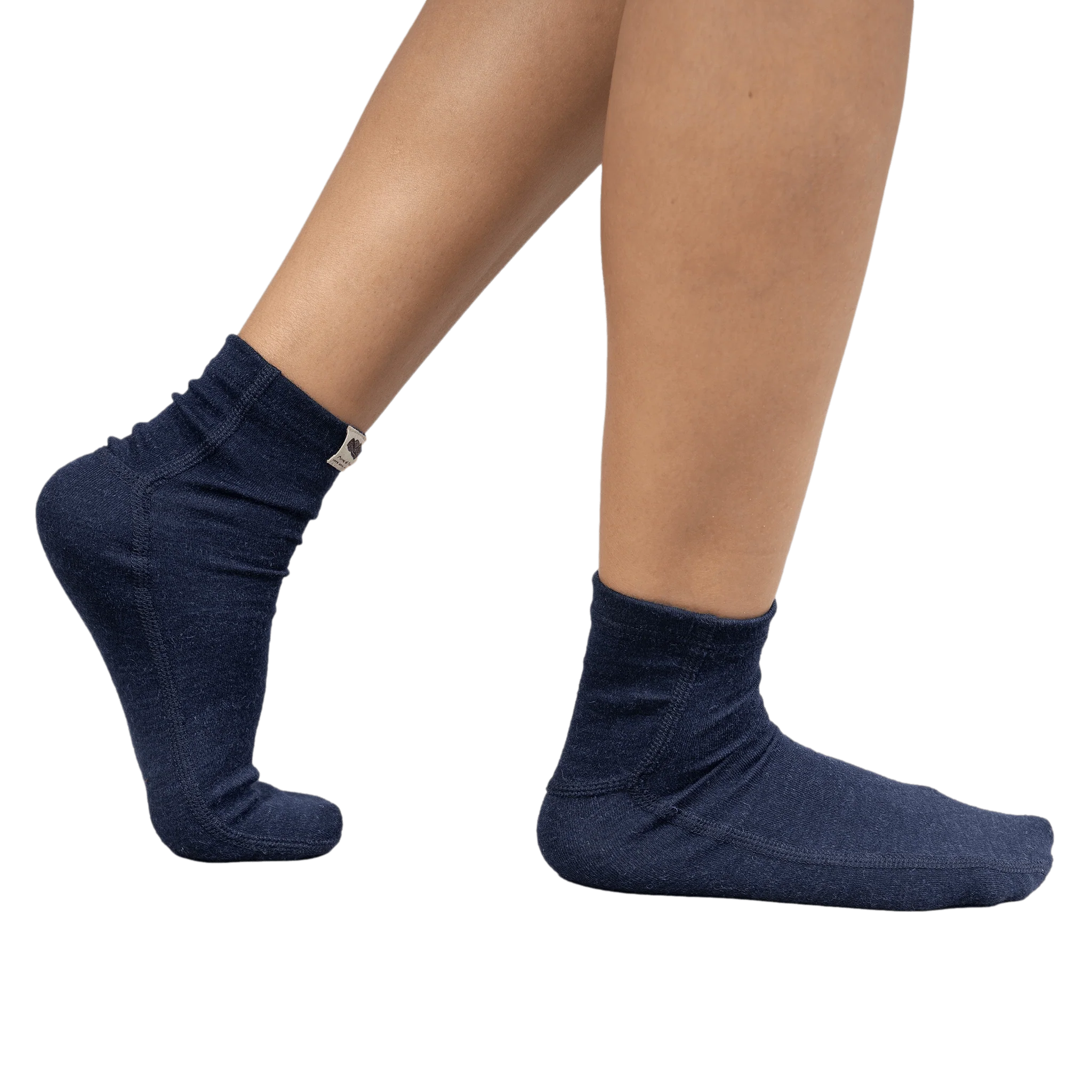
Socks, often overlooked as a mere accessory, play a surprisingly significant role in our daily comfort and, more critically, our health. For individuals prone to skin sensitivities, the seemingly innocuous act of pulling on a pair of socks can trigger discomfort, itching, and irritation. This discomfort is frequently linked to synthetic materials and the chemical dyes used in their production. Research indicates that the prevalence of textile-related allergies is on the rise, with a growing number of consumers seeking alternatives that prioritize natural fibers and non-toxic processing.
The issue extends beyond mere aesthetics or a fleeting itch. Plastic-based synthetic socks can trap odors, creating an environment conducive to bacterial growth. More concerning are the dyes commonly employed on polyester, such as azo-benzene disperse dyes. These chemicals are recognized as skin sensitizers, capable of causing allergic contact dermatitis. Furthermore, scientific studies, including those published in peer-reviewed journals like Environmental Health Perspectives, have raised concerns about the potential carcinogenicity of certain azo dyes when absorbed through the skin. Given that socks are in constant contact with the skin, especially during periods of perspiration, the risk of absorption is amplified. This necessitates a shift towards materials and dyes that are certified safe and less likely to pose a health risk. Fortunately, the market is responding to this growing concern, with an increasing number of brands offering socks that combine vibrant designs with a commitment to skin-safe and environmentally responsible practices.
The Foundation of Comfort: Prioritizing Natural Materials
The cornerstone of comfortable and healthy socks lies in their material composition. For those with sensitive skin or pre-existing dermatological conditions, opting for 100% natural fibers is paramount. While the inclusion of a small percentage of synthetics like elastane for stretch is common, finding entirely synthetic-free socks can be a challenge. However, brands like Cottonique and Arms of Andes are making strides in this area, offering truly natural alternatives. For most other brands, it’s advisable to assume a minimal synthetic content that is unlikely to cause irritation. It is beneficial for consumers to be aware of brands that clearly indicate when their socks contain 20% or more synthetics, allowing for informed choices.
Merino and Alpaca Wool: Nature’s Performance Fibers
Merino and alpaca wool stand out as exceptional choices for sock construction due to their inherent properties. Both are naturally odor-resistant and possess superior moisture-wicking capabilities, keeping feet dry and comfortable throughout the day. The Responsible Wool Standard (RWS) is a crucial certification to look for when purchasing wool-based socks. This standard ensures that the wool is sourced ethically, prohibiting the practice of mulesing, a painful procedure performed on sheep to prevent flystrike. Mulesing involves the removal of skin from the sheep’s breech, a practice that has drawn significant criticism from animal welfare organizations.
Other Natural Fiber Options
Beyond wool, several other natural fibers offer comfort and breathability. Organic cotton, when grown without synthetic pesticides and fertilizers, provides a soft and gentle option. Tencel, derived from wood pulp through a closed-loop process that minimizes environmental impact, is known for its smoothness and moisture management. Linen, a strong and breathable fabric, is another excellent choice, particularly for warmer climates. Bamboo viscose, while requiring careful consideration regarding its processing methods to ensure eco-friendliness, can also offer a soft and breathable feel. For consumers not overly sensitive to synthetics, blends incorporating recycled materials like nylon and polyester can be considered, but prioritizing those with a majority of natural fibers remains the most prudent approach.
The Spectrum of Safety: Understanding Non-Toxic Dyes and Finishes
The impact of dyes on skin health cannot be overstated. For individuals sensitive to dyes, the availability of undyed socks offers a direct solution, embracing the natural hues of the fibers themselves. When dyed socks are preferred, seeking certifications such as Oeko-Tex is essential. The Oeko-Tex Standard 100 certification guarantees that the final product has been tested for harmful substances and is therefore safe for human health. Similarly, bluesign® system certification ensures that the entire textile manufacturing process, from raw materials to finished product, adheres to stringent environmental and safety standards, minimizing the use of hazardous chemicals. Brands that openly publish a Restricted Substances List (RSL) demonstrate a commitment to chemical management and transparency, offering an additional layer of assurance for consumers.
Ethical Footprints: Traceable and Ethical Supply Chains
The journey of a sock from raw material to a finished product involves a complex global supply chain. Consumers are increasingly demanding transparency and ethical practices from the brands they support. Brands that openly share information about their supply chain partners, manufacturing locations, and labor conditions are setting a higher standard. Certifications from Fair Trade, WRAP (Worldwide Responsible Accredited Production), and B Corp provide external validation of a company’s commitment to ethical manufacturing, fair labor practices, and social responsibility. These certifications can help consumers make informed decisions, ensuring their purchases contribute positively to the lives of the people involved in production.
Beyond the Product: Sustainable Packaging Practices
Even seemingly small items like socks can contribute to waste if not packaged thoughtfully. The prevalence of single-use plastics in product packaging is a growing environmental concern. Consumers looking to minimize their environmental footprint should seek out brands that utilize compostable or biodegradable packaging, or opt for materials made from recycled and recyclable content. Certifications like those from the Forest Stewardship Council (FSC) can help verify that paper and cardboard packaging materials are sourced responsibly from sustainably managed forests.
Curated Choices for Conscious Consumers: Top Sock Brands
The market now offers a diverse range of brands that are actively addressing the need for healthier, more sustainable sock options. Here’s an in-depth look at some of the leading names:
1. Harvest & Mill
What We Love: Harvest & Mill is a pioneer in producing dye-free, organic cotton socks entirely grown, spun, and knit in the United States. This commitment to domestic production not only shortens the supply chain but also supports American farmers and textile workers. The brand further emphasizes its sustainability ethos by repurposing or recycling all fabric scraps and utilizing compostable packaging.
Our Review: Testers with sensitive skin have lauded Harvest & Mill’s dye-free socks for their natural color and exceptional coziness. The crew-style socks offer ample ankle coverage, providing protection without constricting the leg. Despite their substantial feel, they remain surprisingly lightweight. This brand exemplifies how natural materials can deliver both comfort and peace of mind.
Price Range: $11-$12 for single pairs, $33-$66 for multi-packs.
Availability: Widely available internationally.
2. Subset
What We Love: Formerly known as Knickey, Subset, a Brooklyn-based brand, is committed to PFAS-free products and champions Fair Trade and Oeko-Tex-certified organic cotton. Their cotton is sourced from an organic farm in India, where it undergoes all stages of processing, from ginning to sewing, within a single integrated facility.
Our Review: While some testers found Subset’s socks to be on the thinner side, they were praised for their suitability with form-fitting shoes and a more refined aesthetic. Crucially, the elastic cuffs are well-integrated into the fabric, preventing direct skin contact and minimizing the risk of irritation for those sensitive to elastic.
Watch Out For: Subset socks contain approximately 24% synthetic fibers.
Price Range: $12 per pair.
Availability: Available in the U.S., Australia, Canada, and most European countries.
3. Paka
What We Love: Paka, a certified B Corporation, creates durable yet lightweight socks primarily from alpaca wool and Tencel. These socks are not only moisture-wicking and odor-resistant but are also dyed using Oeko-Tex-certified dyes. The spinning of the yarn is done by skilled Peruvian artisans, and the brand utilizes biodegradable and compostable packaging.
Our Review: Paka’s socks have garnered enthusiastic reviews from testers with sensitive skin. Their substantial warmth is ideal for keeping chronically cold feet comfortable in varying weather conditions, making them particularly suitable for winter hiking. While some mild itchiness was reported after extended wear, it was attributed to the natural texture of alpaca wool rather than a chemical reaction. These are highly recommended for anyone living in or traveling to regions with harsh winters.
Watch Out For: Paka socks may contain up to 50% recycled synthetic materials.
Price Range: $20-$24 for single pairs, $48-$96 for bundles.
Availability: Worldwide.
4. Arms of Andes
What We Love: Arms of Andes stands out as one of the few brands offering socks completely free of synthetic materials. Their 100% alpaca fiber slipper socks are crafted from free-range alpacas and are Oeko-Tex certified. These socks are remarkably warm yet lightweight, soft, and moisture-wicking. The brand fosters close relationships with co-op farmers in the Andes, ensuring ethical sourcing and production from fiber to finished garment. Their orders are shipped in compostable packaging.
Price Range: $20-$25 for single pairs, $65 for packs.
Availability: Available in the U.S., the EU, and the UK.
5. Cottonique
What We Love: Cottonique is dedicated to producing completely synthetic-free apparel, specializing in 100% cotton, allergy-free garments. Their socks are latex-free, bleach-free, and hypoallergenic, featuring covered seams to prevent irritation. Collaborating closely with dermatologists, Cottonique ensures its products are genuinely safe for sensitive skin. They source organic cotton from India and manufacture in the Philippines, using compostable packaging.
Price Range: $16 for single pairs of thigh-highs, $16-$21 for other styles.
Availability: Most countries.
6. Boody
What We Love: Based in Sydney, Boody offers a versatile range of socks designed for various activities, from lounging to active pursuits. They utilize Oeko-Tex-certified organic bamboo viscose sourced from India, along with organic cotton and recycled nylon. Boody adheres to a strict code of conduct and partners with WRAP-certified facilities in China, Vietnam, and India.
Price Range: $9.95-$17.95 for single pairs, $54 for bundles.
Availability: The U.S. and Canada.
7. Kotn
What We Love: Kotn, a certified B Corp, builds enduring relationships with cotton farmers in Egypt through direct trade, ensuring fair pricing and high-quality organic cotton. Their socks are produced using Oeko-Tex-certified dyes, and the brand maintains a fully traceable supply chain. Their packaging is made from recycled and recyclable materials.
Our Review: Kotn socks are consistently praised for their comfort, professional appearance, and ability to elevate an outfit.
Watch Out For: Some Kotn sock varieties contain up to 20% synthetic fibers.
Price Range: $10-$18 for single pairs.
Availability: Most countries.
8. Quinn
What We Love: Quinn designs durable garments specifically for individuals with eczema. Their collection includes dye-free, lightweight, and mid-weight organic cotton socks. Designed in Canada, these socks are ethically produced in Oeko-Tex-certified factories in Portugal and Sri Lanka.
Our Review: Testers found Quinn’s undyed cotton ankle socks and mid-weight merino wool socks to be exceptionally comfortable and breathable. While the ankle socks experienced some slippage, the merino wool option, featuring an extra-thick heel, provided superior warmth and comfort for both outdoor activities and relaxation.
Watch Out For: While the cotton is GOTS-certified, its sourcing location is not always specified. Some pairs contain up to 20% synthetics.
Price Range: $15 for single pairs, up to $75 for packs.
Availability: Most countries.
9. Cariloha
What We Love: Cariloha, a certified B Corp, offers hypoallergenic socks crafted from bamboo viscose and organic cotton. Their bamboo is sourced from China and is Oeko-Tex and Fair Trade certified. They utilize FSC-certified paper for their packaging.
Watch Out For: The manufacturing locations for Cariloha products are not always clearly stated.
Price Range: $10-$15 for single pairs, $30-$45 for bundles.
Availability: The U.S., Australia, and Canada.
10. Dedicated
What We Love: Dedicated is known for its vibrant and patterned Fair Trade organic cotton socks. Their cotton suppliers are WRAP-certified, and the brand provides transparency regarding the manufacturing location of each pair of socks on their product pages.
Watch Out For: Dedicated socks contain up to 25% elastane.
Price Range: $9-$59.
Availability: Worldwide.
11. Darn Tough
What We Love: Crafted in Vermont at family-owned mills, Darn Tough socks are engineered for exceptional comfort and durability. They feature RWS-certified merino wool in a wide array of colorful and fun designs. The brand adheres to Oeko-Tex standards for its materials and conducts regular testing for hazardous substances. Their packaging incorporates FSC-certified recycled paper, compostable bags, and vegetable-based inks.
Watch Out For: Darn Tough socks can contain up to 50% synthetic fibers.
Price Range: $15-$35 for single pairs, up to $84 for packs.
Availability: The U.S., the UK, and the EU.
12. Nisolo
What We Love: Nisolo, a certified B Corp, is renowned for its quality leather footwear and offers a complementary line of comfortable socks. These socks are made in a family-owned mill in North Carolina using upcycled cotton, linen, wool, and recycled polyester. Nisolo is committed to supply chain traceability and ensuring living wages for its workers. Their packaging is made from recycled materials.
Watch Out For: Nisolo socks can contain up to 70% synthetic fibers.
Price Range: $15-$20 for single pairs.
Availability: The U.S., Australia, Canada, and most European countries.
13. Swedish Stockings
What We Love: Swedish Stockings produces a range of knee-high and ankle socks, including classic, supportive, and patterned designs. Manufactured in Italy, they utilize Oeko-Tex-certified materials such as bamboo viscose, organic cotton, organic wool, recycled polyester, and a blend of virgin and recycled elastane.
Watch Out For: Some of their sock offerings are entirely synthetic.
Price Range: $19 for ankle sock bundles, $22-$45 for single knee-highs, and $50-$90 for knee-high bundles.
Availability: Most countries.
By understanding the materials, dyes, and ethical considerations that go into sock production, consumers can make informed choices that benefit both their personal well-being and the planet. The growing availability of high-quality, natural, and non-toxic sock options ensures that comfort and health can be a priority, one step at a time.