Reynand Holland
Babies, while a source of immeasurable joy, are also significant contributors to household waste. The sheer volume of disposable diapers used by infants is staggering, presenting a dual challenge: an escalating environmental burden and potential health risks for developing children. This reality has spurred innovation in the diaper industry, with companies like Dyper emerging to offer alternatives that prioritize both performance and planetary well-being.
The average baby will go through approximately 6,000 diapers in their first two years of life. This statistic, while often cited, underscores the monumental scale of the waste problem associated with disposable diapers. For many busy parents, the convenience of single-use diapers outweighs the perceived complexities of reusable alternatives. However, this convenience comes at a significant cost, not only to landfills but also to the health of infants.
Beyond their sheer volume, traditional single-use disposable diapers are increasingly coming under scrutiny for their composition. Concerns are mounting regarding the materials used, from plastics that can take centuries to decompose to the chemical additives employed for absorbency and fragrance. These components, often undisclosed to consumers, are raising red flags among health professionals and environmental advocates.
A growing body of research suggests potential links between chemicals found in conventional diapers and adverse health outcomes. Studies have indicated possible connections to endocrine and reproductive disorders, acute skin rashes, and even a heightened risk of certain cancers later in life. This is particularly concerning given the limited regulatory oversight. Unlike menstrual products, which have some ingredient disclosure requirements, baby diapers are primarily tested for lead by the Consumer Product Safety Commission, with little to no mandated testing for other potentially harmful chemicals, including carcinogens and endocrine disruptors.
The post-use journey of a disposable diaper is equally concerning. Once soiled, these diapers are typically placed in municipal trash bins, contributing to the ever-growing volume of landfill waste. The image of overflowing bins, a common sight for many households with young children, serves as a stark visual representation of this persistent issue.
It was precisely this recurring observation of overflowing trash bins, filled with plastic diapers, that ignited a desire for change in Tony Patron, co-founder of REDYPER. This personal realization, coupled with his background as an engineer, provided the impetus to seek a more sustainable solution. This journey eventually led to the inception of Dyper, a company dedicated to developing diapers that are not only safe and high-performing but also environmentally conscious.
Pushing for Change in a Landfill-Bound Industry

Patron’s dual role as a new father grappling with the waste problem and an engineer equipped to address it proved to be a powerful combination. His initial efforts involved exploring partnerships with existing manufacturers of compostable diapers. However, these discussions ultimately culminated in a merger, giving rise to Dyper, a new entity with a clear mission: to create non-toxic, biodegradable diapers that significantly reduce both household and environmental waste.
The product development team at Dyper is committed to maximizing the biodegradability of their diapers. While acknowledging that certain technological components, such as the fasteners, may not yet be fully biodegradable, the company strives to make nearly all other product elements compostable. "Our goal is to provide a diaper that performs equally to any other diaper on the market in terms of absorbency, fit, and comfort, and ensuring that we don’t have any skin irritation," Patron stated. This commitment underscores the understanding that a sustainable diaper must also meet the practical needs of parents.
Dyper’s product philosophy is rooted in the use of plant-based materials. The diapers predominantly feature fibers derived from US-grown, FSC-certified bamboo and eucalyptus. The viscose bamboo used is sourced from an Oeko-Tex certified supplier, a certification that indicates the textile has been tested for harmful substances and is safe for human health. In a move towards radical transparency, Dyper meticulously labels each layer of its diapers with its specific components, empowering conscious parents with detailed information about what is in contact with their baby’s skin. The company’s commitment to bio-based materials is further evidenced by its USDA BioPreferred certifications: 55% for its diaper products and an impressive 95% for its wipes.
Further validating the safety and gentleness of their products, Dyper diapers meet Oeko-Tex standards. The brand has also achieved the DermaTest 5-Star Certification, a rigorous independent evaluation that guarantees the diapers are unlikely to cause skin reactions, a crucial factor for infants with sensitive skin.
Beyond material selection, Dyper also engages third-party laboratories for independent testing of its products. This ensures the diapers are not only compostable but also free from harmful toxins, reinforcing the company’s dedication to a holistic approach to product safety and environmental responsibility.
Plants Over Plastic: A Philosophy Driving Innovation
The core ethos driving Dyper’s mission is succinctly captured in its slogan: "plants over plastic for happy babies." This philosophy translates into a tangible product that eschews the harmful chemical additives commonly found in conventional diapers. By prioritizing plant-based materials, Dyper’s diapers are formulated to be free from phthalates, latex, parabens, and other potential irritants that can negatively impact a baby’s delicate skin. The natural fibers are inherently gentler, and the sourcing of these materials is conducted with an emphasis on responsibility.
The benefits of Dyper diapers extend beyond their impact on baby’s skin and the environment. They are engineered to offer a high level of performance, effectively preventing leaks and minimizing diaper rash, thereby contributing to a baby’s overall comfort and well-being. This addresses a common parental concern that eco-friendly options might compromise on functionality.
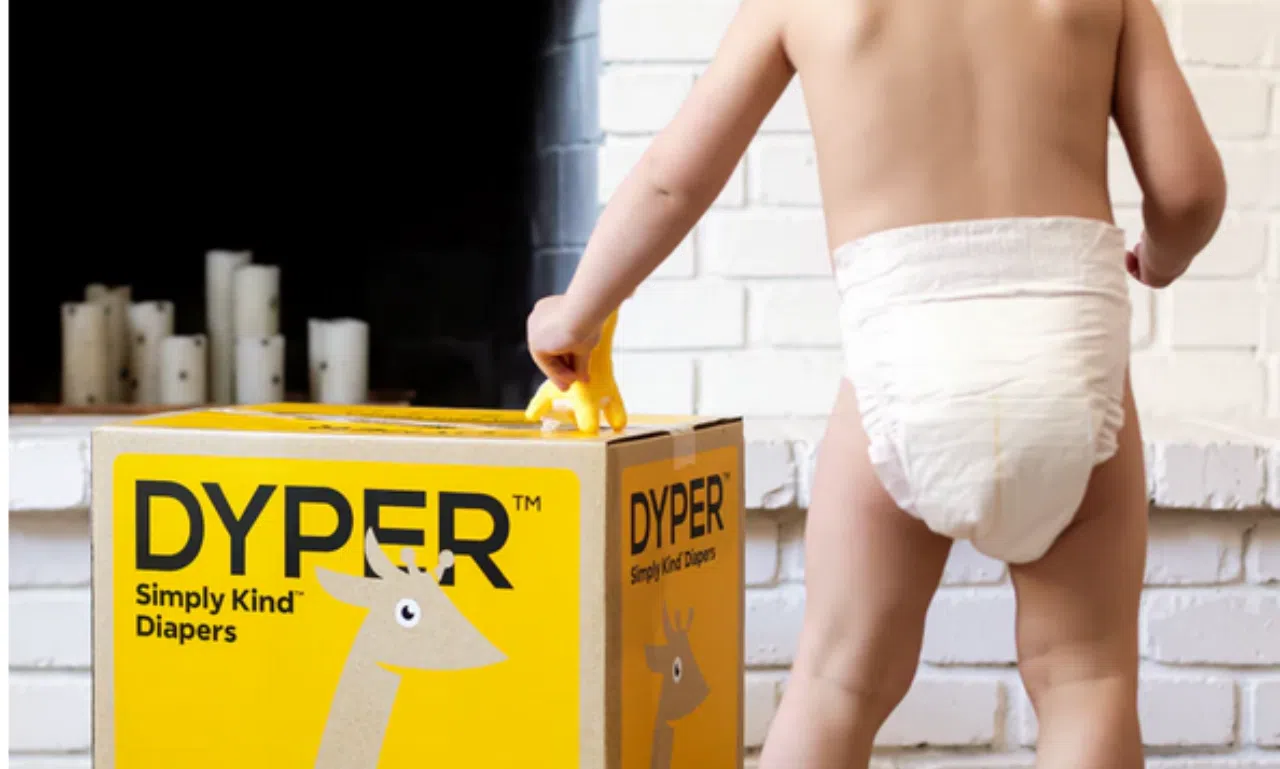
A groundbreaking aspect of Dyper’s offering is its optional REDYPER program. This service, available in select states, provides a convenient solution for the disposal of used diapers and wipes. Through partnerships with regional composting facilities, the REDYPER program facilitates the composting of the biodegradable materials within a timeframe of 14 to 16 weeks. Any non-compostable elements are then removed and responsibly disposed of. This initiative has already made a significant impact, diverting over 14 million pounds of waste from landfills to date, demonstrating the tangible results of a circular economy approach to diapering.
Dyper’s commitment to sustainability is also evident in its packaging, where the company endeavors to utilize sustainable materials wherever feasible, further minimizing its environmental footprint. This comprehensive approach ensures that parents do not have to compromise between functional diapers and sustainable choices; Dyper aims to deliver both.
Making it Easy: Convenience Meets Sustainability
Dyper offers a flexible purchasing model, catering to diverse parental needs. Customers can opt for convenient subscription services or make one-time purchases in a wide range of sizes. For those within the service area, Dyper provides an optional weekly or bi-weekly pickup service for used diapers and wipes through its REDYPER program. This innovative service streamlines the composting process for parents, making it an accessible and practical option.
By partnering with regional composting facilities, Dyper ensures that the collected materials are processed efficiently. The biodegradable components are broken down, contributing to nutrient-rich compost, while any remaining non-compostable materials are handled through appropriate waste management channels. The success of the REDYPER program, with its significant diversion of waste from landfills, highlights the potential for scalable solutions to complex environmental challenges.
Choosing Dyper represents more than just selecting a high-performing diaper. It signifies an endorsement of a company deeply committed to sustainability, transparency in its product composition, and the provision of superior care for babies. This commitment resonates with a growing segment of consumers who are increasingly conscious of the environmental and health implications of their purchasing decisions.
The implications of Dyper’s innovative approach extend beyond individual households. The company’s success can serve as a model for the broader diaper industry, encouraging a shift away from traditional, environmentally detrimental practices towards more sustainable and health-conscious alternatives. As parental awareness regarding these issues continues to grow, the demand for products like those offered by Dyper is likely to increase, driving further innovation and market transformation. The journey from recognizing an overflowing trash bin to creating a comprehensive solution for diaper waste and safety is a testament to entrepreneurial vision and a dedication to a healthier planet for future generations.