 Pranda Michaela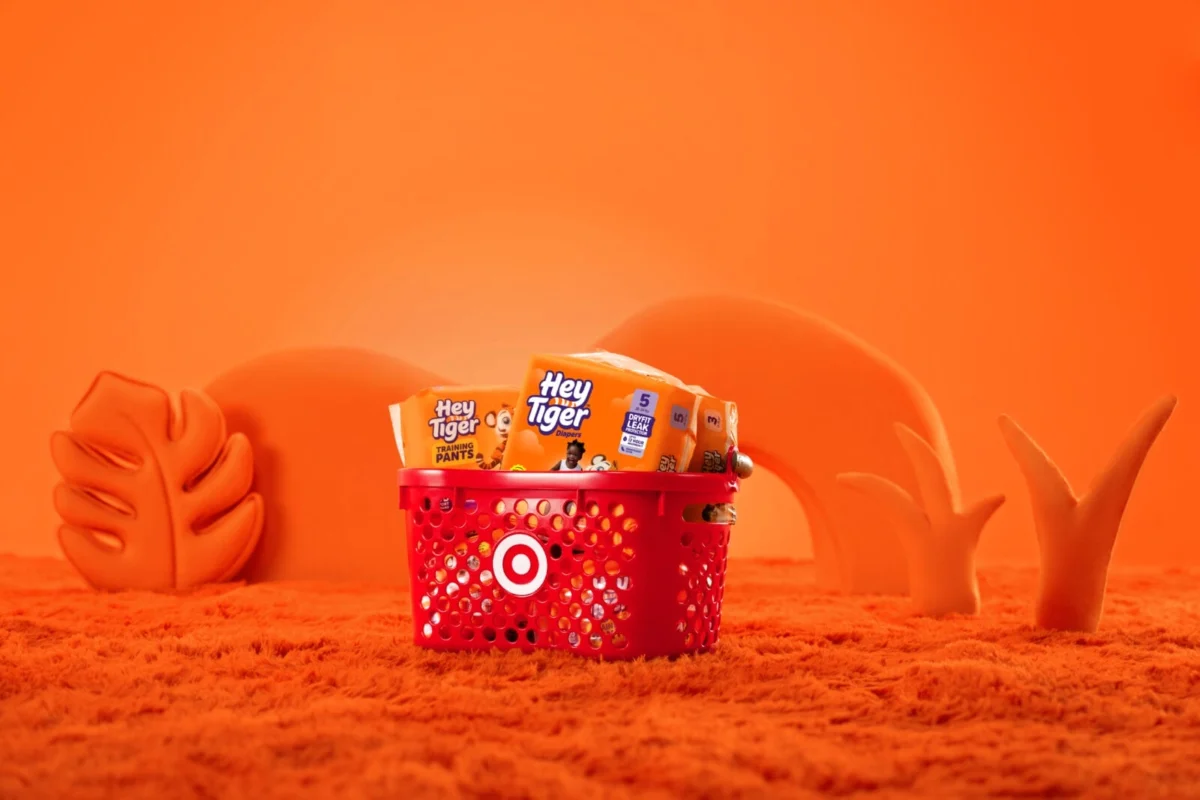
The age-old dilemma faced by parents everywhere – the perceived trade-off between effective diaper protection and budget-friendly pricing – is being challenged by a new entrant in the market. Hey Tiger, a diaper brand developed and designed in New Zealand, has officially launched at Target stores across the United States, aiming to redefine consumer expectations by offering premium performance at a fraction of the cost of established brands. This strategic move has already garnered significant attention, with Hey Tiger being recognized as one of Target’s key strategic initiatives for 2026, signaling strong confidence from the retail giant in the brand’s potential to disrupt the competitive baby care sector.
The introduction of Hey Tiger addresses a long-standing pain point for parents: the financial strain of consistently purchasing high-quality diapers. Historically, parents have often found themselves choosing between more affordable options that risk leaks and discomfort, or pricier premium brands that offer superior absorbency and fit. This "lose-lose" scenario, as it’s often described by parents, has persisted due to a lack of viable alternatives that could deliver on both performance and affordability. Hey Tiger’s value proposition centers on bridging this gap, with introductory pack prices starting as low as $4.99, a figure that significantly undercuts competitors for comparable quality.
Designed for Active Little Ones: Performance Under Pressure
Hey Tiger’s core product philosophy is centered around enabling uninterrupted childhood exploration. The brand emphasizes its proprietary DryFit™ Leak Protection technology, engineered with triple-layer leak guards designed to effectively contain messes. This feature is crucial for parents of toddlers and active infants who are constantly on the move, climbing, crawling, and engaging in energetic play. The intention is to prevent diaper leaks from becoming a barrier to these developmental milestones and everyday adventures.
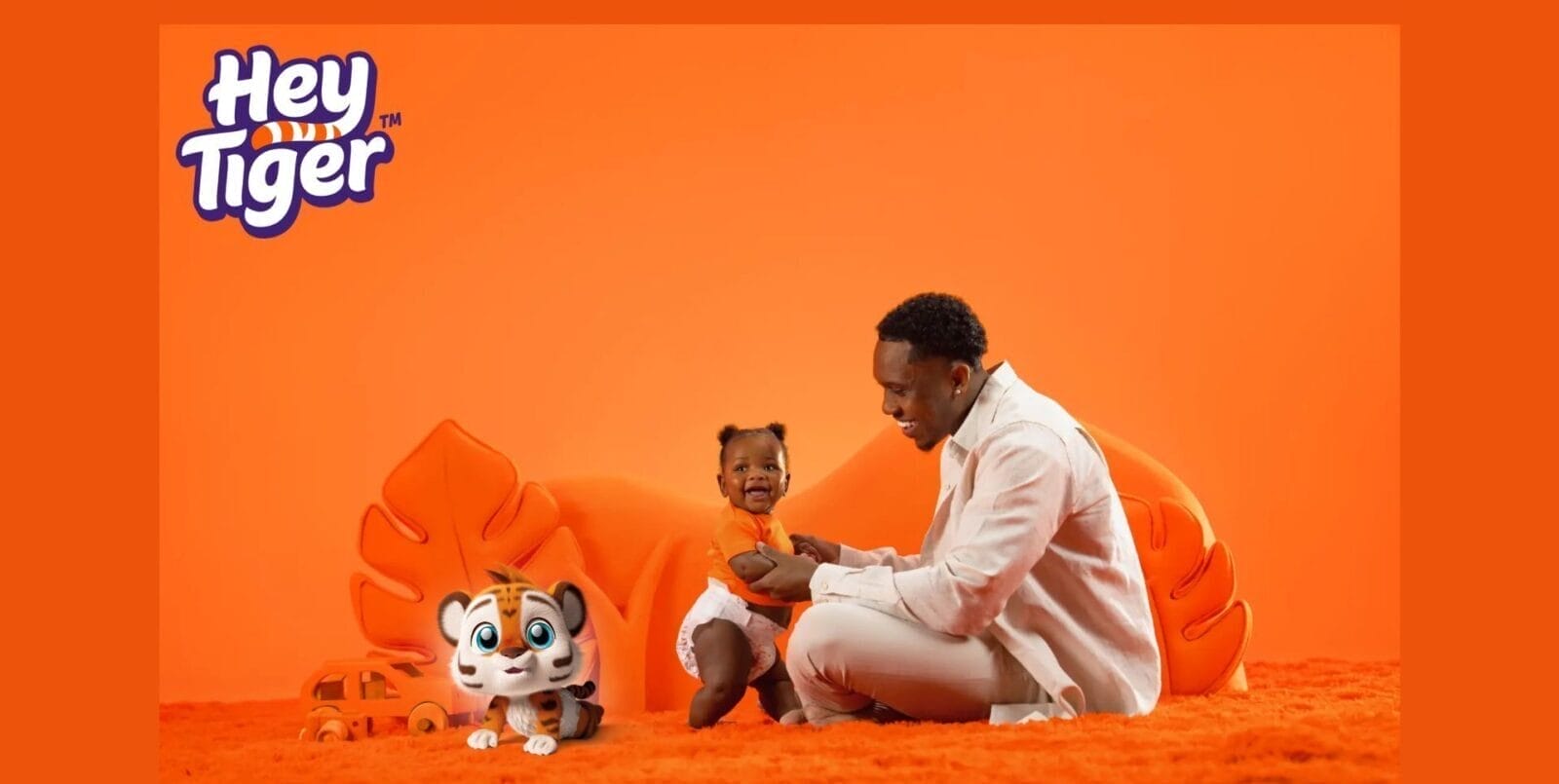
Beyond leak protection, Hey Tiger has focused on the critical aspect of fit and comfort. The diapers are designed with a high waistband and robust grip tabs, intended to ensure the diaper moves with the child rather than bunching or sagging. This dynamic fit is paramount for maintaining comfort and preventing irritation, especially during periods of extended wear or vigorous activity. The material composition is also a key differentiator, with the diapers being dermatologist-tested and hypoallergenic. They are formulated without lotions, latex, or fragrance, aiming to minimize the risk of skin sensitivities and allergic reactions. This focus on gentle, breathable materials is a significant consideration for parents concerned about the products in direct contact with their baby’s delicate skin, particularly during long days and overnight periods.
Addressing the Training Pant Transition
Recognizing that the needs of parents and children evolve, Hey Tiger has also introduced a line of training pants. These are designed for children progressing through the potty-training stages and are available in sizes 4 through 7, with prices starting at $5.99. The training pants feature a 360° Comfort Waistband, engineered for flexibility and to accommodate the active movements of toddlers. A key practical element for parents during this transitional phase is the inclusion of quick-tear sides, designed to facilitate easier and more urgent changes, often required during the unpredictable nature of potty training. These training pants reportedly incorporate the same DryFit™ protection and skin-friendly materials as their diaper counterparts, ensuring a consistent level of quality and comfort.
The Economic Equation: A Paradigm Shift in Diaper Pricing
The financial implications of Hey Tiger’s market entry are substantial. The brand’s pricing strategy positions its diapers at approximately 17 cents per diaper, with packs starting at $4.99. For comparative context, leading brands such as Pampers and Huggies typically retail for around 27-29 cents per diaper at major retailers like Target. This disparity translates into significant potential savings for families over the course of the diapering years, which can span thousands of diaper changes per child.
This pricing model challenges the long-held assumption that superior diaper performance necessitates a premium cost. Hey Tiger’s strategy appears to be built on the premise of offering a high-quality product that directly competes with premium brands, but at a price point that makes it accessible to a broader consumer base. The brand’s positioning targets modern, budget-conscious parents who are unwilling to compromise on their child’s comfort and well-being due to financial constraints. The company’s commitment to this value proposition is underscored by their money-back guarantee on the first pack of diapers, an offer designed to reduce perceived risk for consumers and encourage trial.

Market Dynamics and Potential Implications
The entry of Hey Tiger into the U.S. market, particularly through a major retailer like Target, is significant for several reasons. Firstly, it intensifies competition in an already crowded but lucrative baby care market. Established brands will likely face increased pressure to re-evaluate their pricing and product development strategies. Secondly, Hey Tiger’s success could signal a broader shift in consumer purchasing habits, with parents increasingly seeking value-driven options that do not sacrifice performance.
The brand’s origin in New Zealand suggests a potential focus on international quality standards and manufacturing processes. While specific details regarding the manufacturing and supply chain have not been extensively publicized, the brand’s emphasis on design and development in New Zealand may appeal to consumers who prioritize carefully curated product origins.
Target’s strategic designation of Hey Tiger as a "big bet" for 2026 suggests a long-term partnership and a belief in the brand’s scalability. This endorsement from a major retailer provides Hey Tiger with significant visibility and market access, which are crucial for a challenger brand aiming to gain market share. The success of this partnership could influence how other major retailers approach the procurement and promotion of emerging baby care brands.
The "pay less, play more" ethos promoted by Hey Tiger encapsulates a relatable parenting aspiration. By offering a product that aims to reduce both financial stress and diaper-related interruptions to playtime, the brand taps into a core desire of parents to provide the best for their children while managing household budgets effectively. The inclusion of a distinctive "Rory the Tiger" print adds a touch of brand personality, which can be a factor in consumer appeal, particularly for visually driven purchasing decisions.

The availability of Hey Tiger diapers and training pants at Target signifies a strategic placement within a retail environment that caters to families. This accessibility, combined with the compelling price-to-performance ratio, positions Hey Tiger as a potentially disruptive force in the U.S. diaper market. The coming months and years will reveal the extent to which this challenger brand can capture consumer loyalty and redefine the value proposition within the essential category of baby diapers.