
 Indra Kusuma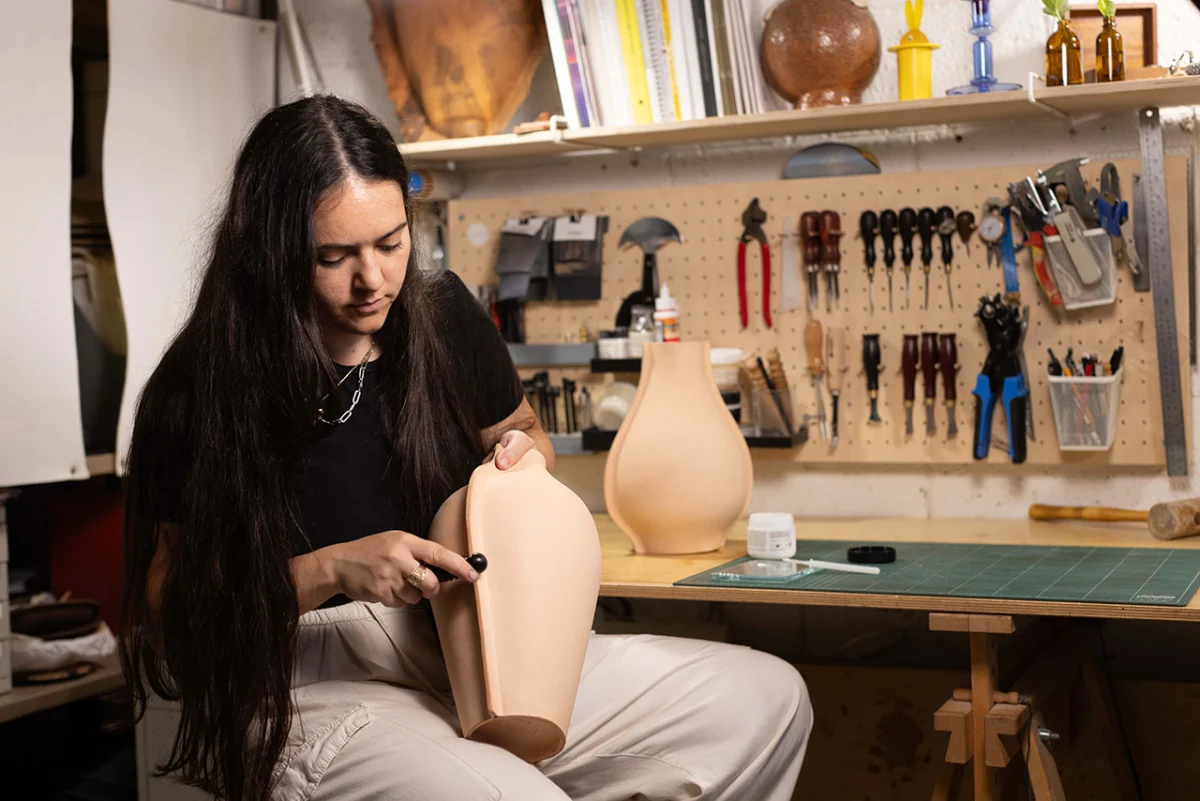
Milan, Italy – Renowned designer Talia Luvaton is set to command significant attention at Milan Design Week 2026 with the debut of her groundbreaking collection, "TRACE Leather Vessels." This exhibition, hosted at one of the world’s most prestigious design showcases, promises to redefine perceptions of leather as a material, elevating it from a conventional surface application to a medium for structural, expressive, and deeply meaningful artistic forms. Luvaton’s work, meticulously crafted using a specialized wet-forming technique, draws a profound connection between humanity’s ancient material heritage and the urgent demands for sustainable innovation in the modern era.
The Enduring Legacy of Leather: A Material Through Millennia
Leather stands as one of humanity’s oldest and most enduring materials, a tangible link to a long line of ancestors who recognized and harnessed its inherent properties. For millennia, early civilizations utilized leather for an array of purposes remarkably similar to those it serves today, from clothing and shelter to tools and containers. Archaeological discoveries frequently yield leather artifacts, often treated with natural oils and waxes, demonstrating an extraordinary resilience that has allowed them to survive for thousands of years. This intrinsic durability, coupled with its natural biodegradability, positions leather as a highly relevant material for addressing contemporary environmental challenges, particularly as the global community seeks viable alternatives to pervasive plastic applications.
Historically, leather’s utility extended far beyond mere garments. Ancient cultures fashioned vessels for drinking, storage, and the safekeeping of food, water, and precious valuables. This functional versatility imbued the material with an inherent reverence, signifying its critical role in daily life and ceremonial practices. In a world increasingly burdened by synthetic materials, leather’s natural robustness and, under specific conditions and treatments, its remarkable waterproof qualities, present a compelling case for its expanded application in the near future. The global market for leather goods, valued at approximately $400 billion in 2023 and projected to grow steadily, underscores its economic importance, yet Luvaton’s approach moves beyond mere commercial utility to explore its artistic and philosophical dimensions.
TRACE Leather Vessels: Bridging Past and Present Through Form
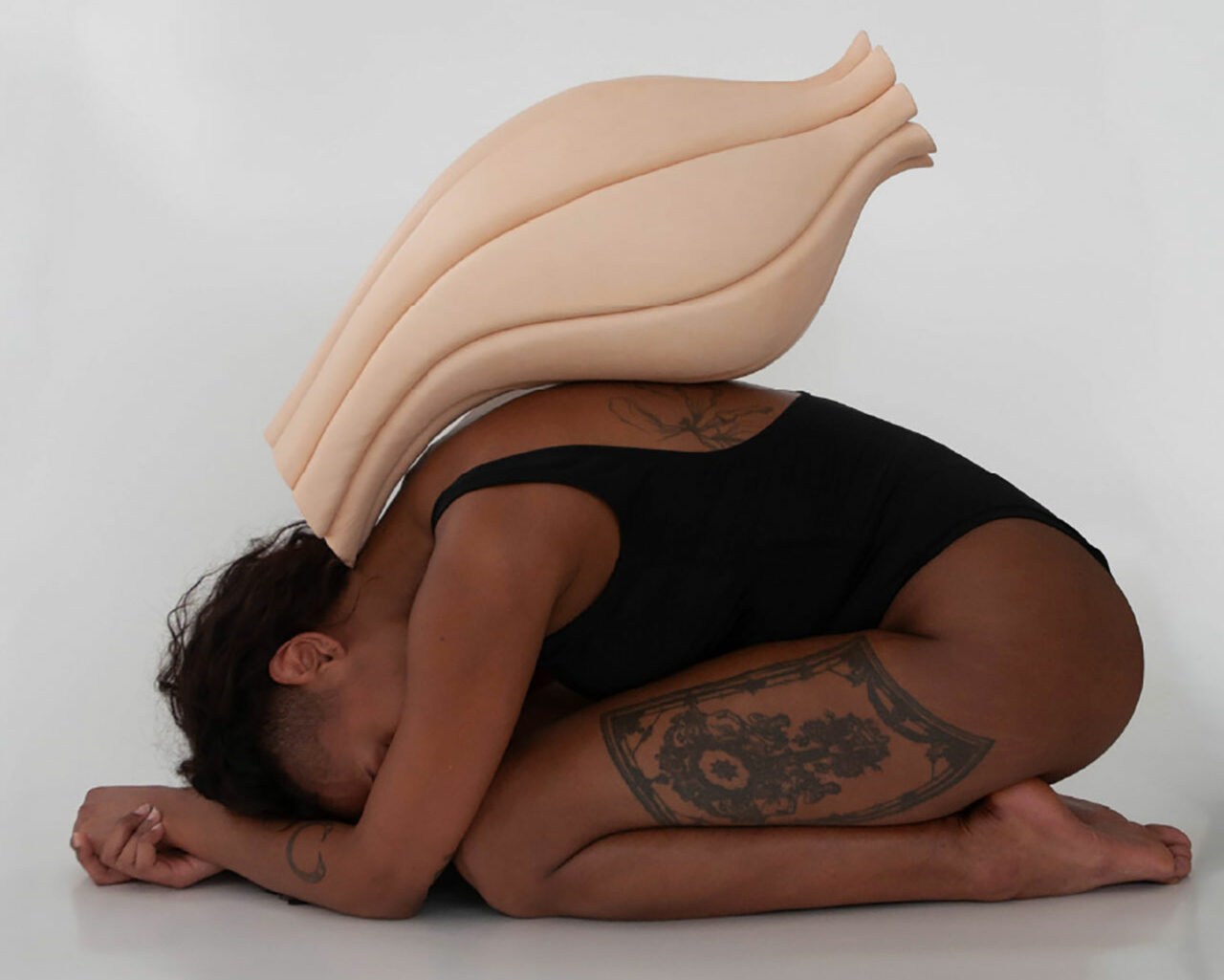
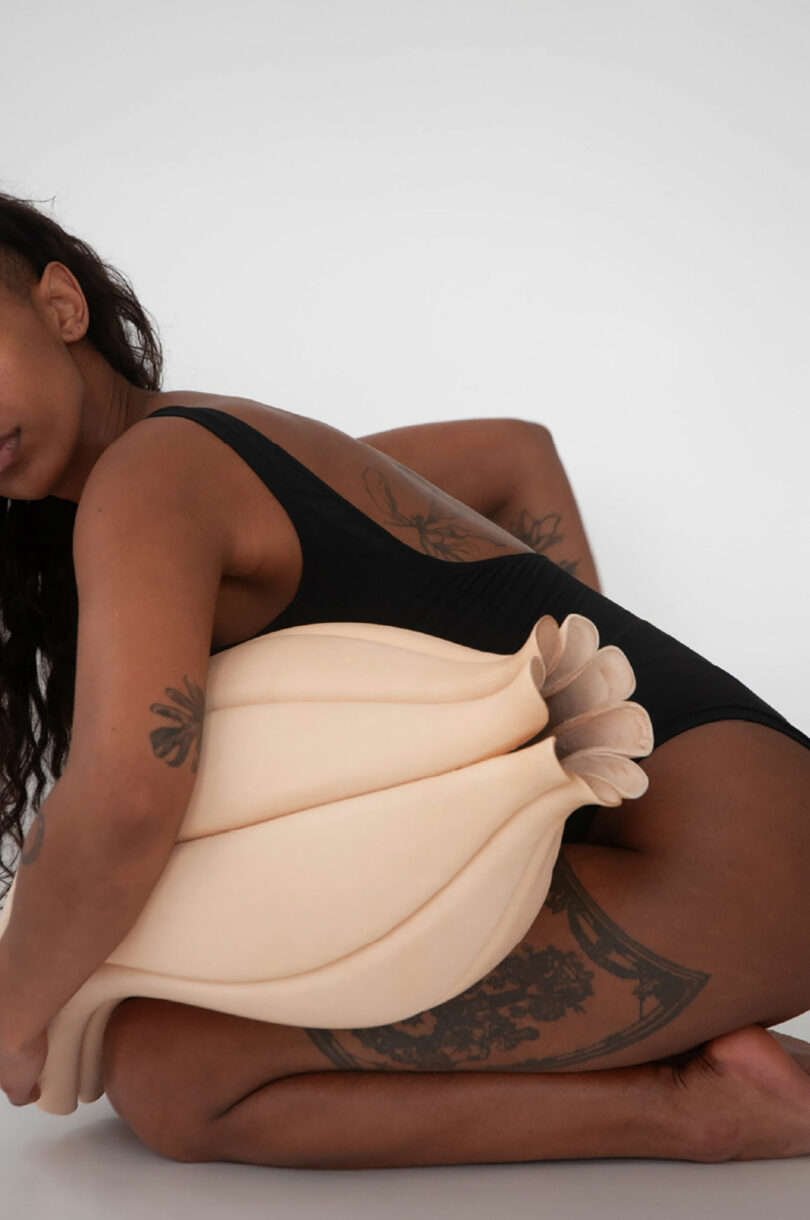
Talia Luvaton’s "TRACE Leather Vessels" collection is a testament to this rich history, yet it is firmly rooted in a contemporary sensibility. Developed specifically for Milan Design Week 2026, the collection encapsulates a generational lineage of making, translating the fluidity and dynamism of human movement into hardened leather forms. The genesis of TRACE lies in Luvaton’s observational drawings of the human body. These initial fluid, organic lines are then meticulously extracted, abstracted, and ultimately transformed into three-dimensional objects, each possessing a unique sculptural presence.
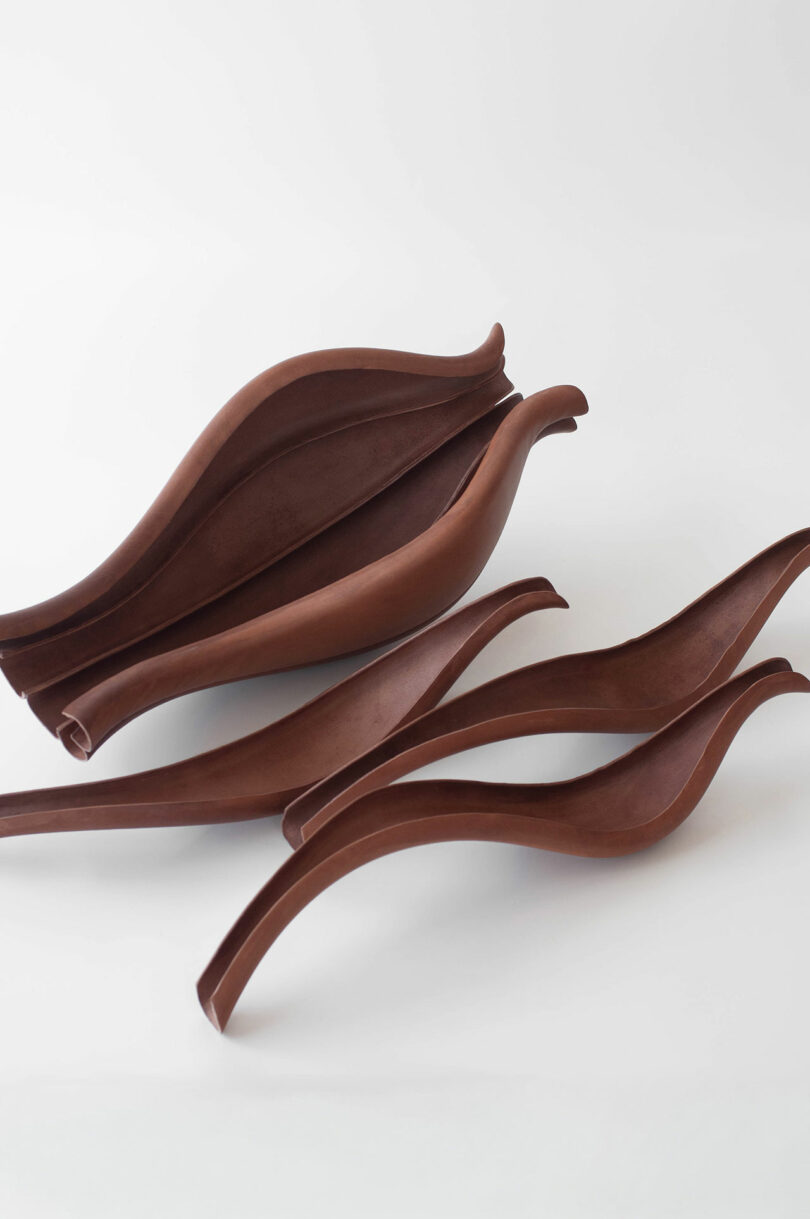
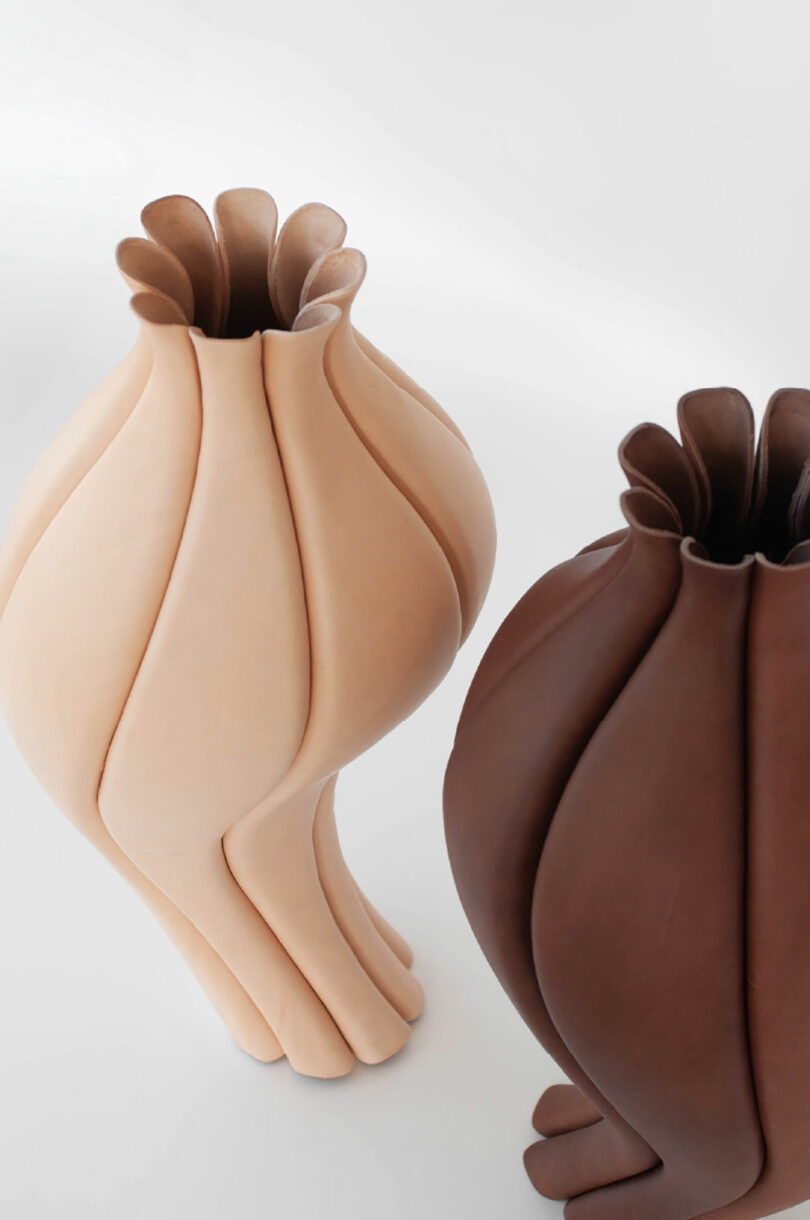
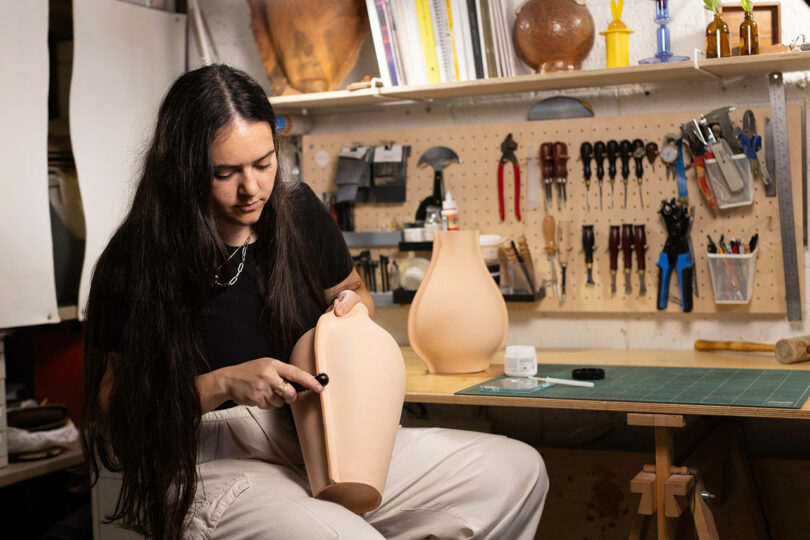
The core of Luvaton’s innovative process is a specialized wet-forming technique. This method involves saturating vegetable-tanned leather, rendering it pliable, before carefully shaping it over custom molds. During this stage, the material is responsive to pressure and moisture, allowing Luvaton to sculpt the intricate curves and gestures that define the collection. Once the desired form is achieved, the leather is allowed to dry and harden, effectively crystallizing the transient movements into permanent structures. This transformative process results in pieces that are not merely decorative but embody a "quiet tension" between the material’s initial softness and its ultimate strength, akin to a protective shield or a second skin.
Further enriching this innovative approach is Luvaton’s integration of heritage tools. She employs her grandfather’s original shoemaking tools, a poignant connection to her family’s legacy of craftsmanship, alongside modern custom molds. This fusion of traditional techniques with contemporary design sensibilities forges new relationships between past and present, ensuring the revival and sustenance of craft for future generations of makers. The collection, therefore, becomes a dialogue between ancient skills and modern artistic expression, pushing the boundaries of what leather can be.
Milan Design Week 2026: A Global Stage for Innovation
Milan Design Week, comprising the internationally acclaimed Salone del Mobile (Milan Furniture Fair) and the sprawling Fuorisalone events across the city, is unequivocally the most significant global platform for design, innovation, and trend forecasting. Attracting hundreds of thousands of designers, architects, manufacturers, buyers, journalists, and enthusiasts from every corner of the globe, it serves as an unparalleled showcase for groundbreaking projects and visionary concepts. In 2024, the event drew over 360,000 visitors and featured more than 1,900 exhibitors at the Salone del Mobile alone, with countless more participating in the Fuorisalone district events. Its economic impact on the city of Milan is substantial, estimated in the hundreds of millions of euros annually.
Luvaton’s decision to launch "TRACE Leather Vessels" at Milan Design Week 2026 underscores the collection’s ambition and the designer’s confidence in its significance. To be selected for such a prestigious stage means the work resonates with themes of innovation, cultural relevance, and artistic merit that define the event. Exhibiting here provides Luvaton with an unparalleled opportunity to engage with a global audience, gain critical acclaim, and contribute to the ongoing discourse about material futures and sustainable design practices. Her presence at this benchmark event signals a growing recognition of leather’s potential within the high-design community, moving beyond its traditional roles in fashion and upholstery.
The Artistry of Luvaton: Intuition, Materiality, and Form
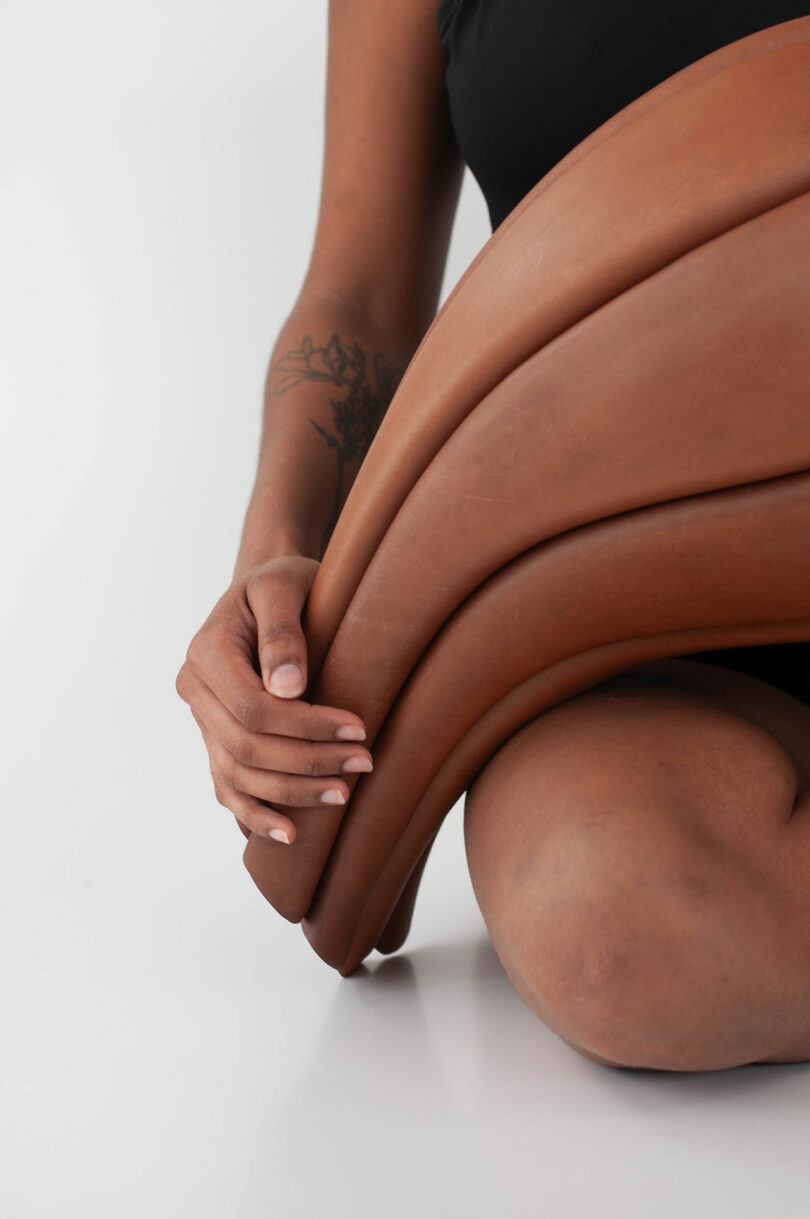
Each vessel within the TRACE collection is immediately recognizable, bearing the distinctive curves and gestures reminiscent of the human body. These forms are not monolithic but are composed of separately formed elements that converge to create an organic, almost anatomical whole. This modular yet cohesive design approach allows for a dynamic interplay of light and shadow, emphasizing the sculptural qualities of each piece. The inherent beauty of vegetable-tanned leather, with its natural variations in tone, texture, and grain, ensures that every piece is unique, a singular artifact marked by the material’s own character.
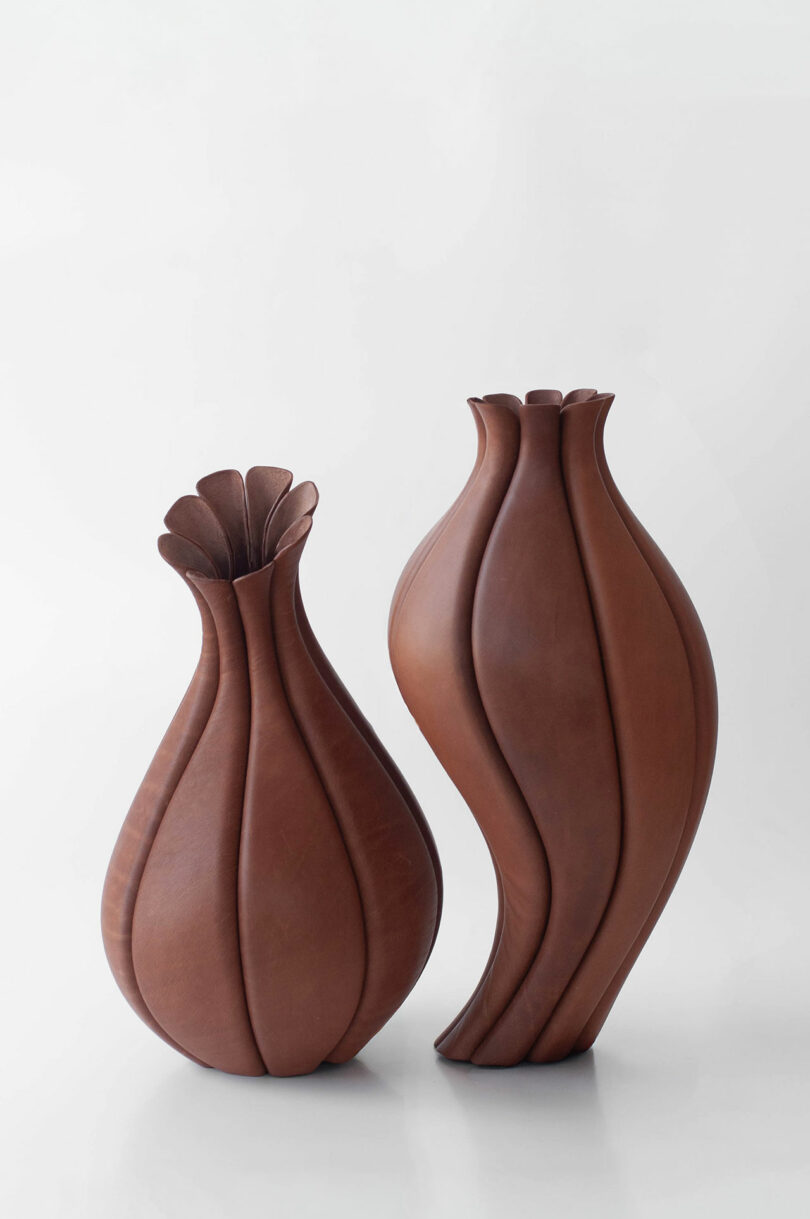
Luvaton’s creative process is described as deeply intuitive, often guided by drawing and hands-on experimentation. This approach allows the material itself to inform the outcome, fostering a continuous dialogue between the designer’s hand, body, mind, and the leather. It is a process of discovery, where the designer responds to the material’s inherent properties, embracing its shifts and nuances rather than imposing a rigid preconceived form. This sensitivity results in pieces that feel both intimate and enduring, reflecting a profound respect for the material and the craft.
The metamorphosis inherent in Luvaton’s technique is a central theme. When porous, the leather is open and pliable, acting as a "sponge awaiting transformation," responsive to pressure, moisture, and time. Once dried and treated, it hardens into something robust and protective, evoking images of a shield or a second skin. This physical transformation is described as a "crystallization into something new," a metamorphosis that transcends mere chemical change to become deeply material, and arguably, spiritual. It speaks to the ancient human connection with natural materials and the power of skilled hands to unlock their hidden potential.
A Legacy of Craft: Family, Tools, and Future Makers
Talia Luvaton’s practice is profoundly rooted in a rich family lineage of craftsmanship. Her parents, both jewelers, instilled in her an appreciation for precision, detail, and the inherent value of handmade objects. Her grandfather, a shoemaker, passed down not only specific tools but also a deep understanding of leather, its properties, and the patient techniques required to master it. This multi-generational heritage forms the bedrock of her artistic identity, allowing her to carry forward not just tools and techniques, but also a specific sensitivity to making that transcends generations.
The TRACE collection, therefore, is more than just a series of objects; it is an extension of this continuum. It holds not only form but also memory, embodying the accumulated wisdom and skill of a family dedicated to craft. By demonstrating how traditional skills can be reinterpreted and revitalized in a contemporary context, Luvaton’s work inspires future makers to explore and innovate within established crafts. In an age of mass production, her emphasis on unique, handcrafted pieces celebrates the value of human touch and the enduring appeal of bespoke artistry. This approach is vital for sustaining traditional crafts and ensuring their relevance in an evolving design landscape.
Broader Implications: Sustainability and Material Innovation
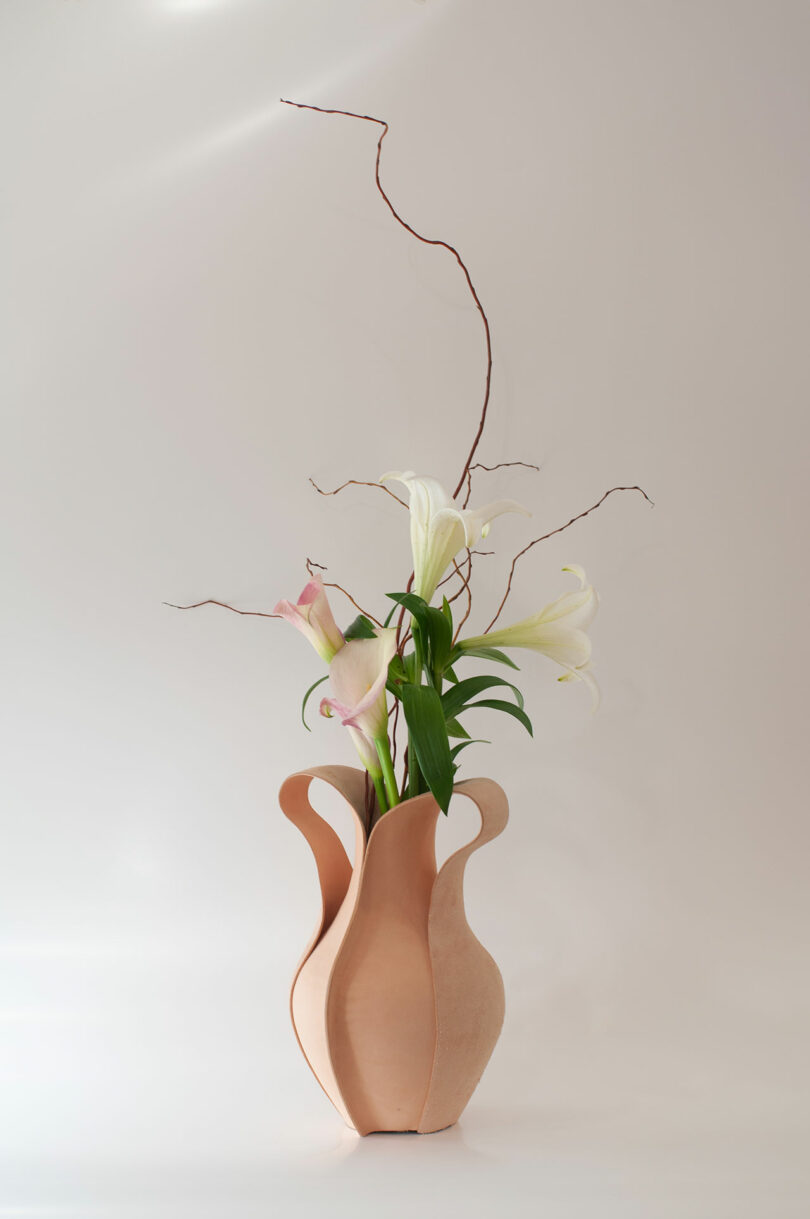
Luvaton’s "TRACE Leather Vessels" carries significant implications for the broader design industry, particularly concerning sustainability and material innovation. By working within the boundaries of an ancient, natural material and pushing it beyond its conventional role, she offers a compelling vision for how sustainable practices can lead to breathtaking artistic and functional outcomes.
The discussion around replacing plastics with more environmentally friendly alternatives is at the forefront of global design and manufacturing. Leather, especially when sourced responsibly and vegetable-tanned, presents a strong contender due to its natural durability, aesthetic appeal, and biodegradability. While the environmental footprint of leather production is a complex topic, advancements in tanning processes and responsible sourcing initiatives are continuously improving its sustainability profile. Luvaton’s work highlights leather’s potential for structural applications that currently rely heavily on plastics, offering a naturally derived, long-lasting alternative that can decompose at the end of its life cycle, unlike most synthetic polymers.
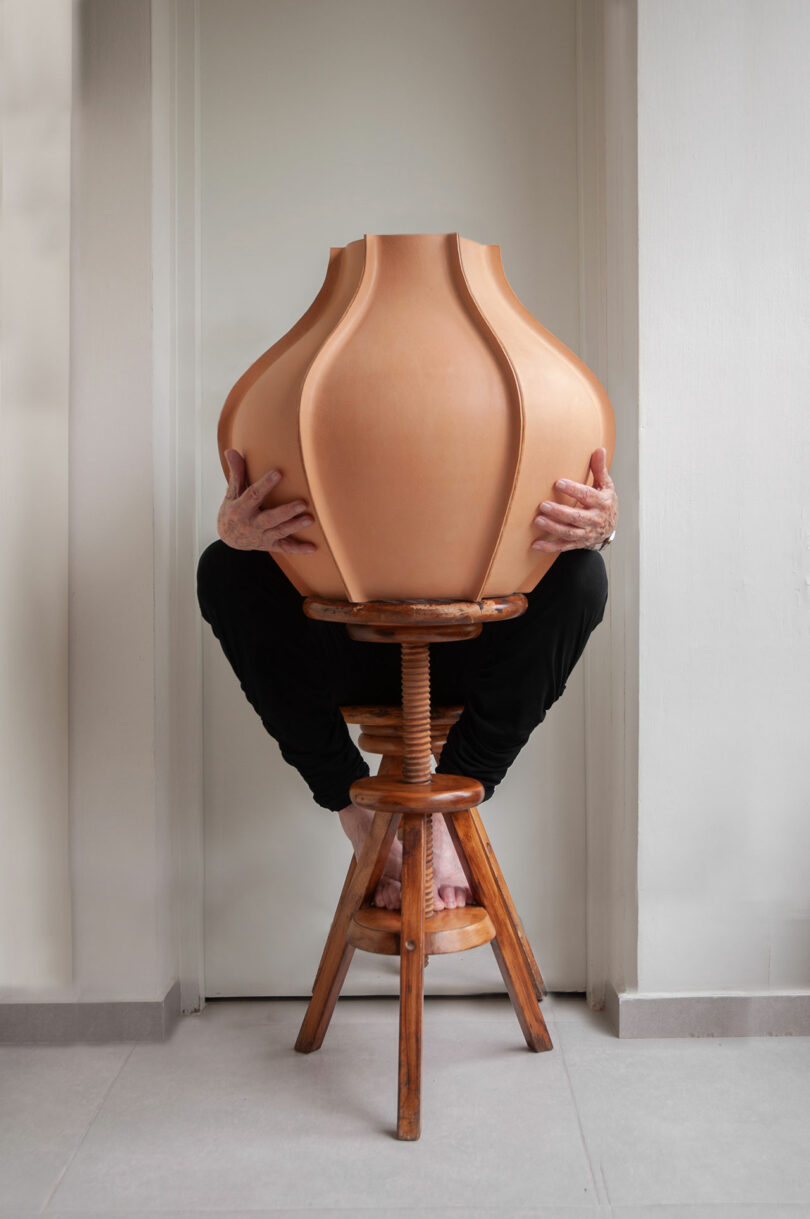
Furthermore, Luvaton’s exploration challenges designers to reconsider "waste" or underutilized materials and traditional techniques. Her ability to translate the complex vertices of the human form into leather vessels that are both intimate and enduring speaks to the boundless possibilities of material exploration. This innovative approach encourages a deeper engagement with materials, moving beyond their surface properties to understand their full potential for structural integrity, expressive capacity, and ecological responsibility. As the world searches for durable, aesthetic, and environmentally responsible materials, TRACE serves as a powerful example of how ancient wisdom, combined with contemporary vision, can forge a path toward a more sustainable and artful future.
Conclusion: Looking Ahead to 2026 and Beyond
As Milan Design Week 2026 approaches, anticipation builds for the unveiling of Talia Luvaton’s "TRACE Leather Vessels." This collection is poised to be a highlight of the event, not only for its aesthetic beauty and innovative technique but also for its profound narrative. It celebrates the enduring legacy of leather, the power of generational craftsmanship, and the potential for ancient materials to offer solutions for contemporary challenges. Luvaton, through her intuitive and deeply material-driven practice, is shaping future design narratives, inviting us to view materials not just for their function, but for their ability to hold memory, express form, and embody a spiritual connection to human history and the natural world.
To learn more about TRACE Leather Vessels and Talia Luvaton’s studio, visit luvatonstudio.com.
Photography courtesy of Talia Luvaton.







