Cintya Tara Annisa
The specialty coffee industry continues to evolve as a global network of roasters, producers, and importers collaborate to bring increasingly sophisticated flavor profiles to the consumer market. This week’s selection of offerings from the world’s leading roasting operations highlights a significant shift toward experimental processing, long-term producer relationships, and a heightened focus on environmental sustainability. As consumer demand for transparency and quality grows, these curated selections represent the current pinnacle of the specialty coffee trade, spanning diverse origins from the highlands of Ethiopia to the volcanic soils of West Java.
Legacy and Longevity in Specialty Sourcing
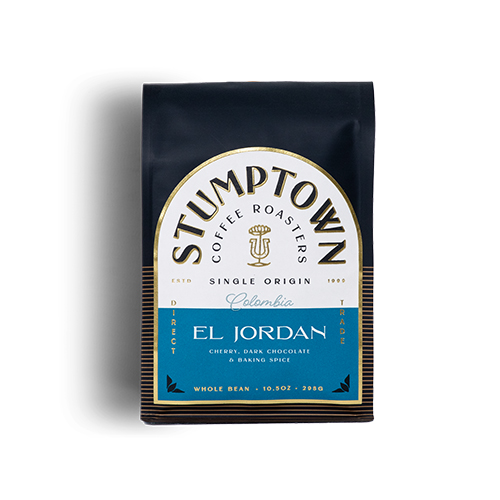
A cornerstone of the current market is the celebration of long-term sourcing partnerships, which provide financial stability for producers and consistent quality for roasters. Stumptown Coffee Roasters is currently marking a significant milestone with the 20th anniversary of its relationship with Colombia El Jordan. This perennial favorite has become a benchmark for the industry, showcasing a structured profile of black cherry, dark chocolate, and honeycrisp apple. Such decades-long partnerships are rare in an industry often characterized by fluctuating commodity prices, and they serve as a testament to the viability of the direct-trade model.
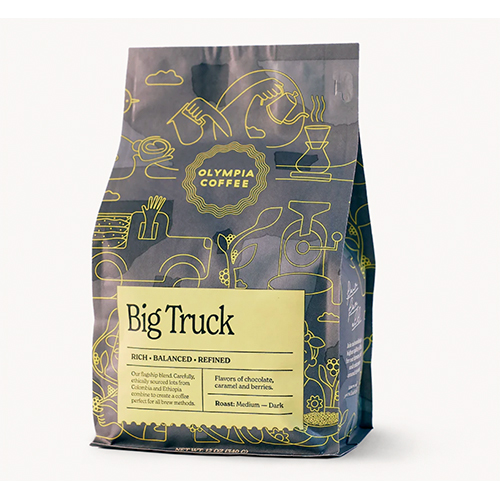
Similarly, Olympia Coffee continues to promote its flagship "Big Truck" blend. By combining ethically sourced lots from Colombia and Ethiopia, Olympia maintains a flavor profile centered on chocolate, caramel, and berries. This blend exemplifies the "flagship" strategy used by many top-tier roasters to provide a reliable, high-quality entry point for consumers while supporting large-scale ethical purchasing from established washing stations.
Innovations in Processing and Fermentation
The modern coffee landscape is increasingly defined by "experimental" processing methods that alter the chemical composition of the coffee cherry before roasting. This week’s offerings highlight several advanced techniques, including carbonic maceration and yeast inoculation.
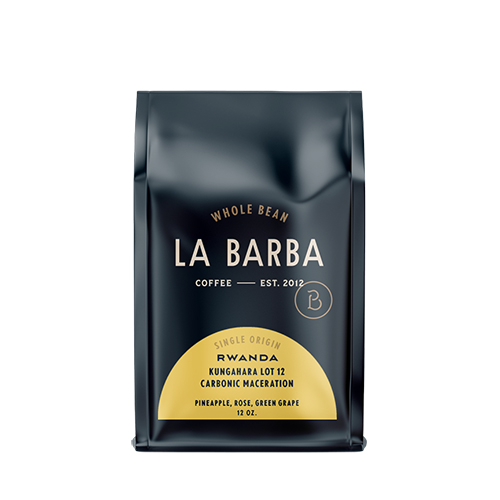
La Barba Coffee has introduced a selection from Rwanda’s Kungahara Lot 12, which utilizes carbonic maceration—a technique borrowed from the wine industry where coffee cherries are placed in a carbon-dioxide-rich environment to ferment. This process results in a distinct tropical fruit profile, including notes of pineapple and grapefruit, with a characteristic "funkiness" that is highly prized in specialty circles.
Verve Coffee Roasters is pushing the boundaries of fermentation with its Wilder Blend, which features yeast-inoculated Colombian coffees paired with a washed Ethiopian heirloom. The use of specific yeast strains during fermentation allows roasters and producers to "design" sensory goals, amplifying aromatics and sweetness while maintaining the structural integrity of the cup. This move toward microbiology in coffee processing represents one of the most significant technological shifts in the industry over the last decade.
In the same vein of innovation, PERC Coffee has released "Super Power Plum," produced by the renowned Diego Bermudez in Colombia. Bermudez is a leader in thermal shock processing and advanced fermentation, and this specific lot delivers intense flavors of red plum and raspberry, catering to a market segment that values high-intensity, fruit-forward profiles.
The Rise of Rare Varieties and Emerging Origins
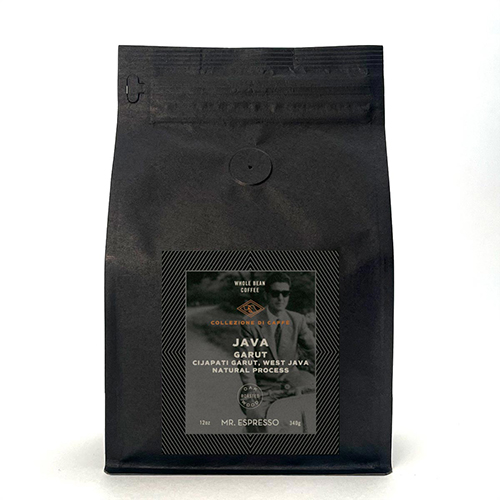
While traditional origins like Colombia and Ethiopia remain dominant, roasters are increasingly looking toward rare varieties and emerging micro-regions to differentiate their catalogs. Mr. Espresso has drawn attention to the Garut Regency in West Java, Indonesia, with its Java Garut offering. Unlike the traditional "wet-hulled" coffees often associated with Indonesia, this is a naturally processed lot featuring Catimor and Typica varieties. Grown in volcanic loam at 4,000 feet, the coffee offers a complex profile of passion fruit and papaya, signaling Indonesia’s growing capability in the high-end specialty sector.
Night Swim Coffee has highlighted the diversity of South American production with its Finca Rosita offering from Bolivia. Located in the Illimani community of the Caranavi region, this farm specializes in the Java variety. Bolivia, while a smaller producer compared to its neighbors, is gaining a reputation for clean, floral, and highly structured coffees, and the 32-hectare Finca Rosita is at the forefront of this regional resurgence.
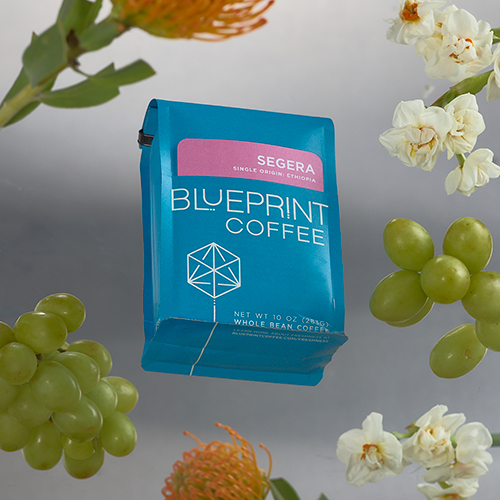
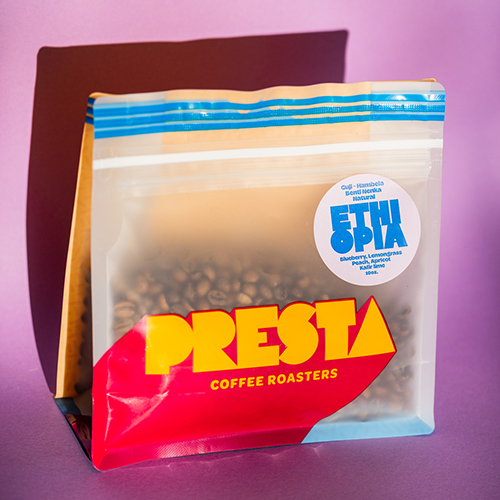
In Ethiopia, the Guji and Sidama regions continue to set the global standard for floral and citrus-driven coffees. Presta Coffee Roasters is currently offering a Guji Hambela Benti Nenka Natural, sourced from approximately 700 smallholder farmers. The coffee is dried on raised beds for up to 20 days, a labor-intensive process that enhances its layered fruit character. Blueprint Coffee, meanwhile, focuses on the Bensa Segera washing station in Sidama. The station, founded by the Moplaco export company, is noted for its meticulous processing, resulting in a cup with a delicate "spun sugar" structure and notes of white peach.
Sustainability and Social Impact Initiatives
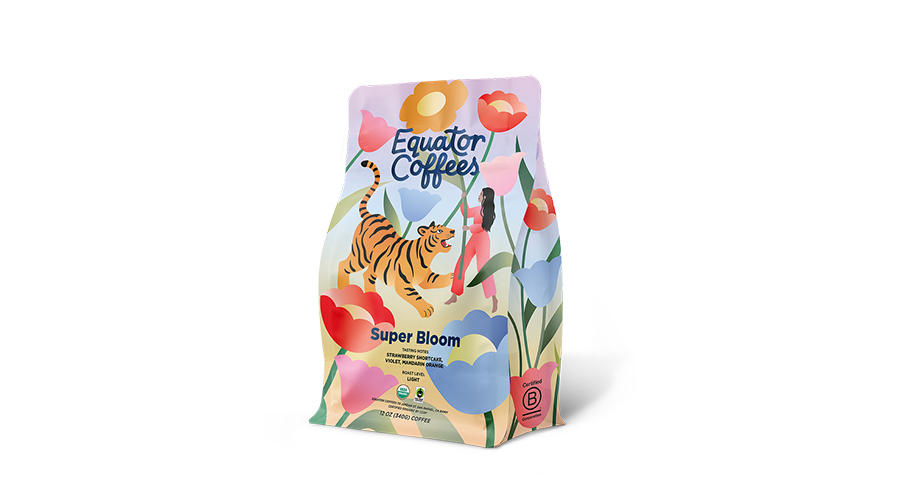
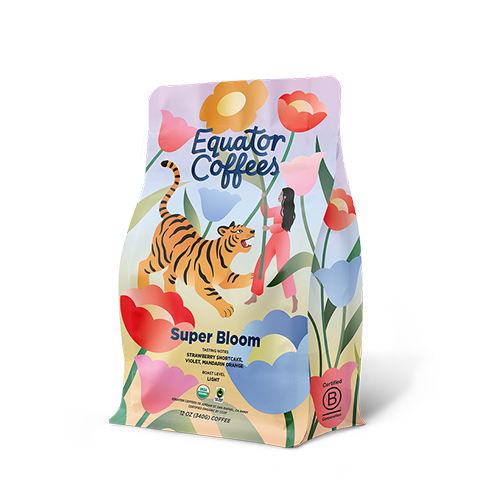
The specialty coffee sector is increasingly using its platform to address environmental and systemic issues within the supply chain. Equator Coffees has launched its "Super Bloom Blend," a seasonal light roast that serves a dual purpose. Beyond its flavor profile of strawberry shortcake and mandarin orange, 5% of every bag sold supports a soil productivity study across 450 coffee parcels at the Sol y Café cooperative in Peru. This initiative is further bolstered by Sustainable Harvest, an importer partner that matches these funds, doubling the total impact. Such projects are vital as climate change continues to threaten the traditional coffee-growing "bean belt."
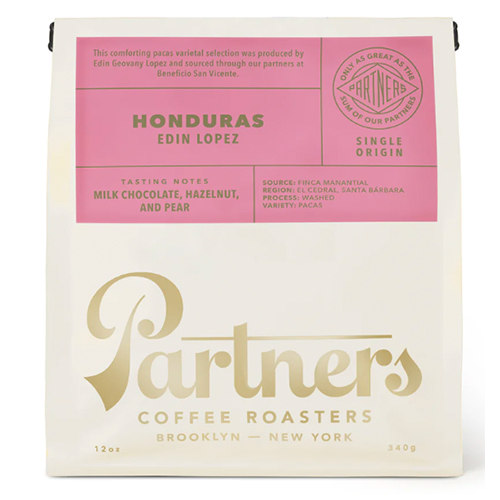
Partners Coffee is also emphasizing the importance of supporting individual producers through its Honduras Edin Lopez selection. Lopez, a relatively new farmer delivering to the Beneficio San Vicente in Santa Barbara, represents the next generation of Honduran coffee producers. By highlighting single-producer lots, roasters provide a direct link between the consumer and the farm, ensuring that high-quality labor is rewarded with premium prices.
The Art of the Blend: Balance and Versatility
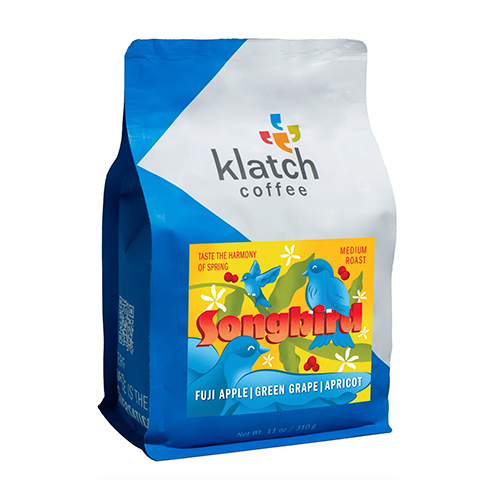
Despite the industry’s focus on single-origin coffees, the "art of the blend" remains a critical skill for roasters aiming for balance and versatility. Klatch Coffee’s "Songbird" seasonal blend is a complex "symphony" that integrates an anaerobic natural from Panama with a washed Mexico. The result is a profile that moves from bright Fuji apple to delicate florals, designed specifically to capture the essence of the spring season.
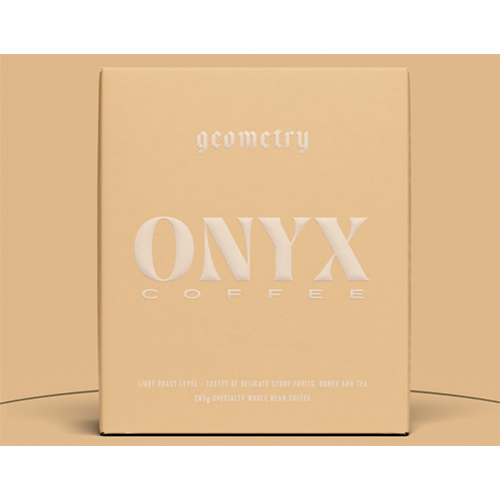
Onyx Coffee Lab’s "Geometry" blend has become a staple for its versatility. By blending washed Ethiopian and Colombian coffees, Onyx has created a product that performs equally well as a filter coffee or as espresso. This focus on "dial-in" ease is a response to the growing number of home baristas who seek professional-grade results without the frustration of difficult-to-extract beans.
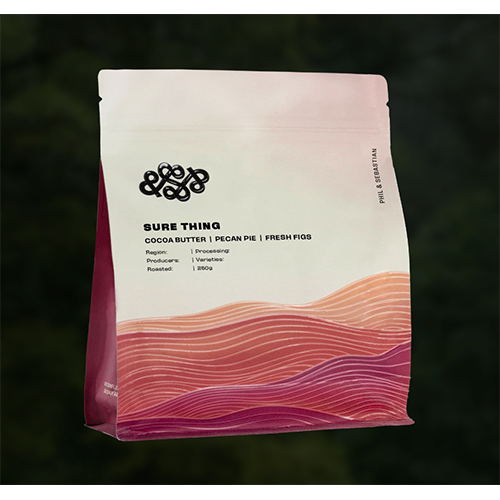
For those seeking traditional profiles with a modern twist, Phil & Sebastian’s "Sure Thing" offers a "comfort" profile focused on cocoa butter and pecan pie, while Caffe Umbria’s "Bizzarri Blend" is specifically engineered to pair with milk. The Bizzarri Blend, which features origins from Peru, El Salvador, and Uganda, utilizes a deep fruity acidity to ensure the coffee’s structure remains intact when combined with cream, a technical requirement often overlooked in the pursuit of acidity.
Market Implications and Consumer Trends
The offerings presented this week reflect a broader maturation of the specialty coffee market. There is a clear trend toward "transparency-driven value," where the price of a bag of coffee is justified not just by flavor, but by the story of the producer, the technical difficulty of the process, and the social impact of the purchase.
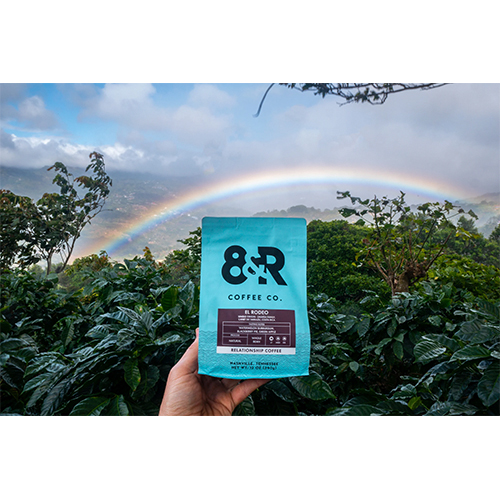
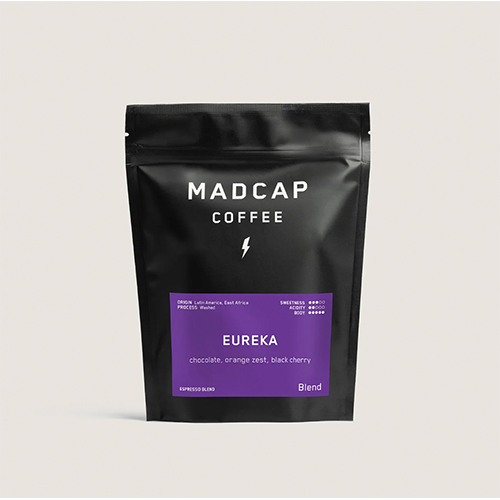
Furthermore, the diversity of processing methods—from the "clean" washed process of Madcap Coffee’s Eureka to the "watermelon bubblegum" natural process of 8th & Roast’s El Rodeo—indicates that the consumer palate is widening. Roasters are no longer confined to a single "style"; instead, they are curators of a vast spectrum of flavors.

As the industry moves forward, the integration of scientific rigor in fermentation and the strengthening of direct-trade logistics will likely remain the primary drivers of quality. For the consumer, this "Roaster’s Village" represents an unprecedented era of accessibility to world-class coffee, where the distance between a smallholder farmer in Honduras and a coffee enthusiast in North America is bridged by a commitment to excellence and ethical commerce. The continued success of these roasters depends on their ability to navigate a changing climate and shifting economic landscapes while maintaining the high standards that define the specialty movement.