Angie Faith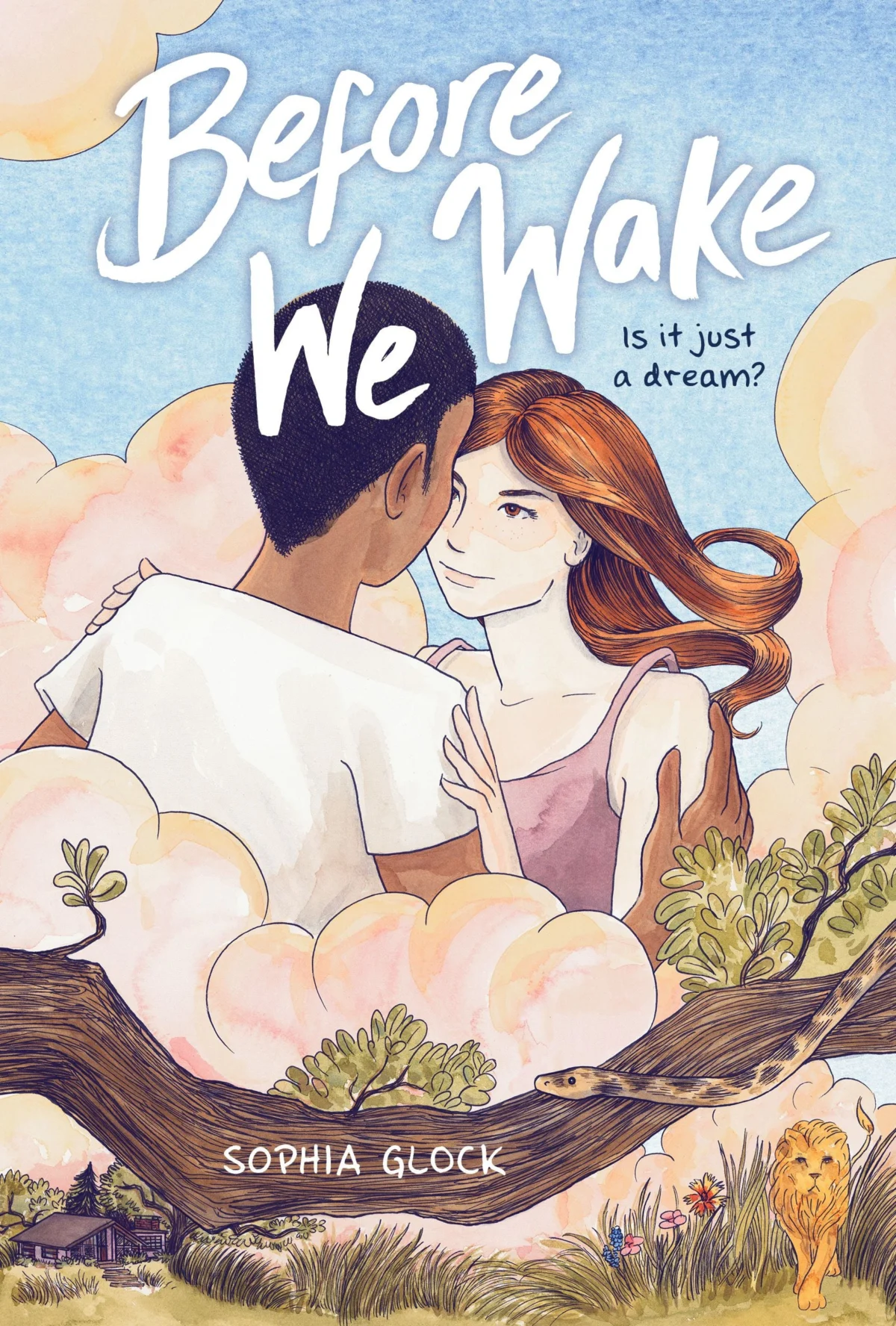
The creation of any book, regardless of genre or format, is an undertaking fraught with challenges. Yet, the specific hurdles encountered in crafting a graphic memoir can differ significantly from those faced in producing a fictional graphic novel. Sophia Glock, the acclaimed creator behind the graphic memoir Passport and the graphic novel Before We Wake, recently shared insights into the distinct creative and personal complexities she navigated for each of these distinct projects. Her work offers a compelling case study in the nuanced art of translating lived experience and imaginative narratives into the visual medium of graphic storytelling.
The Genesis of Before We Wake: Fiction as a Mirror
Glock’s graphic novel, Before We Wake, delves into the emotional landscape of a young protagonist, Alicia, grappling with profound loss and shifting friendships. While fictional, the narrative draws upon resonant themes from Glock’s own adolescent years, particularly her experiences growing up in the early 2000s. This period, often characterized by burgeoning digital communication and evolving social dynamics, provides a backdrop that feels both historically specific and universally relatable to the adolescent experience.
"Much of [Before We Wake] was inspired by actual events, and dreams, in my life," Glock explained in a recent correspondence. "It’s a different sort of truth telling." This statement underscores a key aspect of fiction writing: the ability to distill emotional truths and universal experiences from personal observation and memory, even when the specific plot points are invented. Glock’s approach suggests that fiction, for her, serves as a powerful vehicle for exploring emotional realities that might be too sensitive or too complex to render directly in a memoir.
Exploring Isolation and Connection Through Narrative
A recurring theme in Glock’s body of work, as she herself has observed, is the exploration of isolation and the fundamental human need for connection. This thematic preoccupation, she suggests, stems from her upbringing. Having moved frequently during her formative years, Glock experienced firsthand the sensation of being an outsider, existing on the periphery of established social circles and defined communities.

"When I reflect on my work, I realize I usually am almost always talking about isolation and connection," Glock stated. "It may be because of how I grew up, moving from place to place, but I have always felt like an outsider, someone who exists between clearly defined groups and worlds. I also think that struggle, between connection and isolation, is quintessentially adolescent, which is a liminal, in-between state."
The adolescent years are inherently a period of transition and self-discovery, a "liminal" stage where individuals are no longer children but not yet fully adults. This state of flux often amplifies feelings of isolation as young people navigate complex social hierarchies, grapple with identity formation, and seek their place in the world. By centering Alicia’s story within this framework, Glock taps into a deeply resonant aspect of the human condition, making Before We Wake a poignant exploration of adolescent vulnerability and resilience. The graphic novel format, with its capacity for visual metaphor and emotional nuance, is particularly well-suited to conveying these intricate internal states.
Passport: The Unvarnished Realities of a Memoir
In contrast to the creative freedom offered by fiction, Glock’s graphic memoir, Passport, presented a unique set of challenges rooted in the imperative of factual accuracy and the ethical considerations of recounting personal history. The book chronicles Glock’s childhood spent in Central America, a period of her life she later discovered was shaped by her parents’ covert work as CIA agents. This revelation added layers of complexity and potential peril to her narrative.
"It was much harder for me to craft a cohesive narrative out of the messy intricacies of my real life than it was to create a new story," Glock admitted. This sentiment highlights a fundamental difference in the writing process for memoir versus fiction. While fiction allows for the shaping and molding of events to serve a narrative arc, memoir demands fidelity to the truth, even when that truth is complicated, incomplete, or painful. The "messy intricacies" of real life often lack the neat resolutions and clear causality that characterize fictional storytelling.
The Burden of Fairness and the CIA’s Scrutiny
A significant ethical consideration for Glock in writing Passport was the obligation to represent the individuals involved in her story fairly. Unlike fictional characters, the subjects of a memoir are real people with their own lives, reputations, and sensitivities. "I wanted to be fair to everyone in Passport, because when you talk about your own life, you are talking about many other people’s real lives as well, and the idea of ‘fairness’ complicates writing," she stated. This concern for equitable representation adds an extra layer of responsibility and complexity to the memoirist’s craft.

Furthermore, the nature of Glock’s family history introduced an unprecedented hurdle: the necessity of obtaining government approval for publication. Due to the sensitive nature of her parents’ work, certain details within her narrative could potentially compromise the safety of active intelligence agents. This led to the book undergoing a rigorous review process by the CIA’s Publication Review Board. This vetting ensured that no classified information or details that could endanger individuals were inadvertently revealed.
"The book was combed over by the CIA’s Publication Review Board to ensure it did not give away critical details," Glock confirmed. This governmental oversight is an extraordinary constraint, one that most authors rarely, if ever, encounter. It underscores the delicate balance memoirists must strike when dealing with national security issues, where personal storytelling intersects with public interest and potential risk. The process itself likely involved extensive revisions and careful redactions, adding a significant temporal and emotional burden to the writing process.
The Writer’s Choice: Fiction vs. Nonfiction
Glock’s experiences with both Passport and Before We Wake raise a fundamental question for any aspiring writer: what is the most rewarding and effective outlet for processing personal experiences and hard-won insights? Is it more fulfilling to directly adapt one’s life into a memoir, or to transmute those experiences into fiction, allowing for greater control over the narrative and a degree of emotional detachment?
While the decision is deeply personal, Glock currently finds herself more drawn to the realm of fiction. "I’m sure I will tell more true stories from my life," she mused, "but right now I feel much more drawn to fiction. There is a lot more play and discovery in fiction. Feeling unfettered is a lot more fun. You can take a cultural trope or cliche and lift it up and peer underneath, turn it on its head, maybe kick it around a bit, see what happens."
This preference for fiction suggests a desire for creative liberation and the joy of imaginative exploration. The ability to manipulate narrative elements, to experiment with form and perspective, and to engage with societal constructs in a playful yet analytical manner offers a unique form of artistic satisfaction. This freedom allows writers to "see what happens," a core impulse that drives much of creative endeavor.

The Evolving Landscape of Graphic Storytelling
The success of both Passport and Before We Wake places Sophia Glock at the forefront of contemporary graphic storytelling. The increasing acceptance and popularity of graphic novels and memoirs across diverse audiences indicate a growing appreciation for the medium’s capacity to convey complex narratives and profound emotional truths. Data from industry reports consistently show a rise in the sales and readership of graphic novels, with a significant portion of this growth attributed to adult readers and a broadening range of subject matter. For instance, the Graphic Novel market in the US saw a substantial increase in revenue in recent years, with publishers investing more heavily in diverse titles and formats.
Glock’s work contributes to this evolution by demonstrating the versatility of the graphic format. Passport, with its blend of personal history, espionage intrigue, and geopolitical context, pushes the boundaries of what a memoir can be. Before We Wake, on the other hand, showcases the power of graphic fiction to explore universal themes of adolescence and emotional development with sensitivity and visual artistry. The interplay between these two distinct but related projects offers a compelling insight into the creative process of an author navigating the complex terrain between lived reality and imaginative creation.
The implications of Glock’s approach extend to other writers grappling with similar choices. Her journey suggests that both memoir and fiction are valid and powerful avenues for storytelling. The "best outlet" is ultimately determined by the individual writer’s goals, comfort level with vulnerability, and creative inclinations. The very act of choosing between presenting unvarnished truth or shaping a fictional narrative is, in itself, a profound act of self-discovery.
Ultimately, as Glock suggests, the fundamental drive for writers is to explore, to understand, and to "see what happens." Whether this exploration takes the form of meticulously recounting one’s own life or conjuring entirely new worlds and characters is a testament to the boundless possibilities of human creativity. Sophia Glock’s dual engagement with memoir and fiction exemplifies this dynamic, offering readers deeply resonant stories that are both profoundly personal and universally illuminating. Her continued work promises to further enrich the landscape of graphic storytelling, inviting audiences to engage with narratives that are as visually compelling as they are emotionally profound.