
 Ali Ikhwan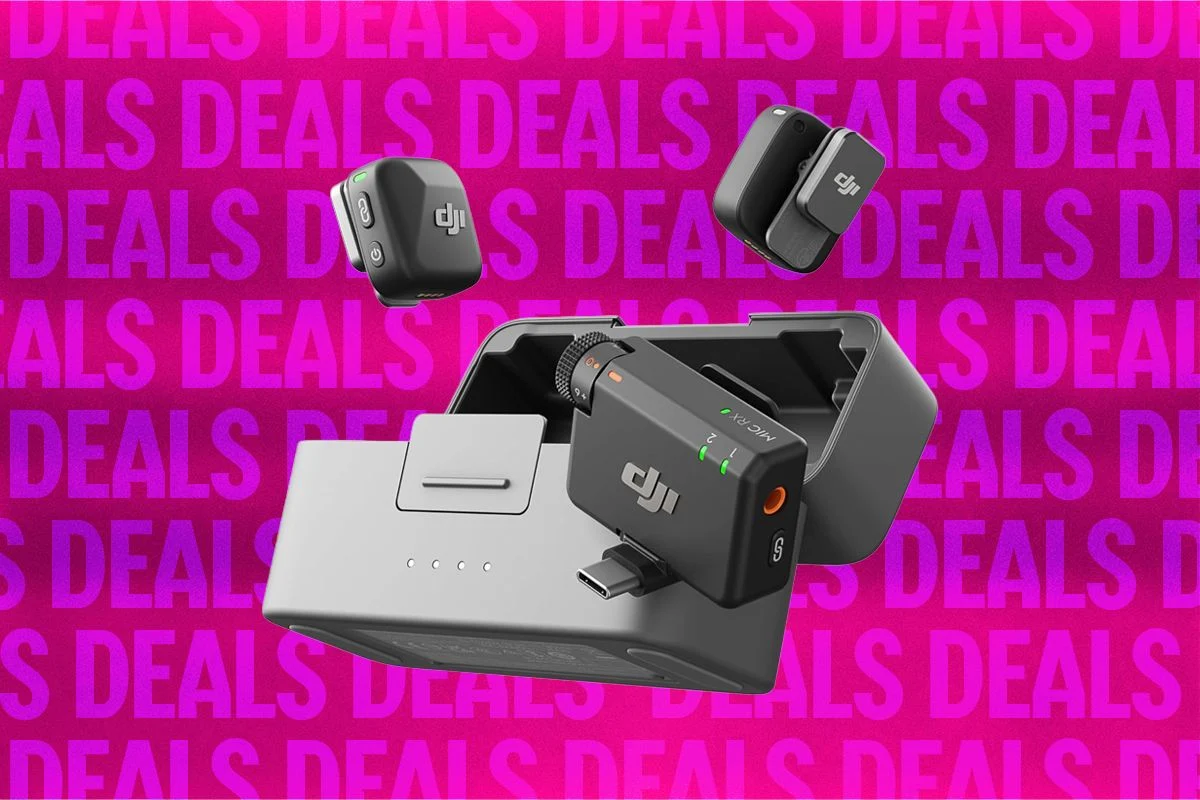
The retail giant Amazon has implemented a significant price reduction on the DJI Mic Mini, a compact wireless lavalier microphone system designed specifically to bridge the gap between high-definition smartphone cinematography and professional-grade audio capture. Currently positioned at a promotional price point of $79 for the comprehensive kit—which includes a receiver, two microphone transmitters, and a specialized charging case—this offer represents a $20 discount from its standard retail valuation. This move by Amazon comes at a time when mobile content creation is reaching an all-time high, driven by the ubiquity of short-form video platforms and the increasing demand for high-fidelity portable recording solutions. While modern smartphone hardware has seen exponential growth in optical stabilization, low-light performance, and computational photography, internal microphone arrays remain a persistent bottleneck for creators, often failing to isolate dialogue from environmental noise or maintain clarity at a distance.
Technical Specifications and Hardware Architecture
The DJI Mic Mini is engineered to address the specific physical and technical constraints of on-the-go recording. The primary appeal of this hardware lies in its "ultralight" design philosophy. Each transmitter weighs approximately 10 grams, a weight class that ensures the device does not cause clothing to sag or pull—a common issue with heavier professional wireless systems. The attachment mechanism utilizes a dual-system approach, offering both traditional clips and high-strength magnets. This allows users to secure the microphone to thin fabrics or even attach them to metal surfaces for ambient recording without the need for pins that could damage delicate materials.
The system operates on a 2.4GHz digital transmission frequency, which is standard for consumer-grade wireless audio but optimized by DJI’s proprietary hopping technology to minimize interference in crowded electromagnetic environments such as trade shows or urban centers. The receiver is designed for immediate "plug-and-play" functionality; it connects directly to a smartphone’s USB-C port, drawing minimal power from the host device while providing a stable bridge for the audio signal. For users operating outside the smartphone ecosystem, the kit includes a 3.5mm TRS cable, ensuring compatibility with DSLR and mirrorless cameras, as well as digital voice recorders.
Enhancing Audio Fidelity in Mobile Environments
The core value proposition of the DJI Mic Mini is its ability to deliver clear dialogue in less-than-ideal acoustic conditions. The system features built-in noise cancellation technology with two distinct levels of intensity. The standard level is designed to filter out consistent background hums, such as air conditioning units or distant traffic, while the enhanced level is more aggressive, targeting unpredictable environmental sounds.
One of the most critical technical features included in this compact package is the "automatic limiting" function. In field recording, sudden spikes in volume—such as a passing siren or a loud burst of laughter—can cause digital "clipping," where the audio signal exceeds the maximum bit depth, resulting in permanent distortion. The DJI Mic Mini’s onboard processing monitors input levels in real-time, applying a limiter to prevent peaking and ensuring that the recorded track remains usable in post-production. Furthermore, the system offers manual gain controls, allowing creators to fine-tune the sensitivity of the microphones based on the proximity of the speaker and the ambient noise floor.
Integration Within the DJI Ecosystem and Cross-Platform Compatibility
DJI has strategically positioned the Mic Mini as a central component of its broader hardware ecosystem. For owners of the DJI Osmo Pocket 3 or the DJI Action series, the Mic Mini transmitters can often connect directly via Bluetooth, bypassing the need for a physical receiver. This integration streamlines the workflow for solo creators who require a minimal footprint. During recent field tests and reviews, such as those conducted by Julian Chokkattu, the seamless nature of this connection has been highlighted as a primary selling point for users who are already invested in DJI’s stabilization and camera platforms.
For Android and iOS users, the compatibility is nearly universal, though technical experts advise that Android users should verify their native camera app settings. Some Android skins default to the internal microphone even when a USB-C peripheral is connected; in these instances, a third-party application or a manual toggle in the settings menu is required to ensure the system is utilizing the DJI hardware. The inclusion of a dedicated charging case not only facilitates easy transport but also ensures the units are synchronized and fully charged upon removal, providing up to 30 hours of total operating time when accounting for the case’s internal battery capacity.

Chronology of DJI’s Audio Expansion
The release and subsequent discounting of the DJI Mic Mini follow a clear chronological trajectory in DJI’s diversification strategy.
- Early 2022: DJI launched the original DJI Mic, marking its formal entry into the dedicated audio market. This system was praised for its touchscreen receiver and internal recording capabilities but was priced for the mid-to-high-end enthusiast market.
- Early 2024: The company introduced the DJI Mic 2, which added 32-bit float internal recording and improved noise cancellation.
- Late 2024: Recognizing a gap in the entry-level market, DJI announced the Mic Mini. This version stripped away some of the "pro" features—such as onboard OLED screens and internal backup recording—to achieve a smaller form factor and a significantly lower price point.
- Current Period: The current Amazon discount represents one of the first major price cuts for the Mic Mini bundle since its release, suggesting a push to capture the "holiday creator" market and compete directly with budget-friendly brands like Hollyland and Rode.
Market Analysis and Competitive Landscape
The wireless microphone market has become increasingly crowded as the "Creator Economy" continues its upward valuation, currently estimated at over $250 billion globally. DJI’s primary competitors in this space include Rode, with its Wireless ME and Wireless GO series, and Hollyland, with the Lark M2.
The DJI Mic Mini’s current $79 price point is a tactical maneuver. By offering a two-transmitter system at under $80, DJI is undercutting the Rode Wireless ME (which typically retails for more and often only includes a single transmitter) while maintaining a brand prestige that smaller manufacturers struggle to match. Industry analysts suggest that this pricing strategy is designed to create a "lock-in" effect; once a creator adopts the DJI audio system, they are more likely to purchase DJI gimbals or cameras due to the aforementioned ecosystem benefits.
Impact on Content Quality and Professional Standards
The broader implication of making such technology affordable is the democratization of high-quality media production. Previously, "broadcast-quality" audio required expensive XLR setups and bulky wireless packs. The shift toward ultra-compact, digital 2.4GHz systems allows educators, independent journalists, and social media influencers to produce content that meets professional standards without a significant capital investment.
From a journalistic perspective, the use of external microphones like the DJI Mic Mini is no longer optional for serious mobile reporting. Audio quality is often cited by audiences as more important than video resolution; a viewer is likely to tolerate a grainy image, but will quickly abandon a video with unintelligible or wind-distorted audio. By lowering the barrier to entry for clean audio, DJI and Amazon are effectively raising the baseline quality of user-generated content across the internet.
Summary of Implications for the Consumer
For the individual consumer, the current discount on Amazon provides a low-risk entry point into professional audio. The bundle’s versatility—working across smartphones, tablets, and traditional cameras—ensures longevity even as a creator upgrades their primary recording device. While the Mic Mini lacks the internal backup recording found in the more expensive DJI Mic 2, its ease of use and "disappearing" form factor make it an optimal choice for those who prioritize portability and speed of setup over complex post-production features.
As the retail landscape continues to shift toward integrated technology solutions, the DJI Mic Mini stands as a testament to the shrinking size and growing power of digital audio hardware. The current promotional window on Amazon offers a unique opportunity for creators to stabilize their audio quality at a fraction of the historical cost, ensuring that as the visual quality of mobile devices continues to improve, the auditory experience will finally keep pace.







