Reynand Holland
Babies, the bringers of immense joy, are also significant contributors to household waste. This reality, often overlooked in the whirlwind of new parenthood, presents a substantial environmental challenge, particularly concerning the staggering volume of disposable diapers used. On average, a single child will utilize approximately 6,000 diapers within their first two years of life. While reusable cloth diapers have long been presented as an eco-friendly alternative, their practicality often clashes with the demanding schedules of modern families, leaving many reliant on conventional single-use options. However, the implications of these disposable products extend far beyond landfill capacity; they raise critical health concerns due to the materials and chemicals used in their construction.
The materials and chemical compositions of traditional single-use diapers have come under increasing scrutiny. From the plastics that form their waterproof outer layers to the fragrances often added for scent masking, a multitude of components warrant closer examination. These ingredients can include absorbent polymers, synthetic fibers, glues, and various chemical additives. The concern is that these elements, especially when in prolonged contact with a baby’s sensitive skin, could potentially pose health risks.
Scientific literature has linked certain chemicals found in consumer products, including those that might be present in diapers, to a range of health issues. Studies have indicated potential associations with endocrine and reproductive disorders, acute skin rashes, and, in more concerning research, even a theoretical increased risk of certain cancers later in life, such as testicular cancer. The regulatory landscape surrounding diaper manufacturing further exacerbates these concerns. Unlike menstrual products, which have more stringent ingredient disclosure requirements, baby diapers are primarily tested for lead content by the Consumer Product Safety Commission. This limited testing framework means that a broad spectrum of potentially harmful chemicals, including carcinogens and endocrine-disrupting chemicals, may not be adequately assessed or regulated.
The end-of-life trajectory for these used diapers typically involves their collection as municipal solid waste. They are unceremoniously deposited into trash bins, contributing to the weekly overflow of household refuse and, ultimately, adding to the burgeoning volume of landfill waste. It was precisely this observable accumulation of plastic-laden diaper waste that sparked a realization for Tony Patron, the founder of REDYPER™, and his business partner. The sight of their bins consistently overflowing with used diapers served as a powerful catalyst, signaling an urgent need for a transformative solution within the industry. This personal observation marked the genesis of what would evolve into Dyper, a company committed to developing safe, high-performance, and non-toxic diaper alternatives.

The Genesis of Dyper: A Response to Environmental and Health Concerns
The founding of Dyper is rooted in a dual concern for infant well-being and environmental sustainability. Tony Patron, by profession an engineer, found himself uniquely positioned to address the problem. His personal experience as a new father, coupled with his professional expertise, fueled his drive to innovate. Initially, Patron explored potential collaborations with existing manufacturers of compostable diapers. However, these discussions ultimately led to a merger, culminating in the establishment of Dyper as a distinct entity. The company’s core mission became the creation of non-toxic, biodegradable diapers designed to significantly reduce both household waste and the broader environmental footprint associated with infant care.
The product development team at Dyper has undertaken a rigorous process to ensure that the vast majority of their product components are biodegradable. While acknowledging that certain technological limitations currently exist for fully biodegradable components (such as some types of fasteners), the company strives for maximal biodegradability. Patron articulated the company’s unwavering commitment, stating, "Our goal is to provide a diaper that performs equally to any other diaper on the market in terms of absorbency, fit, and comfort, and ensuring that we don’t have any skin irritation." This dual focus on performance and safety is central to Dyper’s value proposition.
Dyper’s commitment to sustainability is evident in its material sourcing. The company primarily utilizes plant-based materials, with a significant emphasis on US-grown bamboo and eucalyptus fibers that are FSC-certified. The viscose bamboo used in their diapers is sourced from an Oeko-Tex certified supplier, ensuring adherence to strict environmental and social standards. Transparency is a cornerstone of Dyper’s approach, with the brand meticulously labeling each layer of its diapers with its specific components. This detailed labeling empowers conscious parents to make informed decisions about the products they use for their children. Demonstrating its commitment to bio-based content, Dyper’s diaper products are Certified USDA BioPreferred with 55% biobased content, and their accompanying wipes achieve an impressive 95% biobased content.
Beyond their material composition, Dyper’s diaper products meet stringent Oeko-Tex standards, signifying their safety and absence of harmful substances. Furthermore, the brand has recently earned the DermaTest 5-Star Certification. This prestigious certification is awarded following rigorous dermatological testing by independent laboratories and serves as a guarantee that Dyper diapers are hypoallergenic and unlikely to cause skin reactions. The company also subjects its products to third-party laboratory testing to independently verify their non-toxic and compostable claims, reinforcing their dedication to verifiable safety and environmental responsibility.
The "Plants Over Plastic" Philosophy: A Paradigm Shift in Diaper Design
The foundational ethos of Dyper’s mission can be succinctly summarized as "plants over plastic for happy babies." By deliberately choosing plant-based materials and eschewing harmful chemical additives, Dyper crafts diapers that are free from common irritants such as phthalates, latex, and parabens, which are frequently found in conventional supermarket diapers. The natural fibers employed are inherently gentler on a baby’s delicate skin, reducing the likelihood of irritation and discomfort. Moreover, the company prioritizes responsibly sourced materials, providing parents with the assurance that their choice aligns with ethical and sustainable practices.
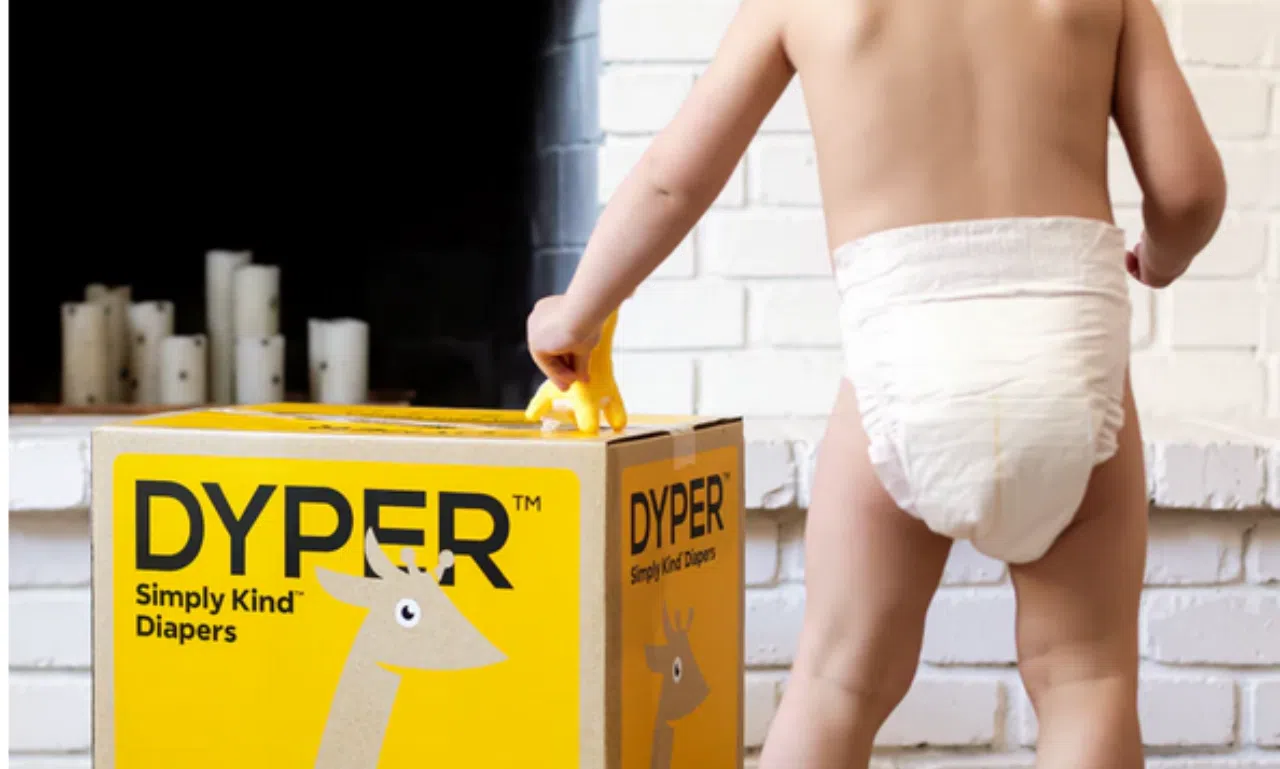
Dyper diapers are engineered to offer a superior experience not only for the baby’s skin and the environment but also for the parents. Despite being formulated with over 50% plant-based materials, these diapers are designed for high performance. They are rigorously tested to prevent leaks and minimize the incidence of diaper rash, thereby contributing to a baby’s overall comfort and well-being.
A significant innovation offered by Dyper is its optional REDYPER™ program. This service, available in select regions, provides a convenient solution for the disposal of used diapers and wipes. Through partnerships with regional composting facilities, the REDYPER™ program facilitates the composting of diaper materials that can break down within a 14 to 16-week period. Materials that are not suitable for composting are meticulously removed and disposed of responsibly. This initiative represents a tangible step towards diverting significant volumes of waste from landfills. As of the latest available data, the REDYPER™ program has successfully diverted over 14 million pounds of waste from landfills, underscoring its environmental impact.
Dyper’s "plants over plastic philosophy" extends to its packaging as well. The company actively seeks out and utilizes sustainable packaging materials wherever feasible, further minimizing its environmental footprint throughout the product lifecycle. This holistic approach ensures that consumers are not forced to choose between functional, high-quality diapers and environmentally responsible options. Dyper aims to provide a comprehensive solution that addresses both parental needs and ecological concerns.
Making Sustainability Convenient: Dyper’s Subscription and Composting Services
Recognizing that convenience is a paramount factor for parents, Dyper offers flexible purchasing options. Consumers can opt for convenient subscription services, ensuring a regular supply of diapers, or make one-time purchases. The company provides a wide array of sizes to accommodate babies as they grow. In certain geographic areas, Dyper also offers a weekly or bi-weekly pickup service specifically for used diapers and wipes through its REDYPER™ program. This service streamlines the composting process for busy families, integrating sustainable disposal seamlessly into their routines.
By choosing Dyper, consumers are not merely selecting a diaper that offers exceptional performance and comfort. They are actively endorsing a company that demonstrates a profound commitment to sustainability, prioritizes transparency in its product formulations, and champions superior care for infants. This multifaceted approach positions Dyper as a leader in the evolving landscape of infant care products, offering a viable and responsible alternative for parents seeking to minimize their environmental impact without compromising on the health and comfort of their children. The company’s growth and the increasing consumer demand for eco-conscious products suggest a significant shift in parental priorities, with a growing recognition of the long-term implications of their purchasing decisions. As more parents become aware of the environmental and health challenges posed by conventional diapers, brands like Dyper are poised to play an increasingly crucial role in shaping a more sustainable future for the next generation.