Pranda Michaela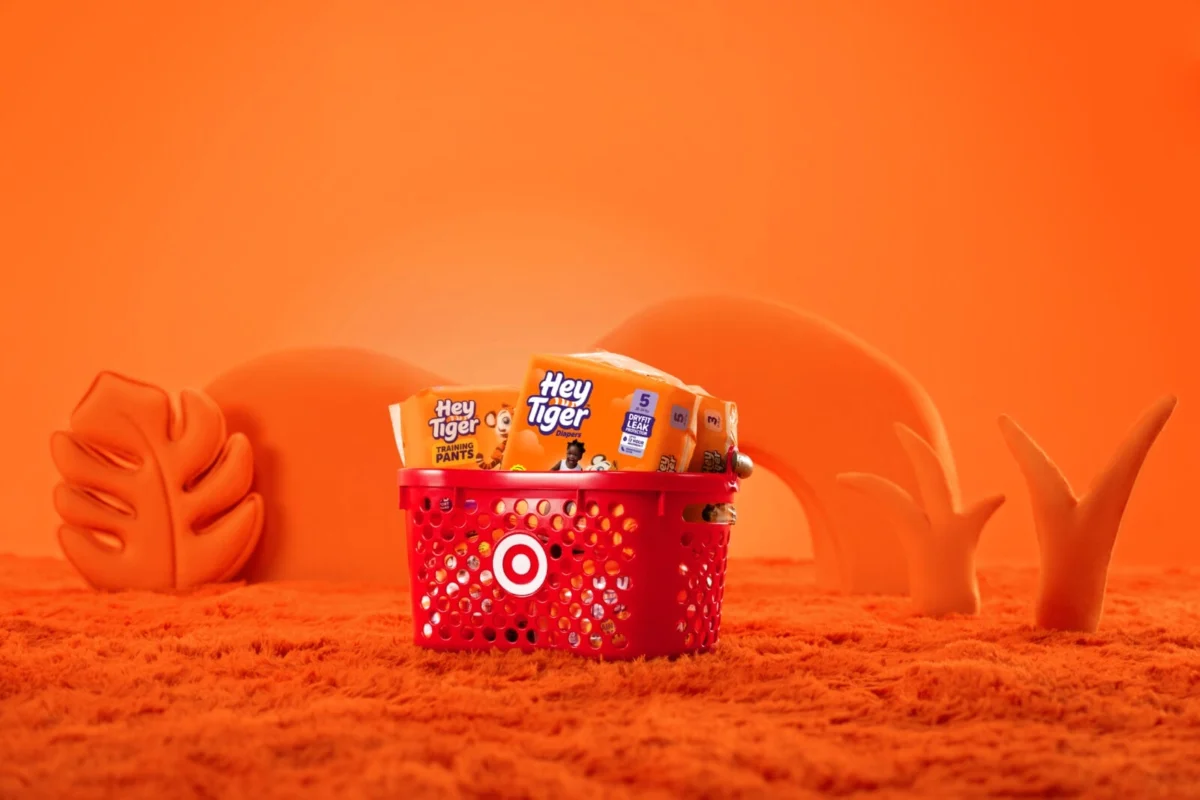
The perennial struggle for parents navigating the world of baby care has long been the perceived trade-off between effective diapering and financial strain. Historically, parents have faced a stark choice: opt for the most absorbent and reliable diapers, often commanding a premium price, or select more budget-friendly options that may carry a higher risk of leaks and discomfort. This dilemma, a silent burden for many families, has been a persistent challenge in the consumer goods market, particularly for essential infant products. However, a new entrant, Hey Tiger, is poised to redefine this landscape, launching a line of diapers at Target that promises to deliver performance rivaling top-tier brands at a significantly reduced cost.
This innovative approach is backed by Hey Tiger’s strategic placement within Target stores nationwide. The brand has been identified as one of Target’s key strategic initiatives for 2026, signaling strong confidence from the retail giant in Hey Tiger’s potential to capture significant market share. The appeal lies in its compelling value proposition: high-quality diapers starting at an accessible price point of just $4.99 per pack, a move that directly addresses the long-standing affordability concerns of parents.
Designed for Uninterrupted Childhood Adventures
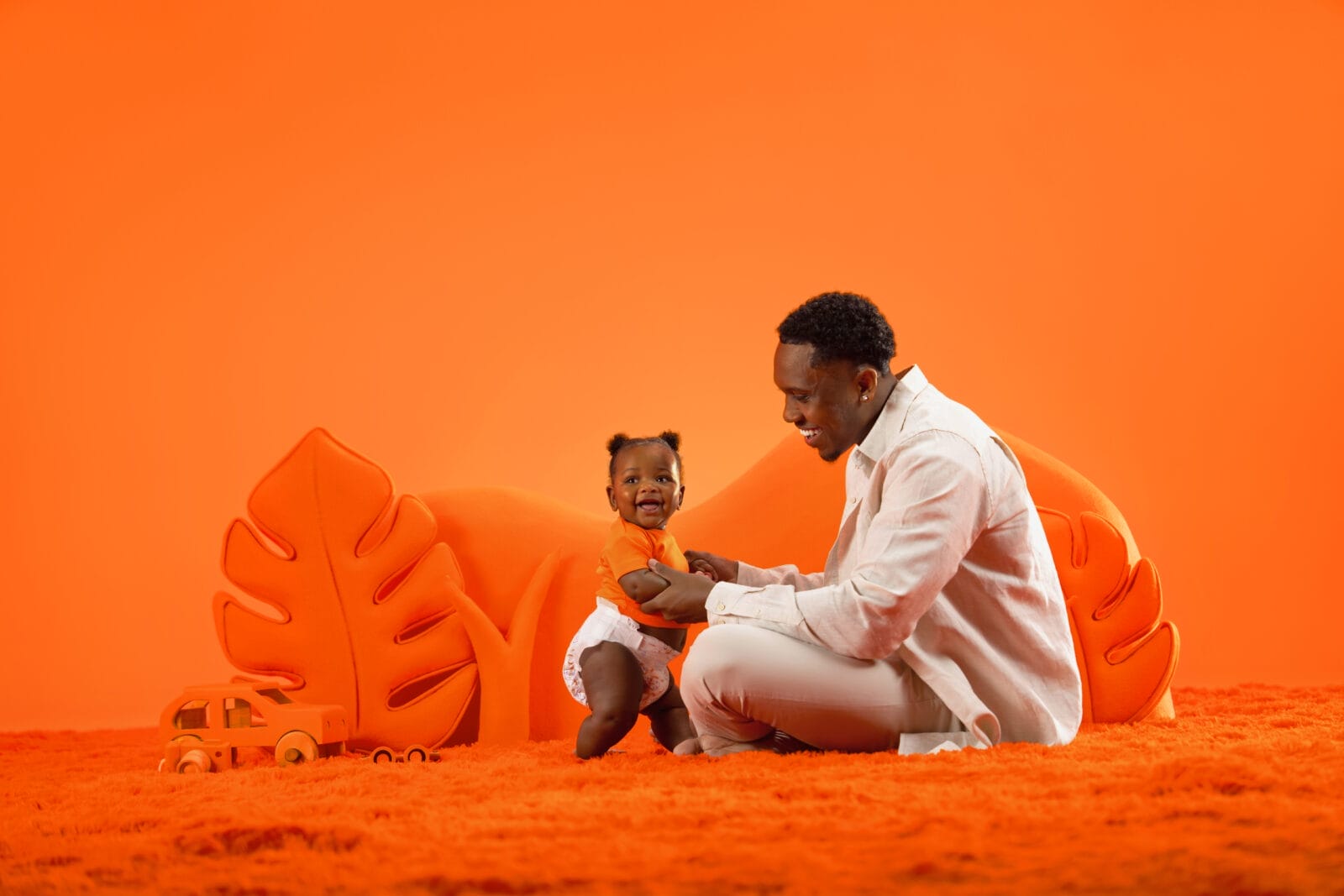
The core of Hey Tiger’s product development is rooted in understanding the dynamic needs of active toddlers. The brand emphasizes its DryFit™ Leak Protection technology, a feature designed to withstand the rigors of active play, from climbing and running to more exploratory endeavors. This technology incorporates triple-layer leak guards, engineered to effectively contain messes and prevent leaks, thereby minimizing disruptions to a child’s playtime and reducing the frequency of diaper changes due to leakage.
Beyond leak protection, Hey Tiger has focused on creating a secure and comfortable fit. The diapers are designed with a high waistband and robust grip tabs, intended to ensure that the diaper moves with the child’s body rather than bunching or sagging. This feature is crucial for maintaining comfort and preventing leaks, especially during periods of high activity or when a child is transitioning through different stages of mobility, such as crawling or walking.
In terms of material science and infant well-being, Hey Tiger diapers have undergone dermatologist testing and are certified hypoallergenic. They are crafted from soft, breathable materials and are formulated without the inclusion of lotions, latex, or fragrance. This commitment to sensitive skin care aims to provide parents with greater peace of mind, reducing the potential for skin irritations and allergic reactions, while ensuring comfort throughout extended wear, including overnight.
Addressing the Needs of the Potty-Training Journey
Recognizing the distinct requirements of children in the potty-training phase, Hey Tiger also offers a line of training pants. These pants are available in sizes 4-7, with prices starting at $5.99. They feature a 360° Comfort Waistband, designed to offer flexibility and comfort for active toddlers. Additionally, the training pants incorporate quick-tear sides, a practical feature that facilitates easier and quicker changes, particularly during moments of urgency that can arise during the potty-training process. These training pants maintain the same DryFit™ protection and skin-friendly material composition as the core diaper line, offering a seamless transition for parents and children as they move towards independent toileting.
A Paradigm Shift in Diaper Pricing
The economic implications of Hey Tiger’s market entry are substantial. The brand’s diapers are priced at approximately 17 cents per diaper, with packs starting at $4.99. To put this into perspective, comparable diaper sizes from established brands like Pampers and Huggies typically retail at Target for around 27-29 cents per diaper. This price differential translates into significant savings for families over the course of the diapering years, which can span thousands of diapers per child.
Hey Tiger’s strategy appears to be a direct response to the growing consumer demand for high-quality products at more accessible price points. The brand’s positioning suggests that parents are no longer willing to compromise on performance or comfort solely to manage costs, nor are they willing to overpay for perceived brand value when equivalent or superior performance can be achieved at a lower cost. The company’s philosophy, encapsulated in the slogan "pay less, play more," aims to resonate with modern, budget-conscious parents who prioritize their children’s well-being and freedom of movement without incurring excessive financial burdens.
Furthermore, to mitigate any hesitation from consumers about trying a new brand, Hey Tiger offers a money-back guarantee on the first pack of diapers purchased. This risk-reduction strategy is designed to encourage trial and build consumer confidence, allowing parents to experience the product’s performance firsthand with minimal financial exposure.
Analysis of Market Impact and Future Implications
The introduction of Hey Tiger to the diaper market, particularly through a major retailer like Target, represents a significant disruption. For decades, the diaper market has been dominated by a few major players who have historically commanded premium pricing for their products. This has created a market structure where innovation in product performance was often coupled with consistently high price points, limiting accessibility for a broader segment of the population.
Hey Tiger’s entry challenges this established order by demonstrating that premium performance – encompassing superior absorbency, comfortable fit, and skin-friendly materials – does not necessitate a premium price. The brand’s focus on value-for-money, without apparent compromise on essential features, could force incumbent brands to re-evaluate their pricing strategies and product development approaches.

The success of Hey Tiger could have broader implications for the consumer goods industry, potentially signaling a shift towards more value-driven brands that prioritize functional excellence and affordability. This could lead to increased competition, greater innovation across the board, and ultimately, more choices for consumers facing rising household expenses.
The "big bet" status at Target suggests a strategic alignment that could provide Hey Tiger with significant promotional support and shelf space, accelerating its market penetration. This partnership is crucial for a challenger brand aiming to gain traction against established giants.
Timeline of Market Entry and Development:
While specific dates for Hey Tiger’s inception and development are not publicly detailed in the provided text, its recent launch at Target stores across the US, coupled with its designation as a "big bet for 2026," indicates a strategic rollout. This suggests a period of research, development, and market testing likely preceded its official debut. The brand’s origin in New Zealand points to a global development process, culminating in its US market introduction.
Supporting Data and Consumer Trends:
The news article implicitly references a persistent consumer trend: the desire for high-quality baby products that do not break the bank. This aligns with broader economic conditions where families are increasingly seeking value and scrutinizing their spending on essential goods. The reported price difference of approximately 10-12 cents per diaper between Hey Tiger and leading competitors represents a substantial saving, particularly for families with multiple children or for those who go through a high volume of diapers.

For example, if a child uses an average of 8 diapers per day, and a family has one child, over the course of a year (365 days), that equates to roughly 2,920 diapers. At 17 cents per diaper, the annual cost would be approximately $496.40. At 27 cents per diaper, the cost would rise to $788.40, a difference of nearly $300 per child annually. This calculation underscores the tangible financial benefit Hey Tiger offers.
Statements and Reactions (Inferred):
While no direct quotes from Hey Tiger representatives or Target officials are provided, the article’s framing suggests a positive reception from Target. The "big bet" designation implies that Target’s merchandising and buying teams have identified Hey Tiger as a brand with strong growth potential and a compelling offering that resonates with their customer base. The inclusion of a money-back guarantee also suggests confidence from the company in its product’s ability to satisfy consumers.
Analysis of Implications:
- Increased Competition: Hey Tiger’s entry will likely intensify competition within the diaper market, potentially leading to price adjustments or enhanced promotional activities from established brands.
- Consumer Empowerment: The availability of a high-performance, affordably priced option empowers consumers, offering them more choice and control over their household budget without compromising on essential baby care.
- Retailer Strategy: Target’s strategic backing of Hey Tiger highlights its commitment to curating a diverse and competitive product assortment, particularly in high-demand categories like baby care.
- Innovation in Value: The brand’s success could inspire other manufacturers to focus on delivering premium features at accessible price points, shifting the market’s emphasis from brand prestige to tangible product value.
- Global Sourcing and Quality: The New Zealand origin of Hey Tiger suggests a global approach to product development and manufacturing, indicating that quality and innovation are not confined to specific geographical markets.
In conclusion, Hey Tiger’s debut at Target represents more than just the launch of a new diaper brand. It signifies a potential recalibration of the diaper market, prioritizing affordability alongside robust performance. With its compelling price point, advanced leak protection technology, and commitment to sensitive skin care, Hey Tiger is positioned to become a significant player, offering parents a much-needed solution to the age-old dilemma of quality versus cost in baby essentials. The brand’s charming tiger mascot, Rory, adds a touch of personality to a product that aims to make everyday parenting a little easier and a lot more affordable.