
 Indra Kusuma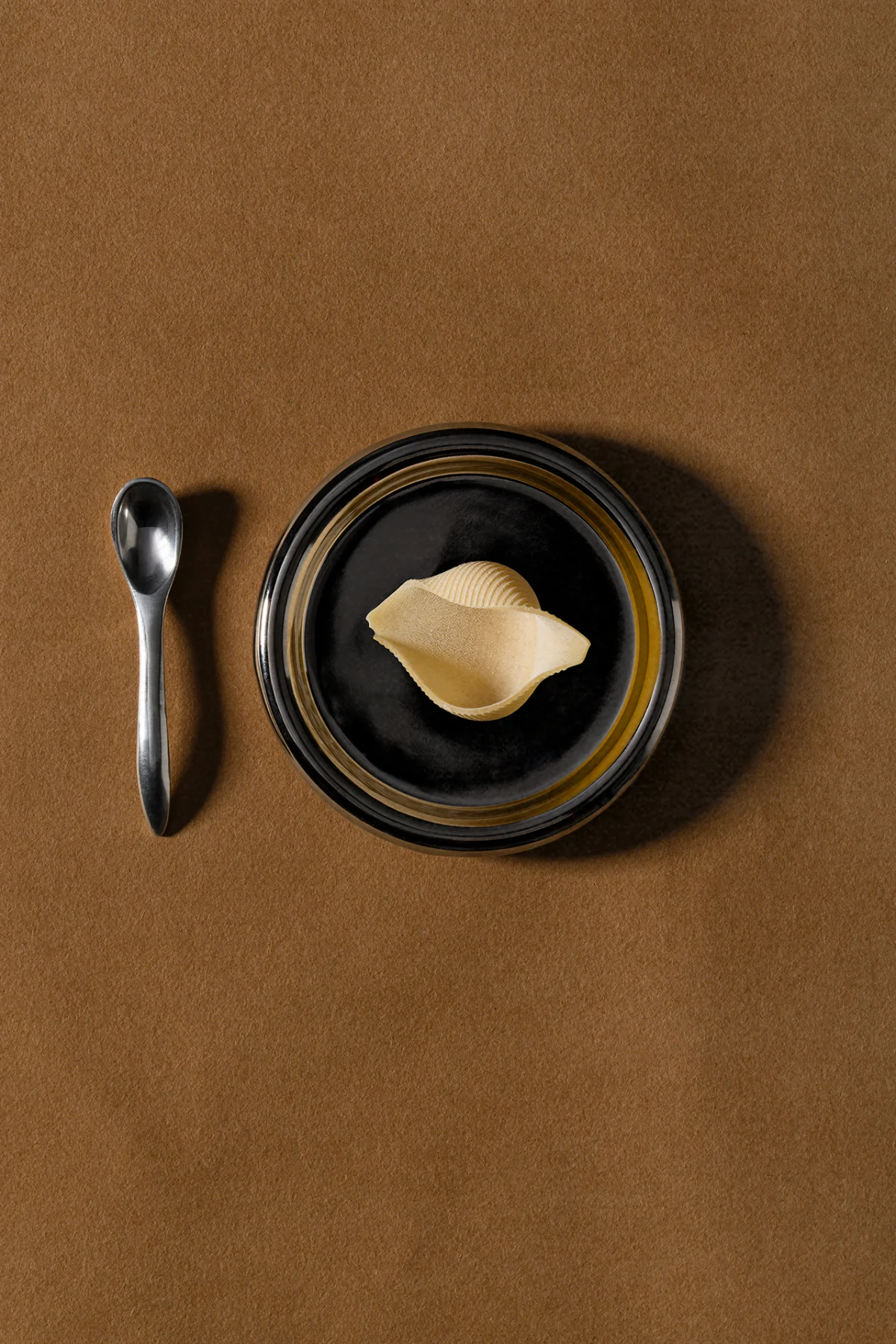
The often-overlooked, yet intensely tactile, elements of our built environments are finally commanding the spotlight they deserve. In an era where every detail contributes to a cohesive aesthetic, from the grand architectural gesture to the most infinitesimal fixture, hardware is undergoing a profound re-evaluation. No longer mere functional necessities, these heavily used components—essential to the operation of kitchens, wardrobes, and the doors defining our spaces—are being celebrated as a vital home design typology, treated with the same formal and aesthetic rigor historically reserved for iconic furniture pieces. This paradigm shift underscores a growing design consciousness that recognizes the power of the small to make a significant impact on daily experience within homes, workspaces, restaurants, retail environments, and shared civic spaces.

This burgeoning appreciation for refined hardware is driven by a diverse and innovative segment of the design industry. A growing crop of boutique producers and forward-thinking design practices are venturing into product development, pushing the boundaries of what constitutes functional hardware. These innovators are exploring the ergonomic and sculptural possibilities of handles, knobs, and pulls, considering how the human hand interacts with these forms—how it grasps, lifts, and tugs. The inherently smaller scale of hardware allows for experimentation with less financial risk, fostering a fertile ground for creativity. For such fresh propositions to achieve widespread adoption and viability, however, a degree of recognition and market penetration remains crucial. Leading this charge are a handful of intrepid brands, many of which hail from Australia, signaling a vibrant design scene emerging from the Southern Hemisphere.
Among these pioneering collaborations is the recent unveiling of the "Al Dente Collection," a partnership between the distinguished Australian hardware purveyor Lo & Co Interiors and the acclaimed Melbourne-based interiors practice Studio Tali Roth. This collection represents a cleverly conceptualized fusion, harnessing the surprisingly conducive formal qualities of myriad traditional Italian pasta forms and complementary ingredients, transforming them into sophisticated, functional hardware. The collaboration itself speaks volumes about the current trajectory of interior design, where cross-disciplinary innovation and a deep understanding of material culture are paramount. Lo & Co Interiors, known for its commitment to high-quality, design-led hardware, found a natural synergy with Studio Tali Roth, whose design ethos is characterized by elegant simplicity, textural richness, and a curated approach that emphasizes personal narrative within spaces.

The Genesis of Al Dente: A Culinary-Inspired Design Journey
The inspiration for the Al Dente Collection is rooted in an "unexpected adjacency"—the serendipitous convergence of two seemingly disparate ideas: food and furnishing. The concept explores what happens when an inherently sculptural foodstuff like pasta is recontextualized as a furnishing component. While the idea of food-inspired design is not entirely new, past attempts have often veered into novelty or gimmickry, lacking the design resolution necessary for sustained appeal. The Al Dente Collection, however, transcends this, achieving a sophisticated balance that avoids the pitfalls of superficiality.

The design process likely involved extensive research into the diverse world of Italian pasta, identifying forms that possess both aesthetic appeal and ergonomic potential. The subtle curves of orecchiette, the flat expanse of lasagna, the intricate stars of pastina, and the smooth, organic shape of an olive were meticulously studied and translated. This wasn’t merely about replicating shapes but understanding their inherent qualities—their tactility, their ability to be gripped, and their visual rhythm—and adapting them for a new purpose. The choice of materials further elevates these forms, moving beyond mere replication to an interpretation in luxurious, durable metals. Hand-forged in pewter, oil-rubbed bronze, polished nickel, and polished brass, each piece in the collection speaks to a commitment to craftsmanship and material integrity, allowing the forms to register with a weighty elegance that belies their playful origins.
Anatomy of the Collection: Pasta Shapes Reimagined

The collection meticulously translates distinct pasta shapes into specific hardware applications:
- Pastina Knob: The delicate, star-shaped pastina, typically used in soups, is transformed into a charming and intricate knob. Its faceted form offers a surprising grip and a unique visual texture, making it an engaging focal point for cabinets or drawers.
- Lasagna Lateral Handle: The broad, flat sheets of lasagna, renowned for their layered structure, become an elegant lateral handle. Its expansive surface provides a comfortable pull, while its clean lines offer a contemporary minimalist aesthetic that can complement a variety of interior styles.
- Orecchiette Thumb-Print Pull: The "little ears" of orecchiette, with their distinctive concave shape designed to cup sauces, are ingeniously reinterpreted as a thumb-print pull. This design directly leverages the pasta’s natural ergonomics, offering a comfortable and intuitive point of contact for opening doors or drawers.
- Olive Knob: As a complementary ingredient central to Italian cuisine, the olive is also given its due, sculpted into another type of knob. Its smooth, organic, and slightly elongated form provides a softer, more fluid counterpoint to the more angular or textured pasta forms, adding versatility to the collection.
This thoughtful selection and transformation demonstrate a deep understanding of both culinary and industrial design principles. Each piece is not just a decorative element but a fully functional object, meticulously engineered to perform its task while simultaneously delighting the senses and telling a story.

Strategic Placement: The Kitchen as a Narrative Hub
The Al Dente Collection finds its most profound resonance within the context of the kitchen, the very heart of the home where culinary traditions and daily life converge. Here, the hardware takes on a semiotic quality, creating subtle visual cues that enhance the narrative of the space. Imagine pastina knobs on a pantry door housing dry goods, lasagna handles on cabinetry above the stove, or olive pulls on drawers containing spices and oils. This approach goes beyond mere decoration; it imbues the kitchen with a layer of meaning, a playful yet sophisticated dialogue between form, function, and food.

This thematic integration is reminiscent of iconic design pieces that have successfully woven narrative into everyday objects, such as Michael Graves’ whistling bird-topped 9093 Tea Kettle for Alessi. While Graves’ kettle used a whimsical animal form to evoke sound and charm, the Al Dente Collection utilizes the fundamental shapes of food to create a more direct, yet equally evocative, connection to the kitchen’s purpose and emotional significance. It’s a design language that speaks to comfort, nourishment, and shared experiences.
Tali Roth, principal of Studio Tali Roth, articulates this sentiment eloquently: "For me, the kitchen has always been the most intimate space—where life happens, and memories simmer…and pasta is shared with family. I wanted to create whimsical accessories—sophisticated but not too serious. Sculptural pieces that echo the folds of handmade pasta, each offering its own personality." Her statement underscores the collection’s core philosophy: to create pieces that are not only aesthetically pleasing and functional but also evoke emotion, memory, and a sense of connection to the rituals of home and family. This deeply personal approach to design is a hallmark of Roth’s work, and it is beautifully encapsulated in the Al Dente Collection.

The Broader Implications for Contemporary Design
The emergence of collections like Al Dente signifies a broader trend in contemporary interior design—the elevation of often-overlooked details to central design features. This shift is fueled by several factors:

- Increased Design Literacy: Homeowners and commercial clients are more design-savvy than ever, seeking bespoke and unique elements that reflect their personal style and values.
- Focus on Tactility and Experience: In an increasingly digital world, there is a renewed appreciation for physical objects and the sensory experience they provide. Hardware, as a frequently touched element, plays a crucial role in this.
- Demand for Artisanal and Unique Products: The market is moving away from mass-produced, generic items towards handcrafted, thoughtfully designed pieces that tell a story and possess a sense of authenticity. The hand-forged nature of the Al Dente Collection perfectly aligns with this demand.
- The Rise of "Quiet Luxury": This aesthetic emphasizes understated elegance, quality materials, and meticulous craftsmanship over ostentatious display. Designer hardware fits perfectly within this framework, adding a subtle layer of sophistication.
The success of brands like Lo & Co Interiors and the growing number of Australian design practices gaining international recognition also highlights a flourishing design ecosystem. Australia, with its unique blend of cultural influences and a strong appreciation for craftsmanship, is becoming a significant player in the global design landscape, particularly in the realm of boutique production and collaborative ventures.
Furthermore, the "less risky" nature of experimenting with small formats in hardware design allows for greater creative freedom and innovation. This creates a dynamic feedback loop where designers can test novel concepts and material applications, eventually influencing larger-scale furniture and architectural elements. The Al Dente Collection, with its playful yet sophisticated concept, serves as a compelling case study for this iterative design process.

Conclusion: A New Era for Everyday Elements
The Al Dente Collection by Lo & Co Interiors and Studio Tali Roth is more than just a new line of hardware; it is a declaration that the smallest elements in our interiors hold immense power to shape our experiences and express our personalities. By transforming the familiar and comforting shapes of Italian pasta into refined, functional hardware, the collection invites us to reconsider the potential of everyday objects. It champions an approach to design that is both whimsical and sophisticated, deeply personal and universally appealing. This ingenious offering stands as a testament to the transformative power of thoughtful design, proving that even the most infinitesimal components can be celebrated as sculptural works of art, enriching our daily lives and the spaces we inhabit.

To stay in the know regarding Al Dente’s launch, visit loandcointeriors.com.
Photography courtesy of Liam West.







