Hanik Kholidah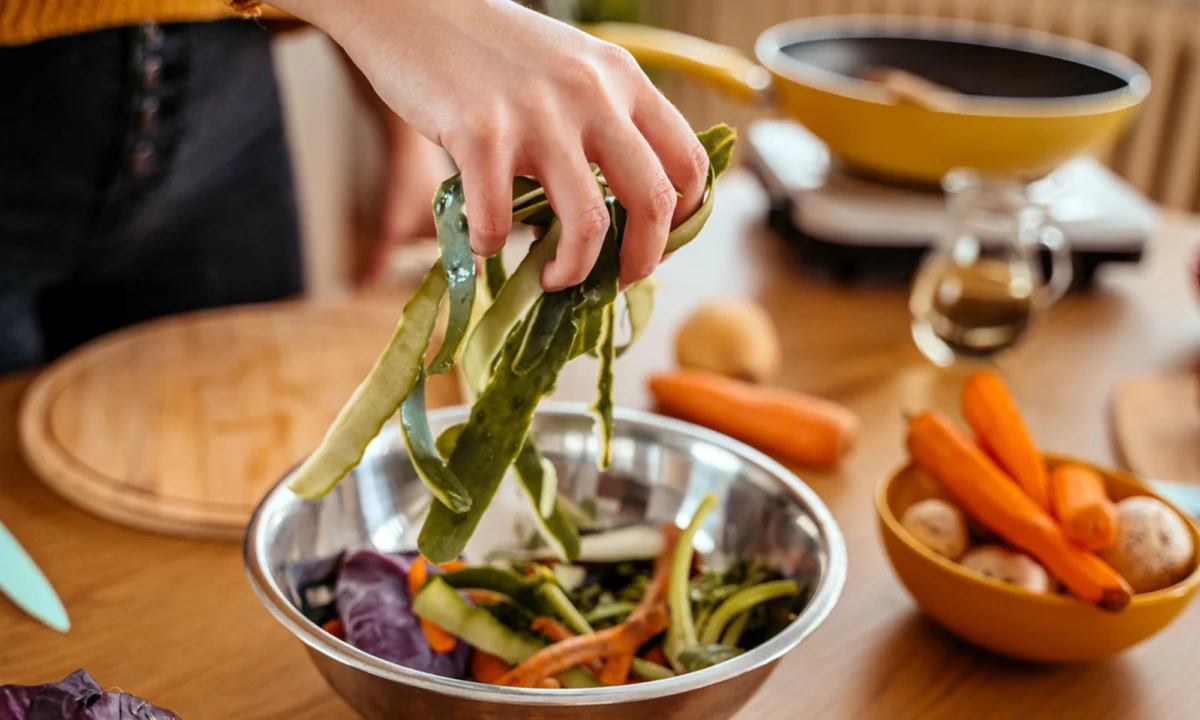
The release of "Niçoise: Market-Inspired Cooking From France’s Sunniest City" by culinary expert Rosa Jackson has ignited a renewed global interest in the traditional cooking methods of the French Riviera, specifically focusing on the preservation of nutritional integrity through seasonal, plant-forward preparation. Central to this movement is the philosophy of cooking spring vegetables with minimal liquid—a technique designed to retain the vibrant pigmentation, complex flavor profiles, and essential micronutrients often lost in conventional boiling or high-heat sautéing. As the international culinary community shifts toward more sustainable and health-conscious practices, the revival of "Cuisine Nissarde" offers a blueprint for balancing ancestral wisdom with modern dietary requirements, such as the increasing emphasis on high-protein intake to support metabolic health.
The Historical and Cultural Context of Cuisine Nissarde
To understand the significance of the spring vegetable stew and the broader Niçoise culinary philosophy, one must look to the unique history of Nice. Unlike much of France, Nice has a distinct cultural identity that remained under the influence of the House of Savoy and the Kingdom of Sardinia until its annexation to France in 1860. This history created a culinary landscape that is arguably more Mediterranean and Italianate than traditionally French.
Cuisine Nissarde is defined by its reliance on the "Cuisine du Soleil" (Cuisine of the Sun). The region’s geography—wedged between the Mediterranean Sea and the Alps—creates a microclimate that allows for an extended growing season. Historically, the inhabitants of Nice relied on what could be gathered from the rocky hillsides and the fertile plains of the Var River. This necessitated a cooking style that was both frugal and celebratory of the harvest. The spring vegetable stew mentioned in Jackson’s work is a direct descendant of the "trouchia" or "ragout de légumes," where the goal was to showcase the "primeurs"—the first tender vegetables of the season—without masking them in heavy sauces or excessive fats.
The Science of Nutrient Retention in Minimal Liquid Cooking
A critical component of the Niçoise method is the use of minimal liquid. Modern nutritional science provides significant data to support this traditional practice. When vegetables are boiled in large quantities of water, water-soluble vitamins—most notably Vitamin C and the B-vitamin complex (such as B1, B2, B6, and folate)—leach into the cooking liquid. If this liquid is discarded, a substantial portion of the vegetable’s nutritional value is lost.
According to studies published in the Journal of Food Science, the retention of antioxidants and polyphenols is significantly higher in vegetables prepared through steaming or low-moisture "stewing" in their own juices compared to boiling. For instance, broccoli can lose up to 50% of its Vitamin C content when boiled, whereas minimal-liquid methods preserve up to 80-90%. By using the smallest, sweetest vegetables—such as baby artichokes, young fennel, and broccolini—chefs are utilizing produce that is already high in water content and natural sugars, allowing the vegetables to "self-braise." This results in a concentrated flavor profile that requires less sodium and supplemental fats to achieve palatability.
The Evolution of the Plate: Integrating Protein in Plant-Centric Diets
While the traditional Niçoise stew is celebrated for its lightness and purity, modern dietary guidelines have evolved to emphasize the importance of protein density. The recommendation to include approximately 30 grams of protein per meal, as noted by health editors and nutritionists, reflects a growing body of evidence regarding muscle protein synthesis and satiety.
For many years, the Mediterranean diet was viewed primarily through the lens of healthy fats (olive oil) and fiber. However, contemporary metabolic research suggests that for a meal to be truly functional—particularly for aging populations or those with active lifestyles—it must provide adequate amino acids. This has led to a modern "enrichment" of traditional recipes. In the context of the spring vegetable stew, the addition of roast chicken, poached fish, or plant-based proteins like chickpeas or lupini beans transforms a starter into a nutritionally complete main course. This shift represents a pragmatic bridge between the aesthetic and cultural values of French gastronomy and the rigorous requirements of modern clinical nutrition.

Chronology of the Seasonal Harvest and Culinary Cycle
The practice of cooking seasonally in Nice follows a strict agricultural chronology that dictates the local economy and social life.
- Late Winter (February – March): The transition begins with the arrival of wild chard and the last of the winter citrus. This period sets the stage for the "cleansing" diet of spring.
- Early Spring (April): This is the peak window for the vegetables highlighted in Jackson’s work. The arrival of "petits pois" (peas), fava beans, and the first asparagus marks a shift toward lighter, more vibrant preparations.
- The "Primeur" Peak (May): This is when baby artichokes (poivrade) and young fennel reach the markets. The vegetables are at their most tender, requiring the minimal cooking times discussed in the Niçoise philosophy.
- Early Summer Transition (June): As temperatures rise, the stew-based preparations give way to raw salads and "petits farcis" (stuffed vegetables), utilizing the burgeoning crops of zucchini and tomatoes.
This timeline is not merely a matter of preference but a logistical reality of the "Cuisine du Terroir." The proximity of the Cours Saleya market to the kitchens of Old Nice ensures that the time from harvest to table is often less than 24 hours, further preserving the volatile aromatic compounds of the vegetables.
Economic and Environmental Implications of Regional Eating
The promotion of Niçoise-style cooking also carries significant economic and environmental weight. By focusing on "the smallest, sweetest vegetables you can find," the culinary philosophy encourages the support of small-scale polyculture farming rather than industrial monoculture. Small-scale farmers in the Alpes-Maritimes region often harvest vegetables earlier in their growth cycle, which can command higher price points for quality while requiring fewer chemical interventions for pest control compared to late-season crops.
Furthermore, the emphasis on using vegetable leftovers for compost—as highlighted in the visual documentation of Jackson’s work—aligns with the circular economy goals of the European Union’s Green Deal. Food waste is a major contributor to methane emissions in landfills; by integrating composting into the domestic and professional kitchen workflow, the Niçoise tradition contributes to a reduction in the carbon footprint of the culinary industry.
Global Reception and the Influence of Culinary Literature
The publication of "Niçoise" by W.W. Norton & Company represents a broader trend in the publishing industry toward "micro-regionalism." Readers are moving away from generalized "French" or "Italian" cookbooks and are instead seeking deep dives into specific city-states and coastal enclaves. Rosa Jackson, who has run a successful cooking school in Nice for years, acts as a cultural intermediary, translating the nuances of the French market for a global audience.
Industry analysts note that cookbooks focusing on specific regional identities have seen a 15% increase in sales over the last five years. This is attributed to a desire for "authentic" experiences and a more profound connection to the origin of food. The photography by Jan Hendrik van der Westhuizen further elevates the subject matter, treating the ingredients with a level of reverence typically reserved for fine art, which reinforces the value of the raw materials.
Conclusion: The Future of the Niçoise Table
The Niçoise approach to spring vegetables is more than a recipe; it is a manifestation of a lifestyle that prioritizes quality, seasonality, and the preservation of natural resources. As global food systems face the challenges of climate change and shifting health paradigms, the lessons from Nice offer a sustainable path forward. By valuing the inherent qualities of the vegetable and supplementing traditional meals with the protein necessary for modern health, the "Cuisine of the Sun" remains as relevant in the 21st century as it was in the 19th.
The integration of these practices into the daily lives of home cooks and professional chefs alike suggests a future where the distinction between "healthy food" and "gourmet food" continues to dissolve. Through the lens of Rosa Jackson’s work, the simple act of stewing a spring vegetable becomes a gesture of environmental stewardship and a commitment to personal well-being, ensuring that the flavors of the Côte d’Azur will continue to influence global gastronomy for generations to come.