Cintya Tara Annisa
The specialty coffee sector continues to witness a period of rapid diversification and technical innovation as roasters and producers move beyond traditional processing methods to meet the evolving demands of a sophisticated global consumer base. In an era where transparency and traceability are no longer optional but expected, the latest curation of whole bean offerings from leading international roasters highlights a significant shift toward "relationship coffee." This model prioritizes multi-year contracts and collaborative experimentation between roasters and farmers, ensuring economic stability for producers and a consistent, high-quality product for the market. As the industry enters the first quarter of 2025, several key themes have emerged, including the rise of co-fermentation, the refinement of carbonic maceration, and a renewed focus on rare varieties such as Java, Pacamara, and Pink Bourbon.
The Evolution of Direct Trade and Relationship Sourcing
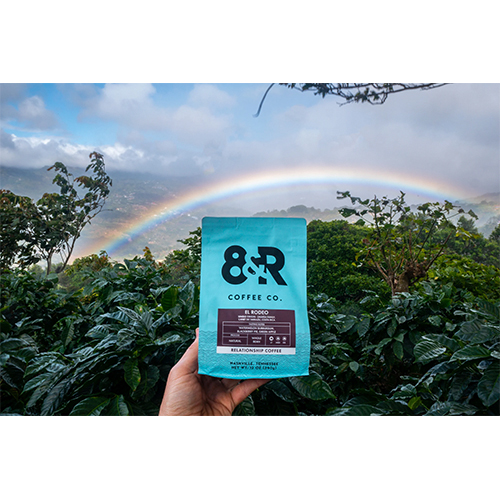
The current landscape of specialty coffee is defined by the depth of the connection between the roasting facility and the farm. A primary example of this is the ongoing partnership between Nashville-based 8th & Roast and Costa Rican producer Javier Umaña. Now in its second harvest, the relationship has evolved from a small-scale trial to a dedicated lot of naturally processed coffee from the El Rodeo community in Santa María de Dota. This progression illustrates a broader industry trend where roasters invest in specific farm infrastructures to produce exclusive lots tailored to specific flavor profiles, such as the watermelon and blackberry notes found in the El Rodeo offering.
Similarly, Brooklyn’s Partners Coffee has maintained a decade-long relationship with the Suke Quto farm in the Guji region of Ethiopia. Founded by Tesfaye Bekele in 2000, Suke Quto began as a forest conservation project following local bushfires. It has since become a global benchmark for sustainable agriculture. By purchasing from the same estates year after year, roasters provide the financial certainty necessary for farmers to implement organic practices and long-term soil health initiatives. The result is a consistent output of high-scoring lots that define the regional characteristics of their origin, such as the citrus and orange blossom notes synonymous with washed Guji coffees.
Innovations in Post-Harvest Processing
While traditional washed and natural processes remain staples of the industry, 2025 has seen a surge in "experimental" processing methods that utilize controlled fermentation to alter the chemical composition of the coffee cherry. These methods, borrowed from the wine industry, allow producers to highlight specific enzymatic reactions.
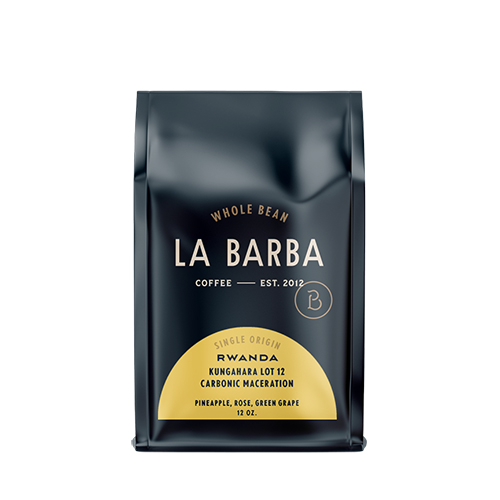
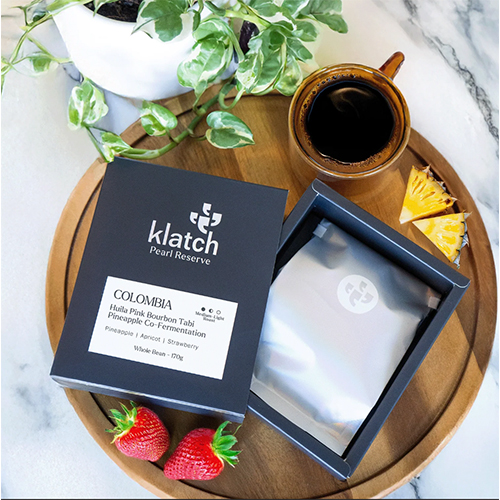
One of the most notable examples in the current market is the Colombia Huila Pink Bourbon Tabi Pineapple Co-Fermentation offered by Klatch Coffee. This process involves adding fruit—in this case, pineapple and panela—directly into the fermentation tanks. This allows the coffee seeds to absorb the organic acids and sugars of the fruit, resulting in a profile that transcends the inherent flavors of the bean. In Rwanda, La Barba Coffee is showcasing a lot from the Kungahara station that utilizes carbonic maceration. By placing the coffee cherries in a sealed, CO2-rich environment, producers can slow down the fermentation process, leading to a complex, full-bodied cup with delicate floral notes and a controlled "funk" that is highly sought after in the specialty circuit.
Furthermore, PERC Coffee has introduced the "Super Power Plum" lot from Diego Bermudez, a producer renowned for his scientific approach to coffee. Bermudez utilizes thermal shock and specific yeast inoculations to create highly vibrant, fruit-forward coffees. These technical advancements represent a "Fourth Wave" of coffee, where the focus shifts from the roast profile to the precise manipulation of biology and chemistry during the post-harvest phase.
Regional Spotlights: Africa and South America
The February 2025 offerings highlight the continued dominance of Ethiopia and Colombia as the twin pillars of the specialty market, though other regions like Bolivia and Java are gaining traction.
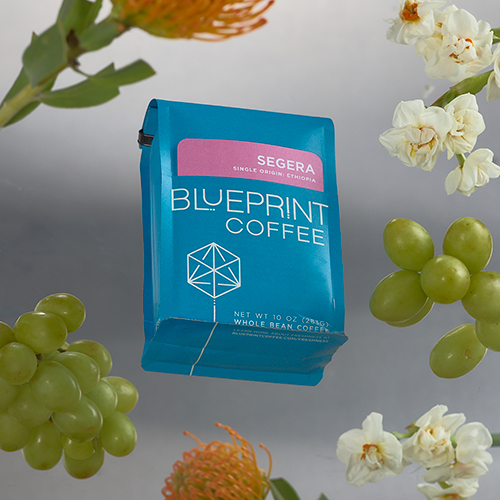
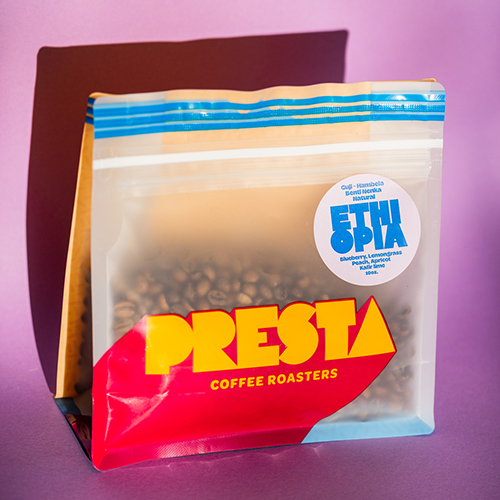
In Ethiopia, the Sidama and Guji regions remain the gold standard for high-altitude Arabica. Blueprint Coffee’s selection from the Bensa Segera washing station in Sidama showcases the "spun sugar" and white peach notes typical of the region’s meticulous washing processes. Meanwhile, Presta Coffee Roasters and Partners Coffee are highlighting the Guji highlands, where heirloom varieties grown at altitudes exceeding 2,000 meters above sea level (masl) produce a density of flavor characterized by lime and caramel.
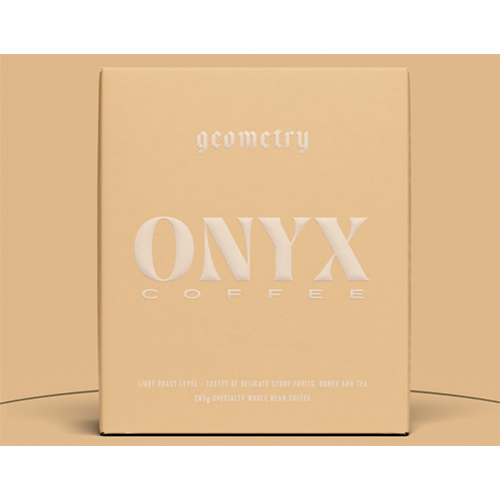
In South America, Colombia’s Huila and Popayán regions are producing versatile lots that serve both as single-origin features and the backbone of premium blends. Onyx Coffee Lab’s "Geometry" blend utilizes a washed Colombian component to provide a stable, cocoa-heavy base that complements the floral acidity of its Ethiopian counterpart. In Bolivia, Night Swim Coffee is highlighting the Caranavi region through Finca Rosita. This 32-hectare farm is a rarity in the Bolivian market, focusing on the Java variety, which is known for its elongated bean shape and elegant, tea-like cup quality.
The Resilience of the Signature Blend
Despite the popularity of single-origin microlots, signature blends remain the economic engine of many roasting companies. These products require a high degree of "roast-mastery" to maintain a consistent flavor profile year-round, despite the seasonality of coffee harvests.
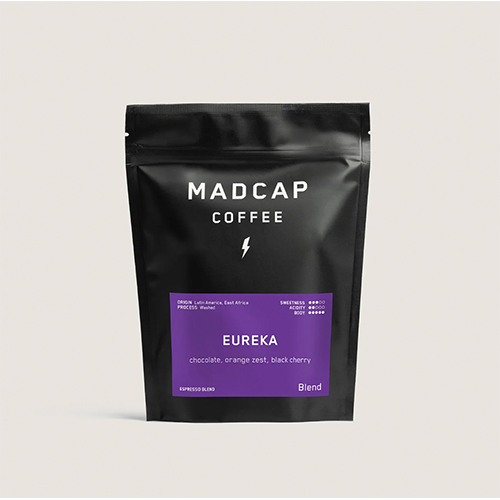
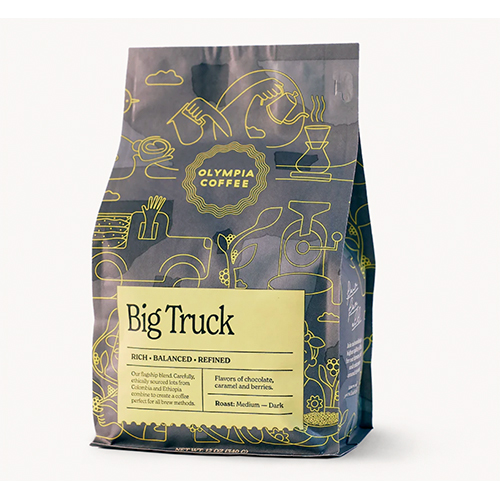
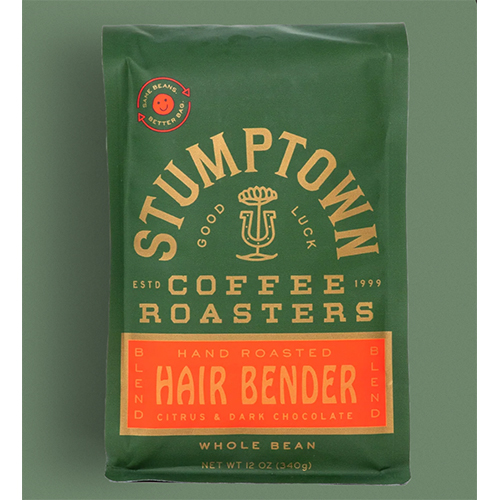
Stumptown Coffee Roasters’ "Hair Bender" remains one of the most recognizable blends in the industry. By combining lots from Latin America and East Africa, the roaster achieves a balance of dark chocolate and citrus that performs consistently across various brewing methods, from espresso to French press. Similarly, Olympia Coffee’s "Big Truck" and Caffe Umbria’s "Bizzarri Blend" are designed with specific utility in mind. The Bizzarri Blend, in particular, is engineered to retain its structural integrity when paired with milk, utilizing beans from Peru, El Salvador, and Uganda to create a profile rich in molasses and pecan.
Sustainability and Environmental Impact
The specialty coffee industry is increasingly viewed through the lens of environmental stewardship. As climate change threatens traditional growing altitudes, roasters are prioritizing producers who implement regenerative practices.
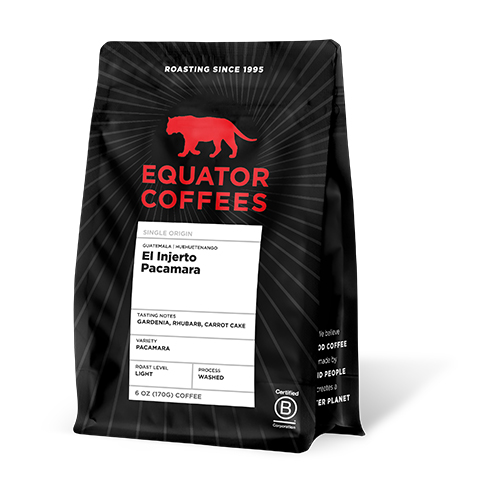
Equator Coffees’ partnership with El Injerto in Guatemala serves as a case study for large-scale sustainable farming. El Injerto is a fifteen-time Cup of Excellence finalist and holds Rainforest Alliance certification, with 65% of its 1,800-acre estate maintained as a pristine rainforest preserve. By supporting farms that protect local biodiversity, roasters ensure the long-term viability of the land. This commitment to the environment is often reflected in the price of the final product, as specialty roasters typically pay well above the "C-market" (commodity) price to cover the higher costs of sustainable production and fair labor.

Market Analysis and Future Outlook
The data suggests that the specialty coffee market is projected to grow at a compound annual growth rate (CAGR) of approximately 12% through 2030. This growth is driven by a younger demographic that views coffee as a craft beverage similar to wine or craft beer. The move toward yeast inoculation (as seen in Verve Coffee Roasters’ Wilder Blend) and anaerobic fermentation indicates that the industry is moving toward a more controlled, "industrial-scientific" model of flavor production.
However, challenges remain. Logistics and shipping costs continue to fluctuate, and the impact of the rust fungus (La Roya) remains a constant threat in Central and South America. The resilience of the market depends on the continued willingness of consumers to pay a premium for coffees that offer a clear narrative of origin and a unique sensory experience.
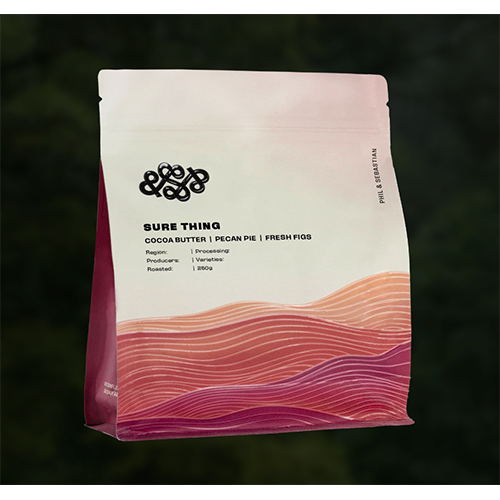
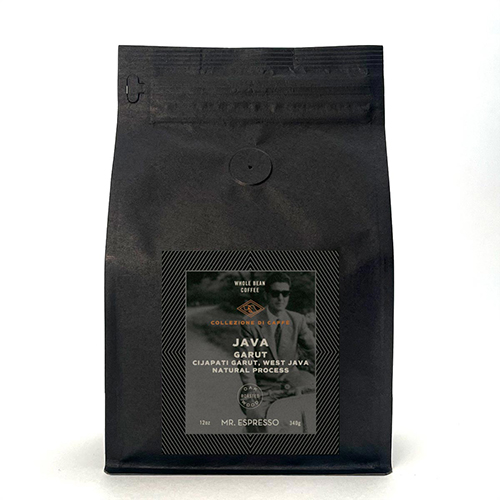
The diverse array of coffees currently available—ranging from the comforting "Sure Thing" by Phil & Sebastian in Honduras to the avant-garde "Java Garut" from Mr. Espresso—demonstrates a healthy, vibrant ecosystem. As roasters continue to push the boundaries of what is possible through fermentation and variety selection, the definition of a "standard" cup of coffee is being permanently rewritten. The industry’s focus on technical precision, ethical sourcing, and environmental responsibility positions it as a leader in the global specialty food and beverage sector.