Cintya Tara Annisa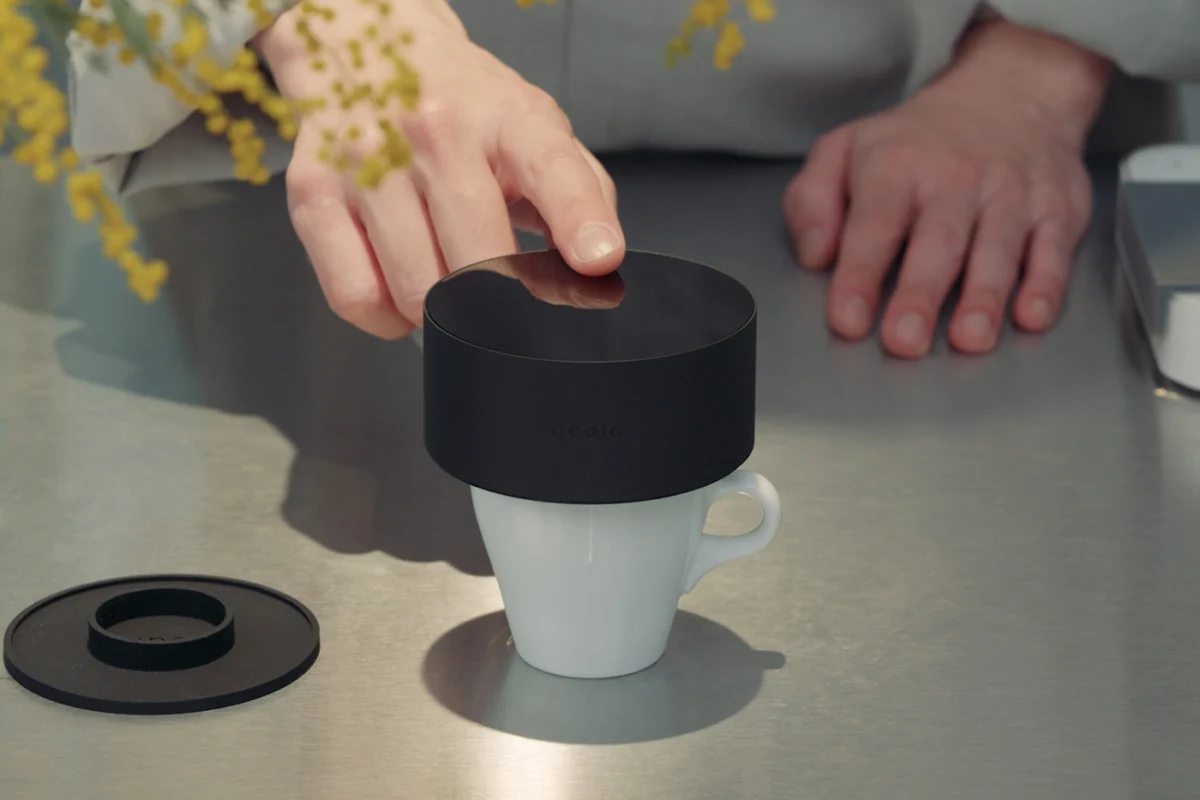
The specialty coffee industry has entered a new era of technological integration and precision engineering, marked by the 2026 launch of a dedicated initiative by Sprudge to spotlight the most significant advancements in brewing equipment. This program, titled "Coffee Gear," serves as a bi-monthly curation of tools and machinery ranging from high-end commercial espresso systems to portable manual brewers. The initiative reflects a broader shift in the global coffee landscape, where the boundaries between professional-grade laboratory equipment and consumer-facing home appliances continue to blur. As the market for specialty coffee gear expands, manufacturers are increasingly focusing on atmospheric control, high-precision data mapping, and specialized ergonomics to meet the demands of an increasingly sophisticated demographic of baristas and home enthusiasts.

The 2026 Coffee Gear Initiative: Scope and Objectives
The Coffee Gear program is designed to bridge the gap between manufacturers and the end-user by providing a platform for advertising partners to showcase their most innovative offerings. In an industry saturated with rapid product cycles, the initiative aims to provide a curated perspective on gear that offers genuine utility and technological progress. By featuring brands of all sizes—from legacy Italian manufacturers to boutique engineering firms in Asia and the United States—the program highlights the global nature of coffee innovation.

Industry analysts note that this initiative comes at a critical time. The global specialty coffee market is projected to continue its upward trajectory, with a particular emphasis on the "prosumer" segment—consumers who invest in professional-grade equipment for home use. The 2026 initiative provides a structured framework for evaluating these products, focusing on technical specifications, design philosophy, and the practical impact on flavor extraction.

Advancements in Atmospheric and Sensory Control
One of the most significant trends identified in the early 2026 showcase is the focus on atmospheric manipulation to enhance sensory outcomes. The Acaia Horizon represents a departure from traditional brewing methods by addressing the chemical environment of the coffee cup itself. Developed in collaboration with Swiss Barista Champion Mathieu Theis, the device is engineered to remove oxygen and carbon dioxide from the immediate vicinity of the brewed coffee.

This process, known as atmospheric clarification, is intended to intensify aromatics and stabilize flavor profiles. By mitigating the oxidizing effects of the surrounding air, the Horizon allows for a more pronounced expression of sweetness and clarity. This focus on the "post-brew" environment suggests that the industry is moving beyond extraction yields and looking toward the preservation of volatile aromatic compounds during the consumption phase. The device is scheduled for a major demonstration at the World of Coffee event in San Diego, reflecting its status as a flagship innovation for the 2026 season.

Precision Grinding and Variety-Specific Engineering
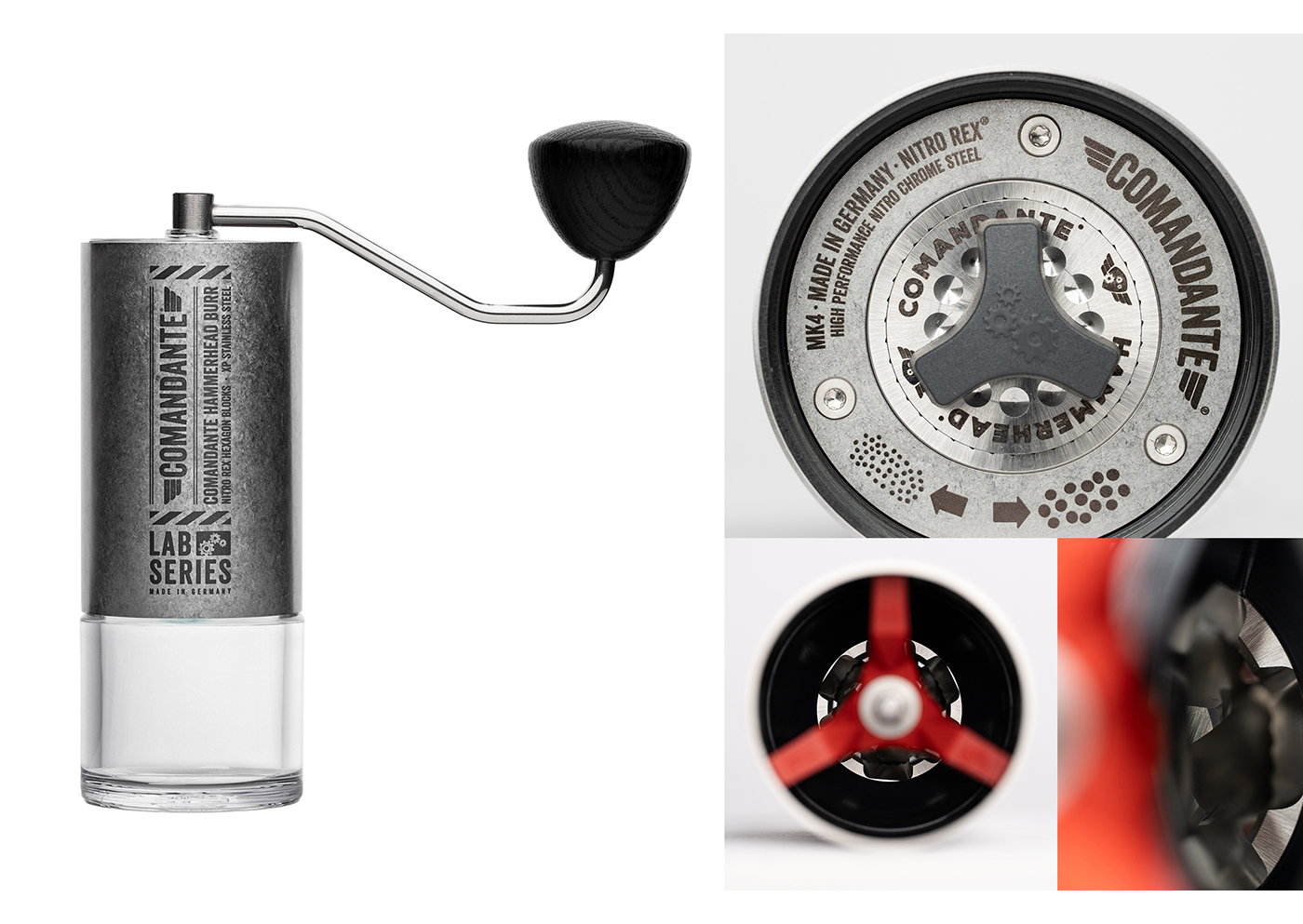
The evolution of grinding technology has moved toward extreme specialization, as evidenced by the Comandante C40 Lab Series Hammerhead. While Comandante has long been a standard-bearer for manual hand grinders, the Hammerhead burr set introduces the concept of variety-specific engineering. Historically, burr geometry was designed for general categories such as "espresso" or "filter." However, the Hammerhead is specifically tailored to maximize the potential of the Yellow Pacamara variety.

This level of precision is driven by the understanding that bean density, size, and cellular structure vary significantly between cultivars. The Hammerhead burr excels at processing larger, denser beans, elevating full-bodied sweetness and fruit-forward complexity that might be lost in a more generalized grinding system. This development signals a move toward "bespoke brewing," where the equipment is tuned to the specific genetic profile of the coffee being prepared.

The Digital Integration of Brewing Metrics
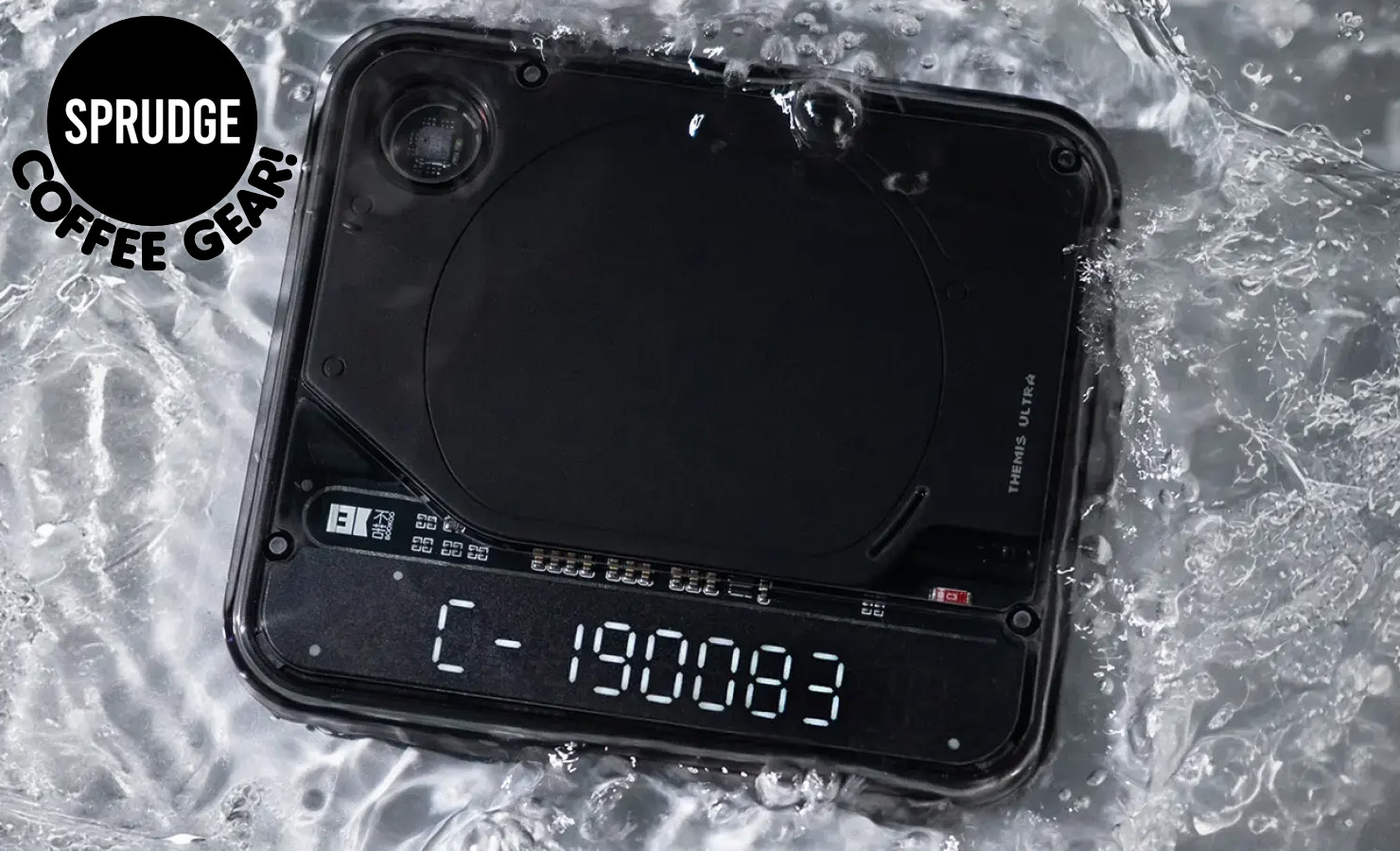
Data-driven brewing has become a cornerstone of the modern specialty coffee experience. The 2026 lineup features several devices that prioritize real-time data acquisition and waterproof durability. The BOOKOO Themis Ultra coffee scale exemplifies this trend, offering IP67-rated waterproof protection—a necessity in the high-moisture environment of an espresso drip tray.

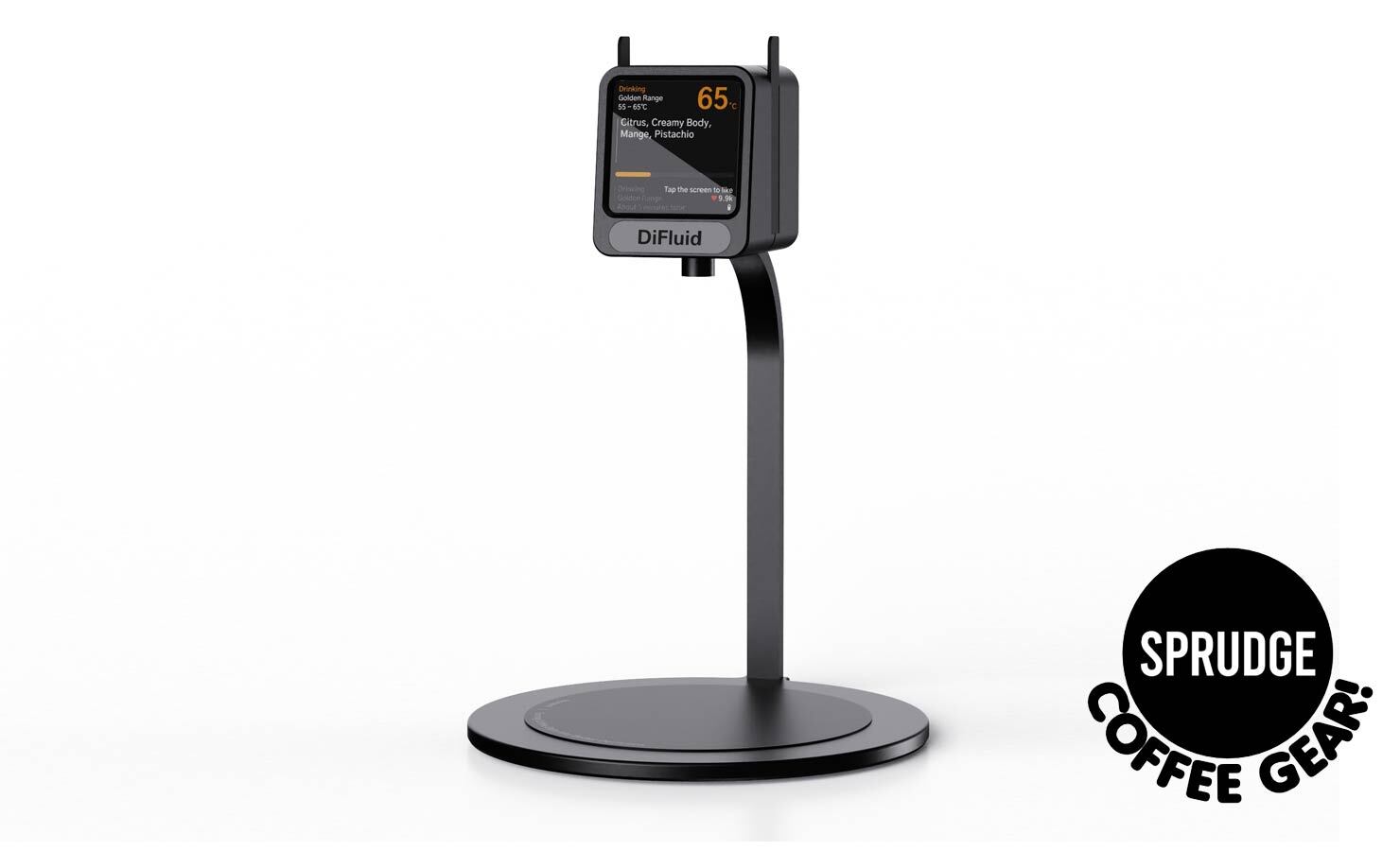
Beyond simple weight measurements, the Themis Ultra integrates with mobile applications to provide real-time brewing curves, monitoring flow rates and auto-sensing workflows. This allows baristas to archive and replicate successful extractions with mathematical precision. Similarly, the DiFluid Moment introduces non-contact, barista-grade infrared temperature measurement. By mapping the temperature-flavor relationship as a beverage cools, the Moment transforms the subjective experience of tasting into a presentable data set. This capability is particularly relevant for quality control in commercial settings and for enthusiasts looking to understand the thermal degradation of flavor compounds.

Innovation in Manual Brewing and Ergonomics
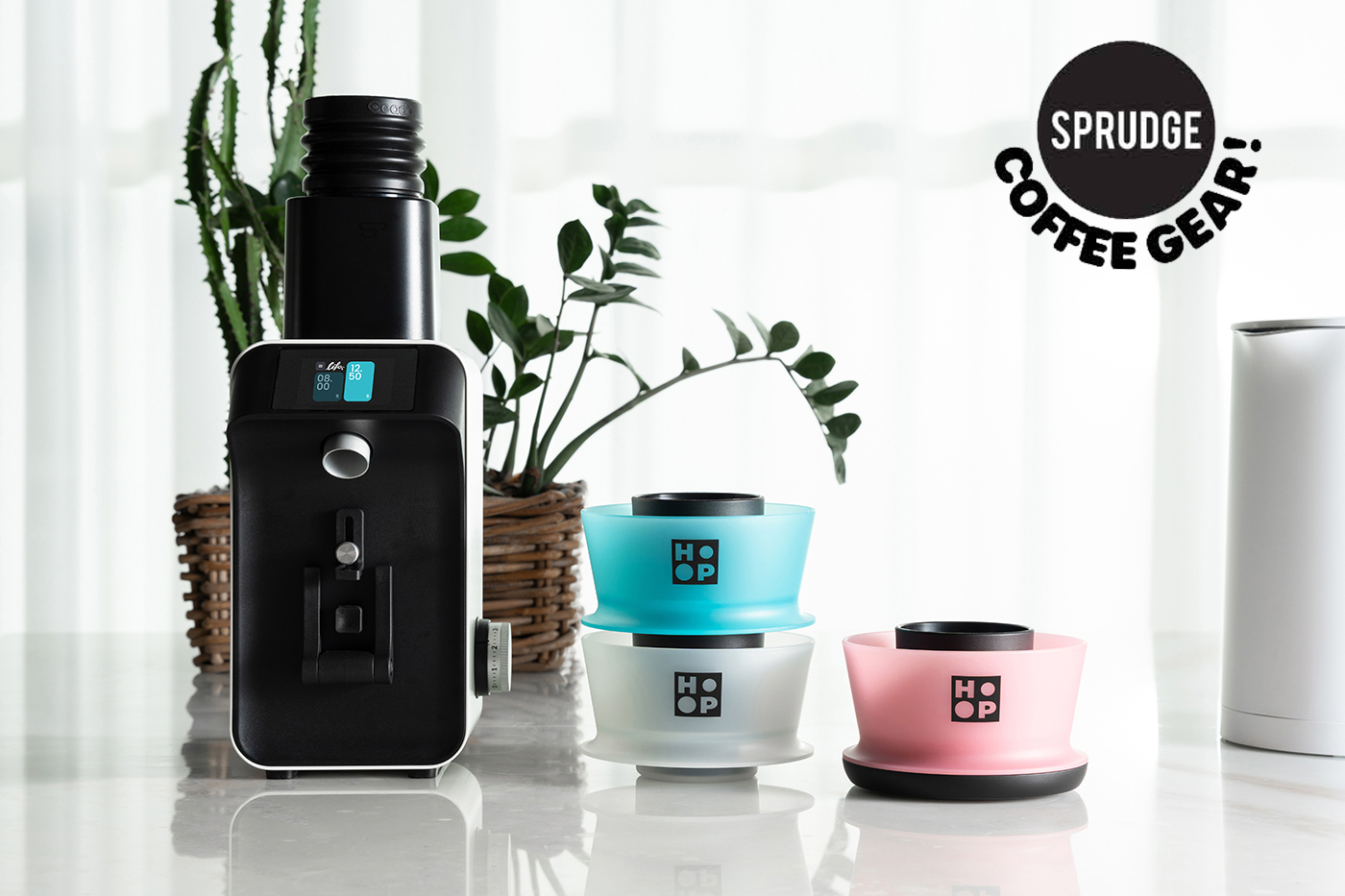
Despite the rise of digital tools, manual brewing remains a primary area of innovation. The Ceado Hoop and the Verve Dwell Dripper represent two different approaches to simplifying the pour-over process while maintaining high standards of quality. The Ceado Hoop utilizes a patented radial infusion system that ensures even water distribution through the coffee bed, reducing the reliance on the user’s pouring technique. This "accessible flavor design" aims to democratize high-quality brewing.

In contrast, the Dwell Dripper, designed by Verve Coffee, focuses on a bottomless design and material science. Constructed from BPA-free silicone, the brewer is designed for thermal stability and ease of use. The inclusion of aesthetic options, such as various colorways, reflects the growing importance of lifestyle integration in coffee gear. These products indicate that manufacturers are seeking ways to make specialty coffee more approachable without sacrificing the nuances of the craft.

The Professionalization of the Domestic Kitchen
The "home-espresso" movement continues to be dominated by legacy brands that are successfully miniaturizing commercial technology. The La Marzocco Linea Micra is the definitive example of this trend. Launched as a more compact alternative to the Linea Mini, the Micra retains the dual-boiler system, PID temperature control, and build quality of La Marzocco’s commercial machines.
The success of the Linea Micra underscores a significant market shift: consumers are increasingly willing to invest in "heritage" brands that offer a direct link to the professional world of Florentine espresso. This machine has become a benchmark for the industry, answering the growing demand for cafe-quality results within the footprint of a standard kitchen.
Supporting Infrastructure: Steam and Accessories
The 2026 showcase also highlights the importance of supporting equipment in the coffee ecosystem. The Flair Wizard, a stovetop milk steamer, addresses a common pain point for manual espresso users: the lack of high-quality steam. By providing professional-grade steam on a standard stovetop, the Wizard allows for the creation of latte art and textured milk drinks without the need for a full-sized espresso machine.
In the realm of latte art, the Slow Pour Supply Kimera introduces a tri-spout, handleless pitcher design. This tool, featuring various spout shapes for different styles of pouring, reflects the highly technical nature of modern milk aesthetics. Furthermore, the MiiR Camp Cup illustrates the industry’s commitment to sustainability and durability. Using vacuum insulation and responsibly sourced materials, MiiR products emphasize the "everyday ritual" of coffee, blending functional outdoor gear with specialty coffee standards.
Industry Chronology: From Extraction to Experience
To understand the significance of the 2026 Coffee Gear initiative, it is necessary to view it within the timeline of industry evolution:

- 2015: The launch of the La Marzocco Linea Mini creates a new category for high-end home espresso.
- 2018-2020: The rise of smart scales and Bluetooth-connected grinders begins to standardize data collection.
- 2023: The release of the Linea Micra and the DiFluid refractometers signals a shift toward compact, high-precision tools.
- 2025: Manufacturers begin focusing on atmospheric control and variety-specific burr geometries.
- 2026: The formalization of curated gear showcases like the Sprudge initiative provides a centralized narrative for rapid technological growth.
Market Implications and Future Outlook
The diversification of coffee gear in 2026 has several broader implications for the industry. First, the barrier to entry for professional-level brewing is lowering in terms of ease-of-use, even if price points remain premium. Automated infusion systems and data-syncing scales allow novices to achieve results that previously required years of training.

Second, the emphasis on sustainability and durability—seen in the Miir and Verve products—suggests that the industry is reacting to consumer concerns regarding environmental impact. Manufacturers are moving away from disposable or low-quality plastics in favor of long-lasting metals and high-grade silicones.

Finally, the 2026 initiative highlights the role of "community-driven" innovation. Many of the featured products are the result of collaborations between engineers and world-class baristas. This synergy ensures that new gear is not just technologically advanced, but also practically relevant to the workflow of a modern coffee bar or home station. As the year progresses, the Coffee Gear program is expected to continue its role as a primary barometer for the health and creativity of the global specialty coffee equipment market.