rifanmuazin
The precise timing of content dissemination remains a paramount, albeit often underestimated, factor in the success of digital communication. While the landscape of social media platforms, particularly X (formerly Twitter), has undergone significant transformations with the advent of sophisticated algorithms, new comprehensive research underscores that the clock still plays a decisive role in maximizing audience engagement. A recent analysis by Buffer, scrutinizing an impressive dataset of over 8.7 million tweets, reveals distinct patterns, indicating that strategic timing can profoundly influence a post’s reach and interaction metrics. Far from being an outdated relic of chronological feeds, posting at empirically identified peak times continues to be a crucial component of an effective social media marketing strategy.
Unpacking the Data: A Deep Dive into 8.7 Million Tweets
Buffer’s extensive study employed engagement rate as its primary metric for success, a critical choice given that modern social media algorithms heavily prioritize content that elicits reactions such as likes, comments, and retweets. These interactions signal to the algorithm that content is valuable and worthy of broader distribution within user feeds. By meticulously analyzing millions of tweets sent through its platform, Buffer’s data scientists identified clear, statistically significant correlations between specific posting times and elevated engagement levels. This robust methodology lends considerable weight to the findings, providing actionable insights for individuals, brands, and marketers striving to optimize their presence on X. A notable aspect of this research is its universal applicability: the recommended times have been mathematically normalized, meaning a 9 a.m. recommendation holds true for any local time zone globally, eliminating the need for complex conversions.
Key Findings: Pinpointing Peak Engagement
The analysis definitively identified Tuesday at 9 a.m. local time as the single best moment to post on X for the highest engagement rates. This specific slot emerged as the top performer across the entire dataset. Following closely, Wednesday at 10 a.m. and Wednesday at 9 a.m. secured the second and third positions, respectively, highlighting a strong midweek morning preference among the platform’s user base.
These findings suggest a consistent daily rhythm in user activity, with engagement typically commencing in the early morning, reaching its zenith around 9 a.m. to 10 a.m. on most weekdays, and gradually tapering off as the afternoon progresses. This pattern is likely influenced by the demographic profile of X users. According to Statista, a substantial portion of the platform’s global audience falls within key working age groups: 37.5% are between 25 and 34, and 32.1% are between 18 and 24. This demographic composition strongly implies that users are often checking their feeds as they start their workdays, during morning commutes, or as they settle into their routines.
Daily Rhythms: Optimal Posting Across the Week
While Tuesday morning stands out, the study provides a granular breakdown of optimal posting windows for each day, revealing subtle yet important shifts in audience behavior.
-
Monday: Kicking Off the Week
The start of the work week sees users engaging early. The best time to post on Monday is 9 a.m., with 10 a.m. and 8 a.m. also showing strong performance. This reflects users catching up on news and social updates before fully immersing themselves in work tasks. -
Tuesday: Peak Performance
As identified as the overall best day, Tuesday’s peak is at 9 a.m., followed by 10 a.m. and 11 a.m. This suggests users are fully engaged and actively seeking content, having settled into their weekly routines. -
Wednesday: Midweek Momentum
Wednesday experiences a slight shift, with 10 a.m. taking the top spot, followed by 9 a.m. and 11 a.m. This midweek window often provides a moment for users to break from intense work, leading to increased social media activity. Wednesday also stands out as the best day overall for engagement.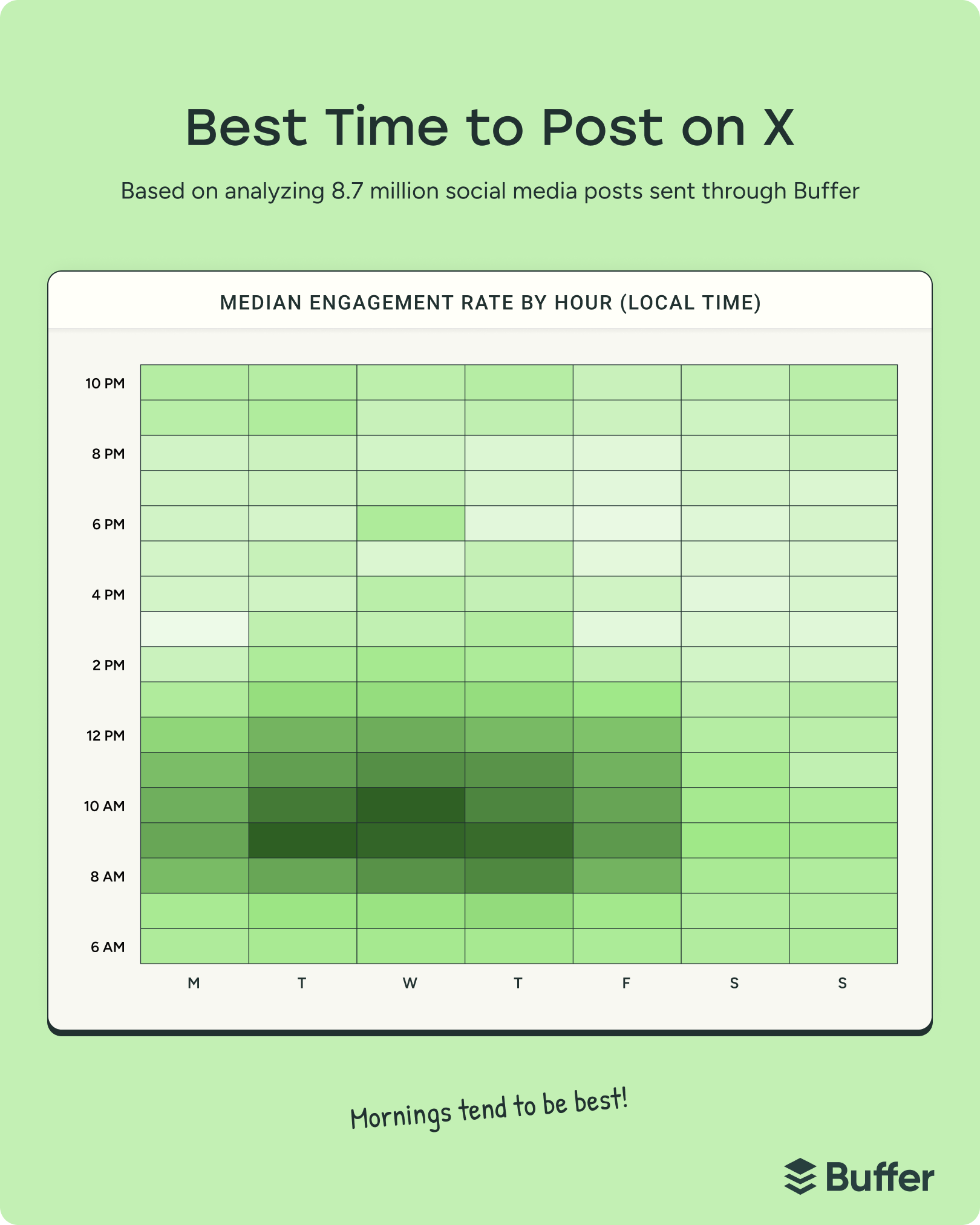
-
Thursday: Sustained Engagement
Engagement remains robust on Thursday, with 9 a.m. as the optimal time, and 10 a.m. and 8 a.m. also performing well. Users continue to seek updates and participate in trending conversations as the week progresses towards its close. -
Friday: Winding Down
While still favoring morning hours (9 a.m., 10 a.m., 11 a.m.), Friday generally exhibits lower overall engagement compared to earlier in the week. Users are likely shifting their focus towards weekend plans, making it a comparatively weaker day for posting high-stakes content. -
Weekend Patterns: Saturday and Sunday Insights
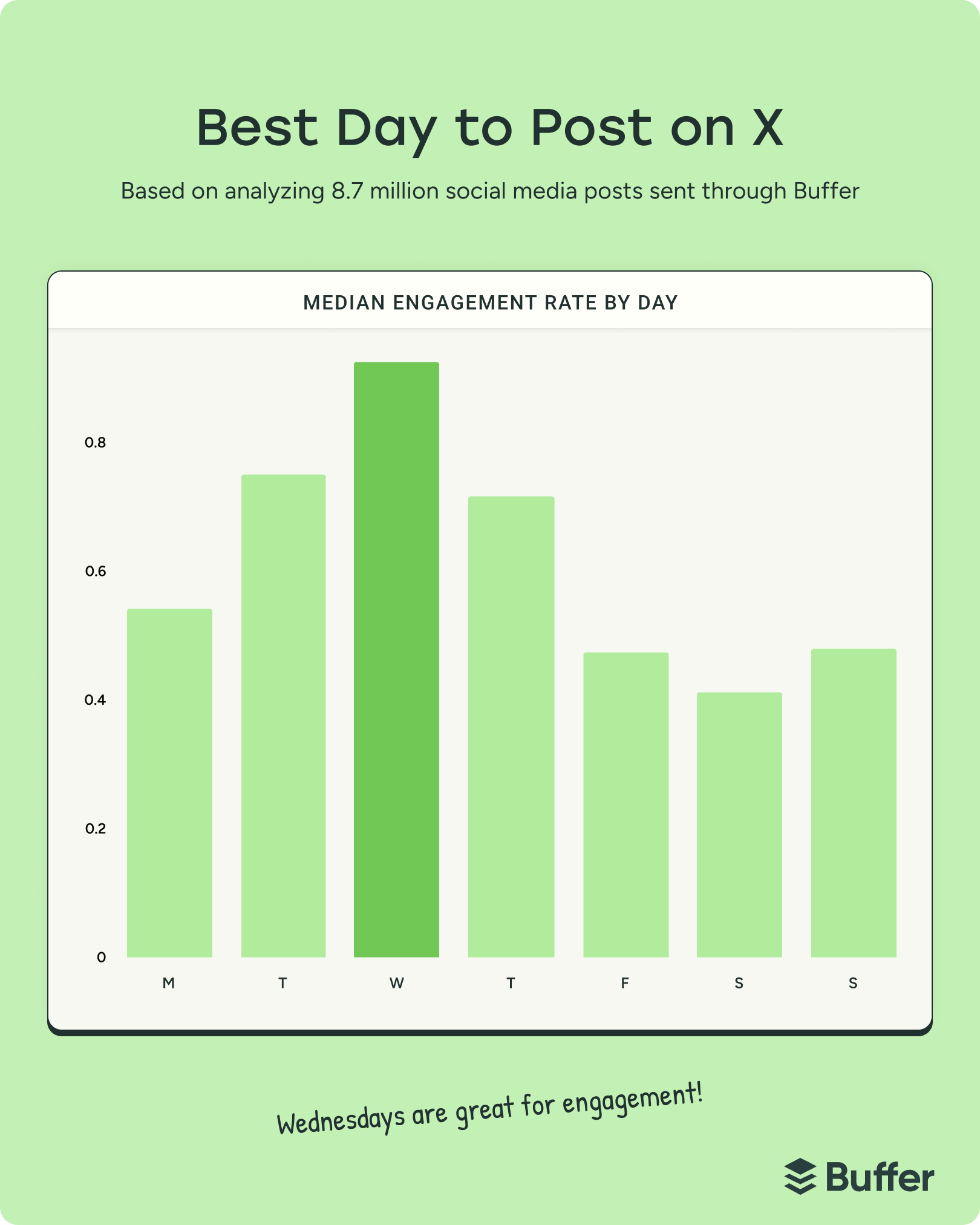
Weekends consistently show significantly lower engagement levels. On both Saturday and Sunday, the morning hours of 9 a.m., 10 a.m., and 11 a.m. still represent the best windows, but the overall volume of interaction is considerably reduced. In fact, Saturday is identified as the worst day to post, with Friday closely behind. This suggests that content creators should strategically reserve their most impactful posts for weekdays to maximize visibility and interaction.
The Worst Windows: Times to Avoid
Conversely, the study clearly delineates periods of significantly diminished engagement. The evening hours, specifically between 6 p.m. and 11 p.m. local time, consistently demonstrate the lowest engagement rates across all days of the week. These slots are best avoided in any carefully planned content schedule, as content posted during these times is likely to be met with minimal audience interaction. The weekend, particularly Saturday, also stands out as a period of low overall activity, reinforcing the notion that X is predominantly a weekday engagement platform for many users.
The Algorithm’s Influence: A Historical Perspective on X/Twitter
The importance of timing on X takes on added nuance when considering the platform’s evolution. In its early days, Twitter famously operated on a purely chronological feed, making posting time an immediate and obvious determinant of visibility. If a user wasn’t online when a tweet was published, they likely wouldn’t see it. However, the introduction of algorithmic feeds, a trend seen across most major social media platforms, dramatically altered this dynamic. X’s algorithm, like others, now prioritizes content based on a multitude of factors, including user interests, past interactions, and the perceived relevance and recency of a post.
Despite this shift, timing has not become irrelevant. Instead, its role has evolved. The algorithm’s primary goal is to keep users engaged. Therefore, when content is posted at a time when a larger segment of the target audience is active, it has a higher chance of generating initial engagement (likes, comments, retweets). This initial burst of interaction serves as a powerful signal to the algorithm, indicating that the content is resonating with users. The algorithm then interprets this as a cue to amplify the post’s reach, pushing it into more feeds even if those users weren’t online at the exact moment of publication. In essence, optimal timing provides a crucial "head start" for content in the algorithmic race for visibility.
Strategic Imperatives for Marketers: Translating Data into Action
For social media marketers, content creators, and businesses, these findings are invaluable. While the general best times provide an excellent starting point, a truly effective strategy necessitates a personalized approach. Every target audience is unique, and their online behavior may deviate from general trends. Therefore, the recommended times should serve as a hypothesis to be tested, refined, and customized.
Marketers should integrate these insights into their content calendars, scheduling posts during the identified high-engagement windows. However, this must be coupled with rigorous A/B testing and continuous performance monitoring. Tools that offer granular analytics, especially those capable of comparing tweet performance against posting times, become indispensable. By tracking metrics such as engagement rate, impressions, and click-through rates for posts published at different times, organizations can discern what specifically resonates with their unique audience. This data-driven iterative process allows for the fine-tuning of a social media strategy, moving beyond generalized recommendations to highly optimized, audience-specific timing.
Beyond the Clock: Holistic Strategies for X Success
While timing offers a significant advantage, it is merely one component of a holistic strategy for success on X. Even perfectly timed content will falter without foundational elements of quality and relevance. Industry experts consistently emphasize that content quality remains king. High-performing tweets are typically:
- Valuable and Informative: Offering insights, news, or solutions.
- Engaging and Conversational: Prompting replies and discussions.
- Visually Appealing: Incorporating high-quality images, videos, or GIFs that capture attention.
- Concise and Clear: Adhering to platform limitations while delivering a clear message.
- Consistent in Brand Voice: Maintaining a recognizable and authentic tone.
Furthermore, consistency in posting, active community interaction (responding to comments, participating in trending discussions), and strategic use of relevant hashtags are all critical drivers of organic growth and sustained engagement. For brands seeking accelerated reach, understanding how paid promotion interacts with organic timing strategies can also amplify overall impact, ensuring that advertising spend is deployed when the audience is most receptive.
Leveraging Analytics Tools: The Buffer Advantage
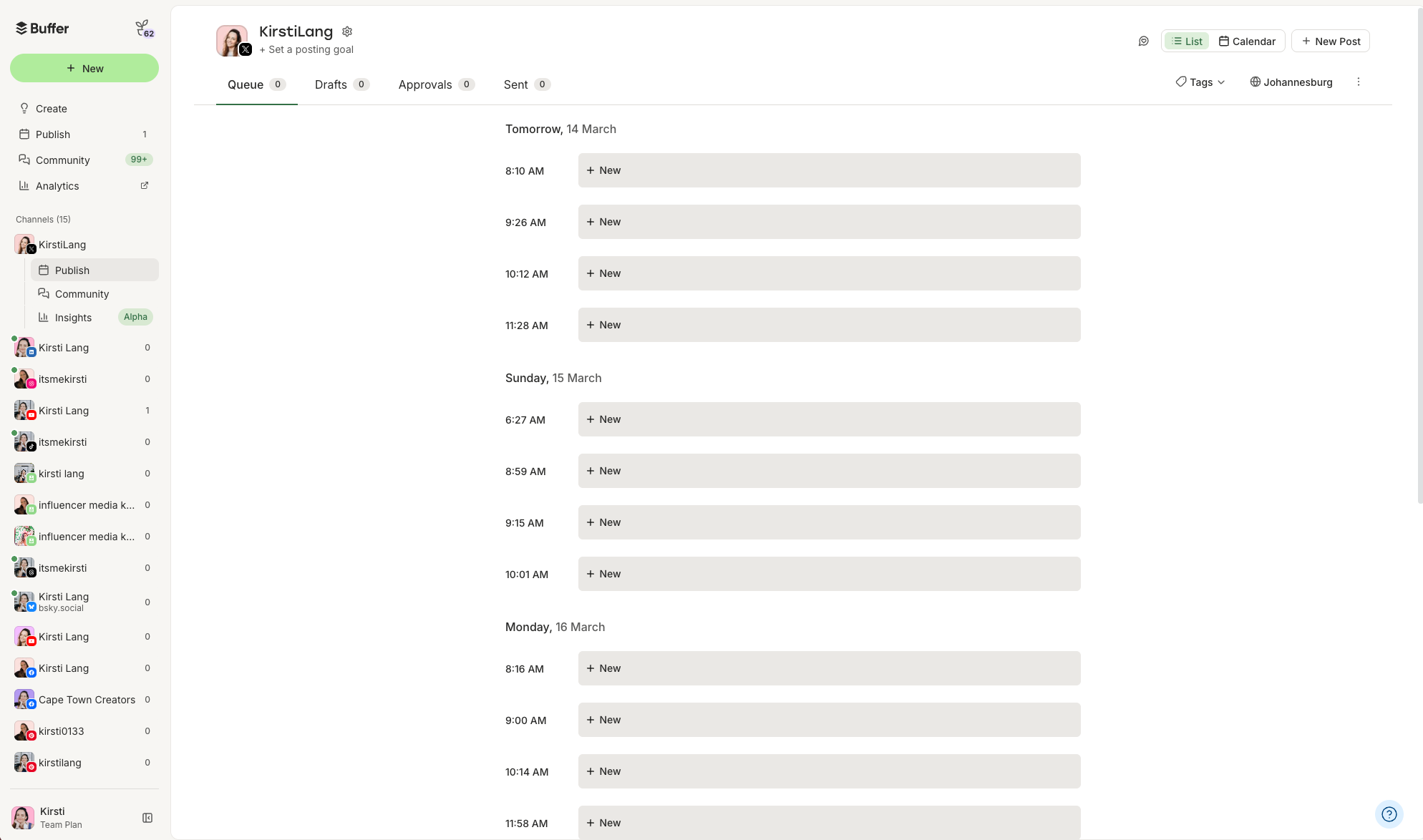
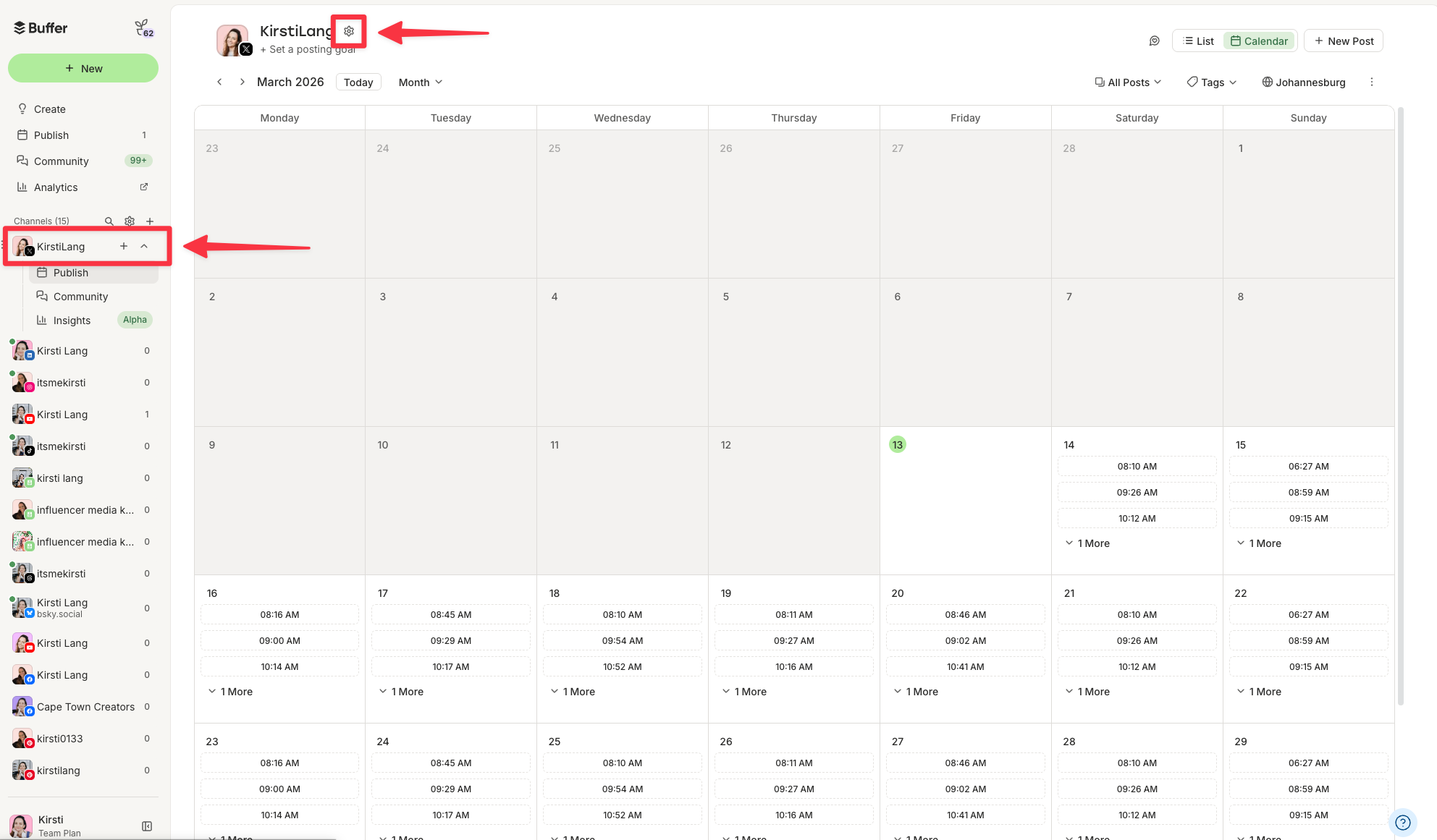
In the current landscape, where X’s native analytics are increasingly behind a paywall (X Premium), third-party social media management tools like Buffer become essential. Such platforms not only facilitate the scheduling of posts at optimal times but also provide crucial analytics to track performance. Buffer’s analytics, for instance, offer insights into which of a user’s tweets performed best, identifying correlations between content types, themes, and publication times. This empowers users to identify their own unique peak engagement windows and tailor their strategy accordingly. The ability to automatically generate posting slots based on recommended times, and then analyze the actual performance against these suggestions, creates a powerful feedback loop for continuous optimization.
Conclusion: Mastering the Art of the Tweet
The recent Buffer study firmly establishes that, even in an algorithmic era, the timing of posts on X (Twitter) continues to significantly influence engagement. The findings — particularly the prominence of weekday mornings, with Tuesday at 9 a.m. leading the pack — offer a robust, data-backed foundation for social media strategies. However, this insight is most powerful when combined with a deep understanding of one’s specific audience, a commitment to high-quality content, and the strategic utilization of analytics tools. By adopting a balanced approach that integrates universal best practices with personalized optimization, content creators and marketers can truly master the art of the tweet, ensuring their messages cut through the digital noise and achieve maximum impact on X.
Frequently Asked Questions (FAQs)
What is the best time to post on X (Twitter) in 2026?
Based on a comprehensive analysis of 8.7 million tweets, the best time to post on X is Tuesday at 9 a.m. local time. Wednesday at 10 a.m. and Wednesday at 9 a.m. are also highly effective, securing the second and third top engagement slots.
What are the best days to post on Twitter?
Wednesday emerges as the highest-performing day for engagement, followed closely by Tuesday and Thursday. These midweek days offer the greatest potential for audience interaction.
What is the worst time to post on Twitter?
The evening hours, specifically between 6 p.m. and 11 p.m. local time, consistently show the lowest engagement rates across all days of the week. Weekends, particularly Saturday, are also generally weak periods for maximizing engagement.
Does Twitter post time matter with an algorithm?
Yes, posting time still matters significantly on X/Twitter, even with an algorithm controlling the feed. Optimal timing provides a crucial initial surge of engagement (likes, comments, retweets) when the target audience is most active. This initial interaction signals to the algorithm that the content is valuable, prompting it to amplify the post’s reach to a wider audience. While content quality and relevance are paramount, strategic timing offers a critical advantage in gaining initial algorithmic traction.
What time zone does this study apply to?
This study’s data is universally applicable. The recommended posting times have been normalized by data scientists, meaning they should be interpreted as local time regardless of your geographical location. For example, if the study recommends 9 a.m., it means 9 a.m. in your specific time zone, whether you are in London, New York, or Mumbai.