Cintya Tara Annisa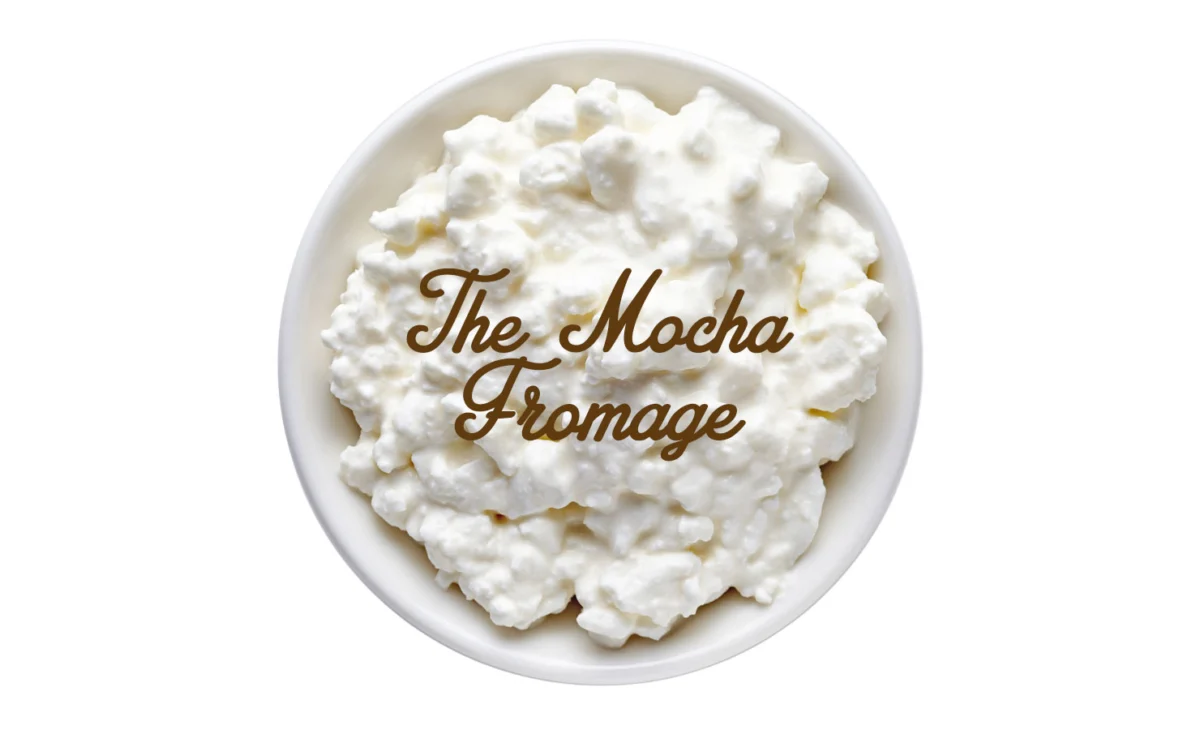
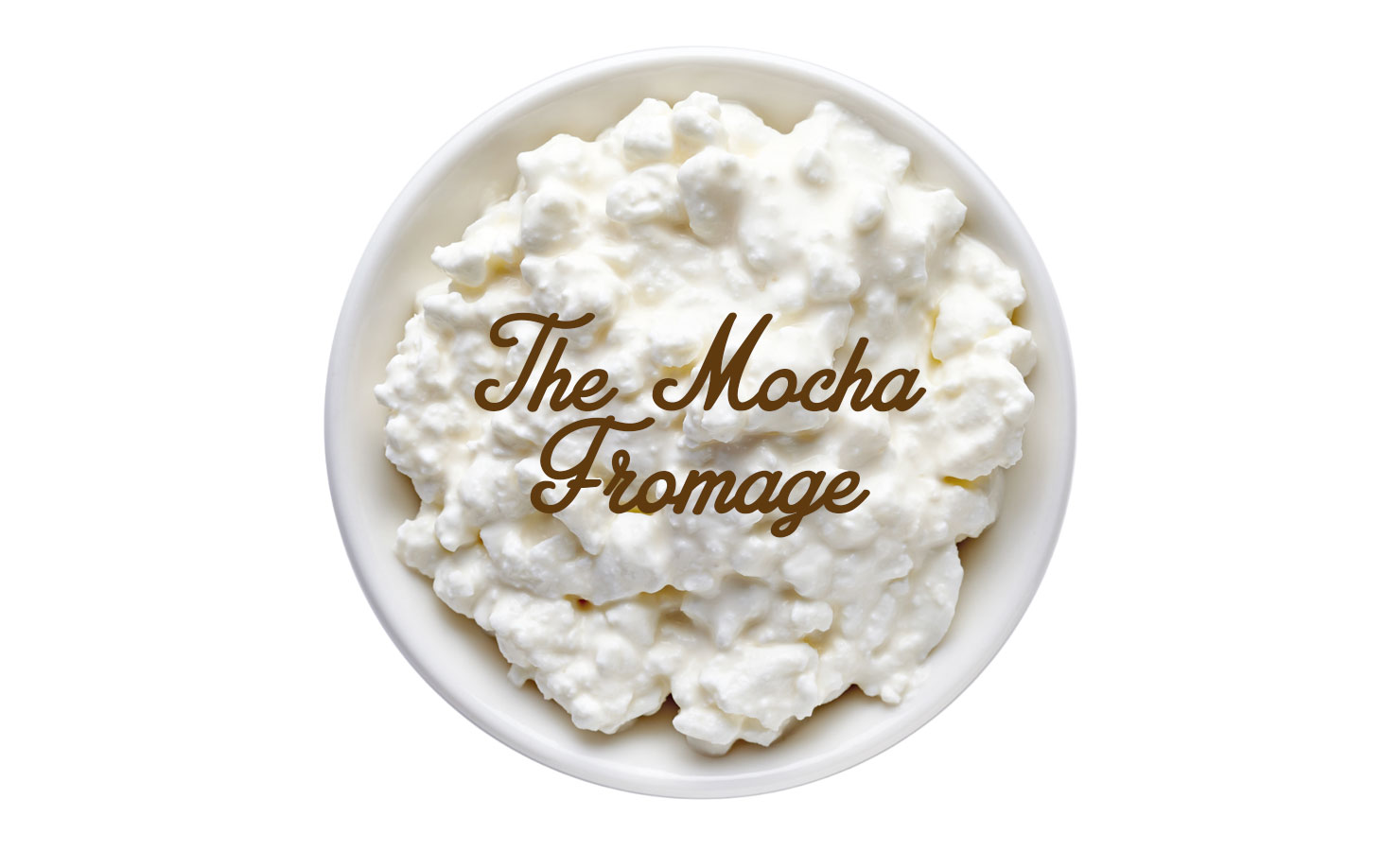
The intersection of functional nutrition and specialty coffee has reached a new milestone with the emergence of protein-enhanced coffee, colloquially known as "proffee." This trend, which has evolved from a niche fitness community hack into a mainstream consumer preference, reflects a broader shift in dietary habits that prioritizes high-protein intake. As food and beverage manufacturers increasingly "fortify" traditional products, the coffee industry has responded with innovative, and sometimes unconventional, ways to integrate macronutrients into the daily caffeine ritual. One of the most recent and discussed iterations of this trend is the "Mocha Fromage," a beverage that utilizes cottage cheese as a primary protein source and texture enhancer.
The Evolution of the Proffee Phenomenon
The current obsession with protein mimics the ubiquity of the low-fat and non-fat dietary crazes of the 1980s and 1990s. During those decades, the food industry focused heavily on the removal of lipids, often replacing them with sugars or synthetic thickeners. In the modern era, the focus has pivoted toward the addition of protein. This shift is driven by a growing public interest in metabolic health, muscle preservation, and satiety.
In the coffee sector, this movement began with the popularity of "Bulletproof" coffee, which emphasized healthy fats. However, as consumer preferences moved toward "counting macros"—the practice of tracking grams of protein, carbohydrates, and fats—the demand for high-protein beverages surged. Initially, this was achieved by mixing ready-to-drink (RTD) protein shakes with cold brew or espresso. Today, the market has matured, with major retailers like Starbucks introducing protein-infused lattes and specialty outlets experimenting with whole-food protein sources.
The digital landscape, particularly platforms like TikTok and Instagram, has accelerated the adoption of these beverages. Viral "hacks" often involve creative ways to hit protein targets without sacrificing the sensory experience of a morning coffee. The Mocha Fromage represents the latest frontier in this development, moving away from processed powders toward whole-food integration.
The Mocha Fromage: A Case Study in Functional Innovation
The Mocha Fromage was introduced during a featured segment of the Coffee Sprudgecast, titled the "Mocha Moment," presented in partnership with Ghirardelli. The drink is designed to be a "count your macros" mocha, balancing the indulgence of high-quality chocolate with the nutritional profile of a dairy-based protein powerhouse: cottage cheese.
While the inclusion of cottage cheese in coffee may initially provoke skepticism among traditionalists, the beverage relies on the culinary principle of emulsification. When blended with milk, cottage cheese loses its characteristic curds and transforms into a thick, frothy, and protein-dense liquid base. This "cheese milk" serves as a substitute for standard dairy or plant-based milks, providing a richer mouthfeel and a significant boost in amino acids.
The Composition and Preparation Process
The Mocha Fromage is built upon a foundation of high-quality ingredients, emphasizing that functional beverages do not need to compromise on flavor. The recipe utilizes the following components:
- 1/2 cup cottage cheese
- 1/2 cup milk (standard dairy)
- 1 tablespoon Ghirardelli Sweet Ground Dark Chocolate and Cocoa Powder
- A double shot of Joe Coffee Waverly Espresso
The preparation requires a multi-step process to ensure the texture meets specialty coffee standards. First, the "cheese milk" base is created by pulsing the cottage cheese and milk in a blender until the mixture is completely smooth. This mixture is then refrigerated to allow air bubbles to dissipate, ensuring a better consistency for steaming.
In the assembly phase, the Ghirardelli chocolate powder is placed in a pre-heated vessel. The espresso is pulled directly over the powder and whisked to create a smooth chocolate-coffee slurry. The cheese milk is then steamed and lightly aerated to a temperature between 140°F and 150°F—the ideal range for maintaining the sweetness of the milk without scalding the proteins. The result is a decadent mocha that offers a unique savory-sweet profile, often compared to a liquid cheesecake or a refined chocolate mousse.
Supporting Data: The Growth of the Functional Coffee Market
The rise of drinks like the Mocha Fromage is supported by significant market data. According to industry reports from Grand View Research, the global functional coffee market was valued at approximately $2.8 billion in 2022 and is expected to expand at a compound annual growth rate (CAGR) of over 8% through 2030.
Several factors contribute to this growth:
- Consumer Demographics: Millennials and Gen Z consumers are the primary drivers of the functional beverage market. These groups are more likely to seek out "multi-purpose" foods that provide energy, nutrition, and convenience simultaneously.
- The Renaissance of Cottage Cheese: Once relegated to the "diet food" category of the 1970s, cottage cheese has seen a massive resurgence. On social media platforms, the hashtag #CottageCheese has garnered billions of views, featuring recipes for cottage cheese ice cream, bread, and now, coffee. Its high casein content makes it a slow-digesting protein source, which is highly valued by the fitness community.
- Specialty Coffee Standards: The involvement of brands like Ghirardelli and Joe Coffee indicates that the "proffee" trend is moving into the specialty tier. No longer just a utilitarian mixture, these drinks are being crafted with attention to origin, roast profile, and cocoa quality.
Chronology of the High-Protein Coffee Movement
To understand the current state of the Mocha Fromage, it is helpful to look at the timeline of coffee fortification over the last decade:
- 2014-2016: The "Bulletproof" era. The focus was on fats (butter and MCT oil) to provide sustained energy. Protein was secondary.
- 2017-2019: The rise of Collagen Peptides. Consumers began adding flavorless collagen powders to hot coffee for skin, hair, and joint benefits.
- 2020-2022: The "Proffee" TikTok explosion. During the pandemic, home baristas began pouring espresso over bottled protein shakes (such as Premier Protein or Fairlife), creating a viral sensation.
- 2023-Present: The Whole-Food Integration phase. Consumers and influencers began moving away from synthetic protein shakes in favor of blending whole foods like Greek yogurt or cottage cheese into their beverages to avoid artificial sweeteners and stabilizers.
Industry Reactions and Professional Perspectives
The reception of the Mocha Fromage within the professional barista community has been one of cautious curiosity. Traditionalists argue that the addition of heavy proteins can mask the delicate flavor notes of high-quality espresso. However, many industry leaders view it as a necessary evolution.
A representative from the specialty coffee sector noted that the "Mocha Fromage" is essentially a modern take on the historical tradition of "Kaffeost"—a Swedish tradition where cubes of cheese (Leipäjuusto) are dipped into or placed at the bottom of a coffee cup. By blending the cheese into the milk, the Mocha Fromage updates this tradition for a modern, texture-focused audience.
Health and nutrition professionals have also weighed in on the trend. Dietitians generally support the shift toward whole-food protein sources over highly processed powders. The use of cottage cheese provides not only protein but also calcium, phosphorus, and B vitamins, making the morning coffee a more substantial part of a balanced diet.
Broader Implications for the Beverage Industry
The success of protein-packed mochas suggests that the boundary between "meal" and "beverage" is continuing to blur. For the coffee industry, this presents both a challenge and an opportunity. Cafes may need to invest in high-powered blenders and different refrigeration protocols to handle ingredients like cottage cheese, which have a shorter shelf life and different handling requirements than traditional milk.
Furthermore, the "Mocha Fromage" trend highlights the power of sponsorship and brand integration in the specialty coffee world. The collaboration between media entities like the Coffee Sprudgecast and legacy brands like Ghirardelli shows how the industry can drive consumer behavior through creative recipe development. By framing the drink as a "Mocha Moment," the brands have successfully positioned a potentially polarizing ingredient as a premium, decadent experience.
Future Outlook: Beyond the Fromage
As the functional coffee market continues to evolve, we can expect further experimentation with dairy and plant-based proteins. The Mocha Fromage may be the precursor to a wider range of "savory-sweet" coffee beverages that utilize fermented dairy, nut butters, or even pea-protein emulsions.
The enduring nature of the protein craze suggests that "proffee" is not a fleeting fad but a permanent fixture of the beverage landscape. As long as consumers continue to prioritize macronutrient efficiency and metabolic health, the coffee industry will continue to find innovative ways to "inject" protein into the world’s most popular caffeinated beverage. Whether it is through the use of cottage cheese or the next viral superfood, the evolution of the mocha remains a testament to the versatility of coffee as a medium for both culinary art and nutritional science.