 Reynand Holland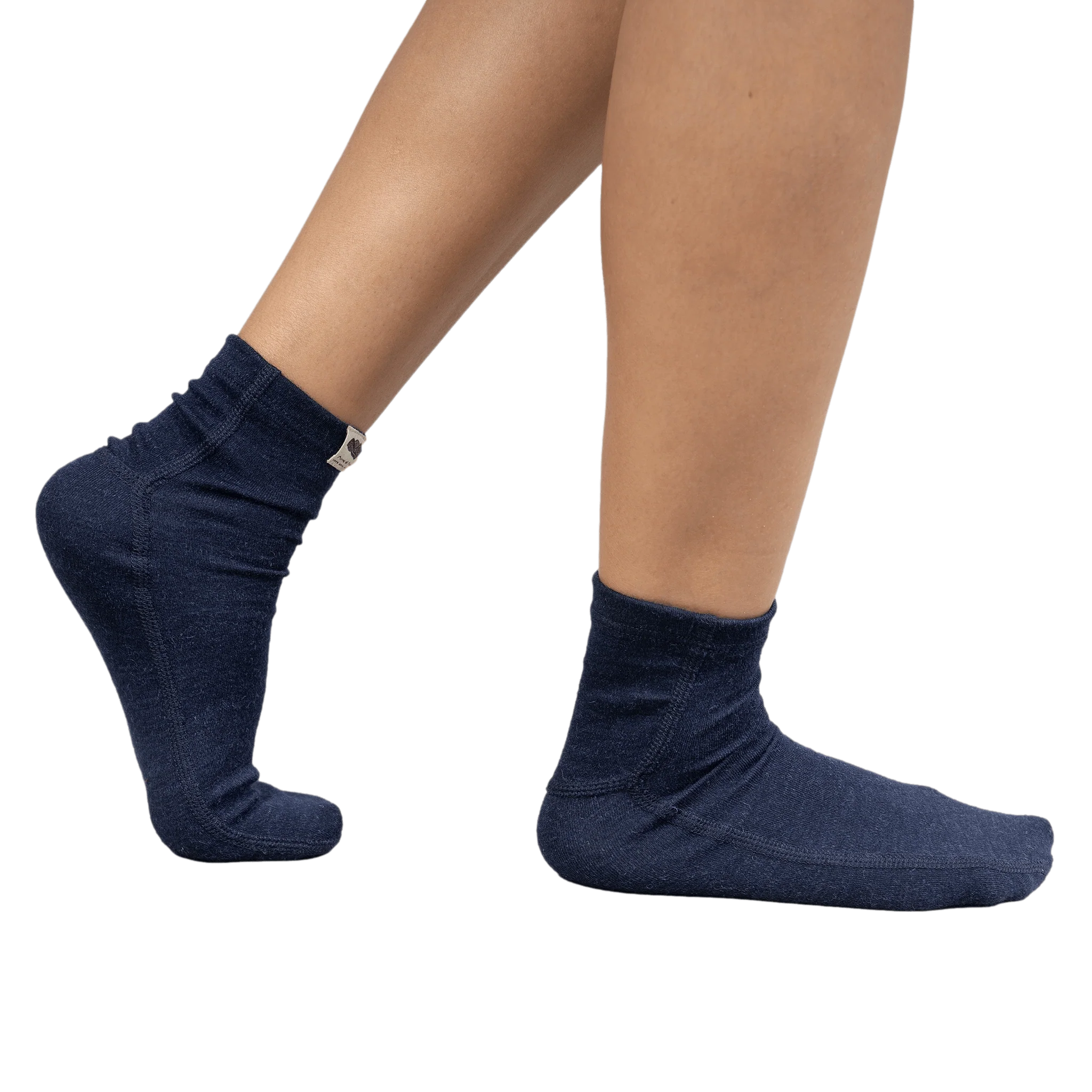
Socks, often an afterthought in wardrobe choices, play a more significant role in daily comfort and well-being than many realize. The synthetic materials and dyes commonly found in conventional socks can lead to discomfort, skin irritation, and pose potential health risks. As awareness grows around the impact of everyday products on both personal health and environmental sustainability, consumers are increasingly seeking alternatives that prioritize natural fibers, safe dyes, and ethical production. This shift is particularly relevant for socks, a garment in direct, prolonged contact with the skin, especially during periods of perspiration.
The Unseen Threats Lurking in Your Sock Drawer
The pervasive use of synthetic materials like polyester in sock manufacturing presents a multi-faceted problem. Beyond their tendency to trap odors and create a less-than-fresh environment for feet, the chemical processes involved in their dyeing and finishing can introduce harmful substances. Specifically, azo-benzene disperse dyes, frequently employed on polyester fabrics, are recognized as skin sensitizers. Scientific research, including studies published in peer-reviewed journals, has highlighted the potential for these dyes to cause allergic contact dermatitis in susceptible individuals. Furthermore, a more concerning aspect is their potential carcinogenic properties when absorbed through the skin. This absorption is exacerbated by factors like sweat, which can increase the permeability of the skin and accelerate the migration of chemicals from the fabric into the bloodstream.
The International Agency for Research on Cancer (IARC) classifies certain azo dyes as probable or possible human carcinogens, underscoring the importance of scrutinizing the chemical composition of any textile that comes into intimate contact with the body. While socks might seem like a minor component of daily attire, their constant presence and interaction with the skin, particularly when worn for extended periods or during physical activity, warrant a closer examination of their safety profile. The cumulative effect of daily exposure to these chemicals, even at low levels, is a growing concern for public health advocates and dermatologists.
A Growing Demand for Healthier and More Sustainable Footwear
The growing concern over the health implications of synthetic socks has spurred a burgeoning market for alternatives that prioritize natural materials and non-toxic dyes. This movement is driven by consumers who are actively seeking products that align with their values of personal well-being and environmental responsibility. The availability of certifications and transparent labeling practices has empowered consumers to make more informed choices.
Key considerations for consumers looking to transition to safer sock options include:
- Natural Materials: Prioritizing socks made from 100% natural fibers is paramount for individuals with sensitive skin or those seeking to minimize synthetic exposure. While finding socks entirely free of synthetics can be challenging due to the need for elasticity, brands are increasingly innovating to offer minimal or no synthetic content.
- Non-Toxic Dyes and Finishes: The absence of hazardous chemicals in the dyeing and finishing processes is crucial. Certifications like Oeko-Tex and bluesign serve as indicators of products that have been tested for harmful substances.
- Ethical and Transparent Supply Chains: Consumers are increasingly interested in the origins of their products, seeking brands that demonstrate transparency in their manufacturing processes and ensure fair labor practices. Certifications like Fair Trade and B Corp provide assurance in this regard.
- Sustainable Packaging: The environmental impact of packaging is another factor influencing purchasing decisions. Brands that opt for compostable, biodegradable, or recycled and recyclable materials are favored by eco-conscious consumers.
Leading the Charge: Brands Championing Health and Sustainability
Several brands are at the forefront of this movement, offering a range of socks that meet the criteria for natural materials, non-toxic dyes, and ethical production. These companies are not only addressing consumer demand but also contributing to a more sustainable and health-conscious textile industry.
1. Harvest & Mill: The Epitome of Dye-Free Organic Cotton
Harvest & Mill stands out for its commitment to producing dye-free organic cotton socks grown, spun, and knit entirely in the United States. This domestic production model significantly shortens the supply chain, reducing transportation emissions and supporting local economies. The brand’s dedication to sustainability extends to its use of compostable packaging and a policy of repurposing or recycling all fabric scraps.
What we love: Harvest & Mill’s socks are a testament to the beauty of natural fibers. The dye-free approach ensures that the socks are free from any chemical treatments that could potentially irritate sensitive skin. Their natural, unbleached cotton offers a soft and breathable feel, making them ideal for everyday wear. The crew-style socks provide adequate coverage and comfort, without constricting the leg. The brand’s commitment to a closed-loop system, from farm to finished product, exemplifies a truly sustainable manufacturing process.
Our Review: Our sensitive skin tester reported exceptional comfort with Harvest & Mill’s dye-free socks, praising their natural color and cozy texture. The breathability of the cotton was a significant advantage, preventing the typical discomfort associated with synthetic materials. The crew length was found to be practical for various footwear, and the absence of tight elastic cuffs eliminated any pressure points. Despite being made of thick cotton, the socks felt surprisingly lightweight.
Price Range: $11-$12 for single pairs, $33-$66 for packs.
Available in: Most countries.
2. Subset: Innovative Comfort with Organic Cotton and Fair Trade Practices
Formerly known as Knickey, Subset is a Brooklyn-based brand that has carved a niche for itself by offering PFAS-free, Fair Trade, and Oeko-Tex-certified organic cotton socks. Their supply chain begins with organic cotton sourced from a farm in India, where it is then ginned, spun, dyed, and sewn. This integrated approach allows for greater control over the production process and ensures adherence to strict environmental and labor standards.
What we love: Subset’s commitment to Oeko-Tex certification guarantees that their dyes and materials are free from harmful chemicals. The Fair Trade certification ensures that the cotton farmers and garment workers involved in the production process are treated ethically and compensated fairly. Their focus on PFAS-free materials aligns with a broader movement to eliminate harmful "forever chemicals" from consumer products.
Our Review: Our sensitive skin tester noted that Subset’s socks were surprisingly thin, suggesting they might be better suited for warmer weather or pairing with close-fitting shoes. While not an immediate favorite for everyday wear, the tester acknowledged their potential as a "dressier" sock option. Importantly, the embedded elastic in the cuffs did not cause any skin irritation, indicating thoughtful design for sensitive individuals.
Watch out for: Subset’s socks contain approximately 24% synthetics, which may be a consideration for individuals with extreme sensitivities.
Price Range: $12 per pair.
Available in: The U.S., Australia, Canada, and most European countries.
3. Paka: Luxurious Alpaca Wool Meets Sustainable Innovation
Paka, a certified B Corp, is redefining the sock market with its durable yet lightweight socks crafted from a blend of alpaca wool and Tencel. Alpaca wool is renowned for its natural odor-resistance and moisture-wicking properties, making it an excellent choice for active wear and everyday comfort. The socks are dyed using Oeko-Tex-certified dyes and spun by skilled artisans in Peru, supporting traditional craftsmanship and local economies. Paka further demonstrates its commitment to sustainability through its use of biodegradable and compostable packaging.
What we love: The combination of alpaca wool and Tencel creates a sock that is both luxurious and highly functional. Alpaca wool’s inherent properties minimize the need for frequent washing, contributing to water conservation. Tencel, a biodegradable fiber derived from wood pulp, adds softness and breathability to the blend. The brand’s B Corp certification signifies a commitment to social and environmental performance, accountability, and transparency.
Our Review: Our sensitive skin tester expressed immense satisfaction with Paka’s alpaca wool socks, finding them exceptionally warm and comfortable, even in harsh winter conditions. The socks were praised for their ability to keep chronically cold feet warm. While a slight itchiness was noted after prolonged wear, it was attributed to the natural texture of alpaca wool rather than an allergic reaction. These socks are highly recommended for individuals living in colder climates or those who enjoy winter outdoor activities.
Watch out for: Paka’s socks may contain up to 50% recycled synthetics, a factor to consider for those with severe sensitivities.
Price Range: $20-$24 for single pairs, $48-$96 for bundles.
Available in: Worldwide.
4. Arms of Andes: The Purity of 100% Alpaca Fiber
Arms of Andes distinguishes itself by offering some of the few socks available on the market that are entirely free of synthetic materials. Their 100% alpaca fiber slipper socks are sourced from free-range alpacas, ensuring animal welfare and sustainable land management. These Oeko-Tex-certified socks are designed to be lightweight yet well-insulated, offering a soft and moisture-wicking experience. The brand collaborates closely with co-op farmers in the Andes, overseeing the entire garment creation process from sourcing to sewing, and utilizes compostable packaging for its shipments.
What we love: The complete absence of synthetics in Arms of Andes’ socks makes them an exceptional choice for individuals with the most sensitive skin or those seeking to eliminate all synthetic fibers from their wardrobe. The ethical sourcing of alpaca fiber and the close relationship with Andean farming communities highlight the brand’s commitment to both social and environmental responsibility.
Price Range: $20-$25 for single pairs, $65 for packs.
Available in: The U.S., the EU, and the UK.
5. Cottonique: Hypoallergenic and Synthetic-Free Apparel
Cottonique has made it its mission to provide completely synthetic-free socks, specializing in 100% cotton allergy-free apparel. Their socks are meticulously crafted to be latex-free, bleach-free, and hypoallergenic, with covered seams to prevent irritation. The brand collaborates with dermatologists to ensure the safety and efficacy of its products for sensitive skin. Cottonique sources its organic cotton from farms in India, manufactures in the Philippines, and utilizes compostable packaging, further solidifying its commitment to sustainable and healthy living.
What we love: Cottonique’s unwavering dedication to synthetic-free production sets them apart. For individuals who experience reactions to even the smallest amounts of synthetic fibers, Cottonique offers a reliable and safe solution. The focus on hypoallergenic properties and dermatologist collaboration instills confidence in the product’s suitability for compromised skin.
Price Range: $16 for single pairs of thigh highs, $16-$21 for packs.
Available in: Most countries.
6. Boody: Sustainable Bamboo Viscose for Everyday Comfort
Boody, a Sydney-based brand, offers a versatile range of socks made from Oeko-Tex-certified organic bamboo viscose. Bamboo viscose is a popular choice for its softness, breathability, and moisture-wicking capabilities. Boody also incorporates organic cotton and recycled nylon into its sock collections, catering to various needs from relaxation to active pursuits. The brand adheres to a strict code of conduct and partners with WRAP-certified facilities in China, Vietnam, and India, ensuring ethical labor practices throughout its supply chain.
What we love: The use of organic bamboo viscose provides a silky-smooth feel and excellent temperature regulation. Boody’s commitment to WRAP certification demonstrates their dedication to ensuring safe, lawful, and humane working conditions for all employees involved in their manufacturing process.
Price Range: $9.95-$17.95 for singles, $54 for bundles.
Available in: The U.S. and Canada.
7. Kotn: Direct Trade and Traceable Organic Cotton
Kotn, a certified B Corp, champions direct trade relationships with local Egyptian cotton farmers, ensuring fair prices and fostering long-term partnerships. Their socks are made from organic cotton and dyed with Oeko-Tex-certified dyes, guaranteeing both quality and safety. Kotn’s commitment to transparency is evident in its fully traceable supply chain and its use of recycled and recyclable packaging, further minimizing its environmental footprint.
What we love: The direct trade model employed by Kotn not only benefits farmers but also ensures a higher quality of cotton. The complete traceability of their supply chain provides consumers with unparalleled insight into the product’s journey from farm to their feet.
Watch out for: Some Kotn sock pairs may contain up to 20% synthetics.
Our Review: These socks have been described as fantastic, offering both a comfortable feel and a professional appearance that complements outfits well.
Price Range: $10-$18 for single pairs.
Available in: Most countries.
8. Quinn: Designed for Eczema, Crafted for Durability
Quinn specializes in garments designed for individuals with eczema, with a focus on durability and comfort. Their selection of organic cotton non-toxic socks includes dye-free, lightweight, and mid-weight options. Designed in Canada and ethically produced in Oeko-Tex-certified factories in Portugal and Sri Lanka, Quinn prioritizes both quality and ethical manufacturing.
What we love: Quinn’s explicit focus on eczema-prone skin means their products are rigorously tested for gentleness and potential irritants. The use of Oeko-Tex-certified factories assures that harmful chemicals are not used in the manufacturing process.
Watch out for: While their cotton is GOTS-certified, the exact sourcing location is not always specified. Some pairs may contain up to 20% synthetics.
Our Review: Tested for both undyed cotton ankle socks and mid-weight merino wool options, Quinn’s socks were found to be exceptionally comfortable and breathable. The ankle socks, while comfortable, had a tendency to slide down. The merino wool socks, however, featured a notably thick heel, providing excellent warmth and coziness for both hiking and lounging.
Price Range: $15 for singles up to $75 for packs.
Available in: Most countries.
9. Cariloha: Hypoallergenic Bamboo Viscose and Organic Cotton
Cariloha, a certified B Corp, offers hypoallergenic socks crafted from a blend of bamboo viscose and organic cotton. Their Oeko-Tex and Fair Trade-certified bamboo is sourced from China, and they utilize FSC-certified paper packaging, demonstrating a commitment to responsible forestry practices.
What we love: The combination of bamboo viscose and organic cotton offers a soft, breathable, and hypoallergenic experience. Cariloha’s B Corp status underscores their dedication to balancing profit with purpose.
Watch out for: The manufacturing location for Cariloha’s socks is not explicitly stated.
Price Range: $10-$15 for singles, $30-$45 for bundles.
Available in: The U.S., Australia, and Canada.
10. Dedicated: Bold Patterns with Fair Trade Organic Cotton
Dedicated is known for its vibrant and bold patterned socks made from Fair Trade organic cotton. Their cotton suppliers are WRAP-certified, and the brand provides transparency regarding the manufacturing location of each pair on its product pages.
What we love: Dedicated successfully merges style with ethical production. The Fair Trade certification ensures fair labor practices, and the transparency of their supply chain empowers consumers to make informed choices.
Watch out for: Dedicated’s socks contain up to 25% elastane.
Price Range: $9-$59.
Available in: Worldwide.
11. Darn Tough: Durable Merino Wool with Rigorous Testing
Darn Tough, a family-owned business based in Vermont, produces exceptionally durable socks designed for both comfort and longevity. Their socks are made with RWS-certified merino wool, available in a wide array of fun and colorful styles. The brand adheres to Oeko-Tex standards for its materials and conducts regular testing for hazardous substances in accordance with its restricted substances list. Darn Tough also prioritizes sustainability in its packaging, using FSC-certified recycled paper, compostable bags, and vegetable-based inks.
What we love: The use of RWS-certified merino wool ensures that the wool is sourced ethically and responsibly, without the use of mulesing. Darn Tough’s commitment to rigorous chemical testing and sustainable packaging practices further enhances their appeal.
Watch out for: Darn Tough’s socks can contain up to 50% synthetics.
Price Range: $15-$35 for singles, up to $84 for packs.
Available in: The U.S., the UK, and the EU.
12. Nisolo: Upcycled Materials and Living Wage Commitment
Nisolo, a certified B Corp, is renowned for its quality leather goods, but also offers a stylish and comfortable line of socks. These socks are produced in a family-owned mill in North Carolina using a blend of upcycled cotton, linen, wool, and recycled polyester. Nisolo is committed to supply chain transparency and endeavors to pay all individuals in its supply chain a living wage. Their packaging is made from recycled materials.
What we love: The use of upcycled materials by Nisolo is a commendable approach to reducing textile waste. Their commitment to living wages throughout their supply chain reflects a deep-seated ethical responsibility.
Watch out for: Nisolo’s socks can contain up to 70% synthetics.
Price Range: $15-$20 for single pairs.
Available in: The U.S., Australia, Canada, and most European countries.
13. Swedish Stockings: Sustainable Hosiery with Oeko-Tex Certification
Swedish Stockings produces a range of knee-high and ankle socks, from classic to supportive and patterned designs. Manufactured in Italy, their socks utilize Oeko-Tex-certified materials, including bamboo viscose, organic cotton, organic wool, recycled polyester, and virgin and recycled elastane.
What we love: Swedish Stockings’ commitment to Oeko-Tex certification ensures that their products are free from harmful chemicals. Their use of recycled materials in some of their offerings further contributes to their sustainability efforts.
Watch out for: Some of Swedish Stockings’ socks are made entirely from synthetic materials.
Price Range: $19 for ankle sock bundles, $22-$45 for single knee highs, and $50-$90 for knee-high bundles.
Available in: Most countries.
The Broader Implications: Health, Environment, and Conscious Consumption
The shift towards natural fiber and non-toxic dye socks extends beyond personal comfort; it represents a broader movement towards conscious consumption. By choosing products that prioritize health and sustainability, consumers are not only safeguarding their own well-being but also contributing to a more responsible and ethical textile industry. The increased demand for such products incentivizes brands to adopt more sustainable practices, reduce their environmental impact, and ensure fair labor conditions throughout their supply chains.
The prevalence of synthetic materials and potentially harmful dyes in conventional socks highlights a systemic issue within the fast fashion industry. The long-term health consequences of prolonged exposure to chemicals in textiles are still being studied, but the precautionary principle suggests that opting for safer alternatives is a prudent choice. Furthermore, the environmental impact of synthetic textile production, from resource depletion to microplastic pollution, is a significant global concern.
The brands highlighted in this article are not merely offering alternative products; they are pioneers in a movement that advocates for a more holistic approach to fashion. Their success demonstrates that it is possible to create desirable, high-quality products while adhering to stringent ethical and environmental standards. As consumer awareness continues to grow, the demand for socks that are good for both people and the planet is likely to shape the future of the hosiery industry, encouraging wider adoption of sustainable and health-conscious practices. The seemingly small choice of what socks to wear can, in fact, have a significant ripple effect on personal health, environmental well-being, and the evolution of a more responsible global marketplace.