Angie Faith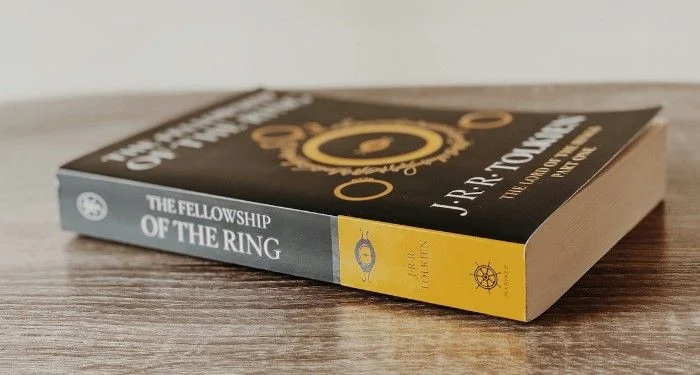
Late-night television host and avowed Tolkien enthusiast, Stephen Colbert, is set to embark on a significant literary endeavor, co-writing a new installment in the Lord of the Rings film franchise. The project, currently operating under the working title Lord of the Rings: Shadow of the Past, will see Colbert collaborate with his son, marking a deeply personal and passionate extension of his lifelong admiration for J.R.R. Tolkien’s seminal works. This collaboration underscores a long-standing connection between Colbert and the world of Middle-earth, a connection that has previously included a cameo appearance in Peter Jackson’s The Hobbit trilogy and a demonstrated proficiency in the Elvish language.
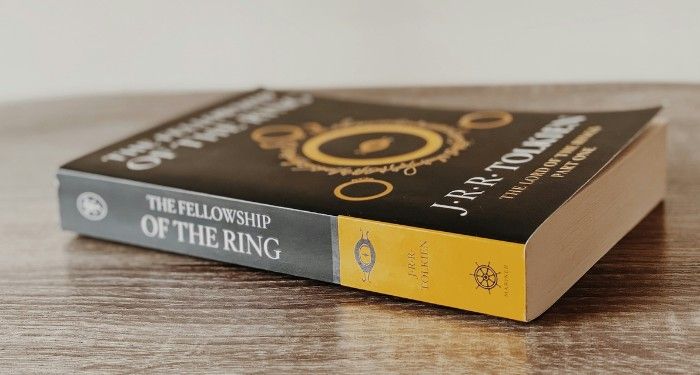
The forthcoming film is slated to draw its narrative inspiration from the lesser-explored, yet critically rich, chapters of Tolkien’s The Fellowship of the Ring. Specifically, the movie will delve into the events of "Fogs on the Barrow-downs," the eighth chapter of the first volume. This segment of the story chronicles the perilous encounter of the hobbits with a Barrow-wight, an ancient and malevolent spirit that traps them in an unnatural, disorienting fog within the treacherous Barrow-downs. A key element of this adaptation will be the reintroduction of the enigmatic and beloved character Tom Bombadil, whose unique nature and significant role in the early stages of Frodo Baggins’s journey were notably absent from previous film adaptations. The scope of the film’s source material will reportedly encompass chapters three through eight of The Fellowship of the Ring, allowing for a comprehensive exploration of this pivotal period in the hobbits’ early adventure.
This new venture into Middle-earth is part of a broader expansion of the Lord of the Rings cinematic universe, with Lord of the Rings: The Hunt for Gollum also in active development. Directed by Andy Serkis, who famously portrayed Gollum, and written by a team including Phoebe Gittins and Arty Papageorgiou, this film is scheduled for release on December 17, 2027. The announcement of Colbert’s involvement, therefore, places Lord of the Rings: Shadow of the Past on a distinct but complementary timeline within the unfolding saga of Middle-earth films.
The genesis of Colbert’s deep engagement with Tolkien’s legendarium dates back decades. His passion for the intricate lore, languages, and philosophical underpinnings of Middle-earth has been a recurring theme in his public persona. This dedication has not gone unnoticed by key figures within the film adaptations. Director Peter Jackson himself has publicly declared Colbert to be "the biggest Tolkien geek he had ever met," a testament to the depth and authenticity of his fandom. This established rapport and recognized expertise undoubtedly contributed to his invitation to contribute creatively to the new film.
The decision to focus on "Fogs on the Barrow-downs" and the character of Tom Bombadil represents a significant narrative choice. While the main thrust of The Fellowship of the Ring film trilogy centered on the Ringbearer’s quest to destroy the One Ring, the Barrow-downs episode offers a distinct, almost fairytale-like, encounter that explores themes of ancient power, peril, and the nature of good and evil in a more localized and immediate fashion. Tom Bombadil, a character who remains deliberately outside the primary conflicts of the Ring and Sauron, presents a unique challenge and opportunity for filmmakers. His immunity to the Ring’s power and his enigmatic, seemingly ageless existence have long fascinated readers, and his inclusion suggests a desire to explore different facets of Tolkien’s creation.
The reported timeline for Lord of the Rings: Shadow of the Past has not yet been officially disclosed, but its development follows the announcement of The Hunt for Gollum, indicating a sustained commitment from the studios to explore various corners of Tolkien’s world. The strategic decision to adapt these specific chapters suggests an aim to provide a more intimate and perhaps even character-driven narrative, distinct from the grand, sweeping epics of the earlier films. This approach could potentially appeal to a new generation of viewers while satisfying the intricate expectations of long-time Tolkien scholars.
The broader implications of Stephen Colbert’s involvement extend beyond his personal fandom. As a highly influential and popular media personality, his participation is likely to generate considerable mainstream interest in The Lord of the Rings, potentially drawing in audiences who may be less familiar with the source material. His comedic background, coupled with his genuine intellectual engagement with Tolkien’s work, suggests a unique blend of humor, reverence, and insightful storytelling could be brought to the project. This fusion has the potential to create a film that is both entertaining and deeply resonant with the spirit of Tolkien’s writing.

The cinematic adaptation of Tolkien’s works has a storied history, beginning with Ralph Bakshi’s animated The Lord of the Rings in 1978, followed by Peter Jackson’s critically acclaimed live-action trilogy from 2001 to 2003, and the subsequent The Hobbit trilogy. Each iteration has faced the challenge of translating the dense, rich, and often philosophical prose of Tolkien into a visual medium. Colbert’s contribution, particularly his deep understanding of the source material, could be instrumental in navigating these complexities and ensuring the fidelity of the adaptation.
The inclusion of Tom Bombadil, in particular, has been a point of discussion among fans for years. His character is often cited as one of the most difficult to integrate into the main narrative due to his detached nature and the seemingly self-contained nature of his subplot. However, his presence offers a unique perspective on the forces at play in Middle-earth and provides a fascinating contrast to the mortal struggles of the hobbits and the wider free peoples. The decision to center a film around this character and the events of the Barrow-downs suggests a willingness to experiment with the established formula and explore the more esoteric elements of Tolkien’s mythology.
The success of the previous Lord of the Rings films, which collectively earned over $6 billion worldwide and garnered numerous accolades, including 17 Academy Awards, has set a high bar for any subsequent productions. The challenge for Lord of the Rings: Shadow of the Past, and indeed for all future Middle-earth films, will be to capture the magic and gravitas that made the original trilogy so beloved, while also forging its own identity and narrative path. Stephen Colbert’s co-writing role, grounded in his profound appreciation for Tolkien’s universe, positions him as a potentially valuable asset in this ambitious undertaking.
The announcement also arrives at a time when the landscape of fantasy cinema and television is experiencing a significant resurgence. With projects like Amazon Prime Video’s The Lord of the Rings: The Rings of Power series, the demand for high-quality, expansive fantasy narratives remains robust. The introduction of new films within the established Lord of the Rings cinematic canon, particularly those focusing on previously underexplored aspects of the lore, suggests a long-term strategy to capitalize on the enduring popularity of Tolkien’s world. Colbert’s unique perspective, blending humor and deep knowledge, could be precisely what is needed to offer a fresh and engaging take on this beloved fantasy realm.

Furthermore, the collaborative nature of this project, involving Colbert and his son, adds a layer of familial dedication to the endeavor. This personal connection may translate into a more intimate and emotionally resonant film, one that is crafted with a deep sense of care and respect for the source material. The elder Colbert’s established career in comedy and commentary, combined with his scholarly approach to Tolkien, promises an intriguing juxtaposition of tones and perspectives, potentially resulting in a film that is both intellectually stimulating and thoroughly entertaining. The specifics of the scriptwriting process and the exact contributions of each writer will likely remain under wraps until closer to the film’s release, but the anticipation for this unique collaboration is already palpable among fans of both Tolkien and Stephen Colbert.
In addition to the news regarding the Lord of the Rings film, the broader literary and speculative fiction landscape has seen significant developments. Lambda Literary recently unveiled the finalists for the 2026 Lammy Awards, recognizing outstanding works within the LGBTQ+ literary community. Among the speculative fiction nominees are several notable titles, including A Song for You and I by K. O’Neill, The Uncontinented Stars by Haden Cross, Beings by Ilana Masad, Cry, Voidbringer by Elaine Ho, and Volatile Memory by Seth Haddon. The winners are scheduled to be announced on June 12 in New York City, highlighting the vibrant and diverse nature of contemporary SFF literature.
Furthermore, a compelling excerpt from S.L. Huang’s forthcoming sci-fi novella, The Language of Liars, has been released. Huang, known for the award-winning The Water Outlaws, presents a tale of espionage and identity centered on a spy named Ro, who possesses the ability to enter the minds of "Star Eaters." The novella explores the perilous consequences of such an ability, posing the question of whether Ro might succumb to the very beings he infiltrates. The excerpt delves into the intricate and diverse linguistic landscapes of various alien species, showcasing Huang’s skill in world-building and conceptual exploration. The Language of Liars is slated for publication by Tordotcom on April 21, 2026. The excerpt itself offers a thought-provoking exploration of language, doubt, and consciousness across different cultures and species, hinting at the complex philosophical themes that will likely pervade the novella. The detailed examination of how different cultures conceptualize and articulate "doubt" serves as a microcosm of the broader challenges of understanding and connection in a vast, interconnected universe. This attention to linguistic detail and cultural nuance is a hallmark of sophisticated science fiction, promising a rich and immersive reading experience.