
 Ali Ikhwan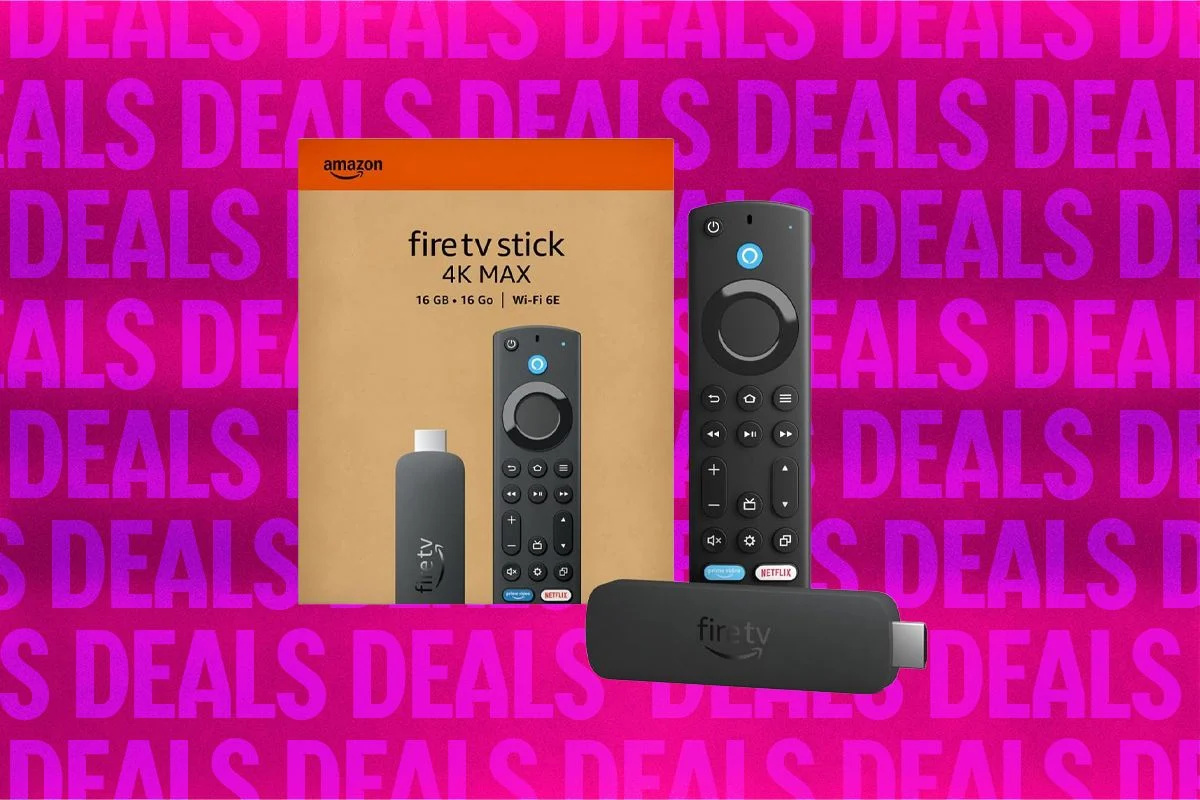
Amazon has officially slashed the price of its flagship streaming device, the second-generation Fire TV Stick 4K Max, to $34.99 as part of its inaugural Big Spring Sale. This promotion represents a 42 percent discount from the device’s standard retail price of $59.99, marking one of the most significant price drops since the product’s release in late 2023. The move is seen by industry analysts as a strategic effort to solidify Amazon’s hardware ecosystem during a transitional period in the consumer electronics market. The Fire TV Stick 4K Max remains the most powerful entry in Amazon’s stick-form-factor lineup, positioned just below the Fire TV Cube in terms of raw processing power and connectivity features.
The Big Spring Sale, which serves as a seasonal counterpart to the company’s well-known Prime Day event in July, has seen aggressive discounting across Amazon’s first-party hardware categories. However, the Fire TV Stick 4K Max discount is particularly notable due to the device’s relatively recent launch. Consumers seeking to upgrade aging smart TV interfaces or transition away from cable boxes have increasingly turned to dedicated streaming sticks to access high-definition content and cloud-based gaming services.
Technical Specifications and Hardware Evolution
The second-generation Fire TV Stick 4K Max introduced several critical hardware upgrades over its 2021 predecessor. Most notably, the device features an upgraded 2.0 GHz quad-core processor, which Amazon claims provides a smoother navigation experience and faster app loading times compared to previous iterations. This hardware refinement is designed to handle the increasingly resource-intensive interfaces of modern streaming applications like Netflix, Disney+, and Amazon’s own Prime Video.
One of the most significant changes in the latest model is the expansion of internal storage. While previous versions of the Fire TV Stick were limited to 8 GB of storage—a common pain point for users who found themselves frequently deleting apps to make room for system updates—the new 4K Max boasts 16 GB. This doubling of capacity allows for a broader library of applications and improved caching for smoother playback.
Furthermore, the device is the first in the Fire TV Stick lineup to support Wi-Fi 6E. This wireless standard utilizes the 6 GHz band, offering reduced latency and higher throughput in households with multiple connected devices. To fully utilize this feature, users must possess a Wi-Fi 6E compatible router, such as the eero Pro 6E. For households still utilizing standard Wi-Fi 6 or Wi-Fi 5 routers, the device remains backward compatible, though it will not achieve the peak theoretical speeds offered by the 6E standard.
Chronology of the Fire TV Ecosystem
The release and subsequent discounting of the 2nd Gen 4K Max follow a decade-long trajectory of hardware development for Amazon. The original Fire TV Stick debuted in 2014, primarily as a vehicle for Prime Video content. Over the ensuing years, the product line expanded to include 4K capabilities in 2017 and the first "Max" iteration in 2021.
In September 2023, Amazon announced the current generation of the 4K Max during its annual devices and services event in Arlington, Virginia. The announcement emphasized the "Ambient Experience," a feature previously exclusive to Amazon’s Fire TV Omni Series televisions. By bringing this feature to the streaming stick format, Amazon allowed users to transform any television into a smart display capable of showing high-quality artwork, weather widgets, and smart home notifications when the device is not in active use.
The current $35 price point reached during the Big Spring Sale matches the previous all-time low recorded during the 2023 Black Friday shopping period. This pricing strategy suggests that Amazon is utilizing aggressive margins to increase its user base ahead of expected software updates and the integration of more advanced generative AI features into the Alexa interface.
The Ambient Experience and Smart Home Integration
A core pillar of the Fire TV Stick 4K Max’s value proposition is its deep integration with the Alexa smart home ecosystem. The included Alexa Voice Remote Enhanced allows users to control not only the television but also a wide array of Zigbee, Matter, and Thread-compatible devices. This integration extends to visual feedback; for instance, if a Ring doorbell is pressed, the Fire TV Stick can automatically trigger a picture-in-picture live feed on the television screen without interrupting the content being viewed.

The "Ambient Experience" serves as a functional aesthetic upgrade. It utilizes a vast library of over 2,000 gallery-quality pieces of art and photography. Unlike a traditional screensaver, the Ambient Experience is designed to be interactive. Users can ask Alexa for information about the artwork on display or use on-screen "widgets" to manage family calendars, check the local forecast, or control smart lighting. This shift in utility reflects a broader industry trend where televisions are viewed as central household hubs rather than mere passive screens.
Market Analysis and Competitive Landscape
The streaming hardware market is currently defined by a "race to the bottom" in terms of pricing for entry-level devices, while premium sticks like the Fire TV Stick 4K Max and the Roku Streaming Stick 4K+ compete on feature sets. Amazon’s decision to price the 4K Max at $35 places it in direct competition with the standard Roku Streaming Stick 4K and the Chromecast with Google TV (4K).
However, Amazon holds a distinct advantage in the cloud gaming sector. Through its partnership with Microsoft, the Fire TV Stick 4K Max supports the Xbox app, allowing Xbox Game Pass Ultimate subscribers to stream hundreds of high-quality games directly to their TVs via the cloud. This eliminates the need for a dedicated gaming console for casual players, provided they have a compatible Bluetooth controller. This functionality is a key differentiator that Amazon has marketed heavily to younger demographics and "cord-cutters."
Industry analysts at firms like Gartner and IDC have noted that while the hardware itself may be sold at near-cost or even as a "loss leader," the true value for Amazon lies in the subsequent data collection and advertising revenue. The Fire TV interface has increasingly moved toward a "sponsored content" model, where prominent real estate on the home screen is sold to streaming services and advertisers. By lowering the barrier to entry with a $35 price tag, Amazon ensures a steady stream of users for its advertising platform.
Impact on Consumer Behavior and "Cord-Cutting"
The continued affordability of high-end streaming sticks is accelerating the decline of traditional linear television. According to recent data from Nielsen, streaming usage surpassed cable TV viewing for the first time in 2022, and the gap has only widened since. Devices like the Fire TV Stick 4K Max facilitate this transition by providing a centralized interface for "fragmented" content.
The inclusion of free, ad-supported streaming television (FAST) channels directly into the Fire TV "Live" tab further incentivizes consumers to ditch expensive cable packages. Amazon has integrated its own Freevee service, along with third-party providers like Pluto TV and Tubi, to offer a "cable-like" experience without the monthly subscription fee. For many households, the one-time $35 investment in a 4K Max stick pays for itself within a single month of canceled cable service.
Security and Future-Proofing
As smart home devices become more ubiquitous, security and longevity have become paramount concerns for consumers. Amazon has committed to providing security updates for its Fire TV devices for at least four years after the device is last available for purchase on its website. The move to a 16 GB storage capacity and Wi-Fi 6E also suggests that the 2nd Gen 4K Max is designed to remain relevant for a longer lifecycle than previous budget models.
In terms of audio-visual standards, the device is fully "future-proofed" for current consumer content, supporting Dolby Vision, HDR10+, and HLG (Hybrid Log-Gamma). It also supports Dolby Atmos for immersive 3D sound, provided the user has a compatible soundbar or home theater system.
Conclusion and Outlook
The discounting of the Fire TV Stick 4K Max to $35 during the Big Spring Sale is more than a simple retail promotion; it is a tactical maneuver in the ongoing battle for the digital living room. By offering high-specification hardware—including Wi-Fi 6E, doubled storage, and cloud gaming capabilities—at a mass-market price point, Amazon is effectively raising the ceiling for what consumers expect from a budget-friendly device.
As the sale concludes, the focus will shift toward how Amazon intends to evolve the Fire TV software. With rumors of a new, non-Android-based operating system (internally referred to as "Vega") potentially in development, the current generation of Fire TV hardware represents the pinnacle of the company’s current software philosophy. For now, the Fire TV Stick 4K Max stands as a benchmark for value in the streaming industry, providing a sophisticated entry point for the modern smart home.







