
 Indra Kusuma
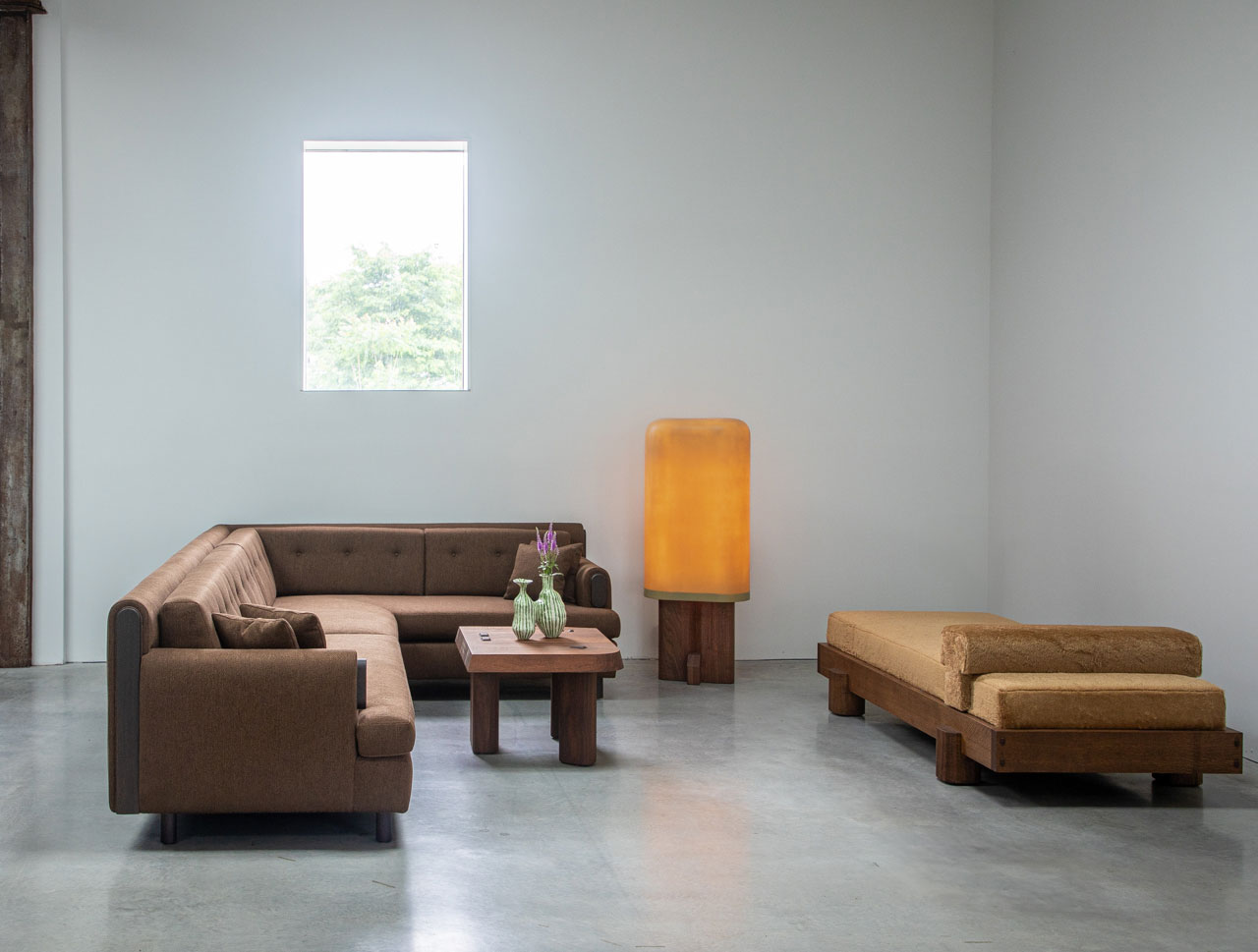
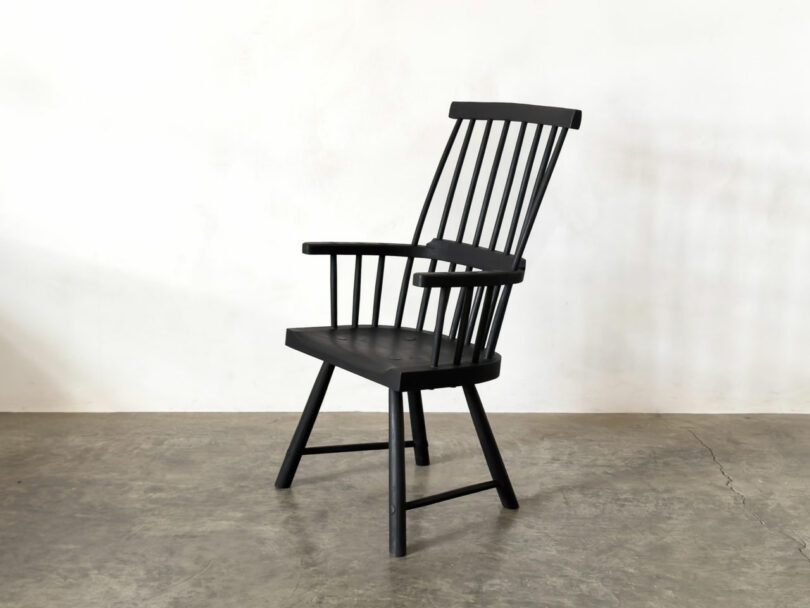
Hudson, NY – Jason Roskey, the visionary founder of Fern, a distinguished design and fabrication studio, has unveiled an inaugural lighting collection, marking a significant expansion of the brand’s celebrated repertoire. This new line, a natural complement to Fern’s existing sculptural tables and chairs, is currently on view at "Junctions," the debut exhibition at the Assembly Line Annex in Tribeca, a newly established exhibition space by General Assembly. The collection, meticulously crafted in the Hudson Valley, features a sophisticated interplay of materials such as fiberglass, hand-laced goat parchment, cast aluminum, blackened steel, and sand-cast bronze, showcasing Roskey’s commitment to both innovative design and traditional artisan techniques.
Roskey’s journey into the world of high-end furniture and lighting is a compelling narrative of evolving passion and self-discovery. Growing up in a middle-class, blue-collar family in Texas, his early exposure to art and architecture proved formative, even if its professional path wasn’t immediately clear. Field trips during his elementary school years to the renowned Kimbell Art Museum in Fort Worth ignited a nascent interest. Unlike many of his peers, Roskey found himself captivated not only by the art housed within but also by the iconic Louis Kahn-designed building itself, a testament to modernist architectural principles and the power of light and space. This early fascination, however, did not immediately translate into a declared artistic career. Roskey initially envisioned a more conventional professional trajectory, reflecting a common societal expectation that often steers individuals away from creative pursuits. "I didn’t know I could pursue a creative life and career," Roskey has stated, recalling a period spent engaging in "business-type things to make a living." This phase underscores the often-circuitous route many artists and designers take before fully embracing their true calling, highlighting the societal pressures that can initially obscure an individual’s innate artistic inclinations.
The Genesis of Fern: A Self-Taught Path to Craftsmanship

The pivotal shift occurred upon Roskey’s relocation to New York, where he began a profound exploration of furniture and interiors. This move proved to be a catalyst, enabling him to shed the constraints of his prior professional endeavors and delve into a world that resonated deeply with his early inspirations. Remarkably, Roskey is a self-taught woodworker, a detail that speaks volumes about his innate talent, dedication, and hands-on approach to mastering his craft. His early practice involved building custom pieces by hand in Brooklyn, a testament to the tactile and intensive nature of his learning process. This period of direct engagement with materials and construction laid the foundational expertise upon which Fern would eventually be built. The hands-on, iterative learning inherent in being self-taught often cultivates a deeper understanding of material properties and structural integrity, differentiating such artisans from those with purely academic backgrounds.
The year 2009 marked the official founding of Fern. What began as a bespoke woodworking practice gradually evolved into a comprehensive design and fabrication studio. Today, Fern operates from a dedicated studio and workshop nestled in Hudson, New York. This strategic location is not incidental; the Hudson Valley boasts a rich and enduring tradition of quality furniture production and artisanal craft, making it an ideal environment for Fern’s operations. The region, known for its picturesque landscapes and vibrant artistic community, has seen a resurgence in artisanal endeavors, attracting a new generation of makers who value traditional methods and local sourcing. By situating his studio here, Roskey not only taps into a skilled local workforce but also contributes to and perpetuates this regional legacy, aligning Fern with a broader movement celebrating American craftsmanship. The operational model at Fern is characterized by a seamless integration of design and production: Roskey personally designs each item, which is then meticulously fabricated in-house by a team of highly skilled makers. This vertically integrated approach ensures exceptional quality control, maintains design integrity, and allows for continuous refinement throughout the production cycle, from initial sketch to final finish. The shift from a solo endeavor to a collaborative studio underscores the growth and increasing complexity of Fern’s ambitious projects, while maintaining a deeply personal touch.
Expanding Horizons: The Inaugural Lighting Collection and "Junctions" Exhibition
The introduction of lighting represents a natural and logical evolution for Fern. Roskey’s established expertise in sculptural tables and chairs, characterized by their robust forms and material integrity, finds a harmonious extension in the new collection. The lighting fixtures demonstrate a sophisticated material palette, incorporating fiberglass for its ethereal light diffusion, hand-laced goat parchment for its organic texture and warmth, and a trio of metals—cast aluminum, blackened steel, and sand-cast bronze—for their structural integrity and refined finishes. The selection of these materials highlights Roskey’s nuanced understanding of how different elements interact to create both functional illumination and sculptural presence. Fiberglass, a versatile composite material, offers a modern, translucent quality, allowing for a diffused glow that softens harsh light, while goat parchment, a material with historical roots in art and craft, provides a unique textural depth and a warm, inviting luminosity. The robust metal bases, often finished with patinas, ground these pieces, offering a stark yet elegant contrast to the lighter shades and ensuring stability. This thoughtful material juxtaposition is central to Fern’s aesthetic, creating pieces that are both visually striking and tactilely engaging.

The "Junctions" exhibition, where this inaugural lighting collection is making its debut, is a significant event in the New York design calendar. Hosted at the Assembly Line Annex in Tribeca, a new exhibition space established by General Assembly, it signifies a fresh platform for showcasing contemporary design. General Assembly, known for its innovative approach to spaces and community building, positions the Annex as a vital hub for emerging and established designers. The exhibition allows visitors to experience the new lighting pieces alongside Fern’s signature furnishings, providing a holistic view of Roskey’s aesthetic and functional philosophy. The title "Junctions" itself suggests a convergence—of materials, forms, traditions, and Roskey’s diverse influences—underscoring the studio’s ability to synthesize various elements into a cohesive and compelling body of work. The show serves as a testament to Fern’s expanded capabilities and its commitment to pushing the boundaries of contemporary design while honoring the foundational principles of craftsmanship.
The Design Ethos: From Concept to Creation

Roskey’s creative process is marked by an immediacy and hands-on engagement that deeply reflects his self-taught background. He is known for rapidly capturing concepts as they arise, often sketching and designing in multiple formats to thoroughly explore every facet of an idea. This iterative process allows for continuous refinement of his initial models, ensuring that each design is fully explored before moving into production. A particularly distinctive aspect of his method is his preference for designing "directly on the bench" when a pressing idea takes hold. This involves working through templates for different shapes and forms in a tangible, three-dimensional manner, often bypassing purely digital renderings in favor of direct material interaction. This hands-on approach, common among traditional artisans, allows for an intuitive understanding of how materials behave and how forms interact in space. This direct engagement with the physical form is a hallmark of true craftsmanship, linking Roskey to a lineage of artisans who shape their vision directly through their hands, resulting in pieces that are not only aesthetically pleasing but also inherently well-crafted and structurally sound, embodying a deep respect for the material and the process.
Insights from the Designer: Jason Roskey’s "Friday Five"

In an exclusive feature for "Friday Five," Jason Roskey offered a revealing glimpse into the objects, experiences, and cultural touchstones that inform his distinctive creative vision. These selections provide a valuable context for understanding the myriad influences that shape Fern’s aesthetic and Roskey’s broader design philosophy.
1. The Camper Van: Utility, Freedom, and Inspiration
Roskey’s first pick, a 2024 Sprinter Van, transcends mere utility. Acquired in 2023 to facilitate the studio’s logistical needs—transporting furniture parts and upholstery between fabrication partners—it also serves a dual purpose as a camping rig. Outfitted with a bunk bed, Wi-Fi, and a lightweight canoe stored on top, the van embodies a spirit of versatility and connection to nature. This choice underscores a contemporary trend among creatives and entrepreneurs who seek to integrate work and lifestyle, leveraging mobile solutions for both practical business operations and personal rejuvenation. The ability to seamlessly transition from the demands of the workshop to the tranquility of the wilderness speaks to a broader philosophy of balance, where moments of escape and immersion in natural environments are crucial for fostering creativity and gaining fresh perspectives. The van, therefore, is not just a tool; it is a mobile sanctuary that fuels Roskey’s design thinking, embodying a modern approach to work-life integration that prioritizes both productivity and personal well-being.
2. The John Porritt Welsh Chair: A Homage to Vernacular Craft
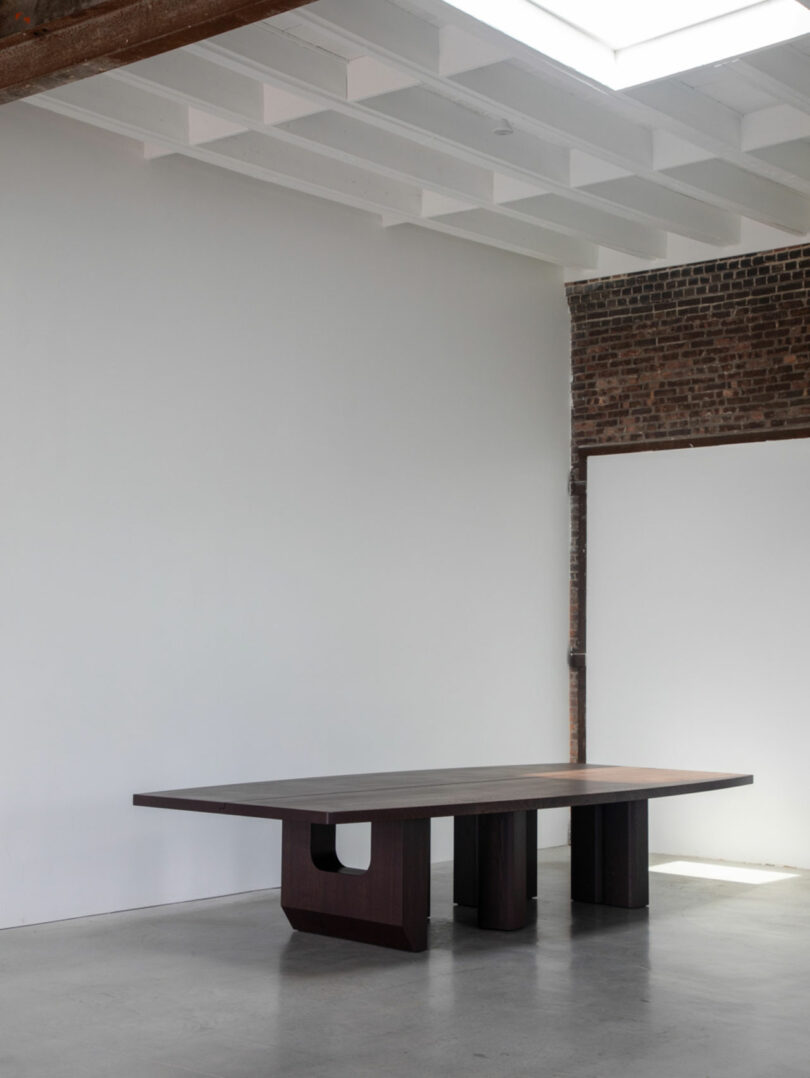
Roskey’s profound appreciation for vernacular chairs, particularly the Welsh Stick Chair, reveals a deep respect for artisanal traditions and the inherent beauty of unpretentious design. He describes this style as "the everyman’s Windsor"—less ornate than its English counterparts, often fashioned from local "green woods" (freshly cut timber that is easier to work with hand tools) and materials harvested from hedgerows, showcasing resourcefulness and sustainability. Historically, these chairs were crafted by amateur woodworkers or village craftspeople using only hand tools, eschewing the lathe, which imparted a unique, individualized character to each piece, making each chair a singular expression of its maker. His admiration extends to John Porritt, a UK native based in Spencertown, New York, who has dedicated decades to making these simple yet exquisitely refined chairs. Porritt’s versions, while retaining the simplicity of their predecessors, feature modern proportions and unparalleled comfort, bridging historical craft with contemporary ergonomics. Roskey recounts the treat of visiting Porritt’s old Dutch barn workshop, engaging







