
 Ali Ikhwan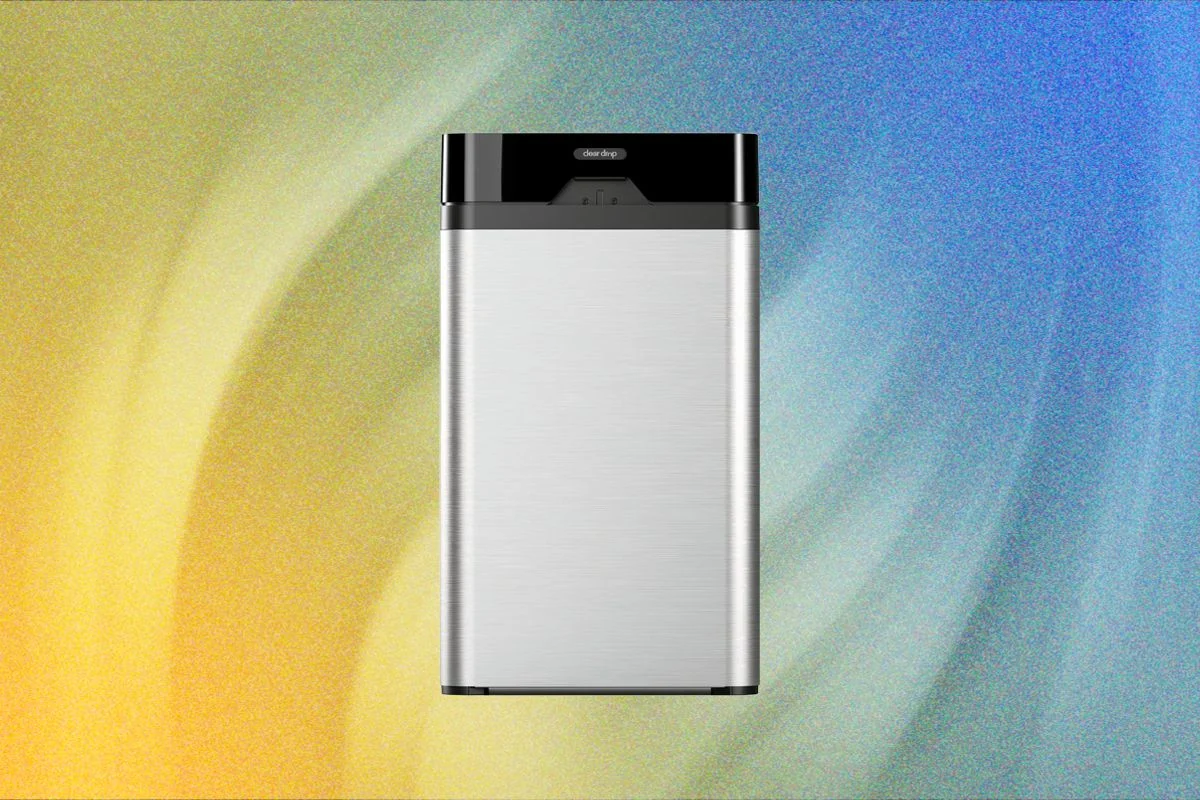
The management of household waste has undergone a significant technological shift with the introduction of the Clear Drop Soft Plastic Compactor (SPC), a specialized appliance designed to address one of the most persistent challenges in the global recycling stream: soft plastics. While municipal recycling programs have long struggled to process materials such as grocery bags, bubble wrap, and shipping mailers, Clear Drop has introduced a decentralized solution that allows consumers to preprocess these materials within their own homes. The device, which functions as a high-tech "pre-recycling" tool, represents a burgeoning category of sustainable home technology aimed at closing the loop on materials that typically bypass traditional waste management infrastructure.
The Crisis of Soft Plastic Recycling and the "Wishful Recycling" Phenomenon
To understand the niche occupied by the Clear Drop SPC, one must first examine the systemic failures of current recycling models. Soft plastics, primarily composed of low-density polyethylene (LDPE) and linear low-density polyethylene (LLDPE), are notorious for their tendency to jam the rotating gears and sorting screens of Material Recovery Facilities (MRFs). Because these materials are lightweight and flexible, they often "float" through sorting lines, contaminating other streams like paper or glass, or winding around expensive machinery, necessitating frequent and dangerous manual cleanouts.
According to environmental data, while consumers often engage in "wishful recycling"—placing soft plastics in curbside bins in the hope they will be processed—the reality is that the vast majority of these items end up in landfills or incinerators. Even store-drop-off programs, which rely on consumers returning bags to retail locations, have faced scrutiny; investigations have frequently revealed that these collected materials are often discarded due to contamination or lack of downstream demand. The Clear Drop SPC seeks to bypass these failures by creating a clean, traceable, and highly compacted feedstock that is ready for industrial reuse.
Technical Specifications and Operational Mechanics
The Clear Drop SPC is a substantial piece of hardware, standing 2.5 feet tall and weighing approximately 61 pounds. Constructed with a stainless steel chassis and a minimalist control interface, it occupies a footprint of roughly two square feet, making it comparable in size to a high-capacity kitchen trash receptacle. The device operates through a series of internal rollers that draw in soft plastic materials—ranging from frozen food bags to industrial shrink wrap—with a mechanical action that has been described as both efficient and remarkably quiet, registering at approximately 60 decibels during operation.
.jpg)
The core innovation of the SPC lies in its "block formation" phase. When internal sensors detect that the unit has reached capacity—typically around three pounds of material—the device initiates a controlled heating process. This process does not melt the plastic into a liquid state but rather softens it just enough to fuse the various layers into a solid, shoebox-sized block measuring roughly 12 x 8 x 4 inches. This transformation reduces the volume of the waste by a significant margin, turning a chaotic pile of bags into a dense, manageable brick of raw material.
The unit features a digital display that tracks the percentage of fullness, though this calculation is based on periodic sensor checks rather than real-time weight updates. Safety is managed through a locking mechanism on the rollers to prevent accidents involving children or pets, and a manual override allows for the reversal of the feed should a jam occur.
The Economics of Home-Based Pre-Recycling
One of the most significant points of analysis for the Clear Drop SPC is its cost structure, which positions it as a premium product for a specific demographic of "early adopters." The device requires an initial investment of $799, supplemented by a mandatory $49 monthly subscription for the first 24 months. This subscription covers the logistics of the mail-back program, providing one pre-addressed mailer per month. Over a two-year period, the total cost of ownership reaches approximately $2,000.
Beyond the initial two years, users must continue to purchase mailers, which are currently priced at approximately $15 each or $45 for a pack of three. This financial commitment distinguishes the SPC from lower-cost alternatives such as Ridwell or TerraCycle, which offer pickup services for various hard-to-recycle items for a fraction of the price. Ivan Arbouzov, the founder of Clear Drop, acknowledges that the current price point targets "highly motivated" individuals who are frustrated by the limitations of local waste management and are willing to pay for a verified, traceable recycling outcome.
From Household Block to Industrial Feedstock: The Logistical Journey
The lifecycle of a plastic block produced by the SPC is a testament to the complexity of modern circular economies. Once a block is formed and cooled—a process that takes between one and three hours—it is placed in a poly mailer and shipped to a specialized facility in Frankfort, Indiana. This facility is currently the primary destination for Clear Drop materials, specializing in the processing of polyethylene and polypropylene films.
.jpg)
Upon arrival, the blocks undergo a rigorous recycling process:
- Shredding: The dense blocks are ground into small crumbles or "feedstock."
- Batching: The material is cleaned and sorted to ensure consistency.
- Manufacturing: The resulting crumbs are compressed and molded into durable goods.
The final products derived from these blocks include composite decking, garden edging, highway safety cones, and outdoor furniture. By ensuring the input material is restricted to soft plastics, Clear Drop provides recyclers with a high-quality, "clean" stream that is far more valuable than the contaminated mixtures typically found in municipal systems. Arbouzov has stated that the long-term goal is to establish regional processing hubs to reduce the carbon footprint associated with mailing blocks across the country.
Safety, Environmental Impact, and Scientific Scrutiny
The process of heating plastic within a residential environment has raised questions regarding air quality and chemical exposure. A 2023 report by Greenpeace highlighted the "toxic hazards" of recycled plastics, noting that heating certain polymers can release volatile organic compounds (VOCs) such as benzene. Clear Drop maintains that the SPC has been tested for air quality and that the temperatures used are strictly controlled to prevent the off-gassing associated with incineration or high-heat melting. However, users have noted a distinct "plastic" odor during the block-forming phase, suggesting that while the device may meet safety standards, it is best used in well-ventilated areas.
Furthermore, the company argues that its "controlled stream" model mitigates many of the risks identified by environmental groups. By focusing on a specific class of plastics (polyolefins) and avoiding the mixture of unknown additives found in general waste, the SPC creates a more predictable and safer recycling loop.
Institutional and Commercial Applications
While the SPC is marketed toward eco-conscious households, Clear Drop is aggressively pursuing commercial and institutional partnerships. The sheer volume of soft plastic waste generated in professional settings often dwarfs that of a single home, making the SPC an attractive internal sustainability tool.

Current pilot programs and use cases include:
- Scientific Research: A collaboration with The Shaw Institute in Maine utilizes the SPC to manage lab-generated plastic waste as part of a broader sustainability strategy.
- Retail and Fashion: Bridal and tuxedo shops, which generate vast quantities of garment bags and protective films, have successfully integrated the SPC to reduce their trash footprint.
- Corporate Offices: Holding companies with transport and restaurant operations have deployed the units to handle the influx of shipping materials and packaging.
These commercial applications suggest that the SPC may find its most sustainable "product-market fit" as a business-to-business (B2B) solution rather than a consumer gadget, particularly for industries where soft plastic waste is a primary byproduct of daily operations.
Analysis of Implications: Individual Action vs. Systemic Reform
The emergence of the Clear Drop SPC brings to the forefront a recurring debate in environmental circles: the shifting of the burden of waste management onto the consumer. In recent years, consumers have been encouraged to filter their own water, purify their own air, and compost their own organic waste. The SPC represents the next step in this trend—processing one’s own industrial-grade trash.
While the device is a technological marvel that effectively solves the "tangling" problem at recycling centers, critics argue that such solutions may inadvertently distract from the need for systemic change. By making it easier to recycle soft plastics, there is a risk of reducing the pressure on manufacturers to eliminate these materials or switch to more sustainable alternatives.
However, proponents of the "distributed infrastructure" model argue that we cannot wait for a total overhaul of the global plastics industry. For the millions of tons of soft plastic already in circulation, the Clear Drop SPC offers a tangible, functional bridge to a more circular future. As the technology matures and the cost of entry potentially decreases, the SPC could evolve from a high-priced luxury for environmentalists into a standard appliance for the modern, zero-waste home.

In conclusion, the Clear Drop Soft Plastic Compactor is a pioneering device that offers a sophisticated response to a global waste crisis. Its success will likely depend on the expansion of regional recycling networks and the willingness of consumers—and businesses—to invest in the granular work of waste preprocessing. Whether it remains a niche tool or becomes a household staple, it has successfully rewired the conversation around what it means to recycle in the 21st century.







