Hanik Kholidah
The landscape of sports medicine and injury prevention is undergoing a fundamental shift as new data suggests that the traditional focus on the quadriceps and hamstrings may be insufficient for protecting the knee joint. For decades, athletic trainers and physical therapists have prioritized the large muscle groups of the upper leg to stabilize the knee. However, a multi-year investigation into the movement patterns of elite athletes, conducted by researcher Abbott in collaboration with the Peak Performance Project (P3), has identified a group of neglected muscles below the knee as the true "hidden heroes" of joint longevity. This research, which analyzed millions of data points from professional basketball players, suggests that strengthening the soleus and posterior tibialis can reduce the incidence of Anterior Cruciate Ligament (ACL) tears by as much as 67 percent.
The findings come at a time when ACL injuries are reaching epidemic proportions across both professional and youth sports. Despite advancements in surgical techniques and rehabilitation, the rate of re-injury remains high, and many athletes never return to their pre-injury level of performance. By shifting the focus from the "top-down" approach of quadriceps dominance to a "bottom-up" strategy centered on foot and ankle stability, researchers believe they have found a way to rewire how the human body processes high-impact force.
The Biomechanics of the Windshield Wiper Effect
The core of the study’s discovery lies in a specific movement pattern identified during high-intensity landings. By tracking nearly 400 NBA players over several seasons, P3 researchers utilized advanced 3D motion capture technology and force plates to observe how the body reacts to the moment of impact with the floor. The data revealed a startling commonality: every single player in the study who subsequently suffered a non-contact ACL tear exhibited a specific landing error known as "translation."
Translation occurs when an athlete lands on the outside edge of the foot, causing the weight to roll abruptly inward toward the arch. This seemingly minor foot-strike error has catastrophic consequences for the kinetic chain. As the foot rolls inward, it forces the tibia—the larger bone of the lower leg—to undergo a "windshield wiper" motion. This rotational force travels upward directly into the knee joint. Because the ACL is designed to prevent the tibia from sliding forward or rotating excessively relative to the femur, this sudden "translation" puts the ligament in a position of extreme vulnerability. When the force of the landing exceeds the tensile strength of the ligament, the ACL ruptures.
Abbott’s research emphasizes that while strong quads are necessary for power, they cannot counteract the rotational instability caused by a poor foot-strike. If the foundation—the foot and ankle—is unstable, the knee becomes the "sacrificial lamb" of the lower extremity.
Identifying the Neglected Muscles of the Lower Leg
The study highlights two specific muscles that are often overlooked in standard strength and conditioning programs: the soleus and the posterior tibialis. While the gastrocnemius (the large, visible muscle of the calf) is frequently trained through standing calf raises, its counterparts beneath the surface play a more significant role in injury prevention.
The soleus, located deep to the gastrocnemius, is a powerful muscle that primarily functions when the knee is bent. Beyond its role in plantarflexion, the soleus acts as a secondary pump for the circulatory system, assisting in returning blood to the heart. In the context of biomechanics, the soleus is a critical stabilizer of the ankle joint during the stance phase of running and jumping.
The posterior tibialis is equally vital. It is the primary dynamic stabilizer of the medial arch of the foot. When the posterior tibialis is weak, the arch collapses more easily, leading to the "translation" or inward rolling pattern identified in the P3 study. By strengthening these muscles, athletes can maintain a "loaded ankle" position, ensuring that the foot remains a rigid lever during takeoff and a compliant shock absorber during landing.
A Chronology of Movement Science Evolution
The shift toward lower-leg emphasis is the result of nearly two decades of evolution in sports science. In the early 2000s, injury prevention focused heavily on the "Valgus" collapse—the inward caving of the knees. Programs like the FIFA 11+ were developed to teach athletes how to keep their knees aligned over their toes. While these programs were successful in reducing some injuries, ACL tear rates remained stubbornly high.
In 2015, the Peak Performance Project began utilizing high-speed cameras and force plates to look deeper into the "micro-movements" that precede an injury. By 2020, the data began to suggest that knee cave was often a symptom of an issue occurring further down the chain. By 2024, the "Translation Study" reached its peak, concluding that the foot-ground interface was the most significant predictor of ligamentous strain.
The current 2026 report represents the culmination of this timeline, providing a definitive link between lower-leg muscular deficiencies and specific mechanical failures in the knee. This transition from observing the "symptom" (the knee) to addressing the "source" (the foot and ankle) marks a paradigm shift in athletic training.
The P3 Protocol: A New Standard for Training
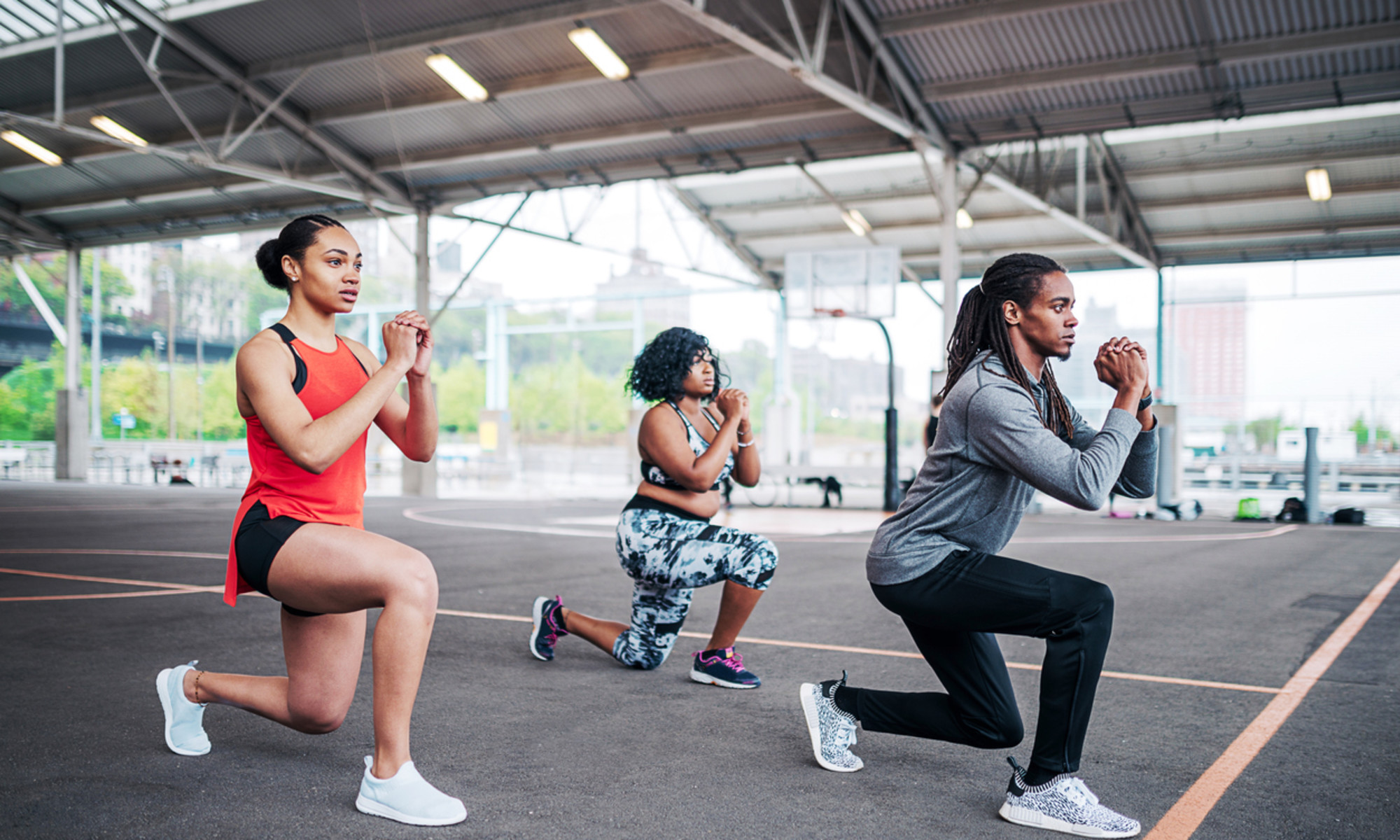
To combat the risks of translation, Abbott and the P3 team have introduced a specific training protocol designed to be integrated into any existing workout routine. Unlike traditional bodybuilding exercises, these movements focus on eccentric control and stability under load.
The protocol includes four key pillars:
- Seated Calf Loading: By performing calf raises with a bent knee, the gastrocnemius is mechanically disadvantaged, forcing the soleus to take the brunt of the load. This builds the deep strength necessary to stabilize the ankle during deep squats or low-landing positions.
- Tibialis Raises: Strengthening the front of the shin (the tibialis anterior) and the deep posterior tibialis ensures that the foot can actively "pull" into a safe position before impact.
- Eccentric Landing Drills: Athletes are trained to land softly on the balls of their feet, emphasizing a "quiet" landing that allows force to be distributed through the Achilles tendon and up into the glutes.
- Proprioceptive Arch Training: Exercises that involve "short foot" maneuvers help the athlete maintain the integrity of the medial arch, preventing the inward roll that triggers the windshield wiper motion of the tibia.
The effectiveness of this intervention is unprecedented. "If you do this intervention," Abbott noted during the release of the findings, "you see up to a 67% reduction in ACL tears, which is about as successful as most medical interventions ever get."
Reactions from the Sports Medicine Community
The implications of this research have sparked widespread discussion among orthopedic surgeons and professional coaching staffs. Dr. Elena Rodriguez, a leading sports surgeon not affiliated with the study, suggested that these findings could change the way post-operative rehabilitation is handled. "For years, we have cleared athletes to return to play based on quad strength symmetry," Rodriguez stated. "This data suggests we should be looking at ankle stability and foot-strike mechanics with equal scrutiny. We might be sending athletes back onto the field with strong thighs but ‘glass’ ankles."
NBA training directors have also taken note. Several teams have reportedly already begun implementing "soleus-heavy" warm-up routines. The consensus among these professionals is that while the quads provide the "engine" for vertical leap, the lower leg provides the "brakes" and "suspension system" necessary for a safe landing.
Broader Impact and Implications for the General Population
While the P3 study focused on elite basketball players, the implications extend far beyond the NBA. ACL injuries are a significant concern for high school and collegiate athletes, particularly females, who are statistically more prone to these injuries due to anatomical differences. Implementing lower-leg strengthening in physical education and youth sports could potentially save thousands of young athletes from career-ending surgeries and long-term joint degradation.
Furthermore, the research has applications for the aging population. Falls are a leading cause of injury in older adults, and the loss of ankle stability is a primary contributor to balance issues. By maintaining the strength of the soleus and posterior tibialis, seniors can improve their "shock absorption" during daily activities, reducing the strain on arthritic knees and improving overall mobility.
Ultimately, Abbott’s research reframes the human body as an integrated system of force management. The knee is no longer viewed as an isolated joint to be braced, but as a link in a chain that is only as strong as its connection to the ground. By investing just a few minutes each week into the "hidden heroes" of the lower leg, individuals can rewire their biomechanics, building a foundation of resilience that protects the body for a lifetime of movement.