Pranda Michaela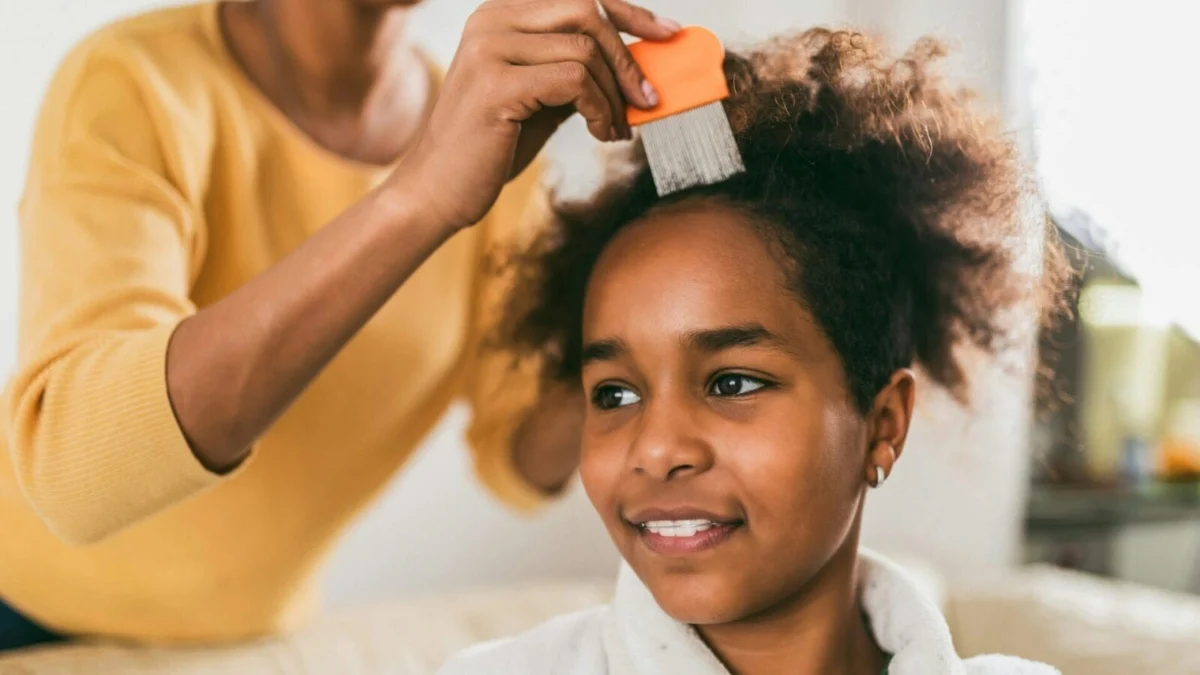
The moment a parent discovers lice on their child can trigger a cascade of emotions, from panic and shame to an overwhelming sense of defeat. This pervasive yet often stigmatized issue, affecting millions of families annually, demands a clear, evidence-based approach. For many, the initial reaction is one of confusion and frantic, often misguided, action. This article delves into the realities of head lice, drawing on expert advice and practical strategies to demystify the process and empower parents.
The Persistent Challenge of Head Lice
Head lice (Pediculus humanus capitis) are tiny, wingless insects that live on the human scalp and feed on blood. Their presence, while not a medical emergency, can be a significant source of distress for children and their families. The primary mode of transmission is direct head-to-head contact, making schools, daycare centers, sleepovers, and organized sports common breeding grounds. Despite advancements in hygiene and public health awareness, head lice remain a persistent challenge in communities worldwide.
According to the Centers for Disease Control and Prevention (CDC), an estimated 6 to 12 million cases of head lice occur each year in the United States among children aged 3 to 11 years. This statistic underscores the widespread nature of the problem and highlights the need for effective, accessible solutions. The persistent nature of lice infestations is often attributed to a combination of factors: the insects’ ability to evade detection, the development of resistance to certain treatments, and a societal stigma that can hinder open communication and timely intervention.
Understanding the Parent’s Initial Reaction: From Panic to Pragmatism
The author’s visceral experience of discovering a severe lice infestation in her kindergartner’s thick, curly hair exemplifies the typical parental shock. The initial impulse to panic, fueled by a lack of readily available, calm guidance, can lead to ineffective and even counterproductive actions. This scenario, unfortunately, is not unique. Many parents, when faced with the unexpected, resort to drastic measures born out of fear and misinformation.
Joanna Shu, CEO of Cartwheel, a company focused on developing modern family health solutions, emphasizes that this widespread parental anxiety is rooted in a confluence of factors. "Lice don’t care if your house is spotless," Shu explains. "They spread through close contact, which happens constantly among kids at school, camp, sports, and sleepovers. In other words, lice are spread by kids being kids."
The persistence of shame, Shu notes, is often linked to generational trauma and outdated societal perceptions. "Many of us carry memories from our own childhoods—being pulled out of class, feeling like it was a dirty secret. Some parents had truly rough experiences: heads shaved, or worse, treated with things like kerosene. That kind of trauma sticks around." Furthermore, an innate human aversion to insects, a biological response evolved for survival, contributes to the "ick factor" associated with lice. Understanding that the disgust is an instinctual reaction, rather than an indicator of poor hygiene, is a crucial first step in reframing the issue.
The Power of Humor and Community in Combating Lice Stigma
In an era where information is readily accessible, the shared experience of dealing with common childhood ailments like lice can be a powerful unifier. The viral TikTok video of a family hosting a "lice funeral" for their child’s deceased lice, complete with elaborate rituals, highlights a growing trend towards embracing humor and unconventional coping mechanisms. Shu sees this approach as a valuable tool for destigmatizing the issue.
"It captured a moment every parent understands: doing something unconventional to make your kids laugh or get over a big fear," Shu says. This willingness to lean into the absurd can transform a stressful situation into a shared, even bonding, experience. Such lightheartedness allows parents to drop the pretense of perfection and connect with others facing similar challenges. "They don’t want to feel judged when normal kid things happen," Shu observes. "They want honesty, humor, and community." This sentiment resonates deeply, offering a much-needed antidote to the isolation and shame that often accompany lice infestations.
A Step-by-Step Guide to Effective Lice Treatment
Navigating a lice infestation requires a systematic approach, moving beyond panic-driven responses to evidence-based interventions. Joanna Shu outlines a clear, practical strategy for parents:
Step 1: Take a Breath and Assess
The immediate urge to treat lice at all hours of the day or night is understandable but often unnecessary. Shu advises parents to take a moment to breathe. "You’ve probably had lice for two to four weeks by the time you notice the itching," she points out. "Taking a few minutes or hours before you treat won’t make a difference." This brief pause allows for a more rational and effective approach, preventing the kind of midnight pharmacy runs that can exacerbate stress.
Step 2: Master the Art of Checking for Lice
Accurate identification is key. Shu recommends using good lighting and a fine-tooth comb. The primary areas to inspect are behind the ears and at the nape of the neck, as lice prefer warm environments. Parents should be looking for live lice – small, tan-colored, and fast-moving – and nits, which are small, oval eggs firmly attached to the hair shaft close to the scalp. If unsure, consulting a pediatrician or school nurse for confirmation is advisable.
Step 3: Select an Effective Treatment and Commit to Combing
The core of lice eradication lies in a two-pronged approach: effective treatment and meticulous combing. Historically, over-the-counter (OTC) lice treatments relied on pesticide-based ingredients such as permethrin and pyrethrins. While still widely available, a growing concern is the development of resistance in lice populations to these chemicals. Furthermore, many parents express discomfort with applying pesticides to their children’s scalps.
Cartwheel’s "Nit Happens" treatment kit offers a modern alternative. This product utilizes naturally derived oils and mild cosmetic abrasives to physically dehydrate lice, a mechanical method that bypasses the resistance issues associated with traditional chemical treatments. The comprehensive kit includes treatment gel, removal shampoo, a professional-grade comb, gloves, and clear instructions, aiming to eliminate the need for panicked, last-minute shopping trips.
Crucially, Shu stresses that combing is non-negotiable. "Treatment kills or immobilizes the lice; combing is what physically removes them and the nits from the hair. Don’t skip it." This meticulous combing process, often requiring patience and thoroughness, is essential for complete eradication.
Step 4: Practice Smart Cleaning, Not Excessive Cleaning
The instinct to deep-clean the entire house, often involving the use of harsh chemicals, is a common but largely unnecessary reaction. Shu is emphatic: "You do not need to buy special pesticides and spray them on fabrics or carpets. It’s totally unnecessary."
Lice are obligate parasites, meaning they require a human host to survive. Lab studies have shown that lice die within a few hours of being removed from a scalp. Therefore, the focus should be on items that have had recent direct contact with the infested head. This includes washing pillowcases, hats, and hair accessories in hot water with high heat. Brushes and combs should be rinsed in hot water. Items that cannot be easily washed can be sealed in a plastic bag for a few days. A light vacuuming of high-traffic areas can provide peace of mind, but extensive cleaning is not scientifically supported as a necessary measure for lice removal. "Lice are primarily a scalp issue, not a house issue," Shu reiterates.
What Not to Do: Debunking Common DIY Remedies
The internet is rife with unconventional lice remedies, from mayonnaise and vinegar rinses to mouthwash treatments. Shu cautions against these DIY approaches, explaining that their perceived effectiveness often stems from the accompanying manual combing rather than the substance itself. "These home remedies are not proven to work and usually only drag out the process unnecessarily and upset your kids," she states. Targeted, scientifically validated treatments combined with thorough combing remain the most effective strategy, rendering these anecdotal methods unnecessary and potentially counterproductive.
Communicating with Children and the Wider Community
Open and honest communication is vital when dealing with lice, both with children and within the community. Shu advises parents to approach the conversation with their children calmly and matter-of-factly. Phrases like, "This happens sometimes when kids play close together. It’s annoying, but we’ll take care of it," can help children feel reassured and understand that they have not done anything wrong.
The parental response to such situations serves as a powerful lesson for children. "If we respond with panic or shame, kids can internalize the idea that these normal experiences are embarrassing," Shu explains. "But if we approach them calmly, we model resilience and problem-solving."
When notifying schools or other parents, a simple, shame-free approach is recommended. A brief message such as, "Just a heads-up that we discovered lice and are treating it. You may want to check your child just in case," is sufficient.
The Importance of Follow-Up and Prevention
Eradicating lice requires consistent follow-through. Shu recommends daily combing with a metal lice comb for the first few days post-treatment, followed by checks every couple of days for the subsequent week or two. Paying attention to the usual hot spots—behind the ears and at the nape of the neck—is key.
Many OTC treatments recommend a repeat application several days after the initial treatment to catch any newly hatched lice. This step is crucial for breaking the life cycle. Parents can also gauge the effectiveness of treatment by observing the distance of any remaining nits from the scalp. Nits more than an inch away are likely old or empty casings and do not indicate a failed treatment.
Preventative measures can also reduce the likelihood of future infestations. Keeping long hair pulled back in braids or ponytails can minimize contact. Shu also suggests that leave-in conditioners or detanglers can make it harder for lice to grip the hair shaft. A quick daily check with a metal comb can help identify any early signs of infestation before they become a significant problem.
When to Seek Professional Help
While most lice infestations can be managed at home with the right approach, Shu acknowledges the value of professional intervention. If live lice persist after a thorough home treatment, if the process feels overwhelming, particularly with long or thick hair, or if parents remain uncertain about identification, professional lice removal services offer a valuable resource. "Getting support isn’t a failure," Shu assures. "It’s just another tool."
Conclusion: Reframing Lice as an Inconvenience, Not a Failure
The overarching message from experts like Joanna Shu is clear: "Lice are a parenting inconvenience, not a parenting failure." This perspective is critical for dismantling the stigma and empowering parents to approach the issue with a sense of agency and calm. By embracing evidence-based strategies, fostering open communication, and leveraging humor, families can navigate the common challenge of head lice effectively, transforming a potential source of stress into a manageable, and perhaps even a humorous, part of the parenting journey. The emphasis shifts from panic and shame to practical solutions and collective understanding, ultimately contributing to a healthier, more informed approach to childhood health concerns.