Michael Sholeh
A viral social media sentiment, which has circulated extensively through various iterations on platforms such as Facebook, Instagram, and LinkedIn, identifies six specific pillars of this new luxury: time, health, a quiet mind, slow mornings, meaningful work, and a home full of love. While these concepts are rooted in ancient philosophical traditions, their resurgence in the 21st century reflects a reactionary movement against the relentless pace of digital capitalism and the "always-on" work culture.
The Evolution of Luxury and the Hedonic Treadmill
Historically, luxury was defined by scarcity and exclusivity. In the 19th and early 20th centuries, Veblen goods—products for which demand increases as the price increases—served as primary indicators of social status. However, the democratization of luxury in the late 20th century, driven by mass production and aggressive global marketing, has led to what sociologists call "status anxiety." When luxury items become ubiquitous, their value as status symbols diminishes.
Data from the Global Wellness Institute indicates that the "wellness economy" grew to an estimated $5.6 trillion in 2022, with projections suggesting it will reach $8.5 trillion by 2027. This growth suggests that consumers are increasingly reallocating their discretionary income from traditional luxury goods toward experiences and lifestyle choices that enhance physical and mental well-being. This shift is a direct response to the "hedonic treadmill," a psychological phenomenon where the initial joy of a new purchase quickly fades, returning the individual to a baseline level of happiness and necessitating further consumption to regain that peak.
Analyzing the Six Intangible Luxuries
The viral list of luxuries resonates because it addresses specific deficits in modern life. To understand the broader impact of this shift, it is necessary to examine the data and social context surrounding each of these six pillars.
1. Time and the "Time Famine"
Time has become perhaps the most sought-after luxury of the modern era. According to research published by the American Psychological Association, "time famine"—the feeling of having too much to do and not enough time to do it—is linked to lower levels of happiness and higher levels of anxiety. A 2023 study found that individuals who prioritize time over money report higher levels of life satisfaction. In an era where digital connectivity has blurred the lines between professional and personal life, the ability to disconnect and control one’s schedule is a high-status indicator.
2. The Prioritization of Health
While healthcare is an industry, "health" as a state of being remains a luxury that requires personal investment and systemic support. The World Health Organization (WHO) has noted a significant rise in lifestyle-related chronic diseases. The luxury of health is now viewed through the lens of preventative care, nutrition, and sleep hygiene. The rise of the "sleep economy," valued at over $500 billion, underscores how even basic biological functions are now being reclassified as luxuries in a sleep-deprived society.
3. The Quiet Mind in the Attention Economy
In the "attention economy," where every app and device is designed to harvest user focus, a quiet mind is a rare commodity. Data from the Center for Humane Technology suggests that the average smartphone user checks their device 150 times a day. The ability to maintain focus and mental clarity without the constant intrusion of notifications is increasingly viewed as a luxury reserved for those who can afford to opt out of the digital noise.
4. The Slow Living Movement and Slow Mornings
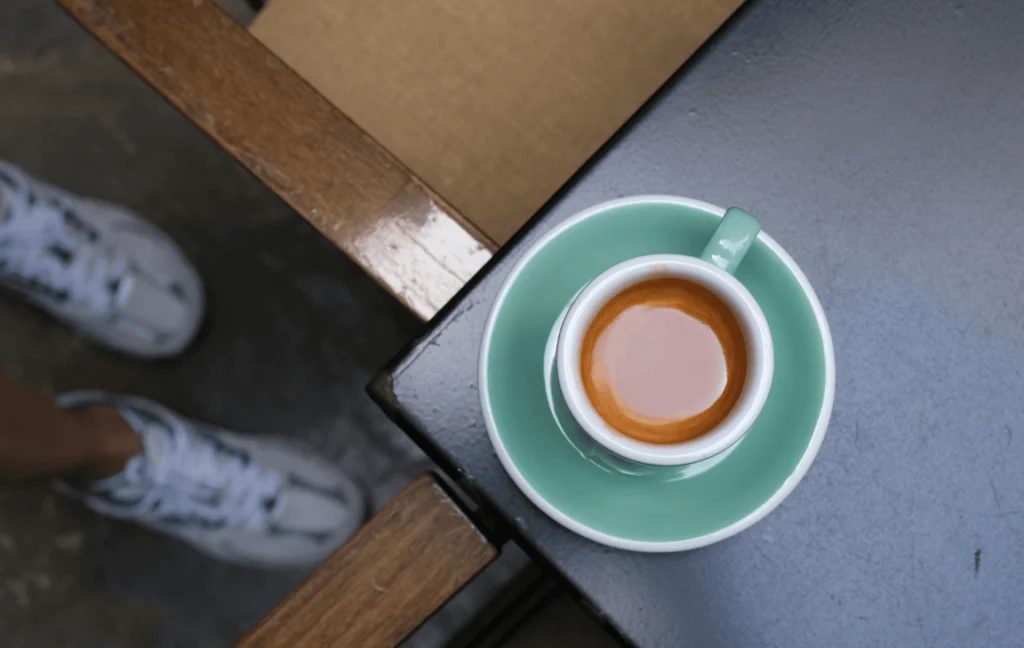
The concept of "slow mornings" is a direct rejection of the "hustle culture" that dominated the early 2010s. Market research indicates a growing interest in "slow living," a movement that encourages a more intentional and decelerated approach to daily tasks. This is reflected in the consumer shift toward high-quality coffee rituals, journaling, and meditation, all of which prioritize the experience of time over the efficiency of the morning routine.
5. The Search for Meaningful Work
The "Great Resignation" and the subsequent "Quiet Quitting" trends highlighted a fundamental shift in the labor market. A 2022 Gallup report found that only 21% of employees are engaged at work. Meaningful work—defined as labor that aligns with one’s values and provides a sense of purpose—has become a primary goal for the modern workforce. For many, the luxury of meaningful work is now prioritized over higher salaries or prestigious titles.

6. Relational Wealth: A Home Full of Love
Social isolation has been described by the U.S. Surgeon General as a public health epidemic. In this context, a "home full of love" is not merely a sentimental ideal but a critical component of longevity and mental health. The Harvard Study of Adult Development, one of the world’s longest-running studies on happiness, concluded that strong relationships are the most significant predictor of health and happiness in old age.
The Role of Marketing and "Counterfeit Luxury"
The advertising industry has been quick to capitalize on this shift in values. Modern marketing often attempts to sell "counterfeit" versions of these intangible luxuries. A luxury candle is marketed as "peace in a jar," while expensive athletic wear is sold as a shortcut to a "healthy lifestyle."
Industry analysts observe that this "wellness-washing" or "lifestyle-marketing" is designed to provide the aesthetic of the six luxuries without requiring the difficult lifestyle changes necessary to achieve them. For example, it is easier for a consumer to purchase a $100 yoga mat than it is to commit to a daily practice that fosters a quiet mind. The article’s assertion that these luxuries "cannot be bought at a store" challenges the core mechanism of consumer capitalism, which posits that every human need can be satisfied through a transaction.
Structural Challenges and Socioeconomic Context
While the pursuit of these luxuries is often framed as a matter of personal choice and intentionality, sociologists point out that socioeconomic factors play a significant role. The "luxury" of a slow morning or a quiet mind is significantly more difficult to attain for individuals working multiple jobs or living in areas with limited access to green spaces and healthcare.
Official responses from labor advocates suggest that for these luxuries to be accessible to the broader population, structural changes are required. This includes the implementation of four-day workweeks, increased access to mental health services, and policies that support work-life balance. Without these systemic supports, the six luxuries may remain an exclusive domain for the affluent, despite not being "for sale" in the traditional sense.
Chronology of the Minimalist Movement
The rise of this perspective can be traced through a clear chronology over the last two decades:
- 2008-2010: The global financial crisis prompts a reevaluation of consumerism and the "American Dream."
- 2011-2015: The rise of minimalism as a lifestyle movement, popularized by authors and bloggers focusing on "living with less."
- 2016-2019: The "Wellness Industrial Complex" begins to mainstream the ideas of mindfulness and self-care.
- 2020-2022: The COVID-19 pandemic acts as a global catalyst, forcing individuals to reassess their relationship with work, time, and home life.
- 2023-Present: The emergence of "Quiet Luxury" and "De-influencing" on social media, signaling a rejection of overt consumerism in favor of understated, quality-driven lifestyles.
Broader Impact and Implications
The shift toward valuing intangible luxuries has significant implications for the global economy. As consumers prioritize time and health over "things," traditional retail sectors may face challenges, while the service, wellness, and "experience" economies are likely to see continued growth.
Furthermore, this shift may lead to a redefinition of the "wealthy" individual. In the future, the person with the most "wealth" may not be the one with the highest net worth, but the one with the most autonomy over their time and the highest quality of personal relationships.
Ultimately, the viral resonance of the "six luxuries" suggests a collective realization that the most valuable aspects of the human experience are those that are built through consistent, intentional action rather than acquired through financial exchange. While the world continues to offer manufactured substitutes, the data suggests that the pursuit of genuine, non-material luxury is becoming the new standard for a life well-lived. This transition from "having" to "being" represents a significant evolution in the cultural zeitgeist, emphasizing that while money can provide comfort, it cannot manufacture the depth of a life rich in meaning and connection.