rifanmuazin
The digital marketing landscape has undergone a profound transformation, elevating social media analytics from a supplementary tool to an indispensable pillar of strategic decision-making for businesses, marketers, and individual creators alike. What was once a fragmented, often anecdotal understanding of online performance has matured into a sophisticated, data-driven discipline, critical for navigating the complexities of multi-platform engagement and optimizing digital presence. The journey from simply posting content to meticulously analyzing its impact highlights a fundamental shift towards accountability and efficiency in the digital realm.
The Evolution of Digital Measurement: From Vanity Metrics to Actionable Intelligence

For many early adopters of social media, the initial foray into platforms like LinkedIn, Facebook, or Instagram was often characterized by a trial-and-error approach. Posts were published, and success was loosely gauged by visible indicators such as "likes" or "shares." This rudimentary understanding, however, quickly proved insufficient as competition intensified and the stakes for online visibility grew. The inability to discern why certain content resonated while other efforts floundered underscored a critical gap in strategic planning.
The turning point arrived with the widespread adoption of social media analytics. Suddenly, the nebulous world of online engagement began to yield concrete data: which headline hooks captivated audiences most effectively, the optimal times for content dissemination to maximize reach and interaction, and the ideal length and format for posts across diverse platforms. This data-driven clarity transformed content strategy from an art of intuition into a science of optimization, enabling creators and brands to replicate success and systematically refine their approaches.
The proliferation of social media platforms further complicated the measurement challenge. While native analytics dashboards offered by each platform provide a baseline understanding of performance, they present inherent limitations. Manually consolidating insights from LinkedIn, Instagram, X (formerly Twitter), and TikTok dashboards into a cohesive overview is a time-consuming endeavor, prone to inconsistencies. Moreover, native analytics often suffer from "blind spots"—critical data points that are either unavailable or presented without sufficient context. For example, LinkedIn’s native analytics might lack detailed timestamps on past posts, making it arduous to precisely identify peak engagement hours. This fragmentation and lack of granular detail spurred the demand for more comprehensive, integrated solutions.

Bridging the Gap: The Rise of Third-Party Analytics Tools
The limitations of native dashboards paved the way for a burgeoning industry of third-party social media analytics tools. These specialized software solutions are designed to aggregate, analyze, and interpret performance data from multiple social media channels into a single, unified dashboard. This not only streamlines the reporting process but also unlocks deeper, cross-platform insights that are otherwise impossible to obtain. The market has responded with a diverse array of tools tailored to various needs, from individual creators and small businesses to large enterprises and marketing agencies.
Social media analytics, at its core, refers to the quantitative and qualitative data that illustrates the performance of posts and campaigns across different platforms. It moves beyond superficial metrics to answer critical strategic questions such as: "Which content themes drive the highest conversion rates?" "What demographic segments are most receptive to our messaging?" and "How does our brand sentiment compare to competitors?" By measuring performance against predefined social media goals, these tools enable continuous improvement and demonstrable return on investment (ROI).
Distinguishing Analytics from Management: A Spectrum of Solutions
The ecosystem of social media tools can be broadly categorized into dedicated analytics platforms and comprehensive social media management software. Dedicated analytics tools, as their name suggests, focus solely on providing performance insights. Management software, on the other hand, integrates analytics with a broader suite of functionalities, including content scheduling, audience engagement tools, content curation, and idea storage. The choice between these two often hinges on the user’s specific operational needs and budget.
For many social media managers and content creators, particularly within small to medium-sized teams, an all-in-one social media management tool with robust analytics capabilities is often the preferred choice. The convenience of having scheduling, engagement, and reporting functionalities within a single interface significantly enhances workflow efficiency. However, standalone analytics tools serve a crucial niche for users requiring highly specialized data analysis, deep competitive intelligence, or integration with broader market research initiatives that might exceed the scope of typical management platforms.
Key Players in the Analytics Arena: A Diverse Toolkit for Diverse Needs
The market offers a rich tapestry of social media analytics tools, each distinguished by its unique strengths, target audience, and feature set. Below is an overview of prominent solutions, highlighting their capabilities and ideal use cases.
-
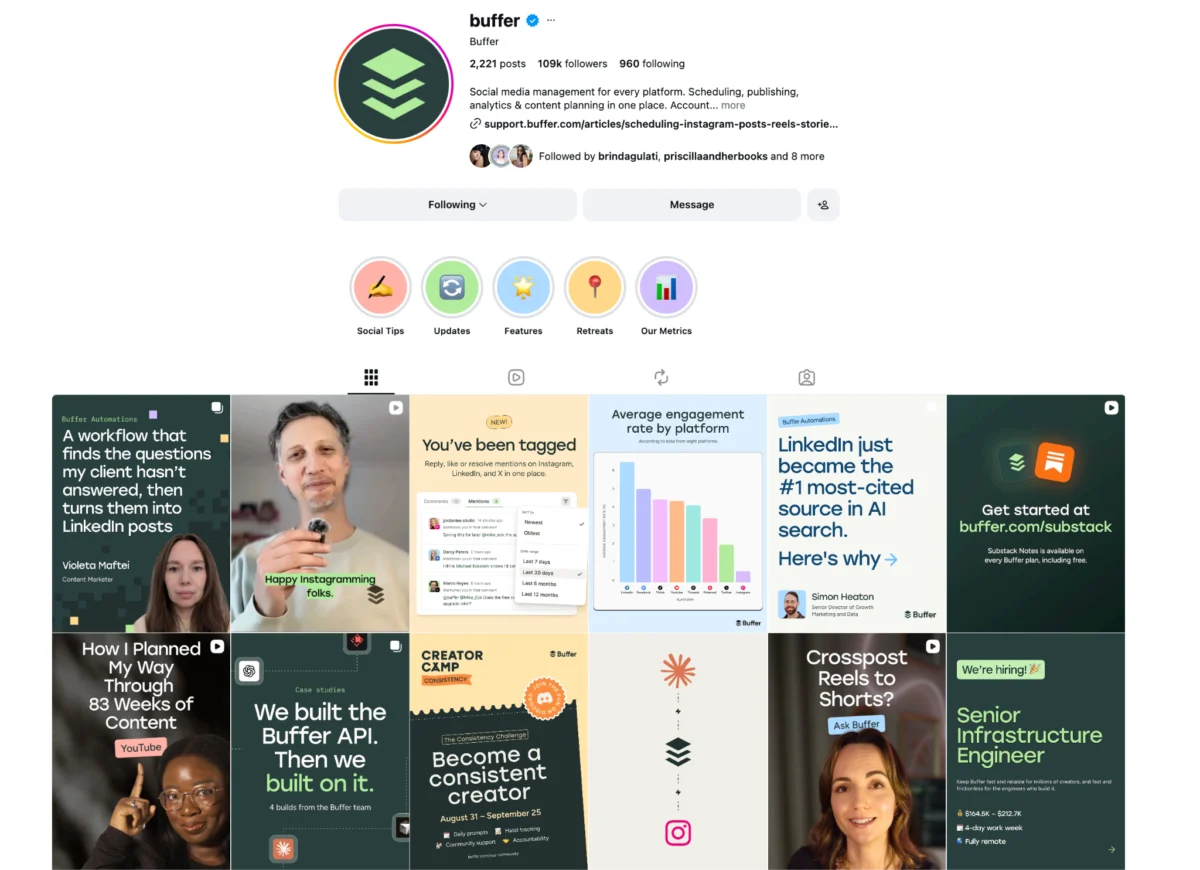
Buffer: The Creator and Small Team Champion
- Best for: Creators and small teams seeking an intuitive, flexible social media toolkit.
- Features: Buffer excels in simplifying the analytics process. Its dashboard immediately presents key insights like post-performance breakdowns, optimal posting times, and engagement trends. It translates raw data into actionable recommendations, crucial for time-constrained users. Beyond basic metrics, it offers detailed data on reach, impressions, follower growth, clicks, and comment analysis. Customizable, branded reports can be generated with ease, eliminating manual data compilation.
- Price: Free plan available for up to three social media platforms (10 posts/channel); paid plans with advanced analytics start at $6 per month.
- Supported Platforms: Bluesky, Facebook, Google Business, Instagram, LinkedIn, Mastodon, Pinterest, Threads, TikTok, X, YouTube.
-
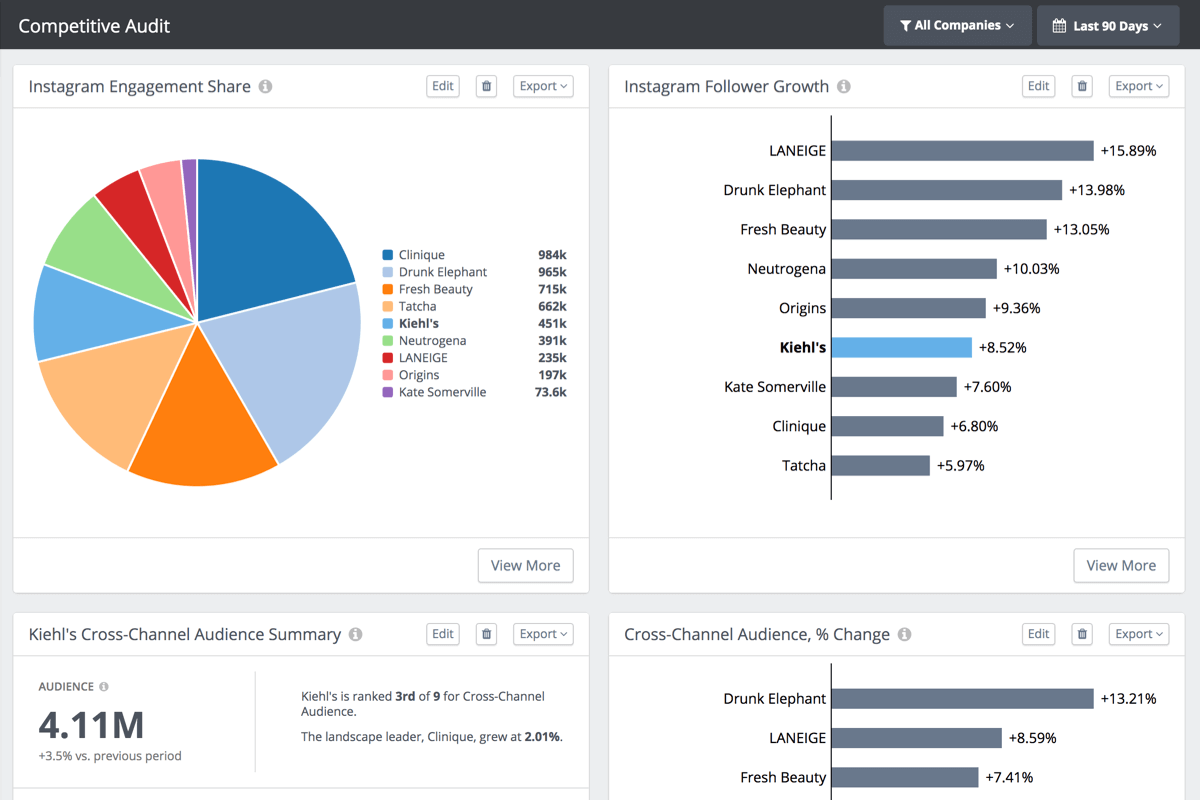
Rival IQ: The Agency’s Competitive Edge
- Best for: Large agencies requiring in-depth competitive and social listening analysis.
- Features: Rival IQ distinguishes itself by integrating competitive analysis and social listening directly into its analytics suite. This eliminates the need for multiple platforms, offering a holistic view of the market landscape. Its competitive benchmarking capabilities are particularly strong, allowing agencies to track competitor follower growth, engagement rates, and top-performing content. This functionality is invaluable for informing client strategies and reporting against market benchmarks.
- Price: Plans start at $239 per month, with a 14-day free trial.
- Supported Platforms: Facebook, Instagram, LinkedIn, TikTok, X, YouTube.
-
Keyhole: Unlocking Market Research Potential
- Best for: Market research professionals and strategists needing powerful historical insights.
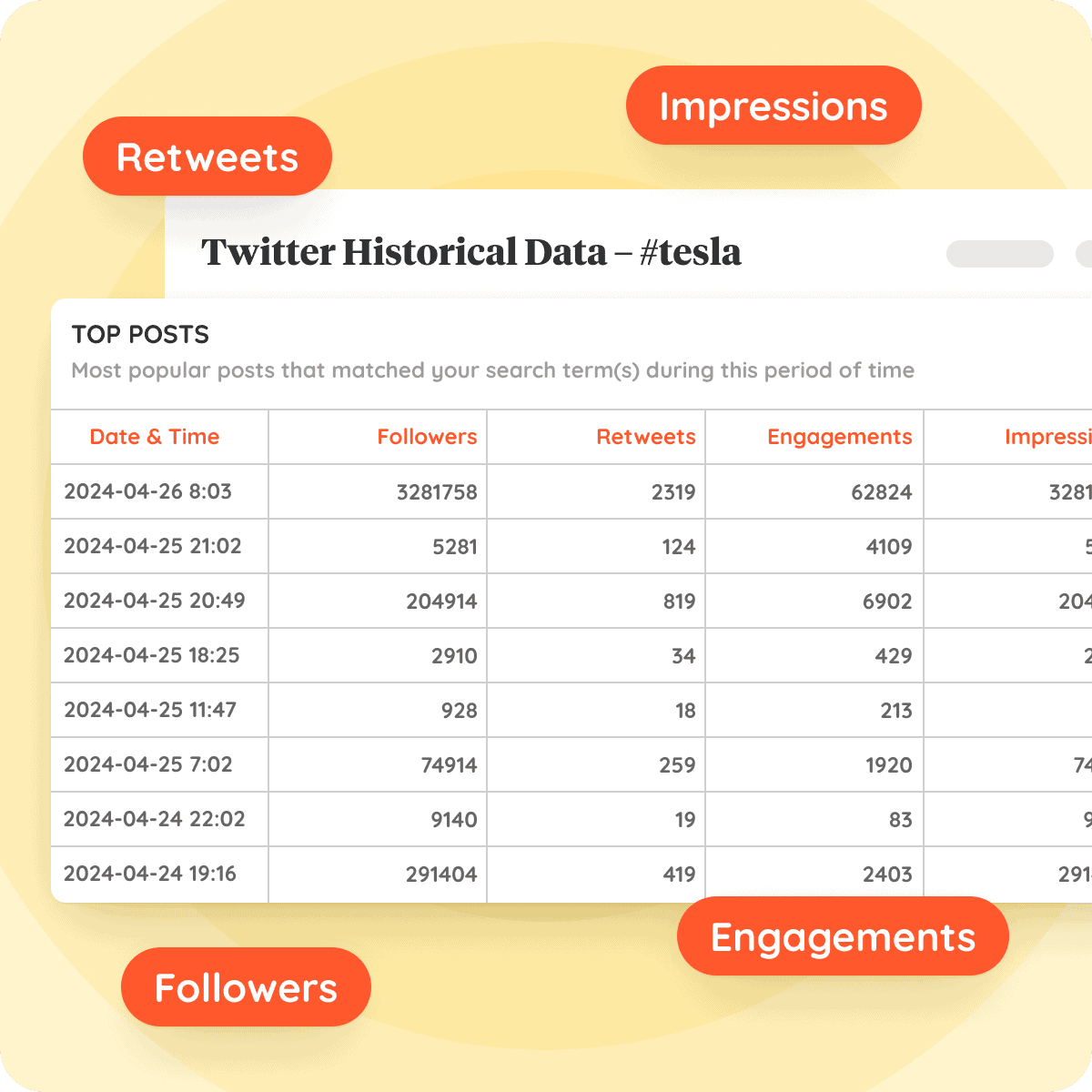
- Features: Keyhole is a dedicated analytics tool that combines competitive analysis with robust market research capabilities. Its strength lies in its ability to provide historical insights and real-time data for trend identification and campaign monitoring. Users can track brand mentions, hashtag performance, and sentiment over extended periods, offering deep understanding of evolving conversations. While its most powerful historical data features are primarily focused on X (formerly Twitter) and can incur additional costs, these insights are crucial for product development and long-term content strategy.
- Price: Not publicly available; historical reports start at $50.
- Supported Platforms: Facebook, Instagram, LinkedIn, TikTok, X, YouTube.
-
Social Status: Optimizing Ads and Influencer Campaigns for Small Businesses
- Best for: Small businesses managing both organic and paid social media strategies, including influencer partnerships.
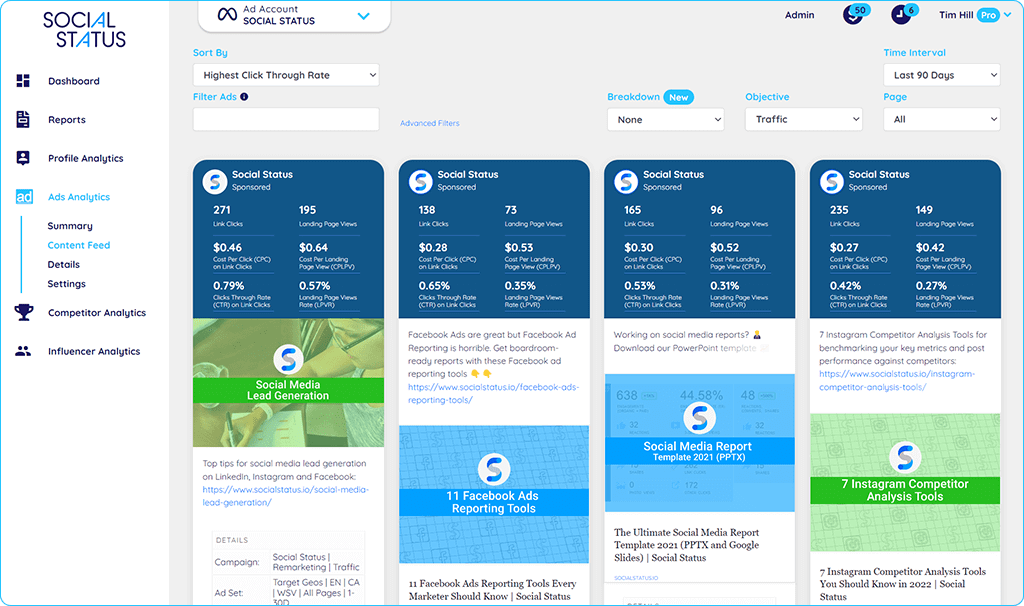
- Features: Social Status provides a comprehensive dashboard for tracking performance across organic posts, paid advertisements, and influencer campaigns. It delivers key performance indicators (KPIs) like likes, impressions, comments, and shares, alongside specific metrics for ad performance (click-through rates, cost per click) and influencer campaign effectiveness (reach, engagement, ROI). This integrated view simplifies the complex task of collating insights for businesses engaged in diverse social media marketing efforts.
- Price: Free plan available; paid plans start at $99 per month.
- Supported Platforms: Facebook, Instagram, LinkedIn, TikTok, X, YouTube.
-
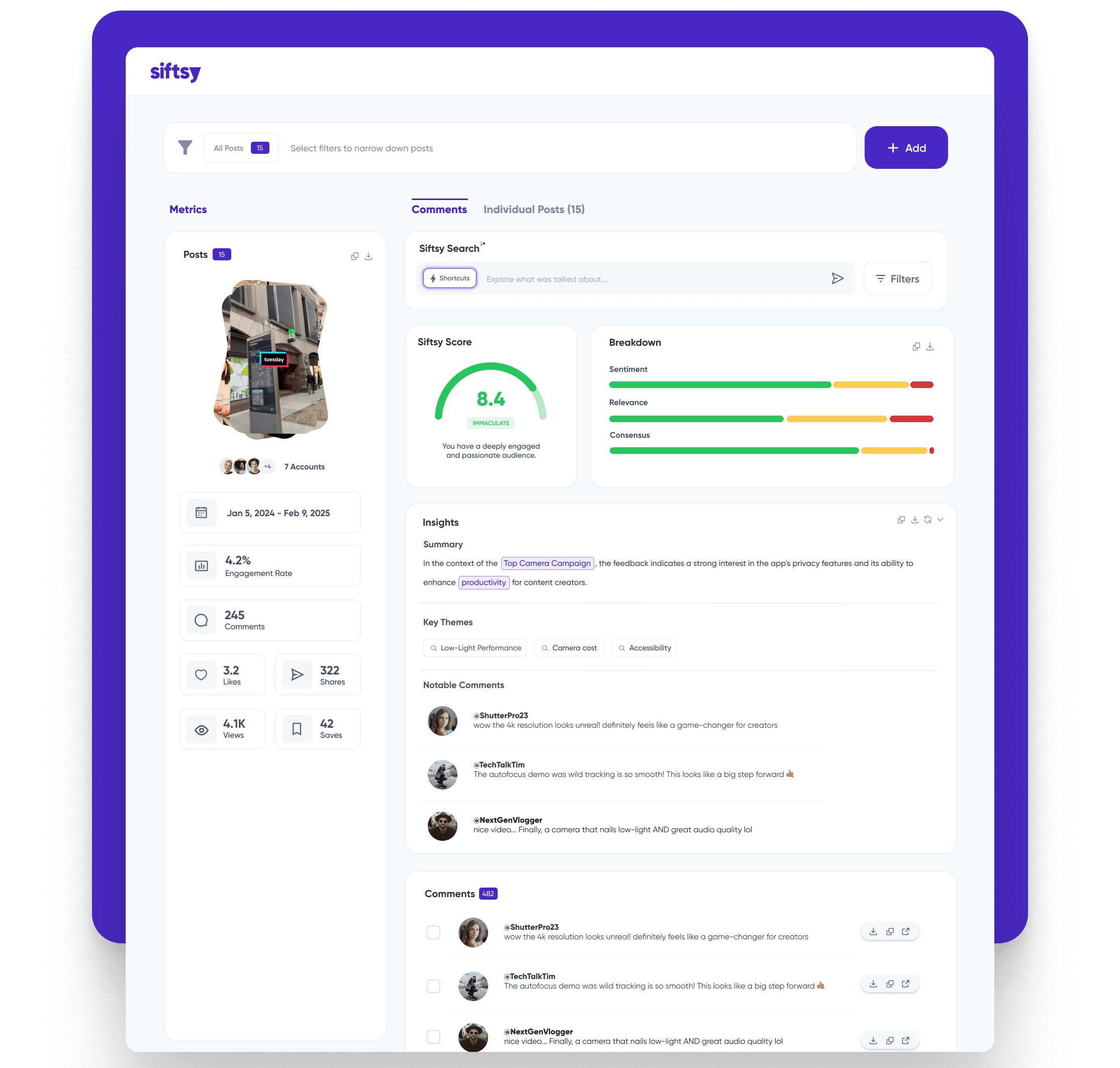
Siftsy: Deciphering the "Why" Behind Engagement
- Best for: Analyzing comments and understanding sentiment on social media posts.
- Features: Siftsy addresses a crucial qualitative gap in analytics by focusing on comment analysis. It uses AI to pull sentiment from comments across various channels, helping users understand the "why" behind their numeric data. By analyzing feedback from product launches, marketing campaigns, or brand crises, Siftsy provides summarized key takeaways and highlights valuable insights, transforming raw comments into actionable intelligence for content refinement and audience understanding.
- Price: Not publicly available.
- Supported Platforms: Instagram, LinkedIn, TikTok, X, YouTube.
-
Vista Social: Integrated Reputation and Social Management
- Best for: Businesses tracking customer reviews alongside social media performance.
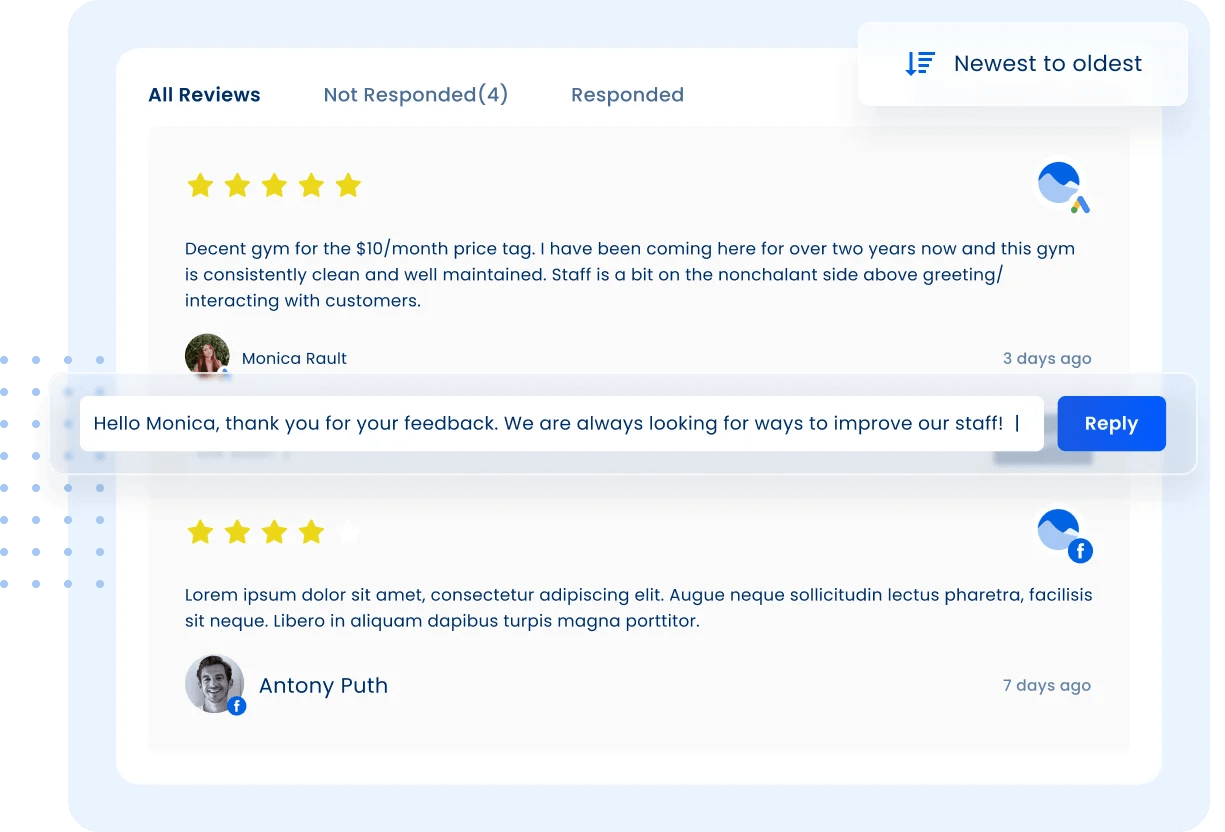
- Features: Vista Social is a comprehensive social media management platform that extends its capabilities to review management. It consolidates feedback from numerous review sites (e.g., Google Business, Yelp, TripAdvisor) into a single dashboard, allowing businesses to monitor ratings, respond to reviews, and identify sentiment trends. This integration is vital for maintaining online reputation while simultaneously managing social media content and engagement.
- Price: Plans start at $79 per month, with a 14-day free trial.
- Supported Platforms: Apple Play Store, Bluesky, Facebook, Google Business, Google Play Store, Instagram, LinkedIn, OpenTable, Pinterest, Reddit, Snapchat, Threads, TikTok, TripAdvisor, Trustpilot, Tumblr, X, Yelp, YouTube, and more.
-
Typefully: Mastering Text-Centric Social Networks
- Best for: Optimizing performance on social media networks that emphasize text-only posts, particularly X.
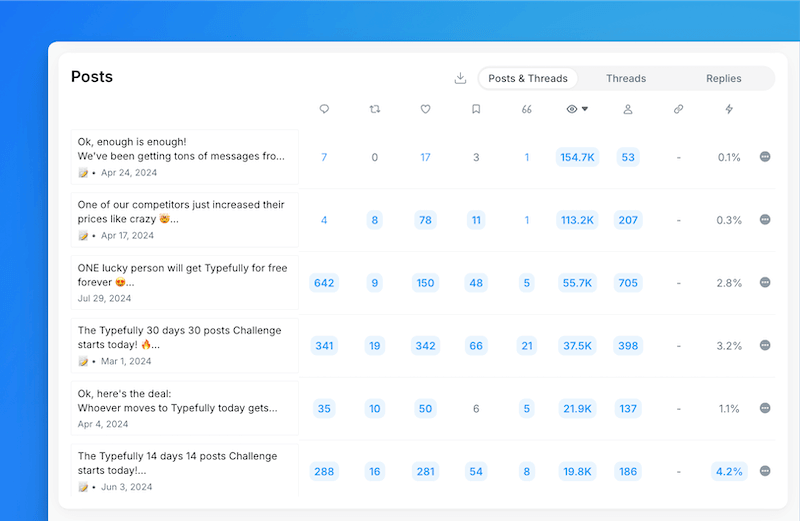
- Features: Typefully excels in analytics tailored for platforms like X. It provides unique metrics such as "profile conversion rate," which measures how many profile visitors convert into followers—a key indicator of content appeal and profile optimization. It also tracks essential metrics like impressions, follower growth, and replies (comments), offering specialized insights for maximizing impact on text-heavy platforms. Its user-friendly interface and "viral thread hooks" inspire effective content creation.
- Price: Free plan for 15 posts/month; paid plans start at $16 per month (yearly billing required).
- Supported Platforms: Bluesky, LinkedIn, Mastodon, Threads, X.
-
Tailwind: The Pinterest Powerhouse
- Best for: Businesses and creators focused on Pinterest for traffic generation and visual marketing.
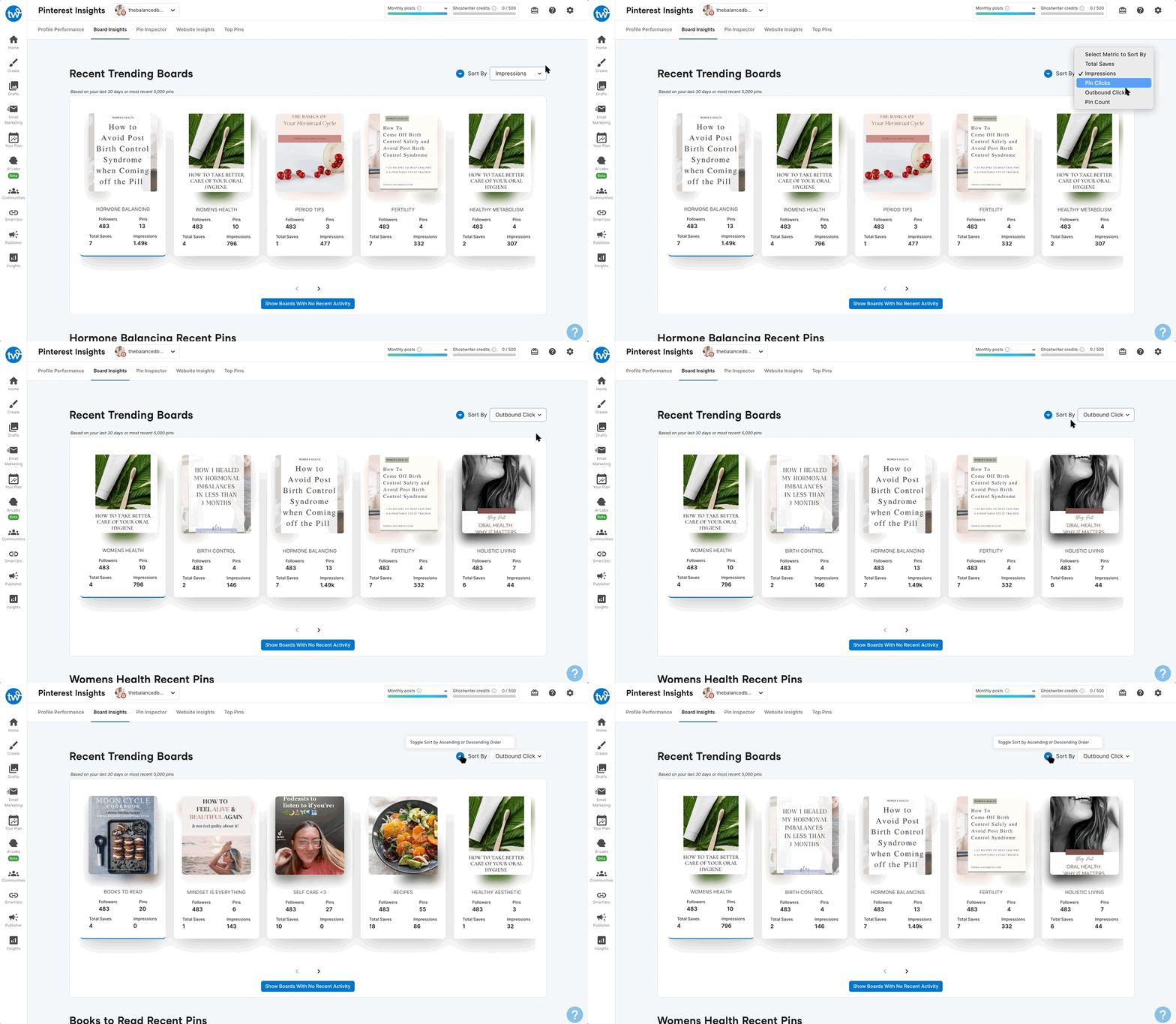
- Features: Tailwind is specifically designed to navigate the unique landscape of Pinterest, which functions as both a social network and a search engine. Its standout feature is its Google Analytics integration, allowing users to track which pins drive the most website traffic, enabling data-driven content replication. Tailwind offers granular analytics, from overall board performance to individual pin metrics, including impressions, saves, repins, and follower growth, making it an essential tool for Pinterest-centric strategies.
- Price: Free plan for five posts/month; paid plans start at $29.99 per month.
- Supported Platforms: Facebook, Instagram, Pinterest.
-
DashThis: The All-in-One Marketing Dashboard
- Best for: Marketing teams needing a comprehensive overview of social media’s contribution to broader marketing efforts.
- Features: DashThis is a marketing reporting software with robust social media analytics integrations. It connects over 30 platforms, including Google Analytics, HubSpot, Ahrefs, and various ad platforms (TikTok Ads, Meta Business Suite), to provide a unified view of both organic and paid marketing performance. While its social media insights are foundational (likes, comments, shares, impressions), its strength lies in its ability to consolidate diverse marketing data into customizable, shareable reports, making it ideal for large marketing teams with complex tech stacks and unlimited users.
- Price: Plans begin at $49 per month, with a 15-day free trial.
- Supported Platforms: Facebook, Instagram, LinkedIn, Pinterest, TikTok, YouTube.
-
Socialinsider: AI-Driven Content Pillar Optimization
- Best for: Advanced users seeking AI-driven insights for content pillar strategy and competitive analysis.
- Features: Socialinsider offers sophisticated AI-driven insights into content pillar performance, helping users understand which thematic categories resonate most with their audience. Higher-tier plans include AI-powered competitive analysis, allowing brands to identify successful content pillars utilized by competitors. Its post-tagging feature enables collective monitoring of campaign or content pillar performance, providing a nuanced understanding of strategic initiatives.
- Price: Plans start at $99 per month, with a 14-day free trial.
- Supported Platforms: Facebook, Instagram, LinkedIn, TikTok, X, YouTube.
-
Talkwalker: Deep Dive into Audience Insights
- Best for: Global brands and enterprises requiring in-depth audience understanding and sentiment analysis.
- Features: Talkwalker excels in providing comprehensive audience insights by analyzing data from various sources, including customer calls, support tickets, and online communities. Its advanced audience segmentation features allow for demographic-based data slicing, revealing actionable insights for diverse global audiences. The integration of an AI assistant, Yeti, further streamlines access to specific demographic data. With its recent acquisition by Hootsuite, Talkwalker’s powerful analytics are increasingly integrated into a broader social media management ecosystem, offering advanced monitoring, listening, and reporting capabilities.
- Price: Not publicly available; higher-tier Hootsuite plans (starting at $199/month) incorporate Talkwalker features.
- Supported Platforms: Facebook, Instagram, YouTube, Pinterest, X, and more.
The Strategic Imperative: Beyond Numbers to Business Impact
The proliferation and sophistication of social media analytics tools underscore a critical shift in how organizations approach their digital presence. No longer a mere exercise in counting "likes," social media analysis is now a strategic imperative for understanding audience behavior, refining content strategies, optimizing ad spend, and ultimately, driving business growth.
The ability to move beyond raw data to derive actionable insights is paramount. Effective analytics empowers marketers to identify their most impactful content types, understand the factors contributing to past successes, and make informed adjustments to their strategies to enhance ROI. The availability of ready-made report templates within many of these tools further streamlines the process, allowing teams to generate polished, share-worthy presentations in minutes, freeing up valuable time for creative work and strategic planning.
Industry analysts consistently highlight the increasing investment in advanced analytics solutions as a key differentiator for competitive advantage. The ability to monitor brand health, conduct real-time competitive benchmarking, and predict content trends based on historical data provides a significant edge in a crowded digital marketplace. The future of social media analytics is likely to see even deeper integration of artificial intelligence for predictive modeling, hyper-personalization of content, and increasingly sophisticated sentiment analysis, transforming how brands connect with their audiences.
For individuals and organizations alike, embracing robust social media analytics is no longer optional. It is the compass guiding effective digital strategy, ensuring that every post, campaign, and interaction is not just seen, but understood, optimized, and leveraged for measurable success.