Cintya Tara Annisa
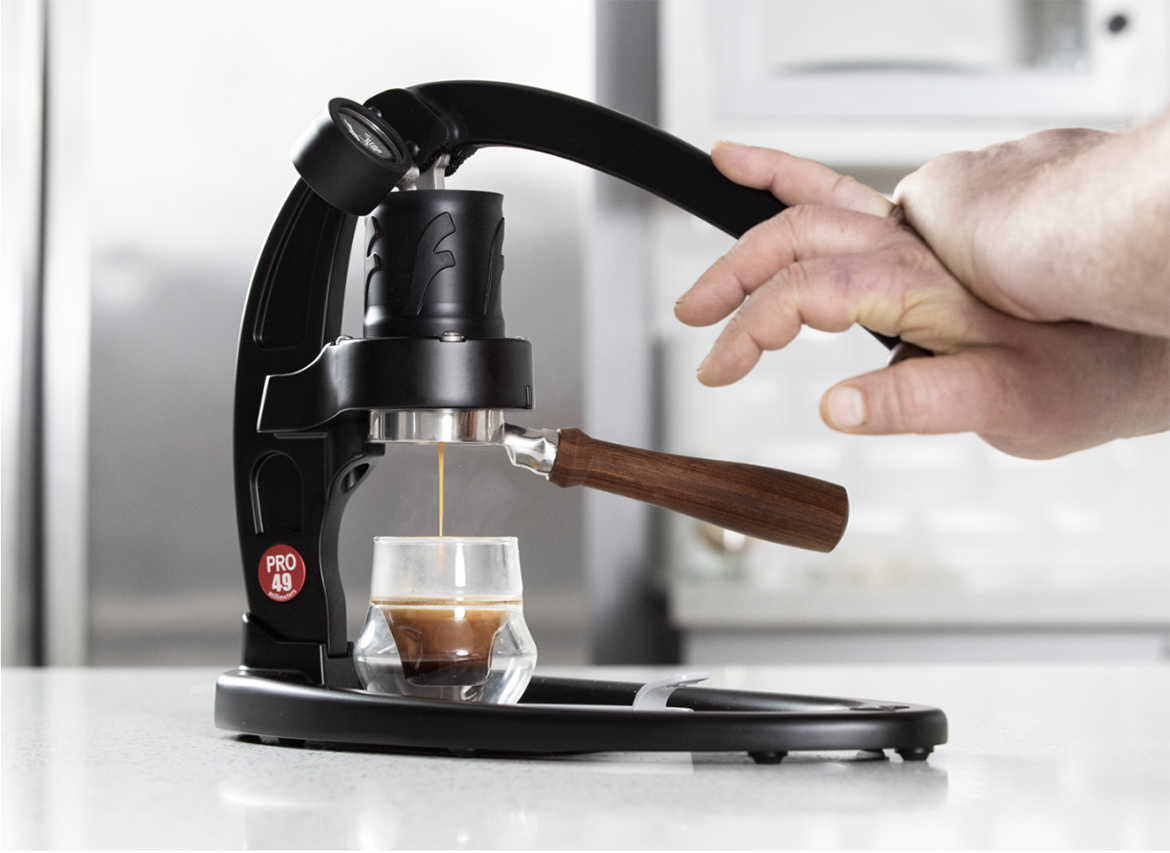
Flair Espresso, a prominent manufacturer of manual coffee equipment, has announced the upcoming release of the Flair 49 PRO, a significant expansion of its professional-grade lever espresso machine lineup. Slated for a mid-March 2026 launch, the Flair 49 PRO represents a strategic fusion of vintage espresso heritage and modern mechanical engineering. The machine is distinguished by its 49mm portafilter system and a complete lack of electronic components, positioning it as a high-performance, sustainable tool for the home barista market. By reintroducing the 49mm standard, a diameter that rose to prominence in the mid-20th century, Flair aims to offer a unique extraction profile that caters to both traditionalists and modern enthusiasts seeking deeper coffee beds and increased extraction efficiency.
Technical Specifications and the 49mm Paradigm
The centerpiece of the new Flair 49 PRO is its namesake 49mm portafilter basket. While the industry standard for commercial machines has largely settled on 58mm, the 49mm diameter has maintained a cult following since its introduction in the 1960s, most notably featured on iconic lever machines like the La Pavoni Europiccola. The decision to adopt this size for the new PRO model is rooted in the physics of espresso extraction. A narrower basket results in a taller, deeper coffee puck for a given dose of coffee. This increased depth provides more resistance and allows for a more forgiving dial-in process, particularly when using manual lever pressure where flow control is managed by the user’s tactile feedback.
The Flair 49 PRO also features a signature redwood handle, providing an ergonomic and aesthetic upgrade that emphasizes the tactile nature of manual brewing. The construction focuses on high-grade stainless steel and aluminum, ensuring thermal stability and durability. Unlike semi-automatic machines that rely on internal boilers and electronic pumps, the 49 PRO utilizes a manual lever system, giving the user total control over the pressure curve throughout the entire extraction process. This "analog" approach eliminates the common points of failure found in electronic espresso machines, such as pump burnout or circuit board malfunctions, contributing to the machine’s longevity.
A Chronology of the Flair PRO Lineage
The announcement of the Flair 49 PRO marks the latest chapter in a decade-long evolution for the brand. Flair Espresso first entered the market via a successful crowdfunding campaign, challenging the notion that high-quality espresso required a multi-thousand-dollar investment in electronic hardware.
- 2016: The original Flair Classic was introduced, establishing the "foldable" manual press concept.
- 2018: The first PRO model was launched, featuring a larger brew chamber and a dedicated pressure gauge, allowing users to monitor bars of pressure in real-time.
- 2020: The PRO 2 was released, refining the thermal management and adding a removable spout, which became a staple for home baristas looking to experiment with "bottomless" extractions.
- 2021-2023: Flair expanded into the 58mm market with the Flair 58, incorporating electric pre-heating to bridge the gap between manual and commercial workflows.
- 2026 (Projected): The Flair 49 PRO returns to the brand’s roots of non-electronic brewing while utilizing the specific 49mm geometry to offer a different tactile and flavor profile than the 58mm or the original 46mm Classic lines.
This timeline demonstrates a clear trajectory toward diversifying the manual brewing experience. While the Flair 58 targeted those who wanted compatibility with commercial accessories, the Flair 49 PRO targets the "purist" demographic—users who value the historical significance of the 49mm basket and the simplicity of a machine that requires no power outlet.
The Physics and Benefits of Deeper Coffee Beds
The return to the 49mm format is not merely a stylistic choice; it is backed by data regarding extraction uniformity and puck integrity. In a 58mm basket, a standard 18-gram dose of coffee creates a relatively thin puck. Any inconsistency in the grind or the distribution is magnified because the water has a shorter path to travel, increasing the risk of "channeling"—where water finds a path of least resistance and bypasses the coffee grounds.
In contrast, the 49mm basket used in the Flair 49 PRO creates a puck that is approximately 25% deeper for the same 18-gram dose. This added depth forces the water to interact more thoroughly with the coffee grounds, often resulting in a higher extraction yield and a more syrupy body. For the manual lever user, this translates to a more stable pressure build-up. Data from independent coffee labs suggests that deeper pucks can be more resilient to slight variations in tamping pressure, making the 49 PRO an ideal tool for those still mastering the nuances of manual espresso.
Economic and Environmental Implications
In an era of "smart" appliances and planned obsolescence, the Flair 49 PRO stands as a counter-movement. The absence of electronics is a deliberate design choice that aligns with growing consumer demand for sustainable, "buy-it-for-life" products. From an environmental standpoint, the machine has a significantly lower carbon footprint than its electronic counterparts. It requires no electricity to operate—users typically heat water in a separate kettle—and its modular construction means that individual parts can be replaced or repaired rather than the entire unit being discarded.
Furthermore, the price point of the PRO lineup has traditionally occupied the mid-range of the market, making professional-level espresso accessible to a broader demographic. By maintaining an affordable price for the 49 PRO, Flair Espresso is positioning itself against high-end manual competitors that often retail for double the price. Industry analysts suggest that this move could capture a significant portion of the "prosumer" market, particularly among younger coffee enthusiasts who prioritize both quality and sustainability.
Official Responses and Market Positioning
While official statements from Flair’s design team emphasize "innovation through simplicity," the broader coffee industry has reacted with intrigue to the 49mm revival. Leading espresso machine technicians have noted that the 49mm size opens the door for a new ecosystem of accessories. "The 49mm standard has a rich history," noted one industry consultant. "By bringing this back in a modern, robust chassis, Flair is allowing a new generation to experience the specific texture and mouthfeel that defined the Italian espresso era of the 60s, without the maintenance headaches of vintage machines."
Internal sources at Flair suggest that the 49 PRO was developed in response to direct feedback from the community. Many users expressed a desire for a machine that combined the portability and "pure manual" feel of the earlier PRO models with a more standardized (yet unique) basket size that could accommodate high-precision aftermarket filters. The 49 PRO is the direct result of this synthesis, offering a "bridge" between the entry-level manual experience and the high-end commercial workflow.
Impact on the Home Barista Community
The release of the Flair 49 PRO is expected to invigorate the secondary market for coffee accessories. Third-party manufacturers of precision baskets, distribution tools, and tampers are likely to see increased demand for 49mm variants, which have historically been a niche segment of the market.
Additionally, the 49 PRO’s portability remains a key selling point. Like its predecessors, the machine is designed to be disassembled and transported in a custom carrying case. This allows professional baristas to maintain their standards while traveling or at events, further blurring the line between home brewing and professional service. The inclusion of the redwood handle also signals a shift in the aesthetic expectations of the manual brewing community, where the visual appeal of the equipment is becoming as important as the quality of the shot it produces.
Conclusion and Future Outlook
As the mid-March 2026 launch date approaches, Flair Espresso is finalizing the production of the 49 PRO, ensuring that it meets the rigorous standards of the PRO lineup. The machine represents a calculated bet on the idea that the future of coffee may lie in its past. By stripping away the electronics and focusing on the fundamental variables of pressure, temperature, and puck geometry, Flair is providing a tool that rewards the skill of the operator.
The broader implications for the coffee industry are clear: there is a growing, permanent niche for manual equipment that offers no-compromise quality. As more consumers move away from capsule-based systems and toward specialty coffee, tools like the Flair 49 PRO provide an entry point into a deeper understanding of the craft. With its blend of 1960s inspiration and 2020s engineering, the Flair 49 PRO is poised to become a benchmark in the manual lever category, proving that sometimes, the best way to move forward is to look back at the mechanical foundations that made espresso a global phenomenon.
For those interested in the technical evolution of espresso, the Flair 49 PRO serves as a reminder that the diameter of a basket or the material of a handle can significantly alter the brewing experience. As the market prepares for its arrival, the 49 PRO stands as a testament to the enduring appeal of the lever—a simple machine capable of producing complex results.