 Cintya Tara Annisa
Social Responsibility and Gender Equity Initiatives
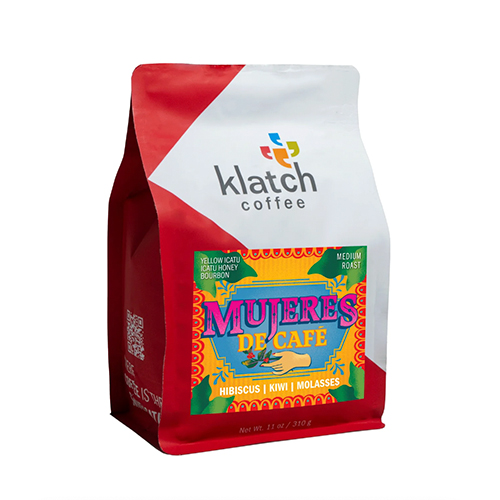
In a move that aligns with the industry’s increasing focus on social corporate responsibility, several roasters have integrated charitable components into their product launches. Klatch Coffee has introduced its "Mujeres De Café" (Women of Coffee) initiative to coincide with International Women’s Month in March. The program specifically highlights the contributions of female producers, such as Lucia Ortiz of Finca Las Mercedes. According to industry data, women perform up to 70% of the labor in coffee production but have significantly less access to land ownership and financial resources. To address these systemic disparities, Klatch has pledged to donate 20% of the proceeds from this specific selection to Grounds For Health, a non-profit organization dedicated to providing cervical cancer screenings and treatments in coffee-growing communities where medical infrastructure is often lacking.
Similarly, Portland Coffee Roasters has emphasized its "Bridge Blend," which utilizes a 50/50 ratio of Ethiopian and Peruvian beans. The Peruvian component is sourced through PRONATUR, an organization that focuses on socio-economic development and market security for small-scale growers. By guaranteeing a secure market, these initiatives aim to improve the quality of life for producers, providing a buffer against the inherent volatility of the C-market coffee price.

Technological Advancements in Processing and Fermentation
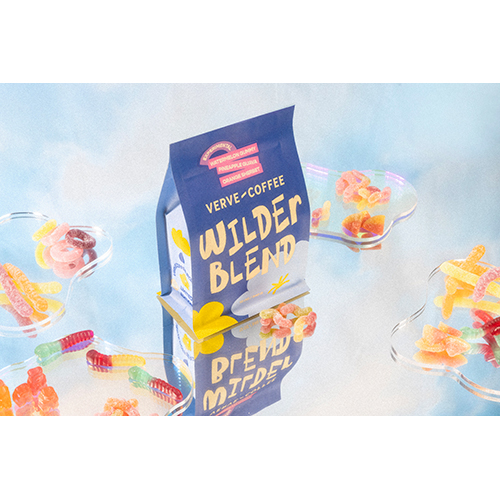
The Spring 2025 collection demonstrates a significant investment in experimental processing techniques designed to amplify specific flavor profiles. Verve Coffee Roasters has debuted its "Wilder Blend," which utilizes yeast-inoculated Colombian coffees. This method involves the introduction of specific yeast strains during the fermentation phase to control the metabolic processes, thereby enhancing aromatic complexity and sweetness while maintaining structural clarity. This reflects a wider industry trend where roasters and producers collaborate on "designer" fermentations to differentiate their products in a crowded specialty market.
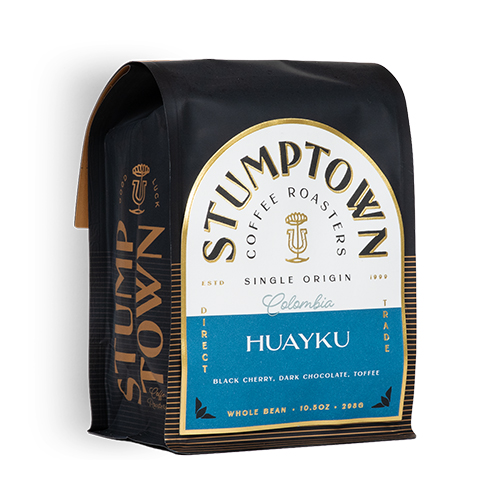
In the San Agustín region of Huila, Colombia, innovation has taken the form of co-fermentation. Presta Coffee Roasters has released a "Juicy Strawberry" lot, where coffee cherries are fermented alongside dehydrated strawberries. This technique, while controversial among traditionalists, represents a growing segment of the market focused on high-intensity, fruit-forward profiles that appeal to a younger demographic of coffee enthusiasts. Similarly, PERC Coffee’s "Super Power Plum," produced by renowned innovator Diego Bermudez, utilizes advanced thermal shock and anaerobic fermentation to achieve a profile described by red fruit and honey notes.
Long-term Partnerships and Farm Stability
Sustainability in the specialty coffee sector is increasingly measured by the longevity of trade relationships. Madcap Coffee has entered its 16th year of partnership with the Prentice family at Finca de Dios in Guatemala. Such long-term agreements provide farmers with the financial stability necessary to invest in farm infrastructure and agronomy. The Prentice family, led by Ellen and Stuart alongside their daughter Ashley, manages a 19-hectare estate that utilizes various microclimates to produce high-quality lots.
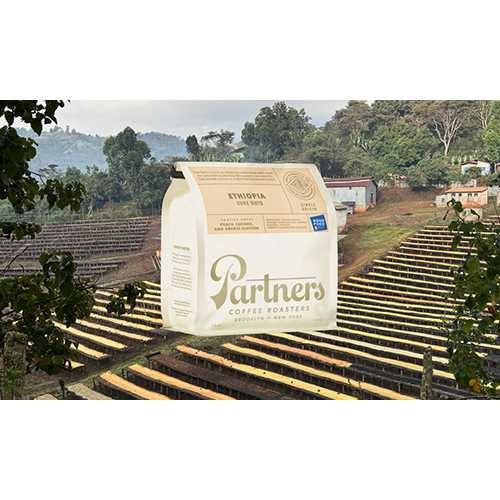
Partners Coffee has also highlighted its longest-running relationship in Ethiopia with Suke Quto. Founded in 2000 by Tesfaye Bekele, the farm originated as a forest conservation project. Today, it serves as a global model for sustainable coffee farming, integrating coffee cultivation with forest preservation. These multi-decade partnerships are essential for mitigating the risks posed by climate change, as they allow for shared investment in resilient crop varieties and soil health.
Preservation of Endangered Estates and Urbanization Challenges
The release from Onyx Coffee Lab highlights a critical challenge facing the coffee industry: the encroachment of urbanization on agricultural land. Their "Kenya Elshadai Coffee Estate Natural" may represent the final harvest from this specific estate in Kiambu County. As the metropolitan area of Nairobi expands, rising land values have made real estate development more profitable than coffee farming in certain regions. This "disappearing coffee landscape" is a phenomenon observed in several high-altitude regions globally, where traditional coffee lands are being converted into residential or industrial zones. The Elshadai lot, discovered by coffee professional Judy Murimi, underwent a two-day anaerobic fermentation, serving as a final tribute to the estate’s unique terroir.
Genetic Diversity and the Rise of Rare Varieties
The focus on botanical variety remains a cornerstone of the specialty sector. The Gesha (or Geisha) variety, originally from Ethiopia but made famous in Panama, continues to be a high-demand offering due to its floral complexity and clarity. Phil & Sebastian have released a washed Gesha from producer Benjamin Paz’s farm, La Salsa, in Honduras. Paz, a highly respected figure in the Central American coffee scene, has utilized his expertise to produce a lot characterized by elegance and clarity rather than overwhelming intensity.
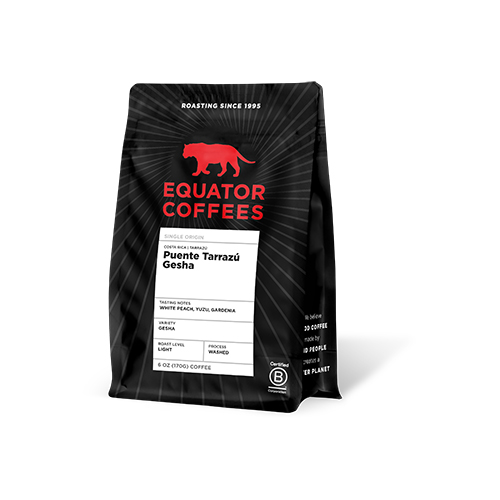
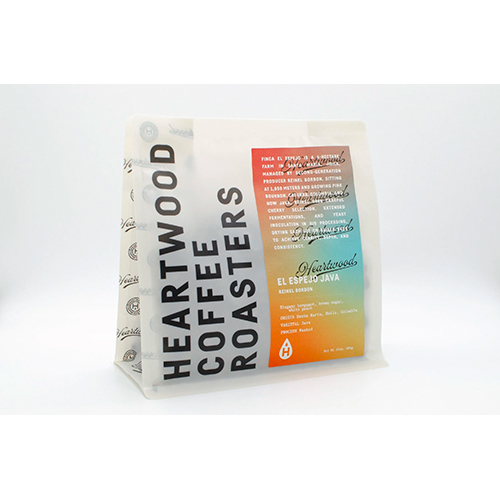
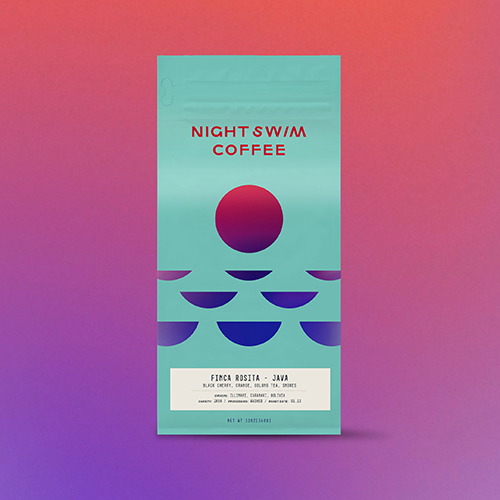
Equator Coffees has also introduced a Costa Rican Gesha from the Tarrazú region, produced by Rodolfo Rivera. This lot emphasizes the variety’s signature notes of white peach and yuzu. Beyond Gesha, the "Java" variety—a long-berry selection known for its resilience and high cup quality—is gaining prominence. Heartwood Coffee and Night Swim Coffee have both released Java variety lots from Colombia and Bolivia, respectively. Heartwood’s selection comes from Finca El Espejo at 1,850 meters above sea level (masl), while Night Swim’s lot originates from Finca Rosita in the Caranavi region of Bolivia. These releases suggest that producers are diversifying their crops to include high-quality varieties that can withstand local environmental pressures.

Traditional Methods and Competition Success
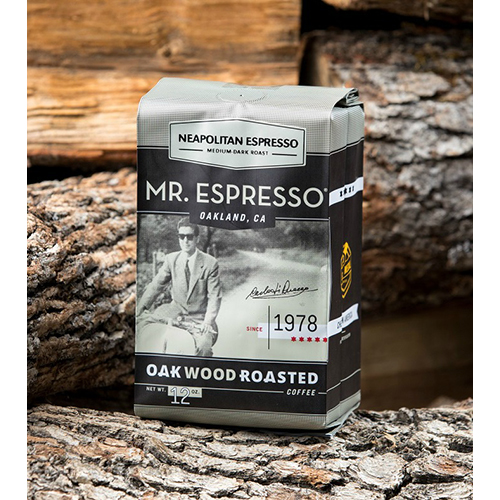
While much of the market moves toward experimental fermentation, traditional roasting methods still hold a significant place in the industry. Mr. Espresso, based in Oakland, California, continues to utilize wood-roasting for its Neapolitan Espresso Blend. This method, championed by founder Carlo Di Ruocco, uses the heat from wood fires to reduce acidity and enhance the natural sweetness of the beans, a hallmark of traditional Italian espresso.
The competitive landscape also continues to drive quality. Olympia Coffee has released a micro-lot from Las Tres Estaciones in El Salvador, which secured first place in a cupping competition hosted by Caravela Coffee during the Specialty Coffee Association (SCA) Expo. Competition lots such as these often command premium prices and serve as benchmarks for quality within the industry.
Market Implications and Consumer Trends
The diverse range of coffees released this week indicates a maturing market where consumers are increasingly educated about processing, altitude, and producer history. The price points for these offerings—ranging from $16 for traditional blends to $45 for rare variety micro-lots—reflect the high costs associated with specialty production, including labor-intensive harvesting and specialized processing equipment.
Analysts suggest that the continued success of these roasters depends on their ability to communicate the value of these "story-driven" coffees to a broader audience. As climate change continues to threaten traditional coffee-growing regions, the industry’s focus on sustainability, variety diversification, and fair compensation for producers will be vital for the long-term viability of the global supply chain. The current collection of offerings from these roasters serves as a snapshot of an industry at the intersection of tradition and radical innovation, balancing the preservation of legacy estates with the push for technological advancement.
Summary of Regional Focus and Elevation
The geographic distribution of this week’s highlights spans the most critical coffee-producing regions in the world:
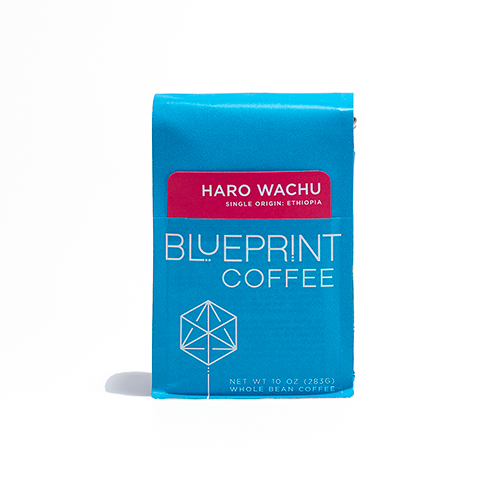
- East Africa: Ethiopia remains a dominant force, with washed lots from the Guji and Uraga districts emphasizing floral and citrus profiles (Blueprint, Partners). Kenya’s natural processing is represented through the endangered Elshadai estate (Onyx).
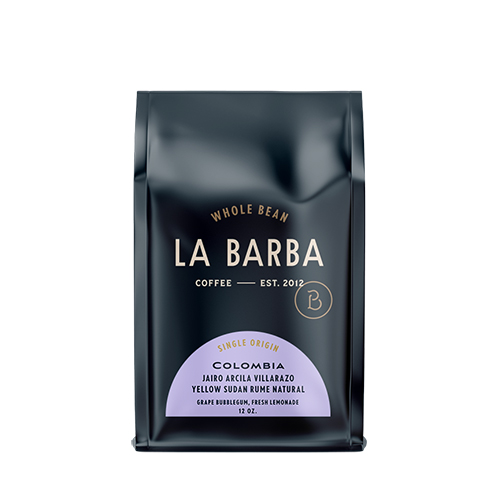
- South America: Colombia continues to lead in processing innovation, with co-ferments and yeast-inoculated lots (Presta, Verve, PERC). High-altitude Java and Pink Bourbon varieties are also emerging from the Huila region (Heartwood).
- Central America: Costa Rica and El Salvador remain centers for high-quality Gesha and competition-winning lots (Equator, Olympia).
- Bolivia: The Caranavi region is highlighted for its unique microclimates and successful cultivation of the Java variety (Night Swim).
These regions, predominantly located within the "Bean Belt" between the Tropics of Cancer and Capricorn, are seeing an upward shift in cultivation altitude to compensate for rising global temperatures. Most specialty lots are now grown above 1,500 masl, where slower cherry maturation leads to denser beans and more complex flavor profiles. This shift further underscores the importance of the technical and financial support provided by the roasting partners featured in this latest collection.