Cintya Tara Annisa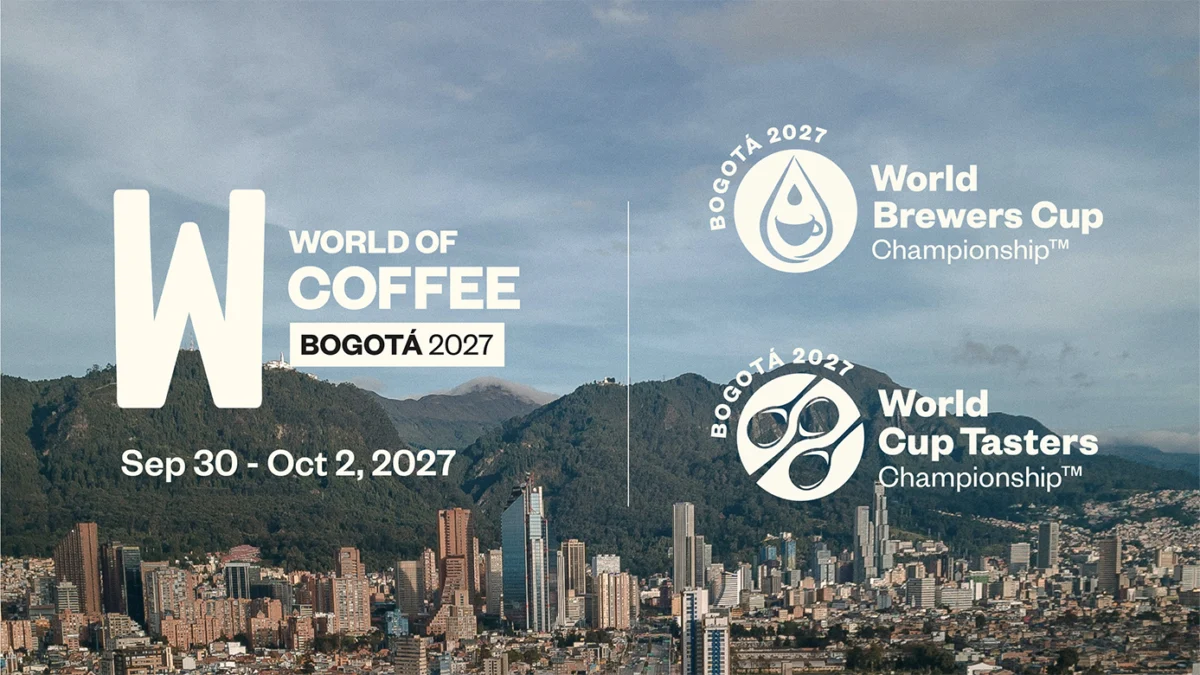
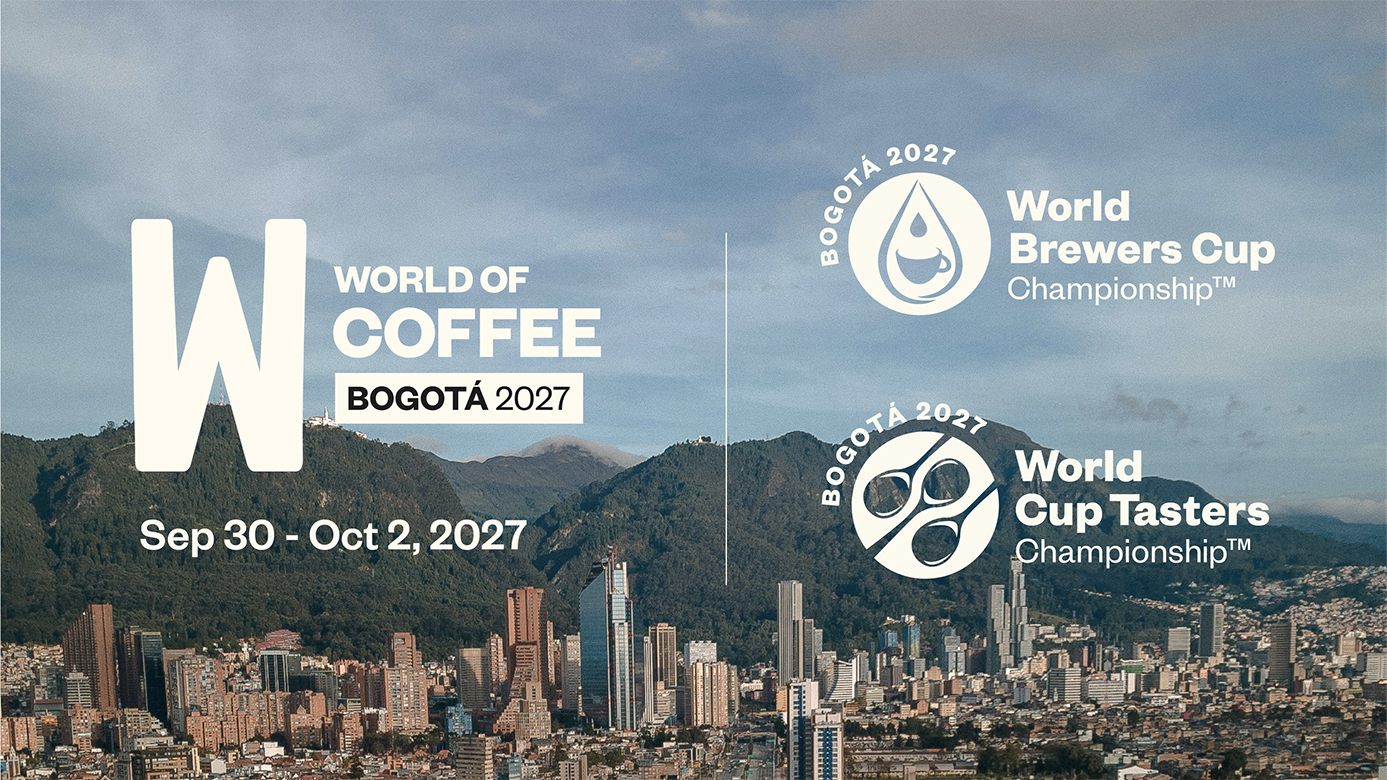
The Specialty Coffee Association (SCA) has officially confirmed that the 2027 World Cup Tasters Championship will be held in Bogota, Colombia, as a centerpiece of the World of Coffee event series. This announcement completes the scheduling puzzle for the 2027 season, positioning Bogota as a dual-host city for both the World Brewers Cup and the World Cup Tasters Championship. Scheduled to take place from September 30 to October 2, 2027, the event marks a strategic shift in the global coffee landscape, emphasizing the role of producing nations as central hubs for high-level competitive coffee culture.
A Strategic Pivot Toward Producing Nations
The decision to host the World Cup Tasters Championship in Colombia follows a precedent set by the 2026 event held in Thailand. For years, the World Coffee Championships were largely concentrated in major consumer markets, such as Europe and North America. However, the SCA has moved toward a more decentralized model, aiming to bridge the gap between origin countries and the international specialty market.
By hosting these championships in regions where the raw product is grown, processed, and exported, the SCA is fostering a more inclusive dialogue regarding coffee quality and supply chain equity. This transition is not merely logistical; it is a symbolic recognition of the expertise inherent in coffee-producing communities. The move aligns with the SCA’s long-term mission to integrate the upstream and downstream segments of the coffee industry, ensuring that producers have equal access to the global stage.
The 2027 World Coffee Championship Schedule
With the inclusion of the World Cup Tasters Championship in Bogota, the calendar for the 2027 World Coffee Championships is now finalized. This expansive series covers seven distinct competitions across four continents, reflecting the truly global nature of the specialty coffee sector. The roadmap for the year is as follows:
- World Roasters Championship: New Orleans, USA (Early April 2027)
- World Barista Championship: Tokyo, Japan (Late April 2027)
- World Latte Art Championship: Lisbon, Portugal (June 2027)
- World Coffee in Good Spirits Championship: Lisbon, Portugal (June 2027)
- World Cezve/Ibrik Championship: Lisbon, Portugal (June 2027)
- World Brewers Cup: Bogota, Colombia (September 30 – October 2, 2027)
- World Cup Tasters Championship: Bogota, Colombia (September 30 – October 2, 2027)
This schedule demonstrates the SCA’s commitment to diversifying the geographic footprint of its flagship events, moving away from a single-city focus and toward a distribution that respects the cultural and economic importance of both consumer and producer hubs.
Perspectives on the Bogota Selection
SCA CEO Yannis Apostolopoulos has been vocal about the significance of the Bogota selection, noting that the influence of Colombian coffee extends far beyond its physical borders. "Bringing two World Coffee Championships to Bogota gives us an opportunity to celebrate that contribution alongside competitors and coffee professionals from around the world," Apostolopoulos stated.
The rationale behind the selection is rooted in the evolving nature of consumption. According to the SCA, the rise of domestic consumption in coffee-producing countries is one of the most critical developments in the industry today. When the populations that produce coffee also become its most discerning and engaged consumers, it forces a shift in the global conversation. It pivots the focus from commodity-grade output toward value-added production, equity in pricing, and a deeper appreciation for sensory quality. The SCA anticipates that by hosting these events in Bogota, they will help accelerate this momentum, encouraging local industry growth and international investment in Colombian specialty coffee infrastructure.
The Evolution of the World Cup Tasters Championship
The World Cup Tasters Championship is arguably one of the most technical and fast-paced competitions in the SCA portfolio. Unlike the Barista or Brewers Cup, which focus on presentation, recipe development, and service, the Cup Tasters event is a raw test of sensory acuity. Competitors must identify the "odd one out" in sets of three cups of coffee, utilizing their sense of smell and taste to distinguish subtle variations in origin, processing, and roast profile.
The competition has seen significant growth in participation over the last decade, with an increasing number of representatives from non-traditional coffee-growing regions as well as emerging specialty markets. Hosting this event in Colombia—a country synonymous with high-altitude, high-quality Arabica—provides a unique environment for the sensory judges and competitors. It places the participants in an atmosphere where the terroir is not just a concept, but a tangible, surrounding reality.
Economic and Industry Implications
The choice of Bogota for such a significant international event is expected to have a tangible impact on the local economy and the broader South American specialty market. International coffee competitions act as magnets for global industry leaders, green coffee buyers, equipment manufacturers, and tourists.
- Direct Economic Stimulus: The influx of thousands of attendees during the three-day event will bolster the hospitality and tourism sectors in Bogota.
- Knowledge Exchange: The World of Coffee event series is not just about the competitions; it includes trade shows, educational workshops, and panel discussions. This allows for a massive transfer of knowledge between international professionals and the local Colombian coffee community.
- Market Branding: By positioning Bogota as a global stage, Colombia reinforces its reputation as a premium origin. This is vital as the country competes with other high-end producers in the global specialty market.
From an analytical perspective, this decision reflects the "normalization" of coffee excellence. For many years, the industry operated under the assumption that "the best" coffee was consumed primarily in the Global North. By moving the championships to the Global South, the industry is tacitly acknowledging that the definition of "specialty" is being written by the farmers and roasters at origin just as much as it is by the baristas in London or Seattle.
Challenges and Future Considerations
While the move to Bogota is widely celebrated, it is not without challenges. Infrastructure, accessibility, and the logistics of transporting high-precision brewing and roasting equipment to Bogota are significant undertakings. The SCA must coordinate closely with local partners in Colombia to ensure that the rigorous standards of the World Coffee Championships are met.
Furthermore, the environmental impact of hosting global events is increasingly under scrutiny. As the SCA continues to move its championships across the globe, the organization will likely face pressure to balance the benefits of international exposure with the carbon footprint associated with global travel. However, the current strategy suggests that the organization believes the benefits of global integration and cultural exchange currently outweigh these logistical complexities.
Looking Toward 2027 and Beyond
The 2027 season promises to be a watershed year for the SCA. By the time the final cups are tasted in Bogota in October, the organization will have facilitated a massive global exchange of ideas, technologies, and sensory practices.
The selection of Bogota, in particular, serves as a beacon for other producing nations. It signals that the SCA is looking for host cities that are not just geographically convenient, but culturally and historically significant to the coffee value chain. As the industry looks toward the next decade, the success of the Bogota event will likely serve as a blueprint for how the SCA selects host cities for its future championships.
For competitors, the pressure is already building. With the locations now set, athletes have a clear target for their training regimes, allowing them to prepare for the specific environmental and logistical conditions they will face in New Orleans, Tokyo, Lisbon, and Bogota. As the specialty coffee world turns its attention to 2027, the emphasis remains on the core values of the SCA: sustainability, quality, and the celebration of the coffee community in all its global diversity.
Further information regarding ticketing, registration for competitors, and the full program for the 2027 World of Coffee event in Bogota will be released by the Specialty Coffee Association in the coming months. For those following the trajectory of the industry, the 2027 calendar represents a cohesive, well-planned, and ambitious vision for the future of coffee.