
 Ali Ikhwan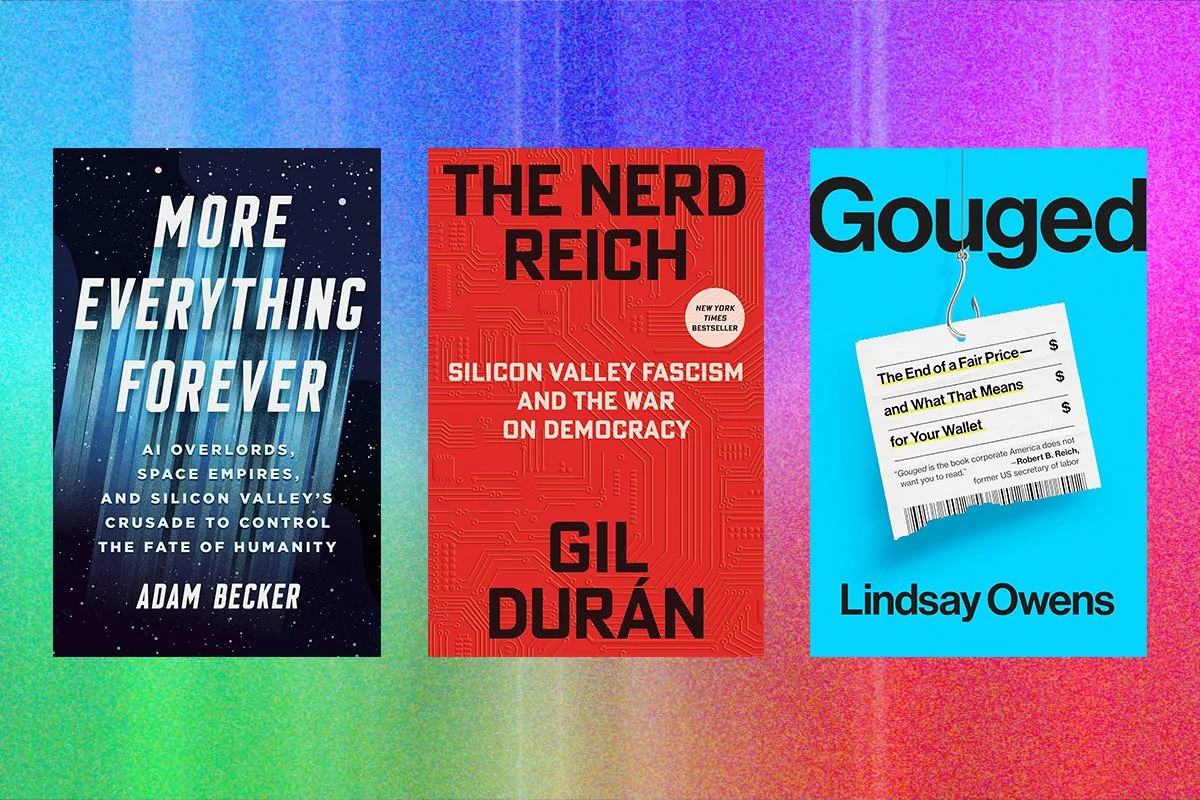
The profound influence of Big Tech on the modern global economy, social interaction, and political landscape is difficult to overstate. From the silicon-based architecture powering artificial intelligence to the data-driven algorithms that curate our daily information intake, the digital revolution has reshaped the human experience in less than a single generation. For those seeking to understand the mechanisms behind this transformation, the literary landscape offers a wealth of investigative journalism, historical analysis, and biographical insight. This collection of essential reading serves as a roadmap to the inner workings of the companies, characters, and controversies defining our era.

The Silicon Foundation: Hardware and Innovation
At the heart of the digital age lies the microchip, a marvel of engineering that has evolved from basic logic gates to the high-performance engines behind modern AI. In The Thinking Machine: Jensen Huang, Nvidia, and the World’s Most Coveted Microchip, author Stephen Witt provides a definitive account of Nvidia’s rise. The book traces the company’s trajectory from a niche gaming hardware manufacturer to the primary supplier of the infrastructure required for the current artificial intelligence boom. By examining the leadership of CEO Jensen Huang, Witt illuminates the high-stakes gamble that transformed a mid-sized firm into a trillion-dollar entity that now dictates the pace of global technological advancement.
Complementing this look at modern hardware is the seminal work The Soul of a New Machine by Tracy Kidder. While published in 1981, the book remains a masterclass in chronicling the engineering culture that defined the early days of computing. Kidder’s Pulitzer Prize-winning narrative documents the intense, often grueling development of a new microcomputer at Data General. It serves as a historical touchstone, illustrating that the high-pressure, “crunch-time” culture often associated with modern Silicon Valley startups is not a new phenomenon, but rather an evolution of the industry’s foundational work ethic.

The Architecture of the Mirror World
As the digital sphere has expanded, so too have the critiques regarding its societal impact. In Doppelganger: A Trip Into the Mirror World, Naomi Klein investigates the intersection of political polarization and the rise of digital "echo chambers." Klein argues that the architecture of modern social platforms has created a parallel reality, one where misinformation and identity politics are amplified by algorithmic design. Her analysis provides a sobering look at how the tech industry has inadvertently (or intentionally) contributed to a fractured social fabric, forcing a re-evaluation of how digital tools should be governed and utilized.
Biographies of Influence
To understand the industry, one must understand the individuals who built it. Walter Isaacson’s Steve Jobs remains the gold standard for corporate biography. Through extensive interviews with Jobs, his family, and his rivals, Isaacson constructs a complex portrait of an icon whose perfectionism and vision were instrumental in the creation of the personal computer, the modern smartphone, and the digital music industry. The book captures the dualities of a man who was simultaneously capable of incredible creative brilliance and profound interpersonal conflict, providing a case study in the influence of individual leadership on global market trends.

The Evolution of the Tech Industry: A Chronological Context
The history of technology is often viewed through the lens of singular breakthroughs, but a closer look reveals a series of interconnected shifts.
- The 1970s and 80s: This era was defined by the transition from mainframe computing to personal hardware, characterized by the rise of companies like Apple, Microsoft, and Data General.
- The 1990s: The commercialization of the internet moved the focus toward connectivity, software dominance, and the emergence of the dot-com era.
- The 2000s: Mobile computing and the social media revolution changed the nature of data consumption, establishing the "attention economy" as the dominant business model.
- The 2010s to Present: The shift toward cloud infrastructure, massive-scale data processing, and the integration of artificial intelligence into consumer products has created a new class of "megacap" firms that now influence global policy and economic stability.
The 2026 Additions: Addressing Emerging Challenges
As the tech sector faces increased scrutiny from regulators and the public, the 2026 expansion of this reading list highlights critical contemporary issues.

Apple in China explores the complex geopolitical tightrope walk that the world’s most valuable company must navigate, balancing its massive manufacturing reliance on Chinese labor with the shifting political landscape of U.S.-China relations.
More Everything Forever serves as a critical examination of the "infinite growth" mandate that dominates Silicon Valley, questioning whether the pursuit of constant expansion is sustainable in a world of finite resources.

Gouged tackles the issue of economic extraction within the gig economy, analyzing how platform-based business models have shifted risk away from corporations and onto individual contractors.
The Rise and Fall of the Artificial State investigates the emergence of digital sovereignty, where major tech platforms exert power that rivals or exceeds that of traditional nation-states, particularly regarding censorship and digital currency.

The Nerd Reich provides an anthropological look at the changing demographics of Silicon Valley leadership, examining how the culture of elite engineering schools and venture capital networks has created a distinct, insular class of power brokers.
Supporting Data and Market Realities
The growth of the tech sector is best reflected in the market capitalization of the "Big Five" firms—Apple, Microsoft, Alphabet (Google), Amazon, and Meta. As of late 2026, these entities collectively represent a significant percentage of the S&P 500, a level of market concentration rarely seen in American economic history.

According to industry reports, global spending on AI infrastructure reached record highs in the current fiscal year, with Nvidia’s hardware occupying the majority of the market share. This surge in capital expenditure underscores the transition from experimental AI development to industrial-scale implementation. However, this growth is not without friction. Regulatory filings across the European Union and the United States indicate a sharp increase in antitrust investigations, focusing on platform interoperability, data privacy, and the potential for algorithmic bias.
Official Responses and Industry Sentiment
The companies themselves often frame their expansion as a net positive for global productivity. In recent shareholder communications, leadership at major tech firms have emphasized the role of AI in solving "grand challenges," such as climate change, medical diagnostics, and agricultural efficiency.

Conversely, independent analysts and labor advocates argue that the consolidation of technological power necessitates a new framework for digital oversight. "We are reaching a point where the infrastructure of the internet is no longer just a utility, but a political force," says one industry analyst. "The books on this list are not just historical accounts; they are warnings and blueprints for the next phase of our digital reality."
Broader Implications and Future Outlook
The literature surrounding Big Tech serves a dual purpose: it educates the consumer on the mechanics of their daily tools and provides the necessary context for democratic participation in the digital age. As we move further into the decade, the line between technology and governance will continue to blur.

Readers who engage with these texts will gain a deeper understanding of the "invisible" decisions that dictate everything from the price of consumer goods to the viability of political discourse. Whether it is the history of the microchip or the sociopolitical impact of the mirror world, these books collectively argue that understanding technology is no longer an optional skill for the tech-savvy—it is a requirement for the informed citizen. By studying the successes, failures, and structural incentives of the past, we are better equipped to navigate the rapid, often volatile, evolution of the world to come.







