
 Ali Ikhwan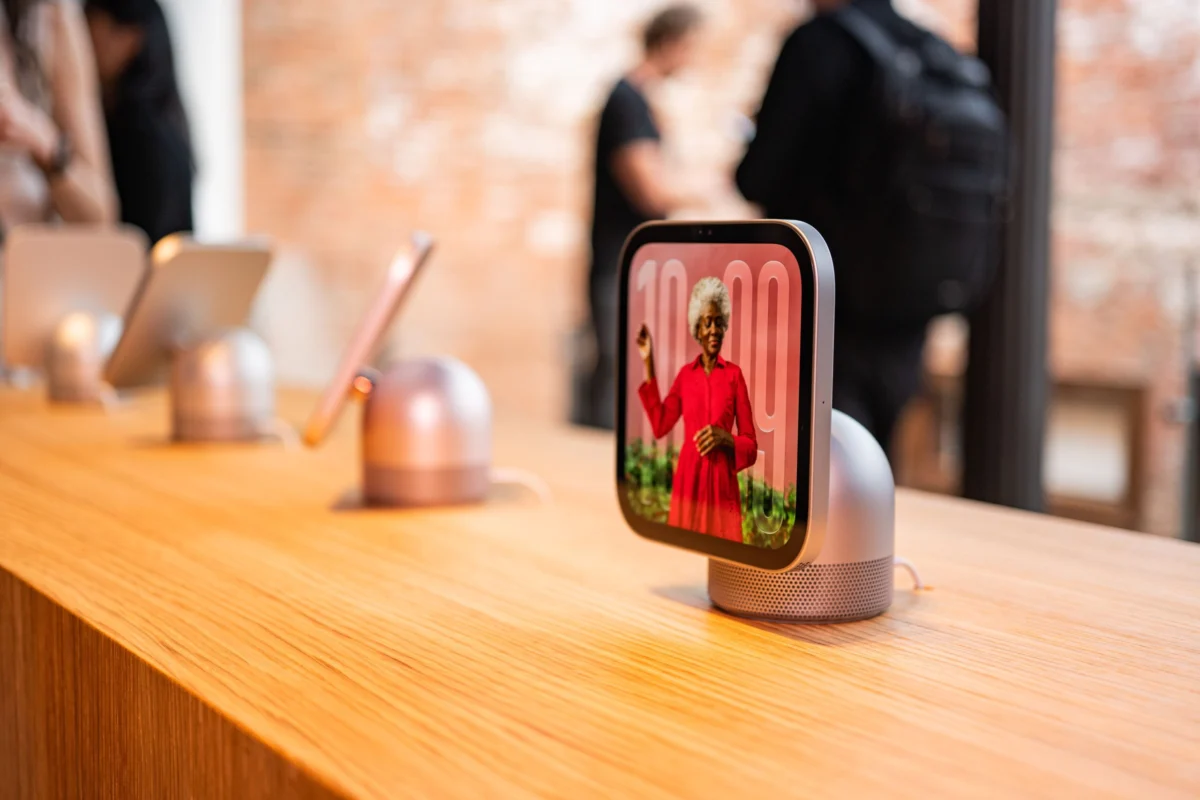
Apple has officially entered the competitive smart display market with the announcement of the HomeView, a 7-inch connected device designed to serve as the central nervous system of the modern household. Unveiled during a high-profile product showcase in New York City on Tuesday, the device marks a significant departure from Apple’s previous hardware strategy, which had largely relegated smart home functionality to the HomePod speaker line and the iPhone. Available for $299, the HomeView is scheduled for a retail rollout on November 13, with preorders currently open. The launch coincides with a broader hardware refresh for the company, following a year of firsts that included the introduction of the MacBook Neo and the company’s inaugural folding smartphone, the iPhone Duo.
A Decade of Market Evolution
The smart display category has matured significantly since the introduction of the first voice-activated assistants roughly ten years ago. While competitors such as Amazon with its Echo Show series and Google with the Nest Hub and Pixel Tablet have iterated through multiple generations of screen-enabled hardware, Apple has remained notably conservative. For years, the company’s smart home strategy was centered on the HomePod. Apple’s decision to remove the iPad as a viable hub device several years ago created a gap in its ecosystem, forcing consumers to rely on Apple TV units or HomePods to manage smart home accessories.
Industry analysts have long pointed to this fragmentation as a barrier to Apple’s growth in the domestic sector. By introducing the HomeView, Apple is signaling an attempt to regain lost ground by creating a dedicated, always-on interface that mirrors the success of its wearable technology. The HomeView’s design language—a 7-inch square screen with customizable faces—draws direct inspiration from the Apple Watch, suggesting a deliberate attempt to capitalize on the familiarity of the company’s most popular software interface.
Technical Specifications and Hardware Versatility
The HomeView is powered by Apple’s high-performance A18 chip, providing the necessary processing overhead for local AI computations and complex UI transitions. The device is available in two distinct configurations at the same $299 price point: a standard model featuring a speaker base with an adjustable tilt screen, and a wall-mounted variant.
The standard model includes a robust audio architecture, housing two full-range drivers within the display assembly and a down-firing woofer, supported by force-canceling passive radiators in the base to enhance low-frequency performance. In contrast, the wall-mounted version opts for a streamlined profile, utilizing internal software tuning to optimize audio output for flat-surface placement. Both versions feature a 7-inch Liquid Retina display equipped with True Tone technology, allowing the screen to calibrate its color temperature based on ambient lighting conditions. Notably, the display can reach a minimum brightness of 0.3 nits, a technical achievement intended to minimize light pollution in bedroom environments.

Integration, Privacy, and User Recognition
A central pillar of the HomeView experience is its deep integration with the iPhone ecosystem. The device requires an iPhone running iOS 27 with Apple Intelligence capabilities for full functionality, particularly for context-aware queries. While the device can operate with older iPhones, users lose access to the advanced, personalized AI actions that define the HomeView’s utility.
Security remains a primary marketing focus for Apple, particularly regarding the device’s camera-equipped nature. The HomeView features a 12-megapixel Center Stage camera and a four-microphone array. Apple has explicitly stated that all facial recognition and biometric processing occurs on-device, adhering to the company’s privacy-first architecture. This design choice is intended to address consumer anxieties regarding surveillance in private spaces.
The device supports multi-user recognition, allowing up to six iCloud accounts to be linked simultaneously. Using a combination of visual recognition and Wi-Fi network proximity, the HomeView dynamically adjusts its interface to show content relevant to the individual standing in front of it. If a user’s iPhone is not on the same network or has not been recently unlocked, the device restricts access to sensitive data, such as messages and personal photos, ensuring a baseline level of privacy for multi-person households.
Siri AI and the Future of Contextual Computing
The core interaction model for the HomeView is the overhauled Siri AI. Unlike previous iterations of the voice assistant, the current version leverages the user’s personal context—drawn from Messages, emails, and calendar data—to process natural language requests. For instance, the device can parse complex queries such as, "When will my brother arrive at the airport, and can you schedule the coffee maker to turn on 15 minutes before?"
This ability to synthesize disparate data points represents a shift from command-and-response interaction to intent-based automation. Furthermore, the HomeView’s software includes specialized features, such as an automated recipe converter that strips away narrative text from web articles to display step-by-step instructions and auto-populating timers. These features are designed to mitigate the friction often associated with using standard tablets in a kitchen environment.
Market Implications and Analyst Outlook
The launch of the HomeView occurs at a critical juncture for Apple’s smart home division. Despite its dominance in mobile computing, the company has historically struggled to achieve similar penetration in the smart home space. Anshika Jain, a principal analyst at Counterpoint, suggests that Apple’s entry into this market is a necessary, albeit late, response to shifting consumer expectations.

"Trust is becoming increasingly important with rising consumer expectations around privacy and security," Jain noted. "Apple could actually benefit from its privacy-first approach, provided it can deliver a more capable, consistent experience across its product range. The greater challenge is to make AI truly useful for everyday interactions, rather than just a novelty."
The reliance on the CarPlay framework for third-party media integration is a notable strategic choice. By allowing apps already present on a user’s iPhone to transition seamlessly to the HomeView, Apple is avoiding the need for a massive, dedicated App Store for the new device. However, this also limits the current availability of major streaming platforms like YouTube or Netflix, which must opt into the CarPlay framework to be accessible. For now, users are limited to accessing video content via the Safari browser, a restriction that could prove challenging for mass-market adoption.
Strategic Outlook and Competition
As Apple prepares for the November 13 launch, the company faces a landscape dominated by entrenched competitors. Google’s Pixel Tablet and Amazon’s Echo Show ecosystem have already established deep roots in the smart home market. Apple’s bet is that the "walled garden" effect—specifically the tight integration between the HomeView, the iPhone, and Apple Intelligence—will provide a compelling enough value proposition to sway consumers who are already heavily invested in the Apple ecosystem.
The success of the HomeView will ultimately be determined by the reliability of Siri AI. If the assistant can consistently interpret intent and manage smart home devices without the errors that have plagued its predecessors, the HomeView could successfully position itself as the missing piece of the Apple smart home puzzle. Conversely, if the device suffers from the same limitations that historically hindered the HomePod’s adoption, it may struggle to justify its $299 price point in an increasingly crowded market.
For now, the HomeView represents a bold, if overdue, effort by Apple to redefine the smart display not as a standalone tablet, but as a specialized, context-aware extension of the user’s personal digital life. The upcoming months will reveal whether this new hardware direction is sufficient to secure a permanent place on the kitchen counters and nightstands of Apple’s global user base.







