

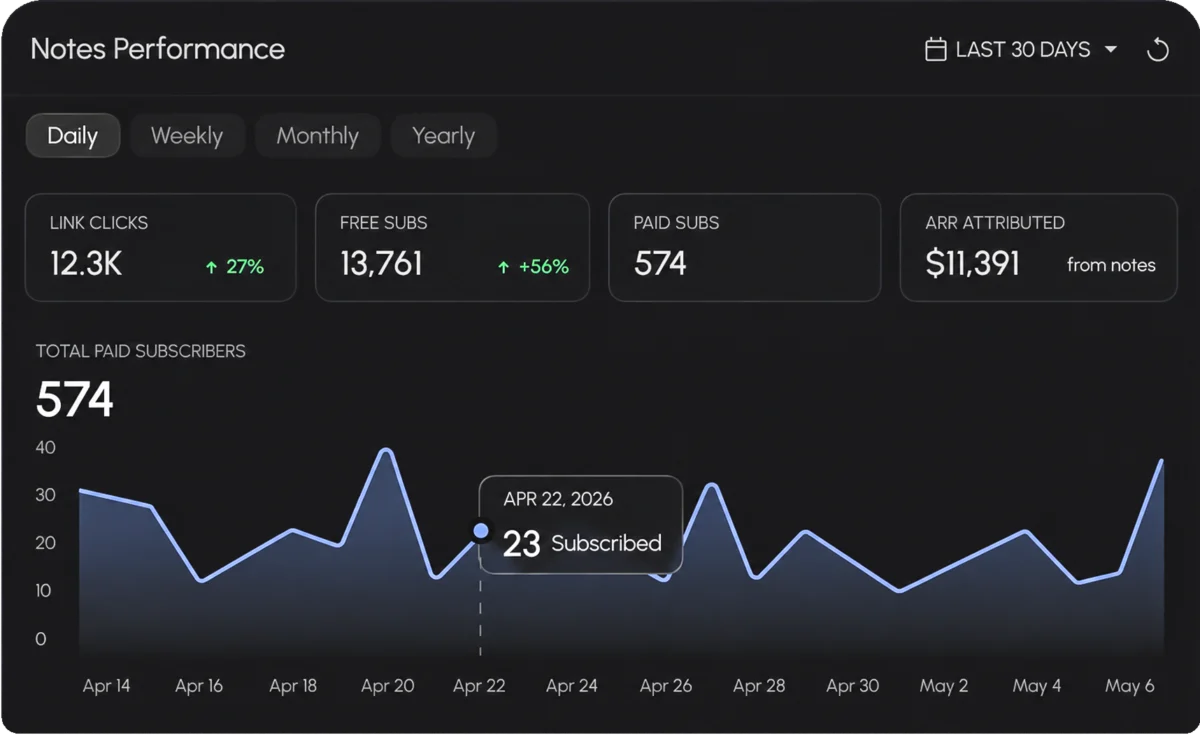
The landscape of independent digital publishing has undergone a profound structural shift with the widespread integration of scheduling capabilities for Substack Notes. For years, the absence of an automated posting mechanism for micro-blogging content on the platform forced writers and digital publishers to execute manual uploads in real time. This operational friction limited workflow efficiency, particularly for multi-platform creators managing prescheduled campaigns across various digital touchpoints. Following the rollout of native scheduling features and the subsequent entry of specialized third-party applications, content creators now navigate a diverse ecosystem of tools designed to optimize audience engagement and streamline distribution pipelines.

Background Context and Chronological Development
Substack initially built its reputation as a premier destination for long-form newsletter monetization and publication. However, the introduction of Substack Notes transformed the platform into a hybrid ecosystem, combining traditional email newsletters with a dynamic, Twitter-like social feed. Despite the rapid adoption of Notes by writers seeking to capture top-of-funnel traffic, the platform lacked basic temporal automation tools. Creators were tethered to their desks to hit "publish" on timely updates, announcements, or excerpts.

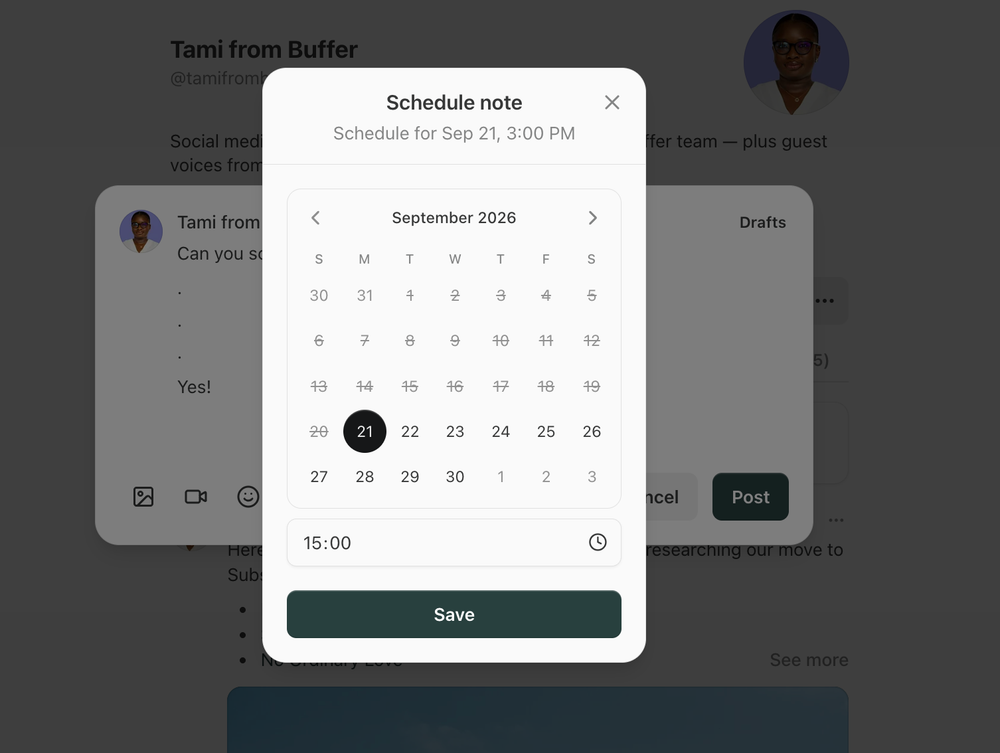
The turning point arrived in the spring of 2026, when Substack officially released its native scheduling functionality across both web and mobile environments. This long-awaited update allowed users to queue content up to three months in advance directly within the native interface. Recognizing an immediate gap in the market—specifically regarding batch scheduling, advanced queue management, and cross-platform distribution—independent software developers and established social media management suites quickly intervened. Throughout the summer and autumn of 2026, platforms such as Buffer, Typefully, WriteStack, Narrareach, and StackSweller introduced dedicated application programming interface (API) integrations or browser-extension workflows tailored specifically to Substack Notes.
Comparative Analysis of Substack Notes Schedulers
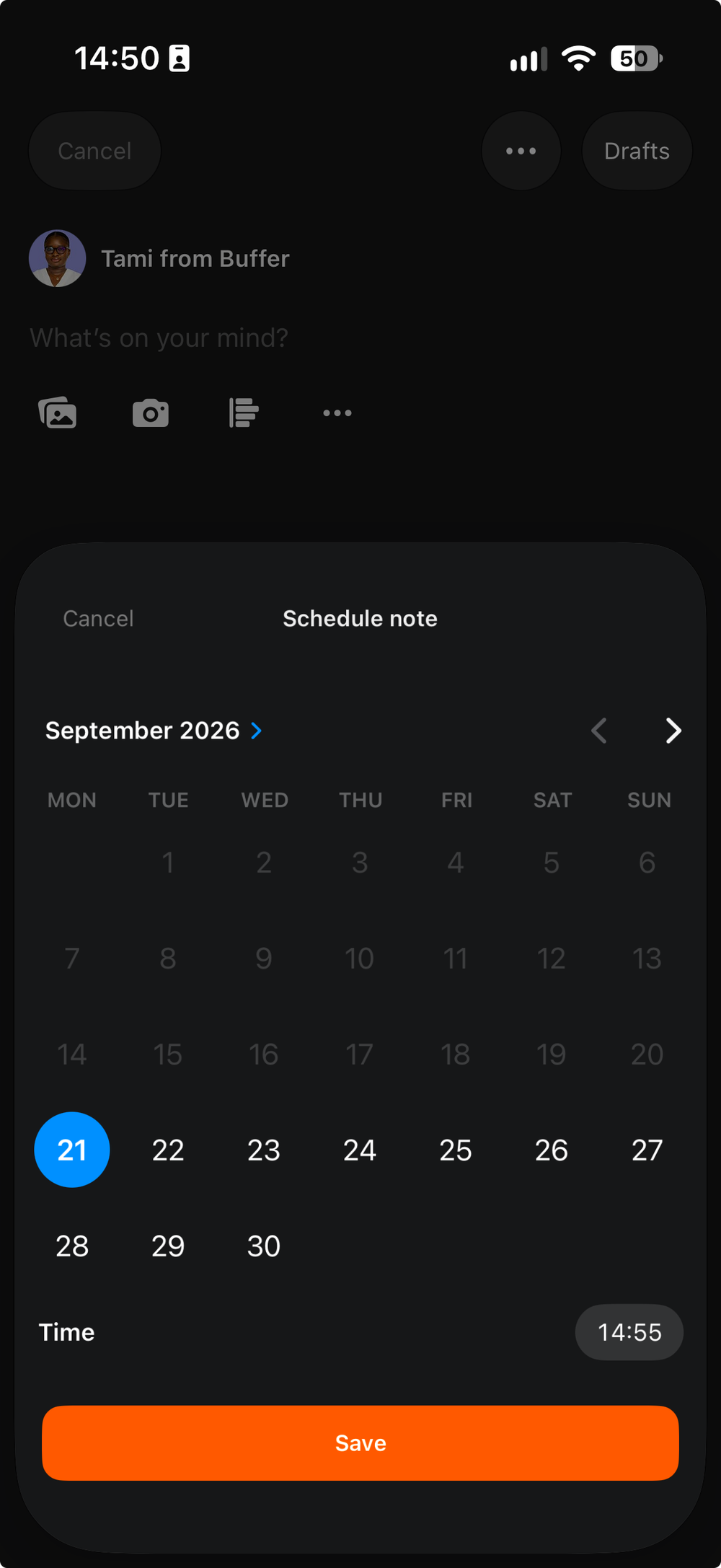
Evaluating the available tools requires a detailed examination of their publishing architecture, feature sets, and pricing models. The market currently divides into native infrastructure and third-party extensions, each serving distinct operational profiles.
Buffer: Crossposting and Multi-Channel Optimization
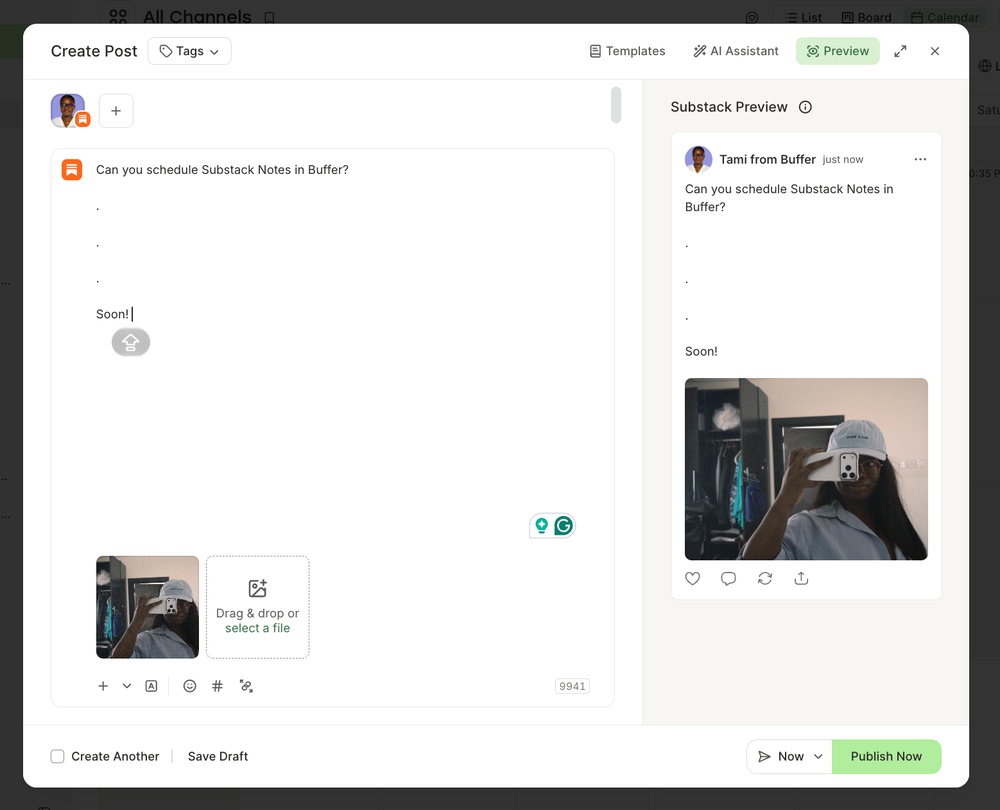
Buffer integrated Substack Notes into its core scheduler in September 2026, following substantial demand from its user base. By leveraging Substack’s official API, Buffer enables creators to synchronize their Notes alongside networks such as X, LinkedIn, Threads, Bluesky, and Instagram from a unified calendar interface.
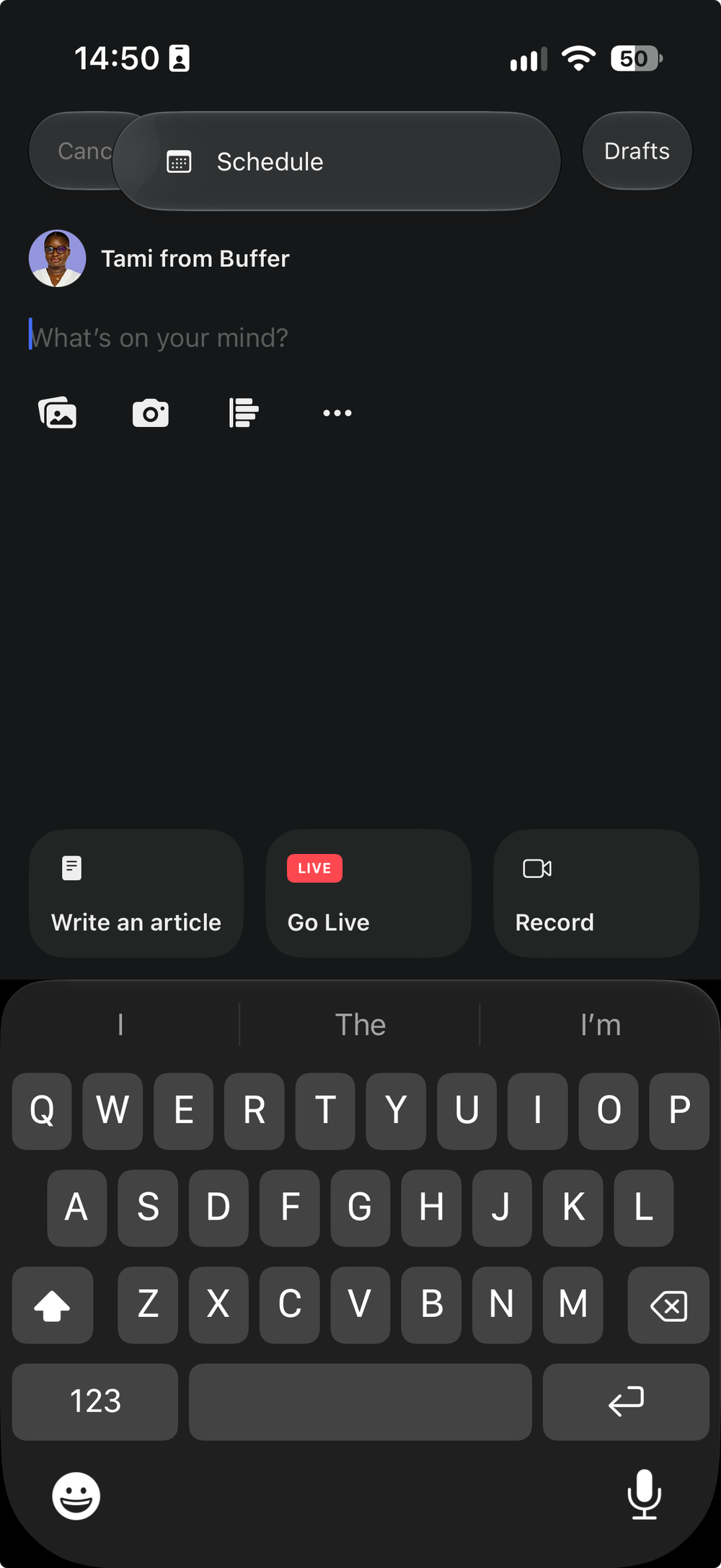
- Publishing Mechanism: Direct API connection.
- Pricing Structure: Available on the forever-free tier (up to three channels); paid tiers begin at $6 per channel per month (or $5 annually).
- Ideal Use Case: Creators and brands maintaining an active presence across multiple social networks who require centralized content calendars and consolidated analytics.
Substack Native Scheduler: The Baseline Option
Substack’s built-in scheduling tool provides a straightforward, zero-cost mechanism for creators who operate exclusively within the Substack ecosystem and publish infrequently.
- Publishing Mechanism: Managed directly via Substack servers.
- Pricing Structure: Completely free.
- Limitations: Lacks bulk-scheduling capabilities, content queues, and cross-platform publishing. Users must schedule each Note individually.
- Ideal Use Case: Solopreneurs and writers who publish two to three Notes per week and have no requirement for automated multi-platform syndication.
WriteStack: Analytics and Research for Dedicated Writers
Developed as a specialized, single-platform solution, WriteStack caters directly to heavy Substack users seeking deep research integration and performance metrics.

- Publishing Mechanism: Chromium-based browser extension.
- Pricing Structure: No free tier; a seven-day trial is followed by subscription plans starting at $23.99 per month.
- Ideal Use Case: Power users embedded entirely within the Substack network who prioritize native analytics and streamlined research workflows.
Typefully: The X-First Creator Approach
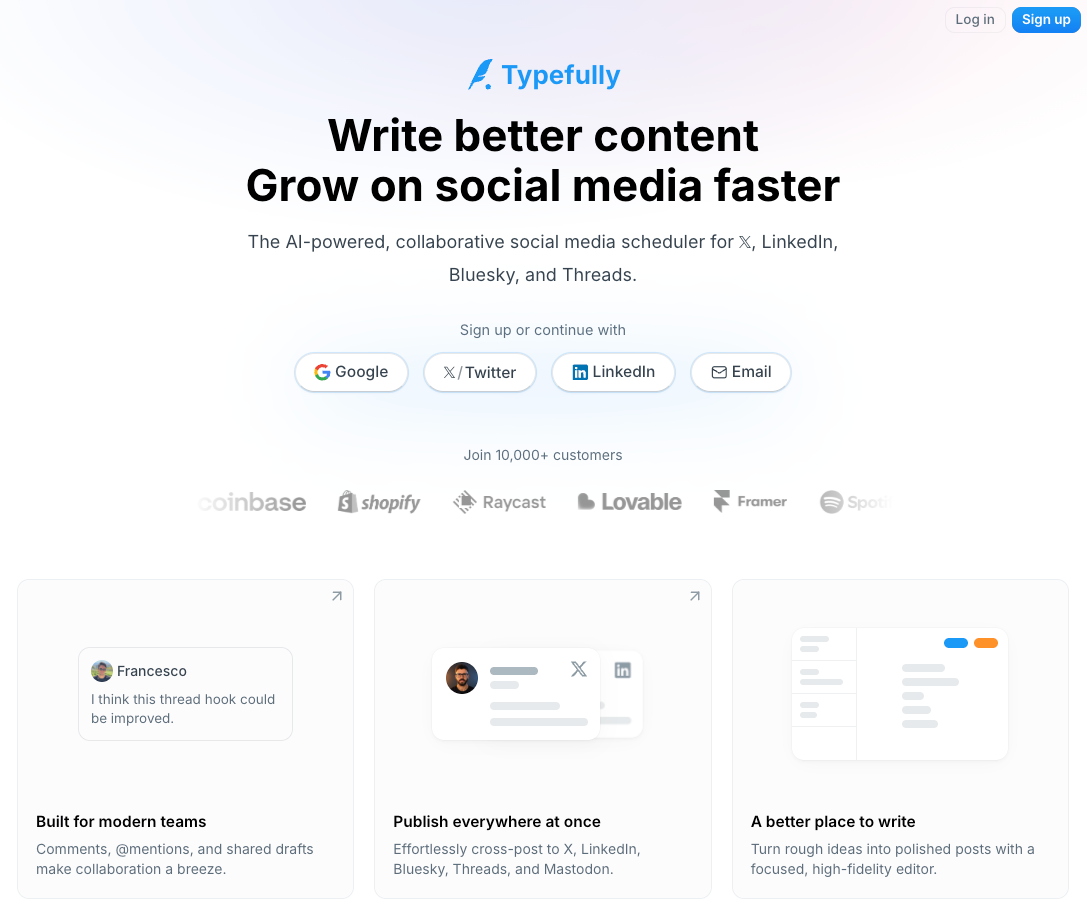
Typefully expanded its writing-first composer in July 2026 to incorporate Substack Notes across all plans. Known historically for its thread-building capabilities on X, the platform offers a polished writing environment.
- Publishing Mechanism: Direct connection via Substack API.
- Pricing Structure: Limited free plan supporting Notes; paid plans begin at $99 per year.
- Limitations: Current versions lack support for video attachments within Notes.
- Ideal Use Case: Writers and digital marketers whose primary audience is concentrated on X, but who also syndicate short-form commentary to Substack.
Narrareach: Artificial Intelligence-Driven Repurposing
Narrareach approaches content distribution through an automation and artificial intelligence lens, allowing users to input long-form articles and automatically segment them into concise Notes and micro-posts.
- Publishing Mechanism: Browser extension interface routing through Substack’s native scheduler.
- Pricing Structure: Free tier limited to five Notes per month (Substack only); paid tiers range from $19 to $89 per month.
- Ideal Use Case: Publication editors and high-volume writers looking to automate the conversion of long-form essays into promotional social media snippets.
StackSweller: Cloud-Based Session Queuing
Operating as a specialized cloud queue, StackSweller provides straightforward, automated publishing without the added complexity of multi-platform dashboards.
- Publishing Mechanism: Stored session cookie authentication.
- Pricing Structure: Flat-rate pricing at $25 per month or $250 per year (no free tier).
- Limitations: Currently in beta, requiring manual session cookie management which may occasionally require re-authentication.
- Ideal Use Case: Creators seeking a minimalist, dedicated queue exclusively for Substack Notes at a fixed monthly cost.
Technical Architecture and Publishing Mechanisms
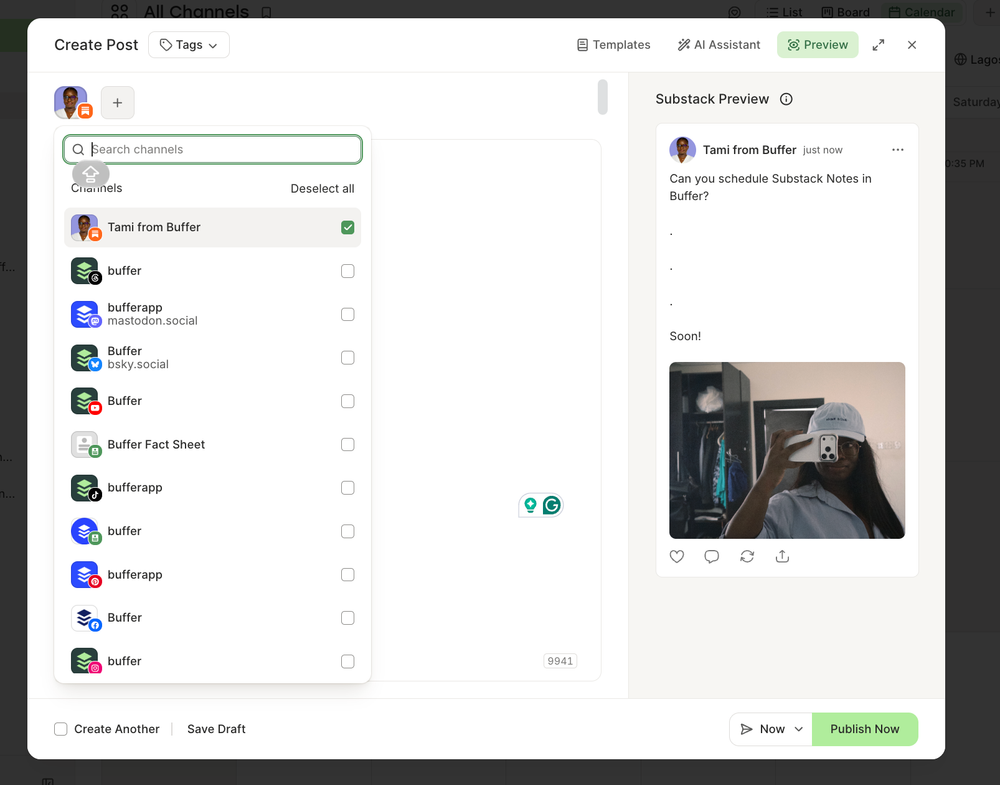
A critical consideration for digital publishers evaluating these tools is the underlying publishing architecture. Software applications interact with Substack through varying technical methodologies, which can impact reliability and security:
- Direct API Connections: Tools such as Buffer and Typefully utilize formal API integrations authorized by Substack. This ensures secure, stable transmission of scheduled content directly to the publisher’s account without requiring active browser sessions or exposed credentials.
- Browser Extensions: Solutions like WriteStack and Narrareach rely on Chromium-based extensions. These tools automate the manual actions a user would typically perform inside a web browser, executing the publish command locally or via simulated interface inputs.
- Session Cookie Storage: Certain specialized tools, including StackSweller, require users to input active session cookies to authenticate cloud-based queues. While functional, this method carries operational vulnerabilities, as browser session tokens can expire periodically, necessitating manual reconnections to prevent queue disruptions.
Strategic Implications for Content Creators
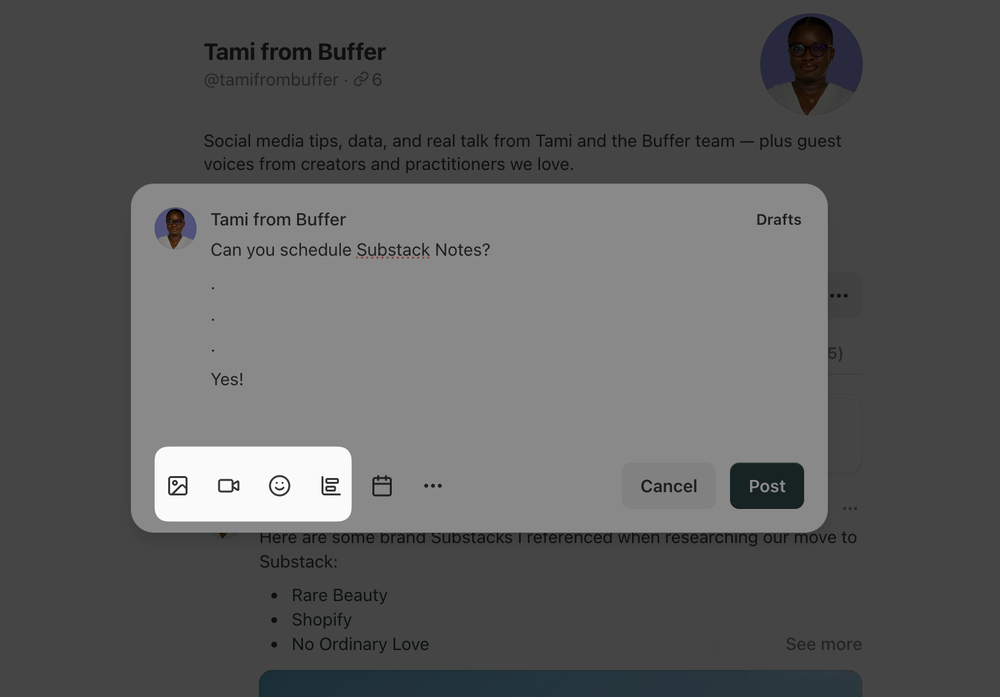
The maturation of Substack Notes scheduling infrastructure carries broad implications for digital publishing economics. For independent journalists, subject-matter experts, and corporate newsletters alike, consistent frequency is a primary driver of subscriber conversion and audience retention. By removing the manual labor associated with real-time posting, automated scheduling permits creators to batch-produce content during optimal creative windows and distribute it strategically across peak engagement hours.
Furthermore, the ability to crosspost micro-content efficiently addresses platform fragmentation. Creators no longer need to manually copy, format, and paste identical text across LinkedIn, Threads, Bluesky, and Substack. Centralized scheduling tools reduce administrative overhead, allowing creators to allocate more resources toward high-value research and long-form writing.
However, publishers must balance automation efficiency with content quality. The introduction of AI-driven repurposing tools and bulk queues creates a risk of audience fatigue if automated streams become saturated with low-value commentary. Strategic curation, authentic voice preservation, and rigorous monitoring of performance analytics remain essential components of a successful audience acquisition funnel.
Decision Framework for Selecting a Scheduler
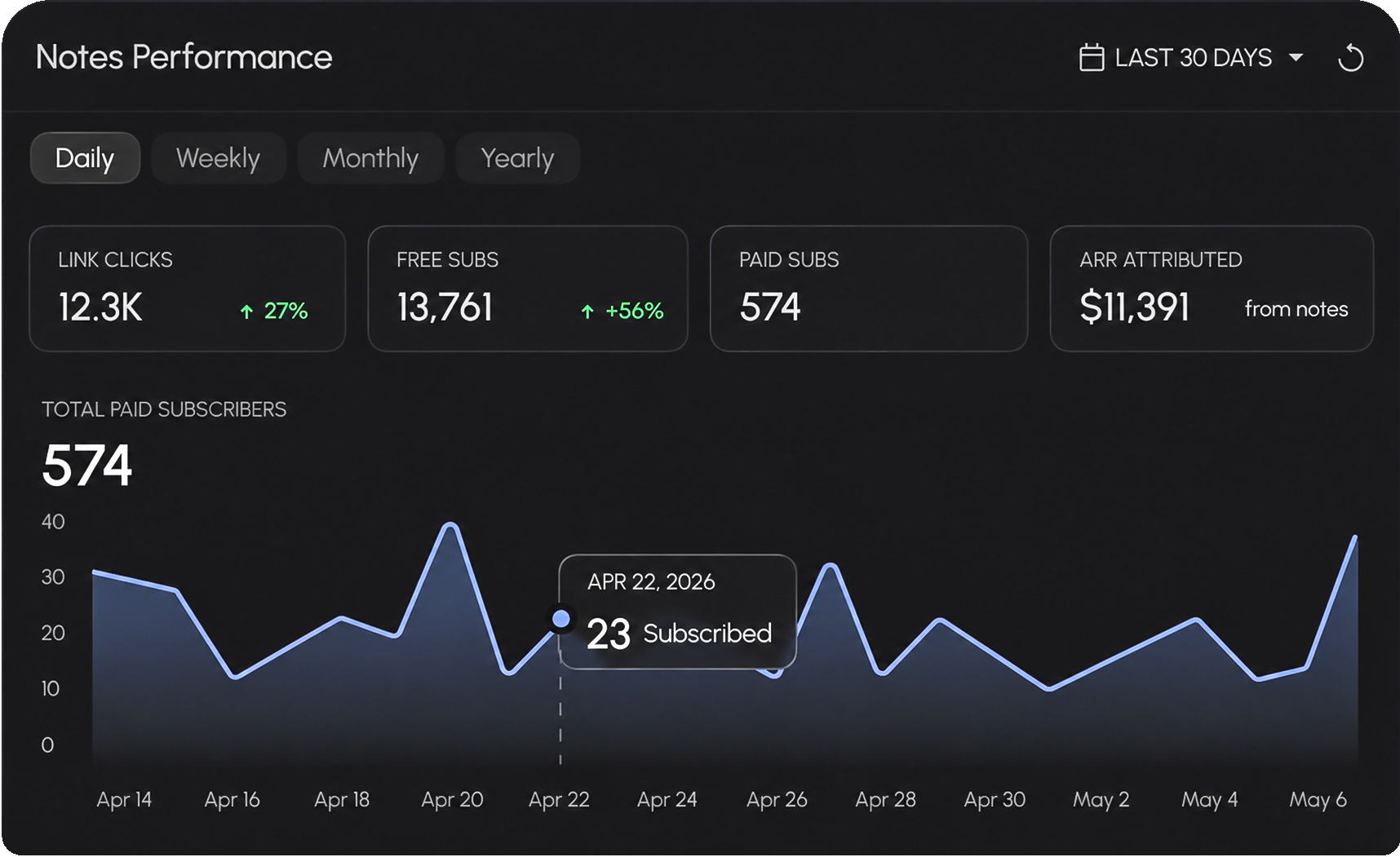
When determining the optimal scheduling stack, creators should evaluate two primary variables: operational scope and multi-platform distribution requirements.
For authors operating strictly within the Substack ecosystem with moderate posting schedules, the platform’s native scheduler provides a reliable, cost-free solution. Creators seeking advanced research integrations, deep analytics, or AI-assisted content generation can justify the investment in specialized extensions such as WriteStack or Narrareach. Conversely, publishers managing a diversified digital presence across multiple social networks will find the greatest operational efficiency in multi-platform aggregators like Buffer or Typefully, which unify scheduling, publishing, and analytics within a single interface.
As the creator economy continues to mature in 2026, the availability of robust scheduling infrastructure for Substack Notes underscores the professionalization of independent publishing. Selecting the appropriate tool depends entirely on an individual writer’s workflow complexity, budgetary constraints, and audience growth strategy.







